Malus Ioensis ‘Plena’ (Betchel’s Crabapple)
Malus ioensis ‘Plena’, commonly known as Betchel’s Crabapple, is a stunning ornamental tree that belongs to the Rosaceae family. This native tree species.
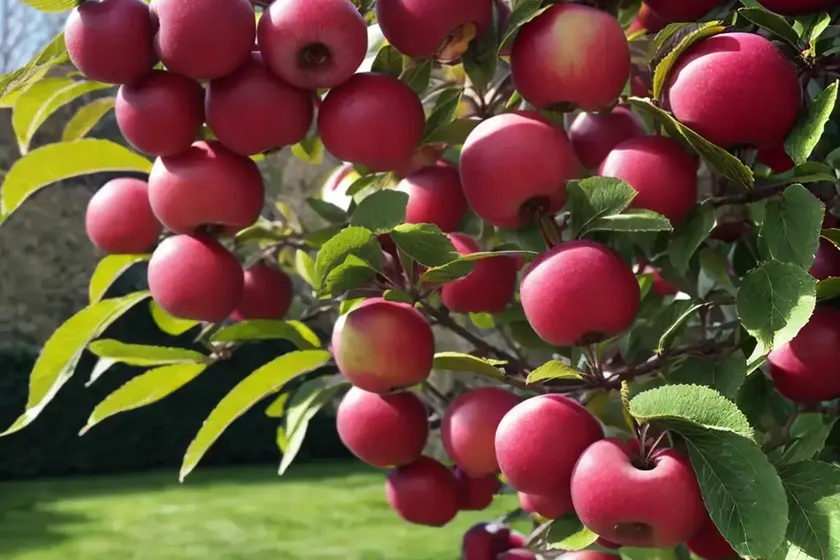
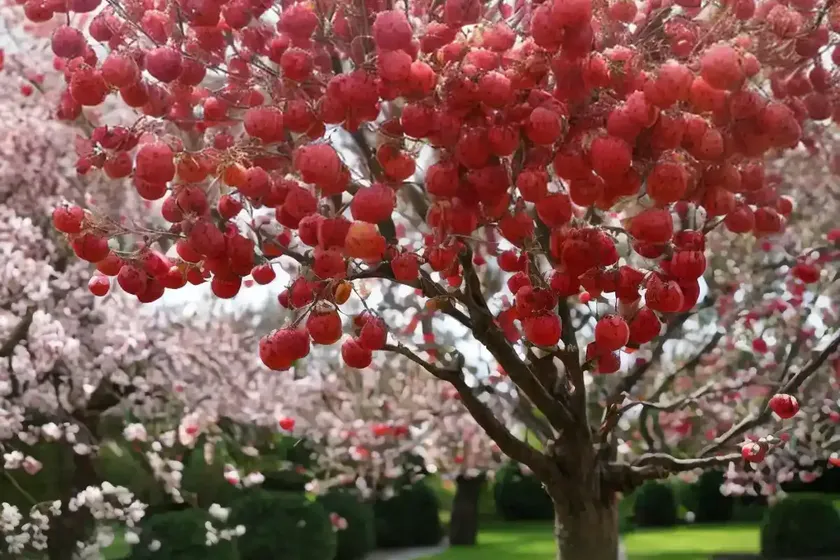
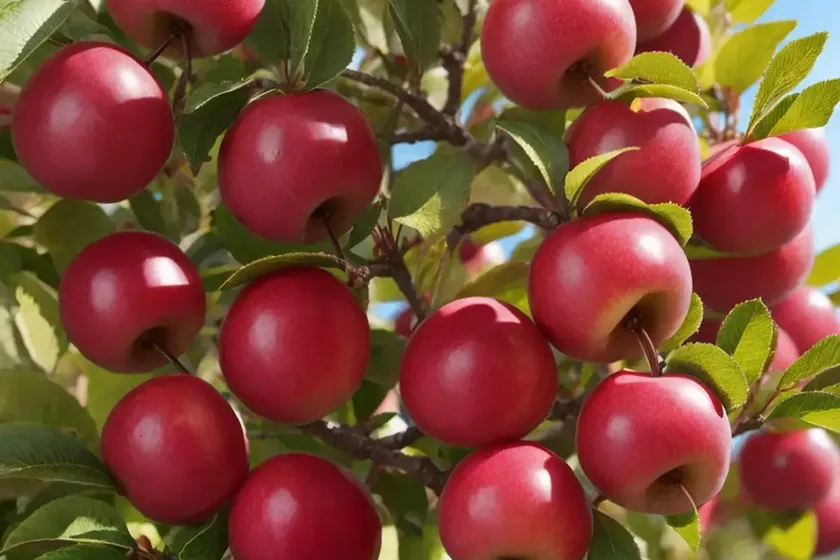
Malus ioensis ‘Plena’, commonly known as Betchel’s Crabapple, is a stunning ornamental tree that belongs to the Rosaceae family. This native tree species is cherished for its fragrant double blooms and beautiful ornamental fruit, making it a popular choice for landscaping and urban greening projects. In this comprehensive guide, we will explore the cultural requirements, uses, maintenance, and benefits of the Malus ioensis ‘Plena’ (Betchel’s Crabapple) to enable plant enthusiasts, landscapers, and gardeners to make the most of this delightful species.
What is Malus ioensis ‘Plena’ (Betchel’s Crabapple)?
Malus ioensis ‘Plena’ is a deciduous flowering crabapple tree that typically reaches a height of 15 to 20 feet and a spread of 15 to 20 feet at maturity. The tree’s most prominent feature is its spectacular double white or pink blossoms that adorn the branches in spring, creating a picturesque display. Additionally, Betchel’s Crabapple produces small, ornamental fruit in the fall, adding further visual and ecological interest. With its multi-season appeal, this ornamental tree is a valuable addition to diverse landscapes, from urban settings to wildlife habitats.
Key Takeaways
Malus ioensis ‘Plena’ (Betchel’s Crabapple)
- Flowering crabapple with fragrant double blooms
- Native tree species ideal for urban and landscape settings
- Showy ornamental fruit and vibrant autumn foliage
- Resilient to urban conditions and low-maintenance
- Attracts pollinators and offers wildlife-friendly habitat
Now, let’s delve deeper into the various aspects of caring for and utilizing Malus ioensis ‘Plena’ in different environments.
Culture
The cultural requirements of Malus ioensis ‘Plena’ play a vital role in its growth, health, and overall visual impact. Understanding these cultural elements is essential for successfully incorporating this species in landscape designs and urban forestry initiatives.
Uses
Ornamental Tree
Malus ioensis ‘Plena’ is primarily valued as an ornamental tree due to its abundant and fragrant spring blossoms, ornamental fruit, and vibrant autumn foliage. It serves as a captivating focal point in gardens, parks, and urban landscapes, contributing to the visual appeal of the surroundings.
Fruit-Bearing Tree
While the fruit of Betchel’s Crabapple is not typically used for culinary purposes, it adds ornamental value and attracts wildlife, especially birds. The small, colorful fruit can be appreciated for its aesthetic contribution to the landscape.
Wildlife Habitat
The tree’s blossoms and fruit provide valuable food sources for birds and pollinators, contributing to the ecological diversity of the area and creating a wildlife-friendly environment.
Water
Water is essential for the establishment and growth of Malus ioensis ‘Plena’. During its initial establishment period, the tree should be watered regularly to ensure that the root system develops robustly. Once established, the tree exhibits good drought tolerance and is well-suited to a range of moisture conditions. Adequate watering during prolonged dry spells or drought periods is advisable to maintain the tree’s vitality and abundance of blooms and fruit.
Sunlight
Malus ioensis ‘Plena’ thrives in full sun to partial shade conditions. It performs best when provided with at least 6 hours of direct sunlight per day, leading to vigorous growth, abundant flowering, and the development of colorful fruit.
Fertilizer
Proper fertilization plays a crucial role in the growth and flowering of Malus ioensis ‘Plena’. A balanced, slow-release fertilizer applied in early spring helps promote healthy foliage, abundant blossoms, and robust fruit development. It’s essential to follow the recommended fertilization guidelines based on soil tests and the tree’s age and overall health.
Soil
Betchel’s Crabapple can adapt to a variety of soil types but thrives in well-drained, slightly acidic soil. It’s important to ensure proper soil drainage to prevent waterlogging, which can lead to root rot. Amending heavy clay soil with organic matter can improve its structure and drainage, creating an optimal growing environment for the tree.
Pruning
Pruning is crucial for maintaining the health, shape, and flowering abundance of Malus ioensis ‘Plena’. Proper pruning practices help remove dead or diseased branches, improve air circulation, and shape the tree for an attractive form. The best time for pruning is in late winter or early spring, before the onset of new growth. This timing minimizes stress on the tree and allows for rapid healing of pruning wounds.
Propagation
Propagation of Malus ioensis ‘Plena’ can be achieved through various methods, including seed propagation, grafting, and budding. However, for the preservation of specific cultivars, grafting and budding are preferred to ensure that the new plants retain the desired characteristics, such as double blooms or vibrant flower colors.
Container Popularity
While Malus ioensis ‘Plena’ is typically grown in open landscapes, its versatility allows it to thrive in large containers or planters, making it a popular choice for urban spaces, patios, and small gardens. When grown in containers, the tree may require more frequent watering and fertilization to support its growth and blooming.
Common Diseases
Disease Diagnosis
Several diseases can affect Malus ioensis ‘Plena’, impacting its overall vigor and visual appeal. Common diseases that may affect crabapple trees include:
- Apple Scab (Venturia inaequalis)
- Cedar-apple Rust (Gymnosporangium juniperi-virginianae)
- Fire Blight (Erwinia amylovora)
- Powdery Mildew (Podosphaera leucotricha)
Early diagnosis and prompt treatment are crucial for managing these diseases and preventing their spread to other trees in the vicinity. Regular inspection and maintenance routines can aid in detecting signs of disease early on, allowing for effective intervention measures.
Common Pests
Malus ioensis ‘Plena’ is susceptible to an array of pests, including aphids, caterpillars, borers, and scale insects. These pests can cause damage to the leaves, bark, and fruit of the tree, affecting its overall health and aesthetic appeal. Implementing integrated pest management strategies, such as natural predators, horticultural oils, and insecticidal soaps, can help mitigate pest infestations and protect the tree from damage.
Botanist’s Tips
- Regular monitoring of the tree for signs of disease, pest infestations, or nutrient deficiencies is essential for maintaining its health and vigor.
- Selecting disease-resistant cultivars and planting them in suitable growing conditions can reduce the tree’s susceptibility to common diseases and pests.
- Avoid overhead watering to minimize the risk of fungal diseases, such as apple scab and powdery mildew, which thrive in moist conditions.
Fun Facts
- The blossoms of Betchel’s Crabapple are often sought after for floral arrangements and wedding decorations due to their fragrance and delicate appearance.
- In addition to attracting birds and pollinators, the tree’s small fruit can also add ornamental value to wreaths and decorative displays during the fall season.
- The vibrant autumn foliage of Malus ioensis ‘Plena’ creates a striking visual display, ranging from golden yellows to fiery reds, adding seasonal interest to the landscape.
Links to External Resources
For additional information about Malus ioensis ‘Plena’ and related topics, please refer to the following external resources:
This resource provides detailed information about various crabapple species, including Malus ioensis ‘Plena’, and valuable insights into their cultivation and characteristics.
The American Crabapple Society offers a wealth of information about different crabapple cultivars, their uses in landscaping, and cultural tips for their successful growth and maintenance.
The Reiman Gardens at the University of Iowa features diverse collections of ornamental trees, including Crabapples, providing experiential learning opportunities and insights into their aesthetic and ecological contributions.
Malus ioensis ‘Plena’, or Betchel’s Crabapple, stands out as a remarkable ornamental tree with its multiple seasons of interest, wildlife-friendly attributes, and cultural adaptability. By considering the key takeaways and tips shared in this guide, individuals and landscape professionals can make informed decisions regarding the cultivation and utilization of this native tree species, contributing to the enhancement of urban and natural environments.
Through its enchanting blossoms, ornamental fruit, and ecological contributions, Malus ioensis ‘Plena’ continues to charm and enrich landscapes, making it a valuable asset in horticulture and urban forestry initiatives.


