Lonicera Albiflora (White Honeysuckle)
White honeysuckle (Lonicera albiflora) is a delightful flowering plant known for its fragrant, tubular flowers and its attractive appearance. This.
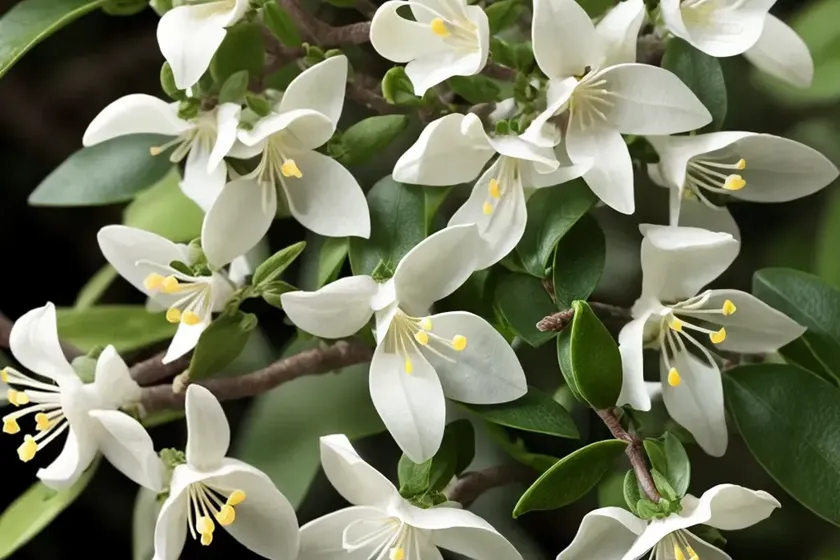
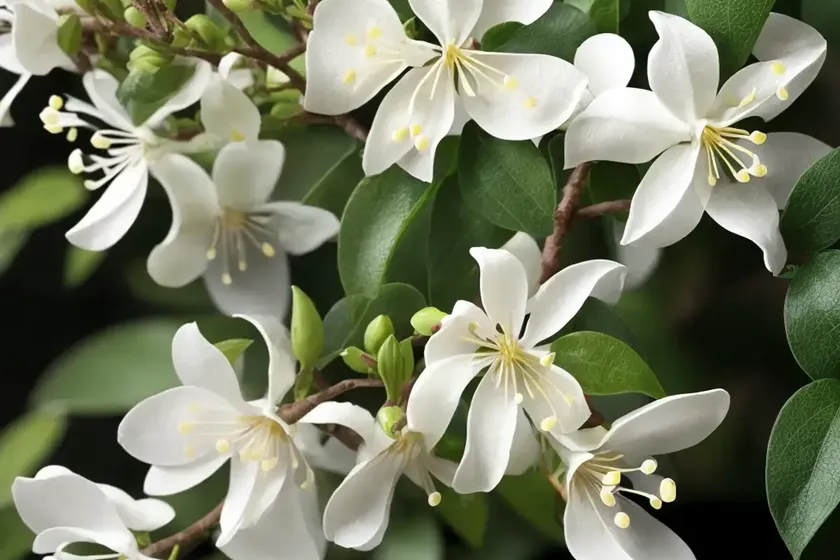
What is Plant :Lonicera albiflora (White Honeysuckle)
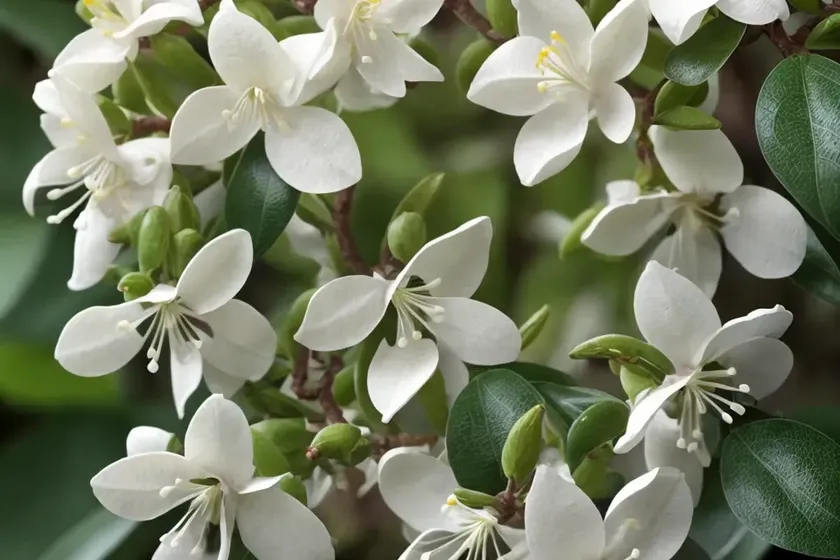
White honeysuckle (Lonicera albiflora) is a delightful flowering plant known for its fragrant, tubular flowers and its attractive appearance. This deciduous, perennial vine belongs to the Caprifoliaceae family and is native to North America, with its habitat spanning from Ontario to the Appalachian region and stretching as far south as Alabama. The plant is often found in woodlands, on stream banks, and in other moist habitats.
Key Takeaways – Lonicera albiflora (White Honeysuckle)
White honeysuckle is a popular choice for gardens and landscaping due to its beautiful floral displays, its sweet fragrance, and the various wildlife it attracts, including hummingbirds and butterflies. Although it is generally easy to care for, understanding its specific needs and characteristics can help ensure it thrives in your garden.
Culture
- Scientific Classification:
- Family: Caprifoliaceae
- Genus: Lonicera
-
Species: L. albiflora
-
Common Names:
- White Honeysuckle
- Western White Honeysuckle
-
Chaparral Honeysuckle
-
Growth Habit: Deciduous twining vine
-
Flower Characteristics:
- Tubular, white, and fragrant
-
Bloom in late spring to early summer
-
Foliage:
- Opposite, ovate to oblong leaves
- Blue-green foliage with a silvery hue
Uses
-
Ornamental: White honeysuckle is primarily grown for its ornamental value, adorning gardens, fences, and trellises with its graceful vines and delicate white flowers.
-
Wildlife Gardening: It attracts hummingbirds, butterflies, and other pollinators, contributing to the biodiversity of the garden.
-
Landscaping: The vine can be used to cover unsightly structures or provide a beautiful backdrop to other garden features.
Water
White honeysuckle generally requires moderate water, especially during the growing season. Ensuring consistent moisture is crucial, particularly during dry spells or when the plant is establishing its roots.
Sunlight
The vine thrives in partial to full sun, making it an excellent addition to sunny or partially shaded garden areas. Providing sufficient light ensures profuse flowering and healthy growth.
Fertilizer
While white honeysuckle is not particularly demanding when it comes to fertilizer, feeding it with a balanced, slow-release fertilizer in spring can promote robust growth and prolific flowering.
Soil
White honeysuckle prefers well-drained, fertile soil. Amending the soil with organic matter, such as compost, can enhance its texture and nutrient content.
Pruning
Pruning is essential for shaping the vine, controlling its size, and promoting flowering. It should be done immediately after the flowering period to avoid trimming off the next season’s blooms.
Propagation
White honeysuckle can be propagated from semi-ripe cuttings taken in mid-summer or by layering in the autumn. Propagation from seed is also possible, but it may not retain the exact traits of the parent plant.
Container Popularity
While primarily grown as a vine, white honeysuckle can thrive in containers as long as they are spacious enough to accommodate its root system and provide a trellis or support for its climbing habit.
Container Common Diseases
The common diseases that affect white honeysuckle include powdery mildew, leaf spot, and aphid infestations. Proper cultural care and maintaining good airflow around the plant can help prevent these issues.
Disease Diagnosis
-
Powdery Mildew: This fungal disease presents as a white, powdery coating on the leaves, leading to stunted growth and distorted foliage.
-
Leaf Spot: Circular or irregular dark spots on the leaves are indicative of this fungal disease, which can cause premature leaf drop.
-
Aphids: These tiny insects often congregate on the undersides of the leaves, sucking sap and causing deformities.
Common Pests
Apart from aphids, white honeysuckle may also attract spider mites, scales, and occasional caterpillar damage. Regular monitoring and prompt intervention can help manage these pest issues.
Botanist’s Tips
-
Ensure proper support for the vine to climb, allowing it to display its natural form and maximize flowering.
-
Pruning should be done thoughtfully to maintain the plant’s vigor and shape while preserving its natural beauty.
-
Regular monitoring for pests and diseases is essential to address any issues promptly and maintain the plant’s health.
Fun Facts
-
White honeysuckle is known for its sweet, enticing fragrance, which makes it a delightful addition to gardens and outdoor spaces.
-
The species name “albiflora” is derived from Latin, with “albi” meaning “white” and “flora” referring to the flowers, perfectly describing the appearance of this plant.
Now that we have explored the cultural and care aspects of Lonicera albiflora, let’s delve deeper into its growth characteristics, landscape uses, and the habitat it thrives in.
Continued in next comment…