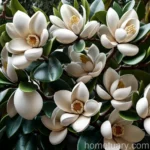
Everything You Need to Know About Magnolia denudata ‘Yellow River’ (Yulan Magnolia)
Magnolia denudata ‘Yellow River’, commonly known as Yulan Magnolia, is a stunning flowering tree that holds cultural significance in many regions. This article will provide a comprehensive guide to understanding this beautiful plant, including its description, characteristics, care tips, planting guide, maintenance, and much more. Whether you are a plant enthusiast, a landscaper, or a nature lover, the Yulan Magnolia is sure to captivate your interest.
What is Magnolia denudata ‘Yellow River’ (Yulan Magnolia)?
Magnolia denudata ‘Yellow River’, a member of the Magnoliaceae family, is a deciduous tree that is native to China. It is celebrated for its vibrant yellow flowers and elegant appearance, making it a popular choice for gardens, parks, and landscapes. The Yulan Magnolia is known for its cultural and historical importance in various traditions and is revered for its ornamental value. The following sections will delve into the specific details about this remarkable plant, its care requirements, landscape uses, and much more.
Magnolia denudata ‘Yellow River’ Description
The Magnolia denudata ‘Yellow River’ is characterized by its distinctive features, which include:
- Flower Color: Vivid yellow
- Leaf Shape: Oblong, pointed
- Habit: Deciduous tree
- Fragrance: Sweet, citrusy
- Mature Height: 30-40 feet
- Bloom Time: Late spring to early summer
- Hardiness Zone: 6-9
This species of Magnolia is known for its striking display of yellow flowers, which creates a captivating sight during the blooming season. The aromatic scent of the flowers adds to its appeal, making it a delightful addition to any garden or landscape.
Yulan Magnolia Characteristics
The Yulan Magnolia possesses several distinctive characteristics that contribute to its allure and appeal:
- Fragrant Flowers: The flowers emit a lovely, sweet fragrance that adds to the sensory experience.
- Attractive Foliage: The oblong, pointed leaves of the Yulan Magnolia are a deep green, complementing the vibrant yellow flowers.
- Ornamental Value: Due to its beautiful flowers and foliage, the Yulan Magnolia is highly valued for its ornamental qualities, adding aesthetic charm to any environment.
- Cultural Significance: This plant holds cultural and historical significance, particularly in Chinese culture, where it is associated with purity and nobility.
Magnolia denudata ‘Yellow River’ Care Tips
To ensure the optimal growth and development of Magnolia denudata ‘Yellow River’, certain care tips should be followed. These include:
Water
- Watering Frequency: Regular watering, especially during dry spells, is essential to maintain soil moisture and promote healthy growth.
- Avoid Waterlogging: While adequate moisture is crucial, it is equally important to prevent waterlogging, which can lead to root rot and other issues.
Sunlight
- Sun Exposure: The Yulan Magnolia thrives in full sun to partial shade. It is essential to provide the plant with adequate sunlight to support robust growth and abundant flowering.
Fertilizer
- Fertilization Schedule: Application of a balanced, slow-release fertilizer in early spring can provide the necessary nutrients for healthy growth and vibrant blooms.
Soil
- Well-Draining Soil: The Yulan Magnolia prefers well-draining, slightly acidic soil. Amending the soil with organic matter can enhance its texture and fertility.
Pruning
- Pruning Techniques: Minimal pruning is recommended, primarily for shaping and removing any dead or damaged branches. Pruning should be done after the flowering season to avoid disrupting the next year’s blooms.
Propagation
- Propagation Methods: The Yulan Magnolia can be propagated through seeds or by taking semi-hardwood cuttings in late summer.
Container Popularity
- Container Gardening: While Yulan Magnolia is primarily grown in gardens and landscapes, it can also thrive in large containers, providing an opportunity for balcony or patio gardening.
Yulan Magnolia Planting Guide
When it comes to planting the Magnolia denudata ‘Yellow River’, certain guidelines can ensure successful establishment and growth:
- Planting Time: Early spring or late fall are ideal times for planting to allow the roots to establish before the extreme temperatures of summer or winter.
- Hole Preparation: Dig a hole twice as wide as the root ball and at the same depth. Amending the backfill with organic matter can further enhance the soil quality.
- Mulching: Apply a layer of organic mulch around the base of the tree to conserve moisture and suppress weed growth.
Magnolia denudata ‘Yellow River’ Maintenance
To maintain the health and vitality of the Yulan Magnolia, regular maintenance practices should be followed:
- Mulching: Renew the mulch layer annually to maintain adequate moisture levels and protect the roots.
- Watering: Monitor soil moisture regularly and adjust the watering frequency based on weather conditions.
- Fertilization: Annual fertilization in early spring can support healthy growth and flowering.
- Pest and Disease Management: Regular inspection for pests and diseases is crucial, and timely interventions, if necessary, can prevent any potential damage.
Yulan Magnolia Growth Habit
Understanding the growth habit of the Yulan Magnolia provides insights into its development and structure:
- Vigorous Growth: The Yulan Magnolia exhibits vigorous growth, particularly in the early years after planting.
- Upright Form: Its upright form and spreading canopy make it an excellent choice as a shade tree or focal point in the landscape.
- Seasonal Changes: The deciduous nature of the plant results in seasonal changes, with vibrant blooms in spring and a display of attractive foliage through the summer and fall.
Magnolia denudata ‘Yellow River’ Pruning
Pruning is an essential aspect of maintaining the desired form and health of the Yulan Magnolia. Proper pruning techniques include:
- Removing Deadwood: Regular removal of dead or damaged branches is necessary to promote overall health and appearance.
- Shaping: Minimal shaping can be done after the flowering season to maintain an attractive form and structure.
- Avoiding Heavy Pruning: Excessive pruning should be avoided, as it can compromise the next year’s flowering.
Yulan Magnolia Flowering Season
The Yulan Magnolia is celebrated for its spectacular flowering season, which offers a remarkable display of color and fragrance:
- Bloom Time: Late spring to early summer
- Abundant Flowers: The tree produces an abundance of vibrant yellow flowers, creating a striking visual impact.
- Fragrance: The flowers emit a sweet, citrusy fragrance that adds to the sensory delight of the blooming season.
Magnolia denudata ‘Yellow River’ Soil Requirements
Understanding the soil requirements for the Yulan Magnolia is essential for ensuring its optimal growth and development:
- Well-Draining Soil: The Yulan Magnolia thrives in well-draining soil to prevent waterlogging and root-related issues.
- Acidic pH: Slightly acidic soil with a pH range of 5.5-6.5 is preferred, and amending the soil with organic matter can help maintain the proper pH levels.
Yulan Magnolia Sun Exposure
Proper sun exposure is critical for the growth, flowering, and overall health of the Yulan Magnolia:
- Full Sun to Partial Shade: The plant thrives in full sun to partial shade and should be planted in a location that receives adequate sunlight for optimal growth and flowering.
Magnolia denudata ‘Yellow River’ Water Needs
Meeting the water requirements of the Yulan Magnolia is essential for its overall health and vitality:
- Regular Watering: Adequate and consistent watering, particularly during dry spells or periods of drought, is necessary to maintain soil moisture and support healthy growth.
- Avoid Water Stress: Consistent moisture levels should be maintained, and waterlogging should be avoided to prevent root-related issues.
Yulan Magnolia Disease Resistance
The Yulan Magnolia exhibits good resistance to common diseases and pests, contributing to its overall resilience:
- Disease Resistance: The plant is relatively resistant to most diseases under favorable growing conditions, particularly when proper cultural practices are followed.
- Pest Resilience: While occasional pest issues may arise, the Yulan Magnolia generally displays resilience to common pests.
Magnolia denudata ‘Yellow River’ Landscaping Ideas
The Yulan Magnolia is a versatile and visually appealing plant that can be incorporated into various landscaping ideas:
- Specimen Tree: Its striking appearance and flowering display make it an excellent choice as a standalone specimen tree in gardens and landscapes.
- Mixed Borders: Planted alongside other shrubs and perennials, the Yulan Magnolia adds height, color, and visual interest to mixed borders and garden beds.
- Accent Planting: Placing the Yulan Magnolia near patios, walkways, or entrances can create a captivating focal point and enhance the overall landscape aesthetics.
Yulan Magnolia Companion Plants
Choosing suitable companion plants can complement the beauty of the Yulan Magnolia while creating harmonious plant combinations:
- Spring Bulbs: Planting early spring bulbs such as daffodils and tulips around the base of the Yulan Magnolia can create a stunning display of spring color.
- Evergreen Shrubs: Companion evergreen shrubs, such as boxwood or pieris, can provide year-round interest and contrast with the deciduous nature of the Yulan Magnolia.
Magnolia denudata ‘Yellow River’ Pollination
The pollination process is integral to the formation of fruit and seeds in the Yulan Magnolia:
- Insect-Pollinated: The flowers of the Yulan Magnolia are primarily pollinated by insects, particularly beetles, which are attracted to the fragrant blooms.
- Seed Formation: Successful pollination leads to the formation of cone-like fruits that contain seeds, contributing to the plant’s reproductive cycle.
Yulan Magnolia Fruit Production
The Yulan Magnolia produces cone-like fruits following successful pollination, adding a unique dimension to its ornamental value:
- Cone-like Fruits: The fruits of the Yulan Magnolia are cone-shaped and contain seeds, adding visual interest after the blooming season.
- Ornamental Appeal: While not typically consumed by humans, the fruits contribute to the overall ornamental appeal of the tree.
Magnolia denudata ‘Yellow River’ Leaf Color
The foliage of the Yulan Magnolia offers visual interest and adds to the plant’s overall appeal:
- Deep Green Leaves: The oblong, pointed leaves of the Yulan Magnolia are a rich, deep green color, providing an attractive backdrop for the vibrant yellow flowers.
- Seasonal Changes: The foliage undergoes seasonal changes, particularly in the fall when it may exhibit a transition in color before leaf drop.
Yulan Magnolia Winter Hardiness
Understanding the winter hardiness of the Yulan Magnolia is essential for selecting suitable planting locations and ensuring its survival in colder climates:
- Hardiness Zone: The Yulan Magnolia is generally hardy in USDA zones 6-9, making it suitable for a range of temperate climates.
- Protection in Cold Weather: While established plants can withstand moderate cold, providing protection during extreme cold spells can prevent damage to the foliage and buds.
Magnolia denudata ‘Yellow River’ Container Gardening
While the Yulan Magnolia is commonly grown in gardens and landscapes, it can also thrive in container settings:
- Container Size: Selecting a large container with adequate drainage is essential to accommodate the tree’s root system and provide stability.
- Soil Requirements: Well-draining potting mix is crucial for container-grown Yulan Magnolia to ensure proper moisture levels and root health.
Yulan Magnolia Adaptability
The adaptability of the Yulan Magnolia to varying environmental conditions contributes to its versatility and widespread cultivation:
- Environmental Tolerance: The Yulan Magnolia exhibits adaptability to different soil types, provided they are well-draining, and can thrive in varying sun exposure conditions.
- Urban Landscapes: With proper care, the Yulan Magnolia can adapt to urban environments, making it a valuable addition to city landscapes and gardens.
Magnolia denudata ‘Yellow River’ Wildlife Benefits
Understanding the potential wildlife benefits of the Yulan Magnolia sheds light on its ecological value:
- Pollinator Attraction: The fragrant flowers of the Yulan Magnolia attract pollinators, such as bees and beetles, contributing to local ecosystems.
- Wildlife Habitat: The structure of the tree and the shelter it provides can create habitat opportunities for small birds and other wildlife species.
Yulan Magnolia Fragrance
The delightful fragrance of the Yulan Magnolia contributes to its sensory appeal and overall allure:
- Sweet, Citrusy Scent: The flowers emit a sweet, citrusy fragrance that enhances the sensory experience during the blooming season.
- Aromatic Impact: The fragrance of the Yulan Magnolia adds an aromatic dimension to garden and landscape settings, creating a delightful ambiance.
Magnolia denudata ‘Yellow River’ Root System
Understanding the root system of the Yulan Magnolia is essential for proper planting and management practices:
- Fibrous Roots: The Yulan Magnolia forms a fibrous root system that spreads laterally to seek nutrients and moisture from the surrounding soil.
- Root Depth: While the roots are relatively shallow, providing adequate space for root development is crucial for healthy growth and stability.
Yulan Magnolia Leaf Drop
The seasonal leaf drop of the Yulan Magnolia is a natural process that offers insights into its growth cycle:
- Deciduous Nature: As a deciduous tree, the Yulan Magnolia undergoes leaf drop in the fall, signaling the transition into dormancy.
- Leaf Renewal: The leaf drop is followed by new foliage growth in the spring, marking the beginning of a new growth cycle.
Magnolia denudata ‘Yellow River’ Propagation Methods
The propagation methods of the Yulan Magnolia offer opportunities for expanding its presence in gardens and landscapes:
- Seed Propagation: Propagating from seeds is one method of introducing new Yulan Magnolia plants, though it may take several years for them to reach maturity and flowering.
- Semi-Hardwood Cuttings: Taking semi-hardwood cuttings in late summer can provide a more expeditious method of propagation, resulting in plants with genetic consistency.
Yulan Magnolia pH Tolerance
Understanding the pH tolerance of the Yulan Magnolia is crucial for providing suitable growing conditions:
- Slightly Acidic Soil: The Yulan Magnolia prefers slightly acidic soil with a pH range of 5.5-6.5, as it facilitates nutrient uptake and supports healthy growth.
Magnolia denudata ‘Yellow River’ Landscape Uses
The Yulan Magnolia offers various landscape uses, adding value and visual appeal to diverse settings:
- Residential Gardens: Planting the Yulan Magnolia in residential gardens adds a touch of elegance and beauty, particularly when in bloom.
- Public Parks: Its ornamental value makes it a popular choice for enhancing the aesthetics of public parks and green spaces.
- Commercial Landscapes: The Yulan Magnolia can serve as an eye-catching feature in commercial landscapes, such as corporate campuses and shopping centers.
Yulan Magnolia Foliage Density
The foliage density of the Yulan Magnolia contributes to its aesthetic appeal and functional benefits:
- Moderate Density: The foliage of the Yulan Magnolia exhibits a moderate density, offering an attractive canopy and providing partial shade in the landscape.
- Seasonal Changes: While deciduous, the foliage density remains adequate throughout the growing season, offering visual interest and functional benefits.
Magnolia denudata ‘Yellow River’ Natural Habitat
Understanding the natural habitat of the Yulan Magnolia offers insights into its native environment and ecological interactions:
- Geographical Range: The Yulan Magnolia is native to parts of China, particularly in regions with suitable growing conditions and temperate climates.
- Woodland Settings: Within its natural habitat, the Yulan Magnolia may often be found in woodland settings with well-draining soil and adequate moisture.
Yulan Magnolia Pruning Techniques
Adopting proper pruning techniques is essential for maintaining the health and appearance of the Yulan Magnolia:
- Minimal Pruning: Minimal pruning is recommended, primarily for removing dead or damaged branches and maintaining a balanced form.
- Post-Flowering Pruning: Pruning after the flowering season helps preserve the next year’s blooms and encourages healthy growth.
Magnolia denudata ‘Yellow River’ Hardiness Zone
Understanding the hardiness zone of the Yulan Magnolia is essential for selecting suitable planting locations and ensuring its resilience:
- USDA Zones: The Yulan Magnolia is generally hardy in USDA zones 6-9, making it well-suited for a range of temperate climates.
Yulan Magnolia Transplanting Tips
When transplanting the Yulan Magnolia, certain tips can ensure minimal stress and successful establishment:
- Timing: Transplanting is best done during the plant’s dormant season to minimize stress and encourage root establishment.
- Soil Preparation: Amending the new planting site with organic matter and providing adequate water after transplanting can promote successful establishment.
Magnolia denudata ‘Yellow River’ Pest Management
While the Yulan Magnolia is relatively resilient to pests, certain management practices can help prevent potential issues:
- Regular Inspection: Routinely inspecting the plant for pests, such as scale insects or aphids, can aid in early detection and intervention if necessary.
- Cultural Practices: Implementing proper cultural practices, including adequate watering and fertilization, can promote overall plant health and resilience to pests.
Yulan Magnolia Bark Texture
The bark texture of the Yulan Magnolia offers visual interest and adds to its overall appeal:
- Smooth Bark: The bark of the Yulan Magnolia is generally smooth in texture, with a silvery-gray hue that provides an attractive visual contrast to the foliage and flowers.
Magnolia denudata ‘Yellow River’ Drought Tolerance
While the Yulan Magnolia benefits from regular watering, it also exhibits a degree of drought tolerance under certain conditions:
- Established Plants: Established Yulan Magnolia plants can exhibit some level of drought tolerance, particularly when grown in well-draining soil.
- Dry Period Management: During extended dry periods, supplemental watering is beneficial to support the plant’s overall health and vitality.
Yulan Magnolia Leaf Shape
The leaf shape of the Yulan Magnolia is an important characteristic of its appearance and botanical identity:
- Oblong, Pointed Leaves: The leaves of the Yulan Magnolia are oblong in shape with pointed tips, creating an elegant and distinctive foliage display.
Magnolia denudata ‘Yellow River’ Unique Features
The Yulan Magnolia possesses unique features that set it apart and contribute to its desirability in garden and landscape settings:
- Vibrant Flower Color: The striking yellow flowers of the Yulan Magnolia create a captivating visual impact, particularly during the blooming season.
- Cultural Significance: With historical and cultural significance in various traditions, the Yulan Magnolia holds a special place as a symbol of purity and beauty.
Yulan Magnolia Flower Symbolism
The flowers of the Yulan Magnolia hold symbolic significance in different cultural contexts:
- **