Malus X Zumi ‘Golden Hornet’ (Crabapple)
Malus x zumi ‘Golden Hornet’ is a popular crabapple cultivar renowned for its ornamental and practical uses in landscaping. Its stunning spring blossoms.
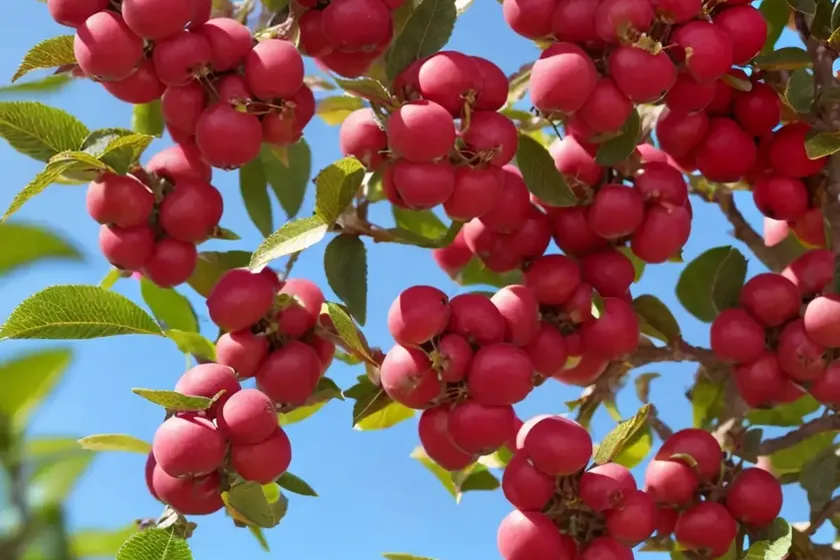
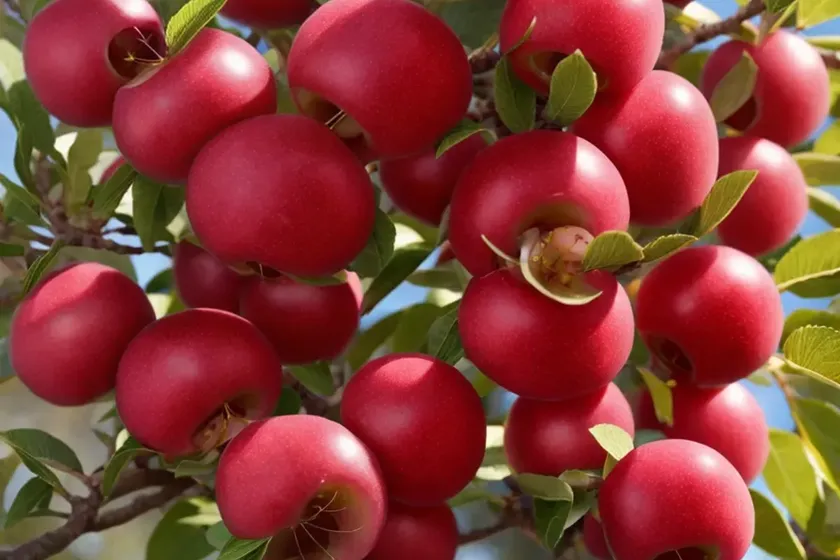
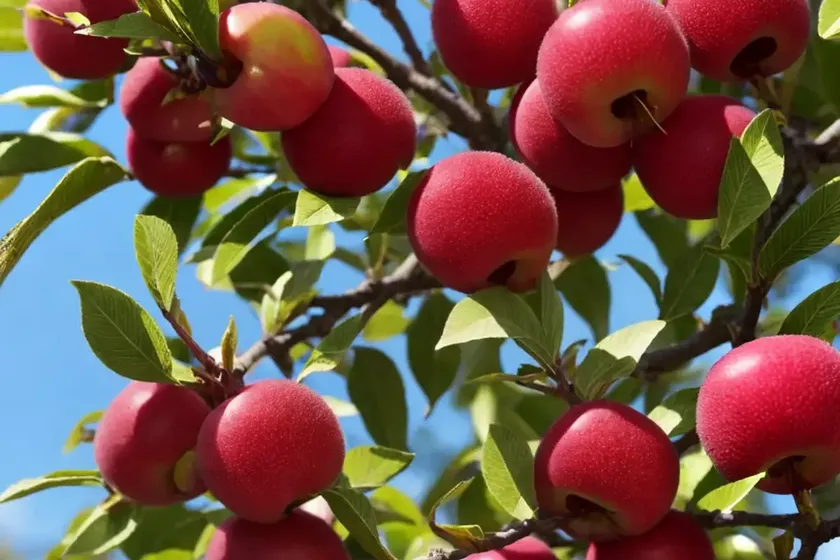
Malus x zumi ‘Golden Hornet’ is a popular crabapple cultivar renowned for its ornamental and practical uses in landscaping. Its stunning spring blossoms, attractive fruit, and wildlife benefits make it a valuable addition to gardens and urban environments. In this comprehensive guide, we will delve into the characteristics, uses, care requirements, propagation methods, and common issues associated with Malus x zumi ‘Golden Hornet’, providing valuable insights for both novice and experienced gardeners.
What is Malus x zumi ‘Golden Hornet’?
Malus x zumi ‘Golden Hornet’ is a cultivar of the crabapple tree species, scientifically classified as Malus x zumi. The genus Malus encompasses a diverse range of deciduous trees and shrubs known for their attractive flowers and fruit. Crucially, crabapples are distinct from regular apples, primarily due to their smaller and often sour-tasting fruit.
‘Golden Hornet’ is celebrated for its abundant clusters of white flowers in spring, which give way to vibrant, persistent yellow fruit. Beyond its visual appeal, this cultivar plays a vital ecological role, attracting pollinators and providing nourishment for wildlife. Its adaptability to various soil types and climates further enhances its desirability for landscape design and urban green spaces.
Key Takeaways – Malus x zumi ‘Golden Hornet’
Characteristics
- Compact, dense, rounded form
- White spring blossoms
- Yellow fruit
- Wildlife attraction
- Ornamental additions to landscapes
- Hardy in various climates
Uses
- Ornamental tree in gardens, parks, and urban landscapes
- Wildlife support
- Pollinator-friendly
- Fruit production (limited culinary uses)
Planting Tips
- Choose well-drained soil
- Consider full to partial sunlight
- Ideal for solitary or group plantings
Care Guide
- Regular watering in the initial growth phase
- Minimal pruning for shape
- Fertilization for enhanced growth
Diseases and Pests
- Susceptible to apple scab, fire blight, and cedar-apple rust
- Vulnerable to aphids, caterpillars, and scale insects
Landscape Uses
- Adds visual interest in spring and fall
- Attracts birds and bees
- Suitable for mixed borders and native gardens
Pruning Techniques
- Minimal pruning for shaping and removing deadwood
- Best performed in late winter or early spring
Growth Habit
- Slow to moderate growth rate
- Compact, rounded form
- Generally reaches 15-20 feet in height and width
Now that we have an overview of the key aspects related to Malus x zumi ‘Golden Hornet’, let’s explore each of these facets in greater detail.
Culture
The culture of Malus x zumi ‘Golden Hornet’ encompasses its behavioral patterns, development, and adaptation to changing environmental conditions. Understanding the cultural requirements of this cultivar is vital for its successful growth and optimal performance in landscapes.
-
Behavior and Development: Malus x zumi ‘Golden Hornet’ exhibits a compact, rounded growth habit, maturing to a height and width of 15-20 feet. Its slow to moderate growth rate necessitates minimal pruning to maintain a well-shaped form.
-
Environmental Adaptation: This cultivar thrives in various soil types, although it performs best in well-drained soil. It is adaptable to different pH levels and exhibits tolerance to urban pollution, making it suitable for city landscapes.
-
Seasonal Characteristics: The spring blossoms and autumn fruit are defining features of ‘Golden Hornet’. The fruit persists through winter, providing visual interest and nourishment for wildlife.
Uses
Ornamental Tree
Malus x zumi ‘Golden Hornet’ serves as an enchanting ornamental tree, elevating the aesthetic appeal of gardens, parks, and urban landscapes. Its profuse white blossoms in spring and golden fruit in autumn offer multi-seasonal visual interest.
Wildlife Support
The fruit of ‘Golden Hornet’ acts as a valuable food source for birds and small mammals, contributing to the local ecosystem’s vitality. Furthermore, the blossoms attract bees and other pollinators, promoting biodiversity and ecological balance.
Pollinator-Friendly
The nectar-rich blossoms of ‘Golden Hornet’ entice a myriad of pollinators, thereby supporting the pollination of neighboring plants. This cultivar plays a vital role in sustaining local flora and fauna populations.
Limited Culinary Uses
While the fruit of ‘Golden Hornet’ is edible, its sour flavor diminishes its culinary appeal. However, it can be used to produce jams and jellies, adding a touch of novelty to the culinary repertoire.
Water
Understanding the water needs of Malus x zumi ‘Golden Hornet’ is critical for ensuring its healthy growth and sustained vitality. Proper irrigation practices are instrumental in preventing moisture-related stress and enhancing the cultivar’s overall resilience.
-
Establishment Phase: During the initial two years following planting, consistent watering is essential to facilitate robust root development. Weekly deep watering sessions are recommended, ensuring that the root zone receives ample moisture.
-
Mature Trees: Once established, ‘Golden Hornet’ demonstrates increased drought tolerance. While it can withstand periods of moderate drought, supplemental watering during extended dry spells is beneficial for preserving its vigor and fruit production.
-
Overwatering Caution: While adequate moisture is essential, overwatering should be avoided, as it can lead to root rot and other waterlogging-related issues. Adjust the frequency of watering based on the prevailing climate and soil drainage.
Sunlight
Sunlight plays a pivotal role in the growth, flowering, and fruiting of Malus x zumi ‘Golden Hornet’. Understanding the sunlight requirements of this cultivar is indispensable for optimizing its performance in diverse landscape settings.
-
Full Sun Preference: ‘Golden Hornet’ thrives in full sunlight, receiving a minimum of six hours of direct sunlight daily. Ample sunlight exposure promotes vigorous growth, abundant flowering, and consistent fruit production.
-
Partial Sun Tolerance: While full sun is optimal, ‘Golden Hornet’ can tolerate partial shade, particularly in regions with intense afternoon sun. However, prolonged or dense shade may compromise its flowering and fruiting capabilities.
-
Shading Concerns: Avoid planting ‘Golden Hornet’ in the shadow of tall structures or trees, as this can inhibit its access to adequate sunlight, impeding its overall health and ornamental value.
Fertilizer
Supplemental fertilization can bolster the growth, vigor, and ornamental appeal of Malus x zumi ‘Golden Hornet’. Adhering to a well-structured fertilization regimen is instrumental in sustaining the cultivar’s long-term health and overall performance.
-
Timing: The application of fertilizer is best carried out in early spring, prior to the commencement of active growth. This timing aligns with the cultivar’s inherent nutrient demands, enhancing the uptake and utilization of applied fertilizers.
-
Fertilizer Type: Utilize a balanced, slow-release fertilizer to provide ‘Golden Hornet’ with a steady supply of essential nutrients. Select a formulation with a nitrogen-phosphorus-potassium (N-P-K) ratio tailored to favor flowering and fruiting.
-
Application Technique: Broadcast the fertilizer evenly within the drip line of the tree, fostering uniform nutrient distribution across the root zone. Avoid direct contact between the fertilizer and the trunk to prevent potential damage.
Soil
The soil requirements of Malus x zumi ‘Golden Hornet’ influence its root development, nutrient uptake, and overall vitality. Ensuring that the cultivar is planted in suitable soil conditions is critical for laying a strong foundation for its long-term growth and prosperity.
-
Drainage Considerations: Well-drained soil is paramount for ‘Golden Hornet’s’ health, as excessive soil moisture can lead to root rot and other detrimental conditions. Avoid waterlogged or compacted soil to prevent adverse effects on root function.
-
pH Range: This cultivar demonstrates adaptability to a broad pH range, encompassing slightly acidic to slightly alkaline soils. A pH level within the 6.0-7.5 range is generally conducive to its growth and nutrient assimilation.
-
Soil Amendments: Incorporating organic matter such as compost or well-rotted manure into the planting site augments soil structure and fertility, providing a supportive environment for the establishment and subsequent growth of ‘Golden Hornet’.
Pruning
Pruning plays a pivotal role in shaping the form, maximizing flowering, and managing deadwood in Malus x zumi ‘Golden Hornet’. Employing appropriate pruning techniques is instrumental in preserving the cultivar’s aesthetic appeal and overall health.
-
Minimal Pruning: ‘Golden Hornet’ necessitates minimal pruning, predominantly for structural enhancement and the removal of damaged or diseased branches. Excessive pruning can curtail flowering and compromise fruit production.
-
Annual Pruning Inspection: Conduct an annual assessment of the tree’s canopy to identify any dead, crossing, or inward-growing branches. Promptly removing these anomalies fosters a balanced and open growth habit.
-
Pruning Timing: Pruning activities are best conducted in late winter or early spring before new growth emerges. This timing minimizes the risk of disease transmission and aligns with the cultivar’s natural growth cycle.
Propagation
Propagating Malus x zumi ‘Golden Hornet’ allows for the expansion of its presence in diverse landscapes and facilitates the preservation of treasured cultivars. Grafting and seeding represent the principal methods for producing new ‘Golden Hornet’ specimens.
-
Grafting: Employ a suitable rootstock as the foundation for grafting a ‘Golden Hornet’ scion, ensuring compatibility and optimal growth performance. The graft union should be securely bound to promote successful integration.
-
Seeding: Collect mature ‘Golden Hornet’ seeds from existing fruit, stratifying them to stimulate germination. Once germinated, transfer the seedlings to individual containers, enabling their subsequent growth and establishment.
-
Vigilant Observation: Monitor the progress of propagated ‘Golden Hornet’ specimens, offering them appropriate care and protection to facilitate their successful acclimatization and sustained development.
Container Popularity
While ‘Golden Hornet’ is primarily cultivated in traditional ground settings, the use of containers offers an alternative approach to featuring this cultivar in urban and constrained landscapes. Container cultivation provides flexibility and versatility in incorporating ‘Golden Hornet’ into diverse environments.
-
Space-Efficient Solution: Container planting allows for the introduction of ‘Golden Hornet’ into small gardens, patios, and urban settings where space is limited. Its compact growth habit further supports its suitability for container cultivation.
-
Aesthetic Versatility: Containers enable ‘Golden Hornet’ to be showcased on decks, terraces, and entryways, enhancing the visual appeal of these spaces with its vibrant flowering and fruiting display.
-
Prolonged Flexibility: Containers provide the option to relocate ‘Golden Hornet’ as needed, allowing for dynamic landscape compositions and the facilitation of its seasonal care requirements.
Common Diseases
Malus x zumi ‘Golden Hornet’ is susceptible to several diseases that can compromise its health and ornamental value. Recognizing the symptoms and implementing targeted management strategies are essential for mitigating the impact of these common diseases.
Apple Scab (Venturia inaequalis)
Symptoms: Olive-green lesions on leaves and fruit, leading to premature leaf drop and deformed fruit.
Management: Apply fungicidal sprays and maintain proper sanitation to minimize disease spread.
Fire Blight (Erwinia amylovora)
Symptoms: Wilting, blackened shoots and blossoms, resembling a fire-scorched appearance.
Management: Prune infected branches, disinfecting tools between cuts, and implement preventative antibacterial sprays.
Cedar-Apple Rust (Gymnosporangium juniperi-virginianae)
Symptoms: Circular, rust-colored spots on leaves and fruit, often accompanied by twig dieback.
Management: Employ resistant cultivars and administer fungicidal treatments to limit disease proliferation.
Disease Diagnosis
Accurate diagnosis of diseases affecting Malus x zumi ‘Golden Hornet’ is integral to implementing targeted management measures. Characterizing symptoms and understanding disease progression aid in selecting appropriate intervention strategies.
Identifying the causal agent behind symptomatic changes is pivotal for effective disease management. Consulting with experienced arborists and utilizing diagnostic laboratories can provide valuable insights into the specific disease factors at play.
Common Pests
Several insect pests pose potential threats to Malus x zumi ‘Golden Hornet’, exerting detrimental effects on foliage, flowers, and fruit. Employing integrated pest management practices enables the effective control of these common pests.
Aphids (Aphidoidea)
Signs: Colonies of small, soft-bodied insects on tender plant parts, accompanied by honeydew secretion.
Control: Implement biological controls, such as natural predators and parasitic wasps, along with targeted insecticidal treatments.
Caterpillars (Lepidoptera larvae)
Signs: Leaf defoliation, webbing, and frass deposits, indicating the presence of feeding caterpillars.
Control: Handpick caterpillars, deploy pheromone traps, and apply Bacillus thuringiensis (Bt) to manage infestations.
Scale Insects (Coccoidea)
Signs: Sticky honeydew secretion, sooty mold growth, and characteristic scale coverings on branches and leaves.
Control: Utilize horticultural oils, systemic insecticides, and predatory insects to suppress scale populations.
Botanist’s Tips
As a seasoned botanist, I offer the following expert tips for optimal care and cultivation of Malus x zumi ‘Golden Hornet’:
- Regularly monitor the cultivar for signs of disease and pest activity, intervening promptly to prevent widespread infestations and infections.
- Supplemental watering during periods of extended drought is crucial for sustaining ‘Golden Hornet’s’ health and promoting consistent fruit production.
- Implement selective pruning to maintain an open, well-ventilated canopy, fostering ample sunlight penetration and air circulation.
Fun Facts
- The genus name “Malus” is derived from the Latin term for apple, underscoring the historical significance and cultural reverence accorded to these fruit-bearing trees.
- ‘Golden Hornet’ is an offspring of Malus baccata, a species native to East Asia, showcasing the diverse genetic background of this cultivar.
- In traditional folklore, crabapples were associated with symbolism representing love, fertility, and protection, imbuing ‘Golden Hornet’ with a rich cultural heritage.
Links to External Resources
For additional information and resources on Malus x zumi ‘Golden Hornet’, I recommend visiting the following authoritative websites:
- Royal Horticultural Society (RHS) – Malus x zumi ‘Golden Hornet’
- Missouri Botanical Garden – Malus x zumi ‘Golden Hornet’
- University of Georgia Extension – Deciduous Ornamental Trees for Georgia Landscapes
In conclusion, Malus x zumi ‘Golden Hornet’ stands as a captivating and versatile addition to diverse landscapes, compellingly blending ornamental allure with ecological significance. By adhering to the provided insights and recommendations, enthusiasts can cultivate and appreciate the enduring beauty and ecological contributions of this esteemed crabapple cultivar.
References:
1. Royal Horticultural Society (RHS) – Malus x zumi ‘Golden Hornet’. Available at: https://www.rhs.org.uk/Plants/79820/i-Malus-i-ck-zumi-Golden-Hornet/Details
2. Missouri Botanical Garden – Malus x zumi ‘Golden Hornet’. Available at: https://www.missouribotanicalgarden.org/PlantFinder/PlantFinderDetails.aspx?taxonid=272294
3. University of Georgia Extension – Deciduous Ornamental Trees for Georgia Landscapes. Available at: https://extension.uga.edu/publications/detail.html?number=B794


