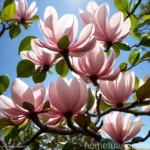
Magnolia denudata ‘Forrest’s Pink’ (Yulan Magnolia)
In the world of horticulture, Magnolia denudata ‘Forrest’s Pink’ or Yulan Magnolia stands out as a botanical gem. Its delicate pink blossoms and graceful stature have made it a favorite among garden enthusiasts and landscape architects. This blog post aims to provide a comprehensive guide to understanding and cultivating this magnificent plant, covering everything from its cultural requirements and uses to common diseases and pest control. Whether you are a seasoned gardener or a novice plant enthusiast, this article will equip you with the knowledge to successfully grow and care for the Yulan Magnolia.
What is Magnolia denudata ‘Forrest’s Pink’?
Magnolia denudata ‘Forrest’s Pink,’ commonly known as Yulan Magnolia, is a deciduous flowering tree that belongs to the Magnoliaceae family. Originating from China, this species is renowned for its elegant and fragrant flowers, which typically appear in early spring before the emergence of its glossy green foliage. The Yulan Magnolia is highly valued for its ornamental appeal and has been cultivated for centuries in traditional Chinese gardens.
The distinctive features of Magnolia denudata ‘Forrest’s Pink’ include its large, cup-shaped flowers with a soft pink hue, and a strong, sweet fragrance that fills the air. The blooms are often a welcoming sight after long winter months, signaling the arrival of spring with their ethereal beauty.
Key Takeaways – Magnolia denudata ‘Forrest’s Pink’ (Yulan Magnolia)
Before delving into the specific requirements for cultivating and maintaining the Yulan Magnolia, let’s highlight some key takeaways about this remarkable plant:
– Magnolia denudata ‘Forrest’s Pink’ Care
The care requirements for Yulan Magnolia encompass a range of factors including water, sunlight, soil, and fertilization.
– Yulan Magnolia Varieties
While ‘Forrest’s Pink’ is a popular cultivar, there are several other varieties of Magnolia denudata that offer a diverse array of colors and characteristics.
– Magnolia denudata ‘Forrest’s Pink’ Propagation
Understanding the propagation methods for Yulan Magnolia is essential for propagation and expansion of its population.
– Yulan Magnolia Planting Tips
Proper planting techniques are crucial for the successful establishment of Yulan Magnolia in garden or landscape settings.
– Magnolia denudata ‘Forrest’s Pink’ Pruning
Pruning plays a significant role in shaping the growth and overall appearance of Yulan Magnolia.
– Yulan Magnolia Diseases
Awareness of common diseases affecting Yulan Magnolia is essential for proactive management and prevention.
– Magnolia denudata ‘Forrest’s Pink’ Growth Habits
Understanding the growth habits of Yulan Magnolia helps in planning and designing landscapes that complement its natural form.
– Yulan Magnolia Cultivation
A comprehensive understanding of the cultivation practices for Yulan Magnolia is essential for successful growth and development.
– Magnolia denudata ‘Forrest’s Pink’ Landscape Uses
Yulan Magnolia is a versatile species with various landscape applications, ranging from residential gardens to public parks.
– Yulan Magnolia Flower Characteristics
The unique characteristics of Yulan Magnolia flowers contribute to its ornamental value and aesthetic appeal.
– Magnolia denudata ‘Forrest’s Pink’ Soil Requirements
The specific soil requirements for Yulan Magnolia play a crucial role in its overall health and vigor.
– Yulan Magnolia Pest Control
Effective pest control measures are essential for protecting Yulan Magnolia from damaging insect infestations.
Now, let’s explore each of these aspects in detail, providing insights and practical tips for nurturing Magnolia denudata ‘Forrest’s Pink’ to its full potential.
Culture
Understanding the cultural requirements of Magnolia denudata ‘Forrest’s Pink’ is fundamental for creating an environment in which it can thrive. From water and sunlight to soil and fertilizer, each element contributes to the plant’s overall health and flowering capacity.
Uses
The Yulan Magnolia serves multiple purposes in horticulture and landscaping, offering aesthetic appeal and functional benefits. Some common uses of Magnolia denudata ‘Forrest’s Pink’ include:
- Ornamental flowering tree in residential and public gardens
- Focal point or specimen plant in landscape design
- Contribution to spring floral displays
- Fragrance source for perfumery and aromatherapy
These diverse uses make the Yulan Magnolia a valuable addition to any garden or landscape.
Water
Proper watering is crucial for the health and vitality of Yulan Magnolia. While this species is relatively tolerant of drought conditions once established, adequate moisture is essential, especially during the early stages of growth and flowering. Here are some key points to consider when watering your Magnolia denudata ‘Forrest’s Pink’:
-
Establishment Phase: Newly planted Yulan Magnolia trees require regular watering to promote root establishment. Water deeply to saturate the root zone, and monitor soil moisture to prevent drought stress.
-
Flowering Period: During the flowering period, maintain consistent soil moisture to support the development of healthy blooms. Avoid overwatering, as waterlogged soil can lead to root rot and other issues.
-
Mature Trees: Once established, mature Yulan Magnolia trees can withstand moderate periods of drought. However, during extended dry spells, supplemental watering may be necessary to sustain optimal growth and flowering.
Sunlight
Yulan Magnolia thrives in locations with ample sunlight, although it also tolerates partial shade. When selecting a planting site for Magnolia denudata ‘Forrest’s Pink’, consider the following sunlight requirements:
-
Full Sun: Ideally, provide a planting location that receives full sun for the majority of the day. This promotes vigorous growth and abundant flowering, resulting in a stunning display of blossoms in spring.
-
Partial Shade: If full sun exposure is limited in your garden, Yulan Magnolia can adapt to partial shade conditions. However, ensure that the site receives several hours of direct sunlight to support healthy growth and flowering.
Fertilizer
Proper fertilization contributes to the overall health and vigor of Yulan Magnolia, ensuring robust growth and abundant flowering. Selecting the right type of fertilizer and applying it at the appropriate times is essential for supporting the plant’s nutritional requirements. Here are some fertilizer tips for Yulan Magnolia:
-
Balanced Fertilizer: Use a balanced, slow-release fertilizer specifically formulated for flowering trees and shrubs. Apply the fertilizer in early spring before new growth emerges, following the manufacturer’s recommendations for dosage and application.
-
Avoid Excessive Nitrogen: While nitrogen is essential for promoting vegetative growth, excessive nitrogen can inhibit flowering in Yulan Magnolia. Choose a fertilizer with a lower nitrogen content to encourage balanced growth and prolific blooms.
-
Organic Amendments: Incorporating organic matter such as compost or well-rotted manure into the soil around the base of the tree can enhance soil fertility and provide a natural source of nutrients over time.
Soil
The soil composition and quality directly impact the growth and overall performance of Yulan Magnolia. Understanding the soil requirements and making any necessary adjustments ensures that the plant receives the necessary support for healthy development. Consider the following soil considerations for Magnolia denudata ‘Forrest’s Pink’:
-
Well-Drained Soil: Yulan Magnolia thrives in well-drained, loamy soil that offers good aeration and moisture retention. Avoid heavy clay soils that tend to become waterlogged, as they can lead to root suffocation and other issues.
-
pH Level: The ideal soil pH for Yulan Magnolia is slightly acidic to neutral, ranging between 5.5 to 7.5. Conduct a soil test to assess the pH of the planting area, and make amendments as needed to achieve the optimal pH range.
-
Soil Amendments: If the existing soil is of poor quality, consider amending it with organic matter such as compost, peat moss, or well-rotted manure to enhance its structure and fertility.
Pruning
Pruning plays a crucial role in shaping the growth and appearance of Yulan Magnolia, as well as promoting flowering and overall plant health. Proper pruning techniques help maintain the plant’s natural form, remove dead or diseased wood, and encourage the development of new growth. Here are some key considerations for pruning Magnolia denudata ‘Forrest’s Pink’:
-
Pruning Time: The best time to prune Yulan Magnolia is immediately after flowering, before the new buds set for the following year. This timing allows for the removal of spent flowers and the shaping of the tree without compromising the potential for next year’s bloom.
-
Dead Wood Removal: Regularly inspect the tree for dead, damaged, or diseased wood, and promptly remove any affected branches to prevent the spread of pathogens and maintain overall tree health.
-
Training Young Trees: When establishing the desired shape and structure of a young Yulan Magnolia tree, selective pruning can help promote a balanced framework and encourage a healthy growth habit.
Propagation
Understanding the various methods of propagating Yulan Magnolia is essential for expanding its population and preserving desirable traits. While propagation may vary in complexity, knowledge of these techniques allows for the successful reproduction and distribution of this iconic plant. Some common propagation methods for Magnolia denudata ‘Forrest’s Pink’ include:
-
Seed Propagation: Collecting and sowing seeds from mature Yulan Magnolia trees can yield new plants with genetic diversity. However, this method requires patience, as seed-grown plants may take several years to reach maturity and begin flowering.
-
Cutting Propagation: Taking semi-hardwood cuttings from healthy, established trees and rooting them under controlled conditions is an effective way to propagate Yulan Magnolia. This method allows for the cloning of specific cultivars and the rapid production of new plants.
-
Grafting: Utilizing grafting techniques to join a Yulan Magnolia scion with a compatible rootstock can produce plants with desirable characteristics, such as improved disease resistance or specific bloom colors. Grafting allows for the creation of uniform, high-quality plants that maintain the unique traits of the parent tree.
Understanding the specific propagation methods for Yulan Magnolia enables enthusiasts and horticulturists to expand its presence and preserve its genetic diversity.
Container Popularity
While Yulan Magnolia is often grown as a striking ornamental tree in traditional garden settings, its popularity in container cultivation is also on the rise. The compact size and distinctive beauty of Yulan Magnolia make it an excellent choice for container gardening, allowing plant enthusiasts with limited space to enjoy its elegant blooms and fragrance. When considering container cultivation for Magnolia denudata ‘Forrest’s Pink’, the following factors are essential to ensure success:
-
Container Selection: Choose a large, sturdy container with adequate drainage holes to accommodate the root system and allow excess water to escape. Selecting a container with a diameter at least twice the size of the root ball provides ample space for root growth.
-
Growing Medium: Use a well-draining, nutrient-rich potting mix specifically formulated for trees and shrubs. Avoid compacted or heavy soils, as they can impede root growth and water movement within the container.
-
Watering and Maintenance: Container-grown Yulan Magnolia trees require regular watering to prevent the soil from drying out. Monitor soil moisture levels and adjust watering frequency based on environmental conditions, ensuring that the plant receives consistent moisture throughout the growing season.
-
Fertilization: Apply a balanced, slow-release fertilizer to container-grown Yulan Magnolia in early spring, following the recommended dosage and application instructions. Regular fertilization ensures that the plant receives essential nutrients for healthy growth and flowering.
-
Winter Protection: In regions with harsh winters, provide adequate protection for container-grown Yulan Magnolia to safeguard it from freezing temperatures and winter winds. Consider wrapping the container with insulating material or moving it to a sheltered location during the coldest months.
The popularity of container gardening for Yulan Magnolia stems from its adaptability and enchanting floral display, making it a captivating addition to patios, balconies, and urban landscapes.
Common Diseases
While Yulan Magnolia is generally resilient, it is susceptible to certain diseases that can affect its health and aesthetic appeal. Recognizing the symptoms of common diseases and implementing appropriate management strategies are essential for preserving the vitality of Magnolia denudata ‘Forrest’s Pink’. Some of the prevalent diseases that may impact Yulan Magnolia include:
Disease Diagnosis
-
Anthracnose: Anthracnose, caused by various fungal pathogens, can lead to the development of dark, sunken lesions on the leaves, stems, and flowers of Yulan Magnolia. In severe cases, defoliation and dieback may occur.
-
Powdery Mildew: Powdery mildew presents as a white, powdery coating on the foliage of Yulan Magnolia, often leading to leaf distortion and reduced photosynthetic capacity.
-
Leaf Spot Diseases: Different fungal pathogens can cause leaf spot diseases on Yulan Magnolia, resulting in the formation of circular or irregularly shaped lesions on the leaves.
-
Root Rot: Overly wet or poorly drained soil can trigger root rot in Yulan Magnolia, leading to root decay, wilted foliage, and stunted growth.
-
Verticillium Wilt: This soil-borne fungal disease can cause wilting, yellowing, and eventual defoliation of Yulan Magnolia, often leading to decline and death of affected trees.
Disease Management
Implementing proactive disease management strategies is crucial for preventing and controlling common diseases in Yulan Magnolia. Some effective methods for disease prevention and management include:
-
Cultural Practices: Maintain good cultural practices such as proper watering, adequate spacing, and optimal soil drainage to promote overall plant health and resilience against diseases.
-
Sanitation: Remove and destroy any fallen leaves or plant debris, which can harbor fungal spores and contribute to disease spread. Prune out and dispose of infected plant parts to reduce disease pressure.
-
Fungicidal Treatments: When necessary, apply fungicidal sprays or drenches to control fungal diseases such as anthracnose, powdery mildew, and leaf spot. Select an appropriate fungicide based on the specific disease and follow the product label instructions for application.
-
Soil Improvement: Enhance soil drainage and aeration to minimize the risk of root rot and other soil-borne diseases. Amending the soil with organic matter can improve its structure and reduce the likelihood of pathogen proliferation.
-
Resistant Varieties: When available, consider planting disease-resistant cultivars of Yulan Magnolia that exhibit improved tolerance to specific pathogens. Resistant varieties can offer added protection against common diseases.
Botanist’s Tips
As a plant scientist specializing in botanical research and horticultural practices, I would like to offer the following tips and recommendations for the cultivation and care of Yulan Magnolia:
-
Site Selection: When choosing a location for planting Yulan Magnolia, prioritize well-drained soil and ample sunlight exposure to ensure optimal growth and flowering.
-
Mulching: Apply a layer of organic mulch around the base of Yulan Magnolia to conserve soil moisture, suppress weed growth, and provide a protective buffer against temperature extremes.
-
Pruning Considerations: When pruning Yulan Magnolia, aim to maintain its natural form and avoid excessive or drastic pruning, as this can reduce flowering potential and disrupt the tree’s aesthetic appeal.
-
Seasonal Maintenance: Stay attuned to the seasonal needs of Yulan Magnolia, providing appropriate care and attention during critical phases such as flowering, growth, and dormancy.
-
Monitor for Pests and Diseases: Regularly inspect Yulan Magnolia for signs of pests, diseases, or environmental stressors, taking prompt action to address any issues that may arise.
By integrating these botanist’s tips into the cultivation and maintenance of Yulan Magnolia, gardeners and enthusiasts can foster healthy, flourishing specimens that contribute to the beauty of their surroundings.
Fun Facts
To further enrich your understanding and appreciation of Yulan Magnolia, here are some captivating fun facts about this esteemed plant:
-
Cultural Significance: Yulan Magnolia holds cultural significance in traditional Chinese gardens, where it has been revered for its elegance and symbolism of purity and nobility.
-
Historical Ties: The name “Yulan” is derived from the Chinese term for the plant, conveying its historical association with Chinese culture and horticulture.
-
Fragrant Elegance: The fragrant blossoms of Yulan Magnolia have inspired poets and artists, evoking a sense of serenity and natural beauty.
-
Botanical Rarity: Yulan Magnolia represents a botanical rarity that captivates the imagination with its delicate flowers and graceful form, standing as a testament to the wonders of the plant kingdom.
These fun facts offer a glimpse into the rich heritage and aesthetic allure of Yulan Magnolia, infusing your experience with a deeper sense of admiration for this extraordinary plant.
Links to External Resources
For additional insights and resources on Magnolia denudata ‘Forrest’s Pink’ and Yulan Magnolia cultivation, I recommend exploring the following external links:
1. American Magnolia Association
The American Magnolia Association provides valuable information on magnolia species, including care guidelines, varietal selection, and horticultural events.
2. Royal Horticultural Society: Magnolia care
The Royal Horticultural Society offers expert advice on magnolia care and cultivation, covering topics such as pruning, soil requirements, and pest management.
3. University of Florida IFAS Extension: Plant Pathology
The University of Florida IFAS Extension provides a comprehensive overview of plant pathology, including resources on common diseases and their management in ornamental plants.
4. Missouri Botanical Garden: Plant Finder
The Missouri Botanical Garden’s Plant Finder is a valuable tool for researching specific plant species, including Magnolia denudata ‘Forrest’s Pink’, and accessing detailed plant profiles.
5. North Carolina State University Extension: Soil Test Information
North Carolina State University Extension offers soil testing services and resources to help gardeners assess and optimize soil conditions for plant growth.
By engaging with these external resources, you can further enrich your knowledge of Yulan Magnolia and access valuable guidance for its successful cultivation and care.
In conclusion, the enchanting beauty and cultural significance of Magnolia denudata ‘Forrest’s Pink’ or Yulan Magnolia make it a cherished addition to gardens and landscapes around the world. By embracing the insights shared in this comprehensive guide, you can unlock the full potential of Yulan Magnolia in your own gardening endeavors, celebrating its exquisite blossoms and timeless allure.
Remember to immerse yourself in the wonder of nature and the boundless joys of nurturing and appreciating remarkable plants like the Yulan Magnolia. May your journey with Yulan Magnolia be filled with the grace of its pink blossoms and the enduring legacy of its botanical splendor.