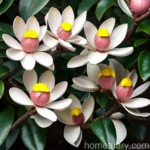
Magnolia ‘Daybreak’: A Comprehensive Guide
Introduction
Magnolias are undoubtedly one of the most well-loved and iconic plants in the world. Among them, the Magnolia ‘Daybreak’ stands out for its stunning beauty and remarkable characteristics. In this comprehensive guide, we will delve into the various aspects of the Magnolia ‘Daybreak,’ including its culture, uses, maintenance, and much more. By the end of this article, you will have gained a deep understanding of this magnificent plant and how to care for it.
What is Magnolia ‘Daybreak’?
The Magnolia ‘Daybreak’ is a cultivar of the Magnolia plant, renowned for its extraordinary beauty and versatility. Its botanical name is Magnolia ‘Daybreak,’ and it belongs to the Magnoliaceae family. This variety is highly valued for its stunning flowers, which are characterized by their exquisite color and delightful fragrance. The ‘Daybreak’ cultivar has earned a special place in gardens and landscapes due to its exceptional ornamental value and ease of maintenance.
Key Takeaways – Magnolia ‘Daybreak’
Culture
- Botanical Name: Magnolia ‘Daybreak’
- Family: Magnoliaceae
- Type: Broadleaf evergreen tree
- Origin: Hybrid plant bred by Dr. August Kehr
- Common Names: Daybreak Magnolia, Daybreak Magnolia Tree
- Growth Rate: Medium
Uses
- Landscape: Ornamental tree, focal point plant, garden border
- Garden Styles: Coastal gardens, urban gardens
- Aesthetic Appeal: Beautiful foliage, stunning flowers
Water
- Watering Needs: Regular watering, especially during dry periods
- Soil Moisture: Well-draining soil to prevent waterlogging
Sunlight
- Sun Exposure: Full sun to partial shade
- Sun Requirements: Thrives in sunlight, may tolerate some shade
- Foliage Protection: Protection from harsh afternoon sun in hot climates
Fertilizer
- Fertilization: Balanced fertilizer in spring
- Frequency: Annual application
Soil
- Soil Type: Well-draining, slightly acidic soil
- Soil Amendments: Organic matter for improved fertility
- Soil pH: Slightly acidic (pH 5.5-6.5)
Pruning
- Pruning Time: After flowering in spring
- Pruning Type: Light maintenance pruning
- Objective: Shape control, dead wood removal
Propagation
- Propagation Methods: Stem cuttings, layering
- Propagation Time: Early summer for best results
Container Popularity
- Container Gardening: Suitable for large containers
- Versatility: Manageable size for container growth
Common Diseases
- Disease Resistance: Overall disease resistant
- Potential Issues: Magnolia scale, powdery mildew
Disease Diagnosis
- Symptoms: Abnormal leaf color, wilting, premature leaf drop
- Solution: Proper identification, targeted treatment
Common Pests
- Pest Management: Regular inspection for early detection
- Common Pests: Aphids, scale insects, snails
Botanist’s Tips
- Expert Advice: Regular moisture checks, proper drainage, preventive pest control
- Successful Growth: Consistent care, attention to watering and sunlight needs
Fun Facts
- Cultural Significance: Revered in traditional Chinese and Japanese cultures
- Historical Context: Ancient plant lineage dating back millions of years
Links to External Resources
- The Magnolia Society International: https://www.magnoliasociety.org/
- Royal Horticultural Society – Magnolias: https://www.rhs.org.uk/plants/popular/magnolia
- North Carolina State Extension – Growing Magnolias: https://content.ces.ncsu.edu/growing-magnolias-in-north-carolina
Conclusion
In conclusion, the Magnolia ‘Daybreak’ is a captivating plant that adds elegance and charm to any garden or landscape. Its exceptional beauty, ease of care, and versatility make it a cherished addition for plant enthusiasts and horticulturists. By understanding its unique characteristics and specific care requirements, you can ensure the healthy growth and flourishing beauty of the Magnolia ‘Daybreak’ in your outdoor space. Whether as a standalone focal point or an integral part of a diverse garden, this remarkable plant is sure to captivate and inspire all who encounter it.
As you embark on your journey of nurturing and appreciating the Magnolia ‘Daybreak,’ remember to draw upon the knowledge and insights provided in this comprehensive guide. With the right care and attention, you can cultivate a thriving and visually stunning display of nature’s finest offerings, embodied in the resplendent blooms and graceful foliage of the Magnolia ‘Daybreak.’