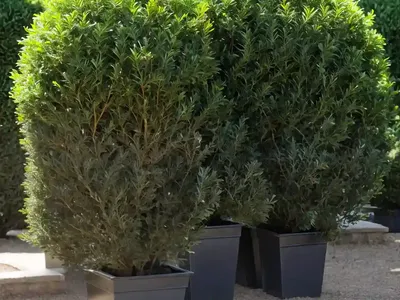
Loquat Oak (Quercus Rysophylla)
Loquat Oak, scientifically known as Quercus Rysophylla, is a majestic tree that has captured the attention of plant enthusiasts, botanists, and landscapers.
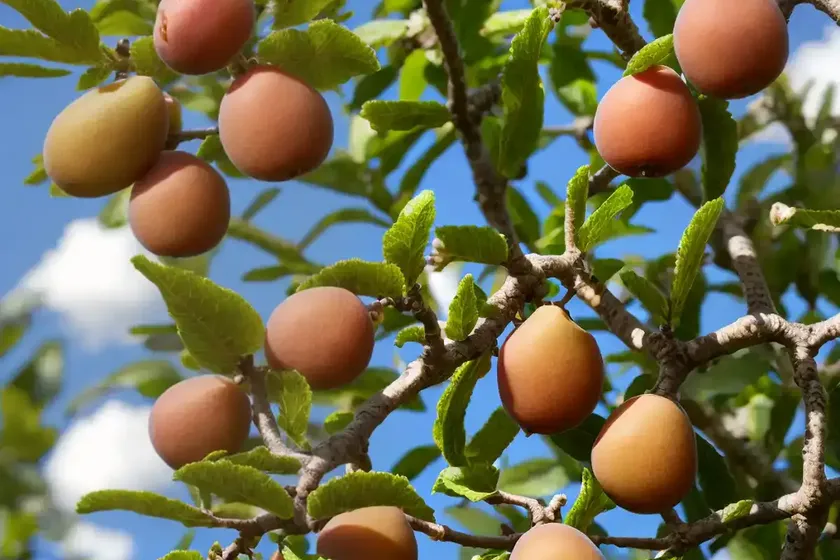
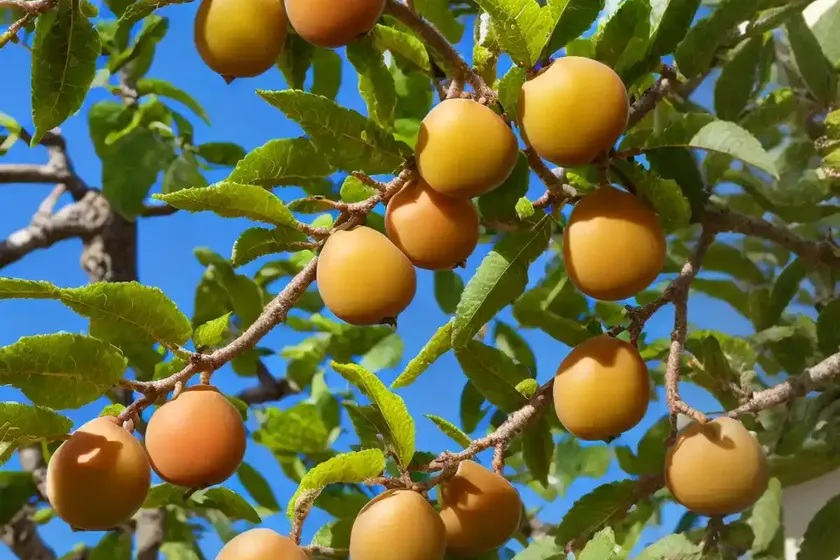
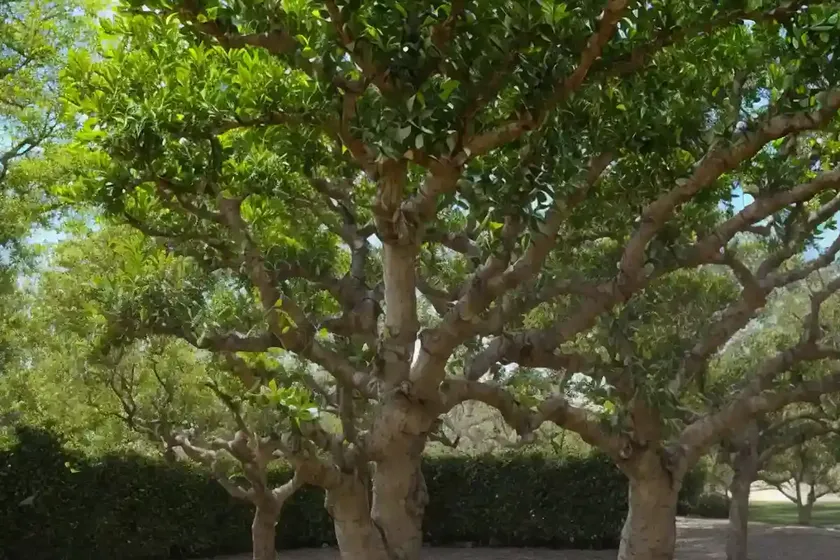
Loquat Oak, scientifically known as Quercus Rysophylla, is a majestic tree that has captured the attention of plant enthusiasts, botanists, and landscapers alike. Its remarkable characteristics, including its lush foliage, robust structure, and ecological significance, make it a valuable addition to any landscape. In this comprehensive guide, we will delve into the various aspects of Loquat Oak, exploring its cultural requirements, uses, ecological benefits, and much more.
What is Loquat Oak?
Loquat Oak, or Quercus Rysophylla, is a species of oak tree belonging to the Fagaceae family. This evergreen tree is native to Mexico and parts of Central America, where it thrives in diverse ecosystems ranging from mountainous regions to tropical forests. The distinctive features of the Loquat Oak tree, including its dark green, leathery leaves and sturdy trunk, make it a captivating sight in its natural habitat as well as in cultivated landscapes.
Key Takeaways – Loquat Oak (Quercus Rysophylla)
Before delving into the specific aspects of Loquat Oak, let’s highlight some key takeaways about this remarkable tree:
- Scientific Name: Quercus Rysophylla
- Common Name: Loquat Oak
- Family: Fagaceae
- Native Range: Mexico and Central America
- Foliage: Evergreen, dark green, leathery leaves
- Uses: Ornamental, ecological, and cultural significance
- Growth Habit: Large, stately tree with a broad canopy
With these key points in mind, let’s explore the various facets of Loquat Oak, from its cultural requirements to its ecological contributions.
Culture
Water
Loquat Oak trees prefer well-draining soil and moderate moisture levels. While they are tolerant of periodic drought conditions once established, it is essential to provide sufficient water, especially during the establishment phase and prolonged dry spells. To ensure optimal growth and health, regular watering, particularly in the absence of significant rainfall, is recommended.
Sunlight
Thriving in full sun to partial shade, Loquat Oak trees exhibit adaptability to varying light conditions. However, to promote robust growth and abundant foliage, providing ample sunlight is advantageous. In regions with intense summer heat, some protection from the harsh midday sun might be beneficial, especially for young trees.
Fertilizer
When it comes to fertilization, Loquat Oak trees respond well to balanced, slow-release fertilizers applied during the growing season. A fertilizer with a balanced NPK ratio, along with micronutrients such as iron and magnesium, can support the tree’s vigor and overall health. It is advisable to follow the recommended application rates based on the tree’s age and size, ensuring that the fertilizer is evenly distributed around the root zone.
Soil
Loquat Oak trees thrive in a range of soil types, including well-drained loamy or sandy soils with a slightly acidic to neutral pH. While they exhibit adaptability to various soil conditions, ensuring good drainage is crucial to prevent waterlogging, which can be detrimental to the tree’s root system. Regularly incorporating organic matter, such as compost or well-rotted manure, can improve soil structure and fertility, further benefiting the tree’s growth.
Pruning
Pruning plays a vital role in shaping the structure of Loquat Oak trees, promoting air circulation, and removing dead or diseased branches. Conducting regular pruning during the dormant season, preferably in late winter to early spring, helps maintain the tree’s form and density. It is essential to use sharp, sterile tools and adhere to proper pruning techniques to minimize stress and encourage healthy regrowth.
Uses
Ornamental
One of the primary uses of Loquat Oak trees is their ornamental value. Their striking foliage, with glossy, deep green leaves and a dense, broad canopy, makes them an impressive addition to parks, estates, and larger residential landscapes. Whether planted as a standalone specimen or incorporated into mixed woodland plantings, the majestic presence of Loquat Oak trees enhances the visual appeal of any setting.
Ecological Significance
Beyond their ornamental value, Loquat Oak trees play a vital role in supporting diverse ecosystems. Their large canopy provides habitat and food for various wildlife, including birds, squirrels, and insects. The acorns produced by the tree serve as a food source for numerous animal species, contributing to the ecological balance and diversity within the surrounding environment.
Cultural Significance
In addition to their ecological contributions, Loquat Oak trees hold cultural significance in many regions, symbolizing strength, longevity, and resilience. They are often revered for their enduring nature and are incorporated into folklore, traditions, and ceremonial practices, reflecting their deep-rooted connection to human societies across different cultures.
Propagation
Seed Propagation
One primary method of propagating Loquat Oak trees is through seed germination. Acorns, the tree’s distinctive fruits, can be collected from mature trees and used to grow new plants. To enhance germination success, it is beneficial to stratify the acorns by subjecting them to a period of cold, damp conditions before sowing them in a prepared seedbed or containers. Regular monitoring of moisture levels and protection from excessive predation are essential during the early stages of seedling development.
Cuttings
While seed propagation is a common method, propagation through semi-hardwood cuttings is also practiced for Loquat Oak trees. By selecting healthy, vigorous stems and employing rooting hormones, it is possible to propagate genetically identical clones of the parent tree. Careful monitoring of humidity and temperature during the rooting process can help facilitate successful establishment of the cuttings.
Container
For those wishing to grow Loquat Oak trees in containers, it is important to choose large, sturdy containers with ample drainage holes. The potting mix should be well-draining and nutrient-rich, consisting of a blend of high-quality compost, organic matter, and coarse sand. Regular watering and fertilization, along with occasional root pruning and repotting, are essential to sustain the tree’s health and vitality in a containerized environment.
Popularity
Loquat Oak trees have garnered popularity not only for their remarkable appearance but also for their versatility and resilience. Their adaptability to a range of climatic conditions, including mild temperate zones and warmer subtropical regions, has expanded their appeal to a wide audience of horticulturists, landscapers, and homeowners. With increasing emphasis on sustainable landscaping and native plant selection, the ecological benefits and aesthetic allure of Loquat Oak trees have further elevated their popularity in various settings.
Common Diseases
Disease Diagnosis
While Loquat Oak trees are generally resilient, they can be susceptible to certain diseases, particularly fungal infections and bacterial pathogens. Common symptoms of diseases in Loquat Oak trees include leaf spots, abnormal defoliation, cankers, and dieback. Timely diagnosis by observing and identifying the specific symptoms is crucial for implementing appropriate disease management measures, which may include cultural practices, fungicidal treatments, or targeted pruning to remove affected parts.
Common Diseases
Some common diseases that can affect Loquat Oak trees include:
-
Oak Anthracnose: Caused by the fungal pathogen Apiognomonia quercina, oak anthracnose can lead to leaf spots, defoliation, and twig dieback, particularly during periods of prolonged wet weather.
-
Powdery Mildew: Powdery mildew, caused by various fungal species, can affect the foliage of Loquat Oak trees, leading to the formation of powdery white patches on the leaves and young shoots.
-
Oak Wilt: This vascular disease, caused by the fungus Ceratocystis fagacearum, can result in wilting, browning of leaves, and eventual death of the tree. It is essential to implement preventive measures to limit the spread of oak wilt within affected areas.
Common Pests
Loquat Oak trees may also face challenges from various pests that can affect their health and vitality. From defoliating insects to wood-boring beetles, vigilant monitoring and integrated pest management strategies are crucial for mitigating pest damage and maintaining the tree’s vigor.
Some common pests that can affect Loquat Oak trees include:
-
Gypsy Moth: The larvae of the gypsy moth can defoliate oak trees, including Loquat Oak, if populations are left uncontrolled. Monitoring egg masses and employing biological or chemical control measures can help manage gypsy moth infestations.
-
Oak Borers: Wood-boring beetles, such as the oak borer species, can cause damage to the tree’s structure, leading to weakened limbs and dieback. Maintaining tree health and promptly addressing signs of infestation are essential for preventing extensive damage.
With an understanding of common diseases and pests that can impact Loquat Oak trees, proactive management and preventive practices can help safeguard their well-being and longevity.
Botanist’s Tips
To ensure the successful cultivation and maintenance of Loquat Oak trees, consider the following botanist’s tips:
- Regular monitoring: Regularly inspect the tree for signs of diseases, pests, or nutrient deficiencies, enabling early intervention and effective management.
- Soil testing: Conduct periodic soil tests to assess nutrient levels, pH, and overall soil health, allowing targeted fertilization and soil amendment.
- Mulching: Apply a layer of organic mulch around the base of the tree, maintaining moisture levels, regulating soil temperature, and suppressing weed growth.
- Pruning techniques: Adhere to proper pruning techniques, focusing on the removal of dead or diseased branches, shaping the tree’s structure, and promoting healthy regrowth.
- Wildlife habitat preservation: Recognize the ecological significance of Loquat Oak trees in providing habitat and sustenance for diverse wildlife, contributing to the preservation of local ecosystems.
Fun Facts
- The wood of Loquat Oak trees is valued for its strength and durability, making it suitable for various woodworking applications, including furniture, cabinetry, and flooring.
- The acorns produced by Loquat Oak trees are a significant food source for wildlife, contributing to the ecological balance and supporting diverse animal species.
- Loquat Oak trees can live for several centuries, with some specimens attaining exceptional longevity, symbolizing resilience and continuity in natural landscapes.
Links to External Resources
For further information on Loquat Oak (Quercus Rysophylla), additional resources and references are provided below:
-
University of Florida IFAS Extension: Anthracnose Diseases of Oaks
-
University of California Agriculture and Natural Resources: Oak Wilt Management
By exploring these resources, enthusiasts, researchers, and arborists can access a wealth of information on the cultivation, management, and ecological role of Loquat Oak trees.
In conclusion, the captivating allure of Loquat Oak trees, coupled with their ecological significance and cultural value, positions them as an exemplary species that contributes to the beauty and biodiversity of natural and cultivated landscapes. By understanding the cultural requirements, uses, potential challenges, and conservation efforts related to Loquat Oak (Quercus Rysophylla), we can further appreciate and advocate for the preservation and sustainable cultivation of this remarkable tree species.
As we continue to celebrate and steward the diverse plant life that enriches our world, the enduring presence of species such as the Loquat Oak serves as a testament to the interconnectedness of nature and the invaluable contributions of trees to our lives and ecosystems.