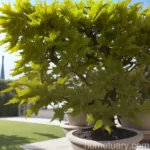
Quercus virginiana (Live Oak): A Comprehensive Guide
Quercus virginiana, also known as Live Oak, is a majestic and iconic tree species native to the southeastern United States. Renowned for its longevity, widespread use in landscaping and cultural symbolism, Live Oak holds significant ecological and historical importance. This comprehensive guide is an invaluable resource for plant enthusiasts, arborists, and horticulturists, containing a wealth of information on the botanical characteristics, cultural significance, practical uses, and maintenance of Quercus virginiana.
What is Quercus virginiana (Live Oak)?
Quercus virginiana is a species of evergreen oak, belonging to the family Fagaceae. It is characterized by its sprawling canopy and gnarled, moss-draped branches, creating a picturesque silhouette. The term ‘live’ in its common name originates from the seemingly evergreen nature of its foliage when compared to other deciduous oaks. Live Oaks are often associated with Southern landscapes, establishing a sense of tradition, history, and natural beauty in the regions they inhabit.
Key Takeaways – Quercus virginiana (Live Oak)
Before delving into the specific aspects of Live Oak, let’s highlight some key takeaways about this captivating tree:
- Quercus virginiana, or Live Oak, is an iconic evergreen tree native to the southeastern United States.
- With its sprawling canopy and gnarled branches, Quercus virginiana epitomizes natural splendor and has become a symbol of the Southern landscape.
- The Live Oak holds ecological, cultural, and historical significance and is often revered for its longevity and adaptability.
- The versatile uses of Quercus virginiana extend from landscaping and shade provision to wildlife habitat and historical symbolism.
Quercus virginiana Facts
Before delving into the specific aspects of Live Oak, it’s important to understand some key facts about Quercus virginiana that contribute to its ecological and cultural significance.
Botanical Classification:
- Kingdom: Plantae
- Order: Fagales
- Family: Fagaceae
- Genus: Quercus
- Species: Virginia
Distribution and Habitat:
- Live Oaks are native to the southeastern United States, thriving in coastal plain regions and along water bodies.
- They are known for their exceptional adaptation to a variety of soil conditions, from sandy to clayey soils, and are often found in areas prone to seasonally wet and dry spells.
Morphological Characteristics:
- The Live Oak is an evergreen tree, retaining its leathery, dark green leaves throughout the year.
- It is recognized for its sprawling, wide canopy and contorted branches, which contribute to its picturesque appearance and are utilized in providing significant shade cover.
Ecological Importance:
- Quercus virginiana serves as a crucial component of the coastal ecosystem, providing stability, erosion control, and habitat for a diverse array of flora and fauna.
- Its extensive root system and dense canopy make it an ideal candidate for mitigating coastal erosion, thereby enhancing the overall resilience of coastal habitats.
Cultural Significance:
- Live Oaks have been deeply entrenched in the cultural narratives of the Southern United States, symbolizing endurance, strength, and beauty.
- Their prominence in historical landscapes, gardens, and urban designs has contributed to their status as an emblem of regional identity and natural heritage.
Historical Role:
- Throughout history, Live Oaks have been utilized in the shipbuilding industry, owing to the durability and strength of their timber.
- They have also been revered for their use in architectural elements, such as beams and planking, in the construction of historic buildings.
Landscape Uses:
- Live Oaks are widely employed in landscaping, particularly in Southern regions, where they are cultivated for their aesthetic appeal and shade-providing attributes.
- Their adaptability to adverse conditions, such as salt spray and windy environments, makes them ideal for coastal landscapes and urban green spaces.
Longevity and Growth:
- Quercus virginiana is renowned for its longevity, with individuals often exceeding 100 years and some even surviving for several centuries.
- Their slow growth rate and substantial size make them a long-term investment in landscape development, providing enduring beauty and value.
Live Oak Tree Characteristics
The characteristics of Quercus virginiana, or the Live Oak, encompass a diverse range of features that contribute to its ecological significance and landscape value.
Canopy and Branch Structure:
- The Live Oak is distinguished by its broad, spreading canopy that can extend to significant proportions, often reaching to the ground in mature specimens.
- Its low-hanging, twisted branches create a picturesque and often whimsical appearance, contributing to its aesthetic allure and landscape value.
Foliage:
- The foliage of Live Oaks consists of leathery, elliptical to ovate leaves, measuring 1 to 4 inches in length, and shining dark green in color.
- The retention of leaves throughout the year imparts an evergreen quality, distinguishing it from many other oak species.
Bark and Trunk:
- The bark of mature Live Oaks is deeply furrowed and often characterized by a rugged, dark gray to black appearance, contributing to their stately and enduring demeanor.
- The trunk of Quercus virginiana may exhibit irregular form and substantial girth, conveying a sense of strength and longevity.
Quercus virginiana Description
A comprehensive description of Quercus virginiana encapsulates its botanical, ecological, and landscape attributes, shedding light on its varied dimensions and inherent value.
Botanical Description:
- Quercus virginiana is an evergreen tree characterized by a broad, spreading canopy, often extending to widths exceeding its height.
- Its foliage comprises leathery, elliptical to ovate leaves with an intense, dark green coloration, exhibiting a uniform and sleek appearance.
Ecological Description:
- Within the ecosystem, Live Oaks play a pivotal role in stabilizing coastal habitats, providing shelter and sustenance for a rich diversity of organisms.
- Their extensive root system and adaptable nature enable them to thrive in a range of soil conditions, contributing to their resilience and ecological significance.
Landscape Description:
- From a landscaping perspective, Live Oaks are prized for their massive canopy, contorted branch structure, and evergreen foliage, embodying a sense of timelessness and natural grandeur.
- The adaptability of Quercus virginiana to coastal environments, including salt spray and adverse weather conditions, enhances their value in landscape designs.
Live Oak Tree Information
Understanding the fundamental information about Quercus virginiana is essential for appreciating its relevance in various contexts, including ecological, cultural, and practical applications.
Distribution and Range:
- Live Oaks are primarily distributed throughout the coastal plain regions of the southeastern United States, including states such as Florida, Georgia, Alabama, and Mississippi.
- Their range often extends inland from coastal areas, thriving in diverse environments and exhibiting adaptability to soil and climatic variations.
Growth Habit:
- Quercus virginiana exhibits a wide, spreading growth habit, with its branches often reaching the ground and creating a visually striking and expansive presence.
- The growth rate of Live Oaks is relatively slow, contributing to their long-term establishment in landscapes and their ability to attain considerable size.
Adaptability and Resilience:
- Live Oaks are renowned for their adaptability and resilience, particularly in coastal environments where they endure salt spray, wind, and periodic inundation.
- Their capacity to thrive in such challenging conditions makes them valuable components of coastal landscapes and urban greening initiatives.
Quercus virginiana Features
The features of Quercus virginiana encompass a multitude of characteristics that define its ecological significance, landscape value, and cultural symbolism, underlining its multifaceted appeal.
Evergreen Foliage:
- The evergreen nature of Quercus virginiana’s foliage distinguishes it from many other oak species, contributing to its year-round visual impact and functional attributes.
- The retention of dark green, leathery leaves throughout the year imparts consistency and vitality to its appearance.
Expansive Canopy:
- The broad, spreading canopy of Live Oaks is a defining feature that enables them to create extensive shade cover, contributing to their functional and aesthetic value in landscapes.
- Their expansive canopy is often utilized in outdoor spaces, public parks, and urban designs, providing shelter and character to the surroundings.
Cultural Symbolism:
- Live Oaks are deeply ingrained in the cultural narratives of the southeastern United States, embodying enduring strength, natural beauty, and regional identity.
- Their prevalence in historical landscapes, literature, and art has solidified their status as an emblem of tradition and natural heritage.
Live Oak Tree Benefits
As a significant component of natural and designed landscapes, Quercus virginiana offers a wide array of benefits, ranging from ecological contributions to cultural symbolism and practical uses.
Ecological Contributions:
- The ecological contributions of Live Oaks encompass erosion control, wildlife habitat provision, and overall enhancement of coastal ecosystems.
- Their extensive root system and dense canopy mitigate erosion, provide shelter and nesting sites for wildlife, and support biodiversity in coastal environments.
Aesthetic Value:
- From an aesthetic perspective, Live Oaks bestow a sense of grandeur, timelessness, and natural grace to landscapes, gardens, and urban green spaces.
- Their arching branches, expansive canopy, and evergreen foliage contribute to the visual appeal and cultural significance of the surrounding environment.
Functional Attributes:
- The functional attributes of Quercus virginiana encompass shade provision, particularly in warm and sunny climates, where their expansive canopy offers relief from intense sunlight.
- Their adaptability to adverse conditions, such as salt spray and urban pollution, makes them valuable components of coastal and urban landscapes.
Quercus virginiana Growth
Understanding the growth patterns and requirements of Quercus virginiana is essential for successful cultivation, ensuring its long-term establishment and sustainability in diverse environments.
Growth Rate:
- The growth rate of Live Oaks is relatively slow, necessitating patience and long-term planning when incorporating them into landscape designs or urban greening projects.
- Their slow growth, however, contributes to their longevity and substantial size, making them enduring additions to outdoor spaces.
Size and Form:
- Quercus virginiana exhibits a substantial size and wide-spreading form, often attaining heights of 40 to 60 feet and canopies with widths exceeding their height.
- Their contorted branch structure and wide canopy contribute to their distinctive appearance and aesthetic value in landscapes.
Environmental Requirements:
- Live Oaks thrive in well-drained soil conditions, showcasing adaptability to a range of soil types, including sandy and clayey substrates.
- They prefer full sun exposure, although they exhibit tolerance to partial shade, particularly in coastal and urban environments characterized by varied light conditions.
Live Oak Tree Care Tips
Caring for Quercus virginiana requires a combination of appropriate cultural practices, environmental considerations, and proactive maintenance measures to ensure its health and vitality in landscape settings.
Watering:
- While established Live Oaks exhibit some drought tolerance, regular watering, particularly during the initial establishment phase, promotes healthy root development and overall vigor.
- Deep, infrequent watering is preferred, allowing the soil to dry between irrigation sessions and encouraging the development of a robust root system.
Sunlight:
- Live Oaks are best suited to full sun exposure, where they can maximize their photosynthetic potential and ensure the development of a well-balanced and robust canopy.
- In instances where partial shade is encountered, such as in urban settings or around structures, efforts should be made to minimize shading and allow for adequate light penetration.
Fertilization:
- Adequate fertility is essential for the sustained growth and development of Quercus virginiana, particularly in landscapes where nutrient availability may be limited.
- Incorporating slow-release fertilizers with balanced nutrient ratios into the rooting zone supports the long-term health and vigor of Live Oaks without inducing excessive vegetative growth.
Soil:
- Live Oaks prefer well-drained soil conditions, although they exhibit a degree of tolerance to salt spray, moisture fluctuations, and a range of soil types, from sandy to clayey substrates.
- Prioritizing soil health, fertility, and environmental suitability is crucial to promoting the sustained growth and vitality of Quercus virginiana in urban and landscape settings.
Quercus virginiana Habitat
The habitat preferences and ecological significance of Quercus virginiana highlight its adaptability to coastal environments, its role in shaping ecosystems, and its value in supporting biodiversity.
Coastal Environments:
- Live Oaks are renowned for their adaptability and resilience in coastal environments, where they endure salt spray, wind, and periodic inundation, contributing to their ecological significance.
- Their presence in coastal habitats stabilizes shorelines, provides protection from storm surges, and supports diverse forms of flora and fauna.
Urban Landscapes:
- In urban settings, Quercus virginiana serves as a valuable component of green infrastructure, contributing to the aesthetic appeal, shade provision, and overall health of urban environments.
- Their capacity to withstand urban pressures, including compacted soils, air pollution, and variable light conditions, showcases their adaptability to diverse urban habitats.
Live Oak Tree Species
Quercus virginiana is a representative species within the oak genus, Quercus, and its unique attributes contribute to the taxonomic diversity and ecological significance of the larger oak family.
Genus Quercus:
- Quercus represents a diverse and expansive genus within the family Fagaceae, encompassing hundreds of species distributed across diverse habitats and climatic zones worldwide.
- Oaks within the genus Quercus display a wide range of morphological, ecological, and adaptational characteristics, contributing to their ecological and landscape value.
Taxonomic Classification:
- Quercus virginiana is categorized within the diverse group of oak species, exhibiting a distinct array of characteristics that contribute to its ecological significance and cultural symbolism.
- Understanding the taxonomic placement of Quercus virginiana within the larger context of the oak family sheds light on its diverse attributes and ecological adaptations.
Quercus virginiana Uses
The uses of Quercus virginiana extend beyond their ecological and decorative value, encompassing practical applications, cultural symbolism, and historical significance.
Landscape Design:
- Live Oaks are prized for their aesthetic appeal and functional attributes in landscape designs, gardens, and public spaces, where they provide shade, character, and natural grandeur.
- Their expansive canopy, distinctive branch structure, and evergreen foliage contribute to the visual appeal and habitat value of designed landscapes.
Historical Symbolism:
- Quercus virginiana holds historical significance, particularly in the southeastern United States, where it has been revered for its use in shipbuilding, construction, and landscape designs.
- Its enduring presence in historical landscapes and architectural elements contributes to its representation of tradition and cultural heritage.
Cultural Identity:
- Live Oaks are emblematic of the cultural identity and natural heritage of the Southern United States, symbolizing endurance, resilience, and the intrinsic beauty of the region.
- Their prevalence in literature, art, and regional narratives reaffirms their status as a symbol of tradition and the Southern landscape.
Live Oak Tree Symbolism
The symbolism of Quercus virginiana encompasses a rich tapestry of cultural, historical, and natural significance, contributing to its emblematic status and endearing appeal.
Endurance and Strength:
- Live Oaks symbolize endurance and strength, particularly in the context of the Southern United States, where they have become synonymous with resilience and natural beauty.
- Their capacity to withstand adverse conditions, sustain longevity, and shape historical landscapes contributes to their symbolic representation of enduring qualities.
Regional Identity:
- Quercus virginiana embodies a sense of regional identity, representing the natural heritage and cultural richness of the southeastern United States, where it has become an iconic emblem of the landscape.
- Its prevalence in literature, art, and community narratives reaffirms its status as a celebrated symbol of tradition and the enduring beauty of the Southern landscape.
Timeless Beauty:
- Live Oaks are revered for their timeless beauty and natural grandeur, embodying a sense of grace, elegance, and permanence in landscapes, gardens, and designed environments.
- Their iconic silhouette, sprawling canopy, and evergreen foliage contribute to their enduring symbolism as a reflection of timeless natural splendor.
Quercus virginiana Properties
The properties of Quercus virginiana encompass a range of ecological, cultural, and practical attributes that define its value and enrich its significance in diverse contexts.
Ecological Function:
- Quercus virginiana serves as a keystone species in the coastal ecosystem, contributing to erosion control, wildlife habitat provision, and overall diversity and stability of coastal landscapes.
- Its extensive root system, wide canopy, and adaptability to coastal environments highlight its ecological significance and sustained contributions to the ecosystem.
Cultural Significance:
- From a cultural perspective, Live Oaks hold deep-rooted significance, symbolizing endurance, regional identity, and the natural heritage of the southeastern United States.
- The cultural properties of Quercus virginiana are intertwined with historical landscapes, literature, and community narratives, contributing to its enduring symbolism.
Practical Utility:
- Live Oaks possess practical utility in the realms of landscaping, shade provision, and historical uses in shipbuilding, construction, and architectural elements, attesting to their diverse and enduring value.
- Their practical properties contribute to their continued relevance in contemporary landscape designs, urban green spaces, and regional identities.
Live Oak Tree Identification
The identification of Quercus virginiana entails an exploration of its distinctive morphological, ecological, and cultural attributes, providing insights into its unique characteristics and enduring appeal.
Morphological Features:
- The morphological features of Quercus virginiana encompass a broad, spreading canopy, gnarled and twisted branches, evergreen foliage, and deeply furrowed, dark gray to black bark.
- These characteristics collectively contribute to its identification and differentiation from other oak species, underscoring its inherent and distinctive qualities.
Ecological Context:
- In ecological contexts, Quercus virginiana can be identified by its association with coastal environments, its role in stabilizing shorelines, and its shelter and sustenance for a diverse array of coastal organisms.
- These ecological indicators provide valuable points of reference for the identification and assessment of Live Oaks within their natural habitats.
Cultural Significance:
- The cultural significance of Quercus virginiana serves as a basis for its identification, often highlighting its prevalence in historical landscapes, literature, and the regional narratives of the southeastern United States.
- These cultural markers contribute to its recognition and appreciation within landscapes and urban environments where it embodies a sense of tradition and natural heritage.
Quercus virginiana Cultivation
The cultivation of Quercus virginiana entails a comprehensive understanding of its growth requirements, environmental preferences, and maintenance considerations to ensure its successful establishment and sustained vitality.
Soil Conditions:
- Live Oaks thrive in well-drained soil conditions, showcasing adaptability to a range of soil types, including sandy and clayey substrates, while exhibiting resilience to salt spray and moisture fluctuations.
- Prioritizing soil health, fertility, and environmental suitability is crucial to promoting the sustained growth and vitality of Quercus virginiana in urban and landscape settings.
Environmental Considerations:
- Environmental considerations, including sunlight availability, moisture levels, and potential stressors, play an integral role in the successful cultivation of Live Oaks in landscapes and urban settings.
- Adhering to appropriate environmental considerations ensures the long-term establishment and sustainability of Quercus virginiana within a diverse array of environments.
Maintenance Practices:
- Maintenance practices for Live Oaks encompass appropriate watering, mulching, and periodic assessment for pest and disease management, ensuring their overall health and sustained vigor.
- Engaging in proactive maintenance measures fosters the long-term vitality and aesthetic appeal of Quercus virginiana in landscapes, gardens, and urban green spaces.
Live Oak Tree Symbolism in Folklore
The symbolism of Quercus virginiana within folklore and cultural narratives underscores its enduring representation in human society, contributing to a rich tapestry of tradition, natural