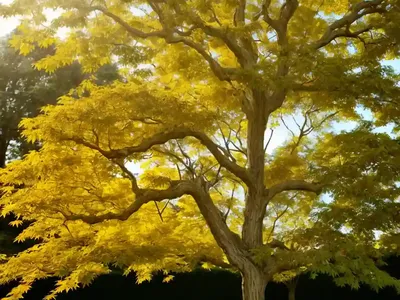
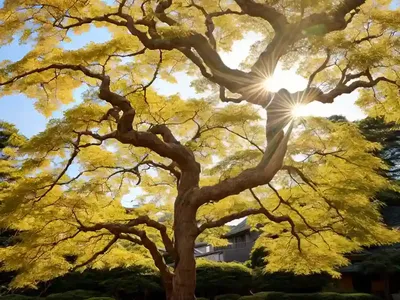
Golden Rain Tree (Koelreuteria Paniculata)
The Golden Rain Tree, scientifically known as Koelreuteria paniculata, is a beautiful and versatile tree that is popular for its ornamental features and.
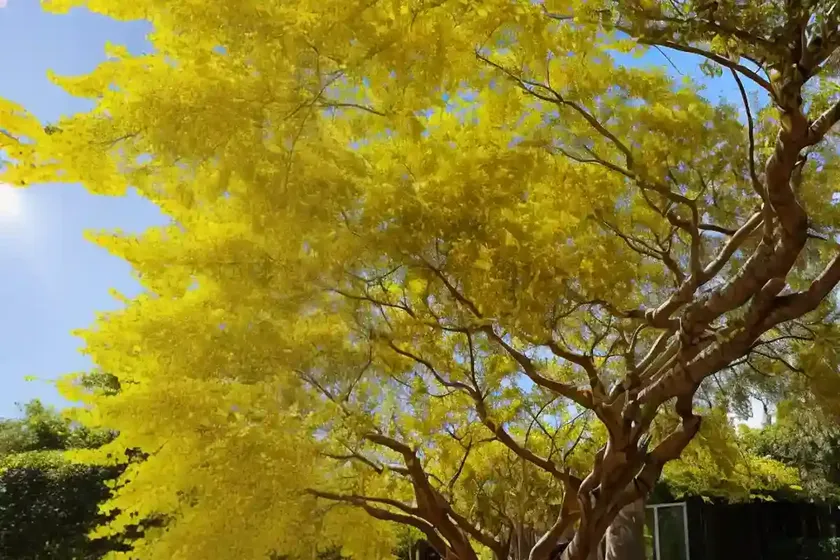
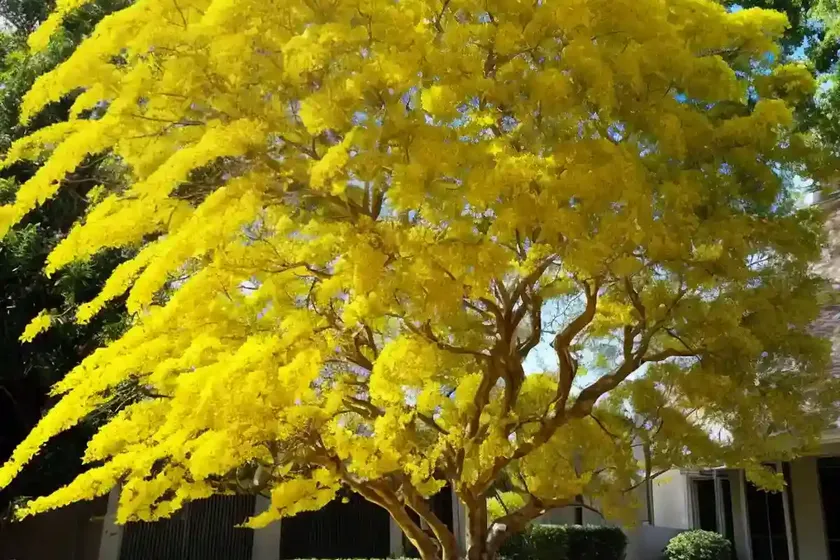
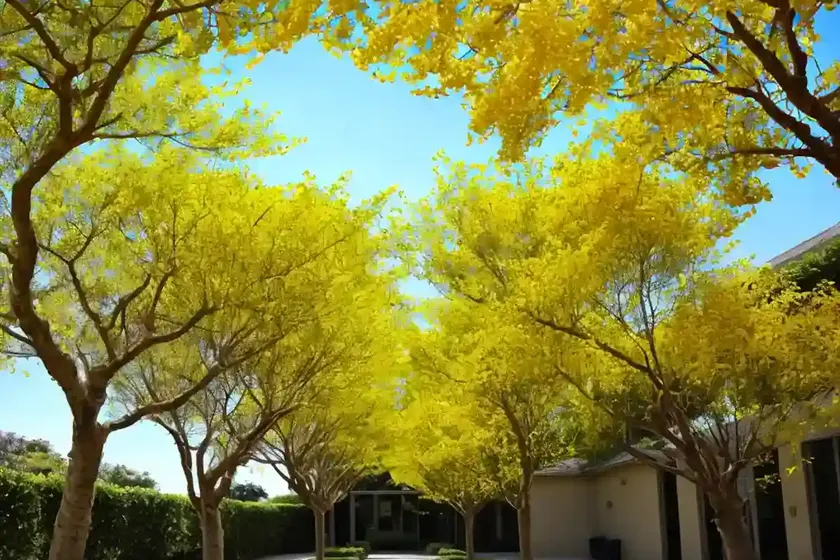
The Golden Rain Tree, scientifically known as Koelreuteria paniculata, is a beautiful and versatile tree that is popular for its ornamental features and environmental benefits. As a plant scientist, exploring the unique characteristics, cultural uses, and growth requirements of this tree is a fascinating journey. In this comprehensive guide, we will delve into the various aspects of the Golden Rain Tree, including its cultural uses, water and sunlight needs, pruning tips, propagation methods, common diseases and pests, and much more. By the end of this article, you will have a deep understanding of caring for and appreciating the Golden Rain Tree in its natural and cultivated environments.
What is the Golden Rain Tree (Koelreuteria Paniculata)?
The Golden Rain Tree, also known as the Pride of India, China tree, and Varnish tree, is a deciduous tree belonging to the family Sapindaceae. It is native to eastern Asia, including China and Korea, and has been introduced to various parts of the world for its ornamental and environmental benefits. The tree is characterized by its vibrant yellow flowers and lantern-like seed pods, making it a popular choice for landscaping and ornamental planting. Its attractive appearance, coupled with its adaptability to different soil and climatic conditions, has contributed to its popularity in gardens, parks, and urban landscapes.
The name “Golden Rain Tree” is derived from the tree’s abundant clusters of yellow flowers that appear in late spring and early summer, resembling cascading golden showers. The tree’s scientific name, Koelreuteria paniculata, honors the German botanist Joseph Gottlieb Koelreuter, who made significant contributions to the study of plant reproduction and hybridization during the 18th century. This tree has a rich cultural history, and its beauty and environmental benefits have made it a beloved addition to various landscapes around the world.
Key Takeaways – Golden Rain Tree (Koelreuteria Paniculata)
Before delving into the specific care and cultivation practices for the Golden Rain Tree, it is essential to understand the key takeaways that define this tree. In this section, we will provide an overview of the tree’s cultural uses, growth characteristics, and its significance in horticulture and environmental conservation.
Culture
The Golden Rain Tree has a rich cultural significance in various parts of the world, where it is valued for its ornamental beauty, environmental benefits, and in some cases, its traditional and medicinal uses. Understanding the cultural context of this tree provides insights into its historical significance and enduring popularity as a cultivated plant.
Uses
The uses of the Golden Rain Tree range from its ornamental value as a landscaping feature to its potential environmental and medicinal benefits. Exploring the diverse ways in which this tree is utilized highlights its versatility and the positive impact it can have on its surroundings.
Water
Understanding the water requirements of the Golden Rain Tree is crucial for successful cultivation. By examining its water needs and optimal irrigation practices, we can ensure that the tree thrives in its growing environment while conserving water resources effectively.
Sunlight
The sunlight requirements of the Golden Rain Tree influence its growth, flowering, and overall health. By gaining insights into its light preferences, we can optimize its placement in gardens and landscapes to promote robust and vigorous growth.
Fertilizer
Appropriate fertilization is essential for enhancing the growth and vitality of the Golden Rain Tree. By exploring the tree’s fertilizer needs and recommended application methods, we can support its nutritional requirements and overall well-being.
Soil
A comprehensive understanding of the soil preferences of the Golden Rain Tree is essential for creating an optimal growing environment. By examining its soil requirements and the best soil types for cultivation, we can promote healthy root development and overall plant vigor.
Pruning
Pruning is a critical aspect of caring for the Golden Rain Tree, influencing its form, flowering, and overall appearance. By mastering the art of pruning this tree, we can maintain its structural integrity and enhance its ornamental value.
Propagation
Understanding the propagation methods of the Golden Rain Tree empowers us to propagate new plants and expand its presence in various landscapes. By exploring effective propagation techniques, we can propagate the tree successfully and contribute to its conservation.
Container Popularity
The Golden Rain Tree’s adaptability to container cultivation makes it a popular choice for urban and small-space gardening. Understanding its container requirements and benefits enables us to incorporate it into diverse gardening environments.
Container Common Diseases
Despite its resilience, the Golden Rain Tree is susceptible to certain diseases that can affect its health and vitality when grown in containers. By understanding these common diseases, we can implement preventive measures and ensure the tree’s well-being.
Disease Diagnosis
Timely diagnosis of diseases affecting the Golden Rain Tree is essential for effective management and treatment. By familiarizing ourselves with common diseases and their symptoms, we can take prompt action to protect the tree from potential health threats.
Common Pests
Pest infestations can pose a threat to the Golden Rain Tree’s well-being. By identifying the common pests that affect this tree, we can implement targeted pest control measures and safeguard its health.
The key takeaways highlighted above set the stage for our in-depth exploration of the Golden Rain Tree, encompassing its cultural uses, growth requirements, and essential care practices. By delving into each of these aspects, we can cultivate a comprehensive understanding of this tree and its significance in horticulture and environmental conservation.
Golden Rain Tree (Koelreuteria Paniculata) Care Guide
Caring for the Golden Rain Tree involves a holistic approach that encompasses its water and sunlight needs, soil preferences, pruning techniques, and pest and disease management. In this section, we will provide a detailed care guide that covers each of these aspects, offering practical insights and recommendations for cultivating and nurturing this beautiful tree.
Golden Rain Tree Care Essentials
Soil
The Golden Rain Tree thrives in well-drained soil with a slightly acidic to neutral pH. It can adapt to a variety of soil types, including loam, sandy loam, and clay loam, as long as the soil is not waterlogged. When planting the tree, amending the soil with organic matter can improve its texture and fertility, promoting healthy root development and overall growth. Regularly testing the soil pH and nutrient levels can provide valuable insights into the tree’s nutritional needs and any necessary soil amendments.
Water
During the establishment phase, the Golden Rain Tree requires regular watering to facilitate root development and ensure its vigor. Once established, the tree exhibits moderate drought tolerance and can withstand periods of reduced water availability. However, providing supplemental irrigation during dry spells or prolonged periods of drought can prevent water stress and promote the tree’s overall health and vitality. When watering the tree, it is essential to apply water at the base of the tree to reach the root zone effectively.
Sunlight
The Golden Rain Tree thrives in full sun to partial shade, exhibiting its best growth and flowering when exposed to ample sunlight. When selecting a planting location, it is advisable to choose a site that receives at least 6 hours of direct sunlight daily. Adequate sunlight exposure promotes robust growth, abundant flowering, and the development of the tree’s characteristic golden seed pods. In regions with intense summer heat, providing partial shade during the hottest part of the day can protect the tree from excessive heat stress.
Fertilizer
Applying a balanced fertilizer in spring can support the Golden Rain Tree’s growth and flowering. A slow-release granular fertilizer formulated for flowering trees and shrubs can provide the necessary nutrients without promoting excessive foliage growth at the expense of flowers. Before applying any fertilizer, it is advisable to perform a soil test to assess the tree’s nutritional requirements accurately. By following the recommended fertilizer application rates and timing, we can ensure that the tree receives the nutrients it needs for healthy and vigorous growth.
Golden Rain Tree Growth
Sunlight Requirements
The Golden Rain Tree exhibits optimal growth and flowering when provided with full sun to partial shade. Adequate sunlight exposure promotes strong and healthy growth, while also contributing to the tree’s abundant flowering and seed pod development. In regions with hot and intense sunlight, providing partial shade during the hottest part of the day can prevent heat stress and sunscald, ensuring the tree’s well-being throughout the growing season.
Water Needs
The Golden Rain Tree has moderate water needs, particularly during the establishment phase and prolonged dry periods. Providing regular irrigation to young trees facilitates root development and establishment, setting the stage for robust growth in subsequent years. Once established, the tree exhibits good drought tolerance and can withstand periods of reduced water availability. However, supplemental watering during prolonged dry spells can prevent water stress and promote healthy growth and foliage appearance.
Golden Rain Tree Pruning Tips
Pruning is an essential aspect of caring for the Golden Rain Tree, influencing its form, flowering, and overall appearance. By following these pruning tips, we can effectively maintain the tree’s shape and structure while promoting abundant flowering and seed pod development.
-
Prune in Late Winter or Early Spring: Conduct major pruning during late winter or early spring before the tree breaks dormancy. This timing allows the tree to heal quickly and minimizes the risk of disease or pest infestation.
-
Remove Dead or Damaged Branches: Inspect the tree for dead, diseased, or damaged branches and prune them back to the main trunk or a healthy lateral branch. Removing these branches promotes overall tree health and reduces the risk of disease spread.
-
Shape the Canopy: As the tree matures, selectively prune to shape the canopy and maintain a balanced and attractive form. This may involve removing overcrowded or crossing branches to allow for better air circulation and light penetration.
-
Promote Flowering and Seed Pod Development: Lightly prune after the tree has finished flowering to remove spent flower clusters and encourage the development of new growth and seed pods.
-
Avoid Excessive Pruning: While regular maintenance pruning is beneficial, avoid excessive or aggressive pruning, as this can stress the tree and affect its overall vigor and flowering performance.
By following these pruning tips, we can promote the Golden Rain Tree’s health, vigor, and ornamental value, while maintaining its structural integrity and aesthetic appeal.
Koelreuteria Paniculata Diseases
The Golden Rain Tree is generally resistant to diseases, but it can be susceptible to certain fungal infections and pest-related issues. Understanding the common diseases that can affect this tree and implementing preventive measures are essential for maintaining its health and vitality.
Disease Diagnosis
Diagnosing diseases affecting the Golden Rain Tree involves identifying specific symptoms and patterns of damage that indicate potential health threats. By familiarizing ourselves with the common diseases and their diagnostic features, we can take timely action to protect the tree from disease-related issues.
Golden Rain Tree Pests and Control
Pest infestations can pose a threat to the Golden Rain Tree’s well-being, affecting its foliage, flowers, and overall vitality. By identifying the common pests that target this tree and implementing effective control measures, we can safeguard its health and minimize the impact of pest-related damage.
Best Soil for Golden Rain Tree
The Golden Rain Tree thrives in well-drained soil with a slightly acidic to neutral pH. It can adapt to a variety of soil types, including loam, sandy loam, and clay loam, as long as the soil is not waterlogged. When selecting soil for planting or container cultivation, it is essential to prioritize soil quality and texture to support the tree’s root development and overall growth.
Koelreuteria Paniculata Propagation Methods
Propagating the Golden Rain Tree can be achieved through various methods, including seed propagation, hardwood cuttings, and air layering. By exploring these propagation techniques, we can expand the tree’s presence in gardens and landscapes while preserving its genetic diversity and ornamental traits.
Golden Rain Tree Sunlight Requirements
The Golden Rain Tree thrives in full sun to partial shade, exhibiting its best growth and flowering when exposed to ample sunlight. When planning the tree’s placement in a garden or landscape, it is crucial to consider its sunlight requirements to promote robust growth and abundant flowering.
Koelreuteria Paniculata Water Needs
Understanding the water needs of the Golden Rain Tree is essential for providing adequate irrigation and preventing water-related stress. By evaluating the tree’s water requirements and implementing effective watering practices, we can support its health and vitality in diverse growing environments.
Golden Rain Tree Varieties
Selecting the right variety of Golden Rain Tree for a specific landscape or gardening project can enhance the visual appeal and overall performance of the tree. By exploring different varieties and their unique characteristics, we can choose the ideal option to suit our aesthetic and functional preferences.
Pruning Golden Rain Tree in Spring
Spring pruning is a critical aspect of caring for the Golden Rain Tree, promoting optimal growth, flowering, and overall tree health. By following the best practices for pruning in spring, we can maintain the tree’s form and vigor while enhancing its ornamental value.
Koelreuteria Paniculata Leaf Characteristics
The leaf characteristics of the Golden Rain Tree, including size, shape, and color, contribute to its overall aesthetic appeal and ornamental value. By examining the unique features of its leaves, we can appreciate the tree’s natural beauty and ecological significance.
Golden Rain Tree Autumn Colors
The autumn foliage of the Golden Rain Tree offers a spectacular display of vibrant colors, ranging from golden yellow to rich orange and red hues. By appreciating the tree’s autumn colors, we can celebrate its seasonal beauty and enhance its visual impact in gardens and landscapes.
Koelreuteria Paniculata Seed Germination
Understanding the seed germination process of the Golden Rain Tree enables us to propagate new plants and contribute to its conservation and cultivation. By exploring the steps involved in seed germination, we can successfully propagate and establish new trees in diverse growing environments.
Golden Rain Tree Landscape Uses
The Golden Rain Tree’s versatility and visual appeal make it a popular choice for various landscape applications, including parks, gardens, and urban green spaces. By incorporating this tree into landscape designs, we can enhance the aesthetic and ecological value of outdoor environments.
Koelreuteria Paniculata Root System
The root system of the Golden Rain Tree plays a crucial role in anchoring the tree, absorbing water and nutrients, and promoting its overall health and vigor. Understanding the characteristics and growth habits of the tree’s root system is essential for successful cultivation and maintenance.
Golden Rain Tree Companion Plants
Selecting suitable companion plants to grow alongside the Golden Rain Tree can enhance its visual appeal, promote ecological diversity, and provide functional benefits in garden and landscape settings. By exploring compatible companion plant options, we can create harmonious and balanced planting schemes that complement the tree’s ornamental features.
Golden Rain Tree Bonsai Care
The Golden Rain Tree’s adaptability to bonsai cultivation offers unique opportunities for creating miniature landscapes and artistic representations of this beautiful tree. By mastering the care techniques for Golden Rain Tree bonsai, we can engage in the art of bonsai cultivation while celebrating the tree’s natural beauty.
Koelreuteria Paniculata Winter Protection
Winter protection measures are essential for safeguarding the Golden Rain Tree from potential cold damage and frost-related stress. By implementing effective winter care practices, we can protect the tree’s health and vitality during the coldest months of the year.
Golden Rain Tree Bark Description
The bark of the Golden Rain Tree exhibits unique characteristics that contribute to its visual appeal and ecological significance. By examining the texture, color, and patterns of the tree’s bark, we can appreciate its natural beauty and understand its role in protecting the trunk and branches.
Koelreuteria Paniculata Flower Characteristics
The flowers of the Golden Rain Tree are iconic features that contribute to its ornamental value and seasonal beauty. By exploring the unique characteristics of its flowers, we can celebrate the tree’s flowering performance and understand its ecological importance.
Golden Rain Tree Fruit Development
The development of the Golden Rain Tree’s lantern-like seed pods is a fascinating process that adds visual interest and ecological value to the tree. By observing the stages of fruit development, we can appreciate the tree’s reproductive cycle and its role in supporting wildlife.
Koelreuteria Paniculata Medicinal Uses
In certain cultural and traditional contexts, the Golden Rain Tree has been associated with medicinal properties and therapeutic uses. Exploring its potential medicinal benefits provides insights into its holistic value and cultural significance in different regions.
Golden Rain Tree Wildlife Attraction
The Golden Rain Tree’s flowers, foliage, and seed pods attract a variety of wildlife, including pollinators, birds, and beneficial insects. By understanding the tree’s wildlife attraction qualities, we can promote biodiversity and ecological balance in outdoor environments.
Koelreuteria Paniculata Timber Properties
The timber of the Golden Rain Tree has been utilized for various woodworking and crafting purposes, showcasing its functional value in addition to its ornamental qualities. By exploring the tree’s timber properties, we can appreciate its versatility and potential uses in artisanal and practical applications.
Golden Rain Tree Historical Significance
The Golden Rain Tree holds historical significance in different cultures and regions, where it is celebrated for its symbolic value and enduring presence in various traditions. By delving into its historical context, we can gain a deeper appreciation for the tree’s cultural legacy and enduring appeal.
Koelreuteria Paniculata Cultural Symbolism
In many cultures, the Golden Rain Tree is associated with specific symbolism and meanings, ranging from prosperity and beauty to resilience and enlightenment. By exploring the tree’s cultural symbolism, we can understand its profound significance and symbolic representation in different contexts.
Golden Rain Tree as a Street Tree
The Golden Rain Tree’s adaptability to urban environments and its ornamental qualities make it a popular choice for street planting and urban forestry projects. By incorporating this tree as a street tree, we can enhance the aesthetic appeal and environmental quality of city landscapes.
Koelreuteria Paniculata Drought Tolerance
The Golden Rain Tree exhibits moderate drought tolerance once established, making it suitable for planting in regions with periodic water scarcity. By understanding its drought tolerance and implementing water-wise practices, we can promote the tree’s resilience and vitality in diverse climatic conditions.
Golden Rain Tree Fall Cleanup
Fall cleanup tasks for the Golden Rain Tree include removing fallen leaves, spent flowers, and debris from the tree’s vicinity. By conducting thorough fall cleanup, we can maintain a clean and healthy growing environment, while also minimizing the risk of disease and pest issues in the following growing season.
Koelreuteria Paniculata Leaf Spot Prevention
Preventing leaf spot diseases in the Golden Rain Tree involves implementing cultural practices and, if necessary, targeted treatments to protect the foliage from disease-related damage. By practicing leaf spot prevention, we can maintain the tree’s foliage health and preserve its ornamental value.
Golden Rain Tree Insect Pollination
Insect pollination plays a vital role in the reproductive success of the Golden Rain Tree, facilitating the development of its flowers and seed pods. By attracting and supporting pollinating insects, we can promote the tree’s fertility and ecological value in outdoor environments.
Koelreuteria Paniculata Shade Tolerance
While the Golden Rain Tree thrives in full sun to partial shade, it exhibits good shade tolerance, allowing it to adapt to partially shaded conditions. By understanding its shade tolerance, we can select suitable planting sites and create diverse planting schemes that accommodate the tree’s light preferences.
Golden Rain Tree Soil pH Preferences
The Golden Rain Tree prefers soil with a slightly acidic to neutral pH, thriving in a range of 6.0 to 7.5. Understanding its soil pH preferences enables us to create optimal growing conditions that support the tree’s nutritional uptake and overall health.
Koelreuteria Paniculata Ornamental Features
The ornamental features of the Golden Rain Tree, including its flowers,