Hungarian Oak (Quercus Frainetto)
The Hungarian Oak, scientifically known as Quercus Frainetto, is a noble species that has captivated the hearts of plant enthusiasts, forest ecologists.

The Hungarian Oak, scientifically known as Quercus Frainetto, is a noble species that has captivated the hearts of plant enthusiasts, forest ecologists, and horticulturists alike. This tree is renowned for its outstanding characteristics, cultural significance, and environmental benefits. Join me on this journey as we delve deep into the world of Hungarian Oak, exploring its growth habits, care requirements, uses, and much more.
What is the Hungarian Oak (Quercus Frainetto)?
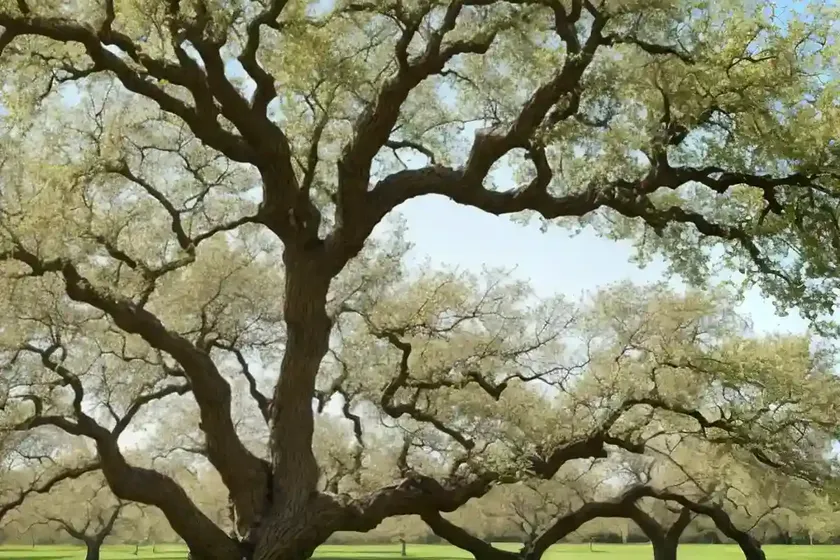
The Hungarian Oak, or Quercus Frainetto, belongs to the Fagaceae family and is a deciduous tree native to Eastern Europe, particularly the Balkans. It is widely cultivated for its high-quality timber and is esteemed for its ornamental value. This majestic tree can grow up to 30 meters in height and is known for its broad, rounded crown and sturdy, durable wood.
Key Takeaways – Hungarian Oak (Quercus Frainetto)
Before we embark on understanding the nuances of Hungarian Oak care and management, let’s outline some of the key takeaways associated with this remarkable tree:
- Hungarian Oak is a deciduous tree known for its ornamental value and high-quality timber.
- It is native to Eastern Europe, especially the Balkans, and is widely cultivated for its wood.
- The tree can reach a height of up to 30 meters and possesses a broad, rounded crown.
- Its wood is valued for its durability and is used in various applications, including furniture making and construction.
- Hungarian Oak plays a vital role in supporting wildlife and contributes to the ecological stability of its native habitat.
- The tree is resilient and adapted to different environmental conditions, making it a valuable addition to landscapes and urban environments.
Now that we have a bird’s eye view of the Hungarian Oak, let’s journey into the intricate details of its culture, uses, and care requirements.
Culture
Cultivating Hungarian Oak requires a comprehensive understanding of its growth habits, environmental preferences, and maintenance strategies. By providing the ideal cultural conditions, we can ensure the robust development and longevity of this esteemed tree.
Water
Hungarian Oak, once established, exhibits moderate drought tolerance but benefits from regular watering, especially during dry spells. Adequate moisture is vital during the early stages of growth, aiding in the tree’s establishment and root development. However, it is important to avoid waterlogging, as Hungarian Oak prefers well-drained soils.
Sunlight
As a species adapted to varying light conditions, Hungarian Oak thrives in full sun to partial shade. When planted in open areas, it develops a broad, symmetrical crown, showcasing its ornamental beauty. However, it can also tolerate partial shade, making it versatile for landscaping and urban environments.
Fertilizer
When it comes to fertilization, Hungarian Oak typically thrives in nutrient-rich soils. A balanced fertilizer, applied in the early spring, can support healthy growth and foliage density. It is essential to avoid excessive fertilization, as it can lead to imbalanced growth and potential susceptibility to pests and diseases.
Soil
Hungarian Oak favors well-drained, loamy soils with a slightly acidic to neutral pH. The tree demonstrates adaptability to various soil types, including sandy loam and clay loam, as long as they offer adequate drainage. Before planting, it is beneficial to amend the soil with organic matter to enhance its fertility and structure.
Pruning
Pruning plays a crucial role in maintaining the structural integrity and aesthetic appeal of Hungarian Oak. It is advisable to prune the tree during its dormant season to shape its crown, remove dead or damaged branches, and promote air circulation within the canopy. Proper pruning techniques contribute to the tree’s overall health and vigor.
Propagation
Propagation of Hungarian Oak can be achieved through both sexual and asexual methods. The tree produces acorns that can be collected, stratified, and sown in suitable growing conditions. Moreover, hardwood cuttings taken during the dormant season can be utilized for vegetative propagation. By employing these methods, growers can propagate Hungarian Oak to preserve its genetic diversity and expand its cultivation.
Container Popularity
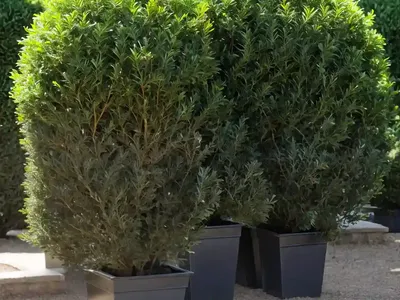
While Hungarian Oak is primarily known for its large-scale cultivation in landscapes and forests, it can also thrive in containers under the right conditions. Container-grown Hungarian Oaks are valued for their ornamental appeal and are often featured in gardens, patios, and outdoor living spaces. When grown in containers, it is crucial to ensure sufficient space for root development and provide adequate drainage to prevent waterlogging.
Common Diseases
Despite its resilience, Hungarian Oak can be susceptible to certain diseases that may impact its health and vitality. Understanding these potential threats is essential for implementing preventive measures and timely interventions to safeguard the tree.
Disease Diagnosis
One of the common diseases that affect Hungarian Oak is oak wilt, caused by the fungus Ceratocystis fagacearum. This disease is characterized by wilting, browning of leaves, and eventual defoliation. Diagnosis of oak wilt involves careful observation of symptoms, laboratory testing, and assessment of the tree’s overall health. Early detection is crucial in managing the spread of this disease and preserving the affected trees.
Common Pests
Pest management is an integral aspect of Hungarian Oak care, as certain insects can pose a threat to its foliage and overall well-being. By recognizing these pests and implementing appropriate control measures, we can mitigate their impact and sustain the tree’s vitality.
Botanist’s Tips
I have compiled a set of valuable tips based on my extensive research and practical experience with Hungarian Oak cultivation. These insights are aimed at supporting enthusiasts, horticulturists, and arborists in their efforts to nurture and appreciate this magnificent tree.
Fun Facts
Uncover the intriguing and lesser-known aspects of Hungarian Oak through a collection of captivating fun facts that highlight its ecological significance, cultural symbolism, and remarkable attributes.
Links to External Resources
To enrich your understanding of Hungarian Oak and delve further into its world, I have curated a selection of authoritative external resources that offer valuable insights, research findings, and practical guidance on various aspects of the tree, from ecology to horticulture.
As we conclude this comprehensive exploration of the Hungarian Oak (Quercus Frainetto), I hope you have gained a profound appreciation for this magnificent tree and the myriad benefits it bestows upon ecosystems and human societies. May this knowledge inspire you to preserve, protect, and celebrate the rich heritage and ecological contributions of Hungarian Oak, ensuring its enduring presence in the natural world and our cultivated landscapes alike.
In case you’re looking for more profound and enlightening knowledge about Hungarian Oak (Quercus Frainetto), we would suggest you check out our further readings.