Quercus Douglasii (Blue Oak)
Quercus douglasii, commonly known as Blue Oak, is a magnificent tree species native to California. As a plant scientist with a passion for exploring the.
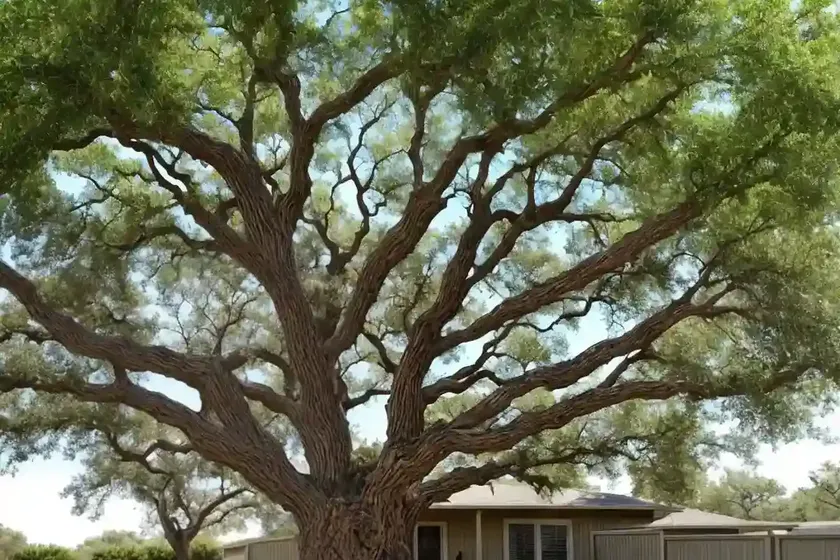
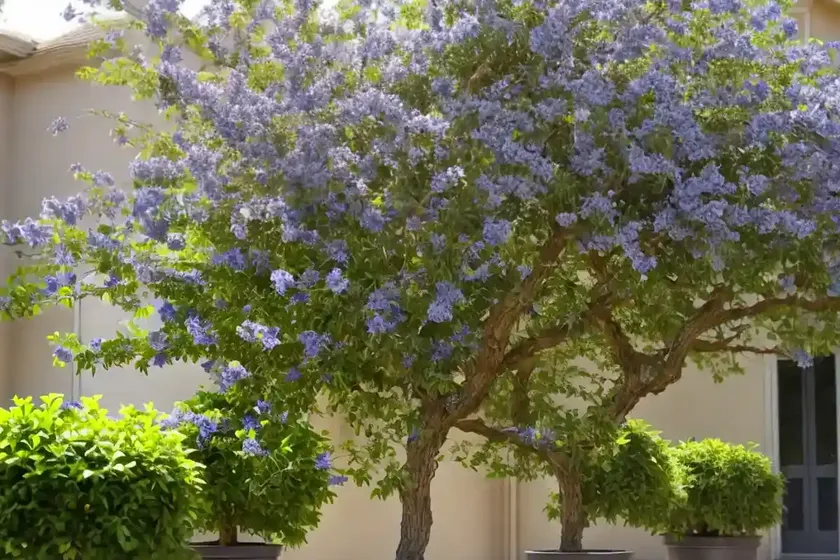
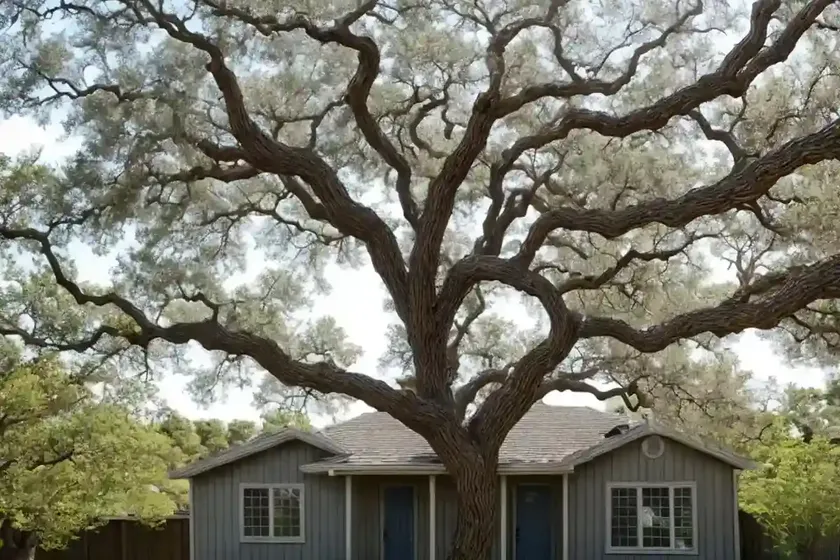
Quercus douglasii, commonly known as Blue Oak, is a magnificent tree species native to California. As a plant scientist with a passion for exploring the diverse world of plants, I am excited to share an in-depth guide on all aspects of this fascinating plant. From its cultural significance to its habitat, growth patterns, care, and much more, this blog post will provide valuable insights into the world of Quercus douglasii.
What is Quercus douglasii (Blue Oak)?
Quercus douglasii, also known as Blue Oak, is a species of oak tree belonging to the Fagaceae family. It is native to California and is renowned for its distinctive blue-green foliage, which sets it apart from other oak species. In addition to its unique appearance, Quercus douglasii plays a vital ecological role in its native habitat and holds cultural significance for various indigenous communities in California.
Key Takeaways – Quercus douglasii (Blue Oak)
Before delving into the specific aspects of Quercus douglasii, let’s take a moment to outline the key takeaways related to this remarkable tree species.
- Scientific Name: Quercus douglasii
- Common Name: Blue Oak
- Family: Fagaceae
- Native Habitat: California
- Distinctive Feature: Blue-green foliage
- Cultural Significance: Symbolism and historical significance
- Ecological Role: Wildlife habitat and conservation
Now, let’s explore the various aspects of Quercus douglasii in detail, covering its culture, uses, care requirements, and ecological significance.
Culture
Understanding the cultural significance of Quercus douglasii is crucial for appreciating its role in various traditions, folklore, and historical contexts. The following points highlight the cultural aspects associated with Blue Oak:
- Indigenous Importance: Quercus douglasii holds deep cultural significance for Native American tribes in California, who have historically revered the tree for its role in providing food, ceremonial items, and medicinal resources.
- Historical Symbolism: The Blue Oak has been a symbol of strength, resilience, and endurance in the folklore and traditions of indigenous communities, representing a connection to the land and the natural world.
- Conservation Heritage: In contemporary culture, Quercus douglasii is increasingly recognized as a symbol of environmental conservation and the preservation of native plant species in California’s landscapes.
Uses
Quercus douglasii serves a variety of practical and symbolic purposes, enriching its value in both ecological and cultural contexts. Here are some key uses of Blue Oak:
- Wildlife Habitat: The tree provides essential habitat for a wide range of wildlife, including birds, mammals, and insects, contributing to the biodiversity of California’s oak woodlands.
- Medicinal Resources: Historically, various parts of Quercus douglasii have been used for medicinal purposes by indigenous communities, including treatments for ailments and as a source of natural remedies.
- Landscape Ornament: In horticulture and landscape design, Blue Oak is valued for its aesthetic appeal, drought tolerance, and ability to enhance the natural beauty of gardens and open spaces.
Water
Understanding the water requirements of Quercus douglasii is pivotal for its successful cultivation and conservation in various environments. Proper water management ensures the tree’s health and resilience, particularly in regions with fluctuating precipitation patterns. Here are the essential considerations for watering Blue Oak:
- Drought Tolerance: Quercus douglasii exhibits remarkable resilience to drought, making it well-suited for arid and semi-arid regions where water availability fluctuates throughout the year.
- Establishment Period: During the initial stages of growth, young Blue Oak trees benefit from regular watering to support root development and establish strong, healthy plants.
- Conservation Practices: In conservation efforts, understanding the natural water requirements of Quercus douglasii is vital for preserving its native habitats and supporting reforestation programs.
Sunlight
The sunlight requirements of Quercus douglasii play a crucial role in determining its growth, foliage quality, and overall well-being. Here are the key considerations for providing optimal sunlight conditions for Blue Oak:
- Full Sun Exposure: Quercus douglasii thrives in full sun environments, requiring direct sunlight for substantial portions of the day to support photosynthesis, growth, and energy production.
- Shade Tolerance: While Blue Oak prefers ample sunlight, it also possesses a degree of shade tolerance, particularly in its early growth stages and in mixed woodland settings.
- Canopy Management: In cultivated landscapes, pruning practices can optimize sunlight penetration to the tree’s canopy, promoting balanced growth and foliage development.
Fertilizer
Understanding the fertilizer requirements of Quercus douglasii is essential for promoting healthy growth and ensuring the tree’s nutritional needs are met. Here are the key aspects of fertilizing Blue Oak:
- Minimal Fertilization: Generally, mature Quercus douglasii trees do not require regular fertilization, as they are adapted to thrive in nutrient-poor soils and can draw sustenance from natural sources.
- Early Growth Support: Young Blue Oak trees benefit from light applications of balanced, slow-release fertilizers during the initial stages of growth, which can aid in establishing strong root systems and healthy foliage.
- Soil Testing: Prior to fertilization, soil analysis and nutrient assessments can inform targeted applications of specific nutrients, if necessary, to address any deficiencies that may limit the tree’s development.
Soil
The soil preferences of Quercus douglasii influence its growth, health, and overall performance in various landscapes. Understanding the tree’s soil requirements is critical for successful cultivation and conservation. Here are the essential soil considerations for Blue Oak:
- Well-Drained Soils: Quercus douglasii thrives in well-drained soils, particularly those with sandy or loamy textures that facilitate proper water infiltration and root aeration.
- Acidic to Neutral pH: The tree prefers soil pH levels ranging from slightly acidic to neutral, typically between 6.0 and 7.5, ensuring optimal nutrient availability and root function.
- Natural Adaptation: Blue Oak is well-adapted to poor soils and is capable of thriving in nutrient-deprived environments, making it a resilient species in diverse ecological settings.
Pruning
Appropriate pruning practices are essential for maintaining the health, structure, and aesthetic appeal of Quercus douglasii. Proper pruning can also contribute to the tree’s long-term resilience and vitality. Here are the key considerations for pruning Blue Oak:
- Formative Pruning: Young Blue Oak trees benefit from formative pruning to encourage desirable growth patterns, establish a strong central leader, and shape the tree’s structure for optimal canopy development.
- Deadwood Removal: Regular inspection and removal of dead or diseased branches contribute to the overall health and vigor of Quercus douglasii, preventing potential sources of decay and infection.
- Cautionary Approach: While pruning can benefit Blue Oak, it is important to approach the process with care and respect for the tree’s natural form, minimizing extensive removal of live foliage and branches.
Propagation
Understanding the propagation methods for Quercus douglasii is pivotal for conservation efforts, reforestation programs, and horticultural initiatives aimed at cultivating new specimens. Here are the primary methods of propagating Blue Oak:
- Seed Propagation: Collecting and sowing Blue Oak acorns is the most common method of propagating the species, allowing for the cultivation of genetically diverse seedlings that reflect the adaptability of the parent trees.
- Vegetative Propagation: While less common, vegetative propagation techniques such as hardwood cuttings and grafting can be employed for specific conservation projects and horticultural applications to preserve the genetic diversity of Quercus douglasii.
Container Popularity
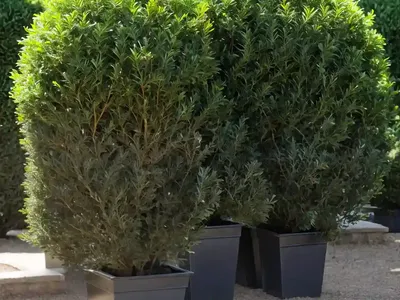
Quercus douglasii exhibits considerable potential for container cultivation, offering opportunities for landscape design, urban forestry, and horticulture in various settings. Here are the key factors contributing to the tree’s container popularity:
- Urban Landscapes: In urban environments, Blue Oak can thrive in large containers, enabling the inclusion of native tree species in confined spaces, parks, and public green areas.
- Horticultural Diversity: Container cultivation of Quercus douglasii allows for the integration of diverse oak species into horticultural displays, botanical gardens, and educational landscapes, showcasing the unique characteristics of the Blue Oak.
- Conservation Efforts: Container propagation of Blue Oak can support conservation initiatives, enabling the cultivation of genetically diverse specimens for reforestation, restoration projects, and educational outreach programs.
Common Diseases
Understanding the potential diseases affecting Quercus douglasii is crucial for implementing proactive management strategies and preserving the health of the tree. Here are some common diseases that may affect Blue Oak:
- Powdery Mildew: A fungal disease that can cause a powdery white coating on the foliage of Quercus douglasii, affecting photosynthesis and overall vigor.
- Oak Wilt: A serious disease that can have devastating effects on oak species, including Blue Oak, causing wilting, leaf discoloration, and dieback in affected trees.
- Anthracnose: A group of fungal diseases that target the foliage and twigs of oak trees, potentially leading to defoliation and reduced vitality in Quercus douglasii.
Disease Diagnosis
Diagnosing diseases in Quercus douglasii requires careful observation, thorough assessment, and potentially laboratory analysis to identify specific pathogens and causes of decline. Here are the key steps in disease diagnosis for Blue Oak:
- Visual Inspection: Careful examination of the foliage, bark, and overall appearance of the tree can provide initial clues to the presence of diseases and abnormal symptoms.
- Symptom Analysis: Identifying specific symptoms such as wilting, leaf spots, discoloration, or unusual growth patterns can help narrow down potential diseases affecting Quercus douglasii.
- Laboratory Testing: In cases of serious or unidentified diseases, collecting and submitting samples for laboratory analysis can provide insights into the specific pathogens and appropriate management strategies.
Common Pests
Quercus douglasii may be susceptible to various pests that can impact its health and vigor. Understanding the common pests affecting Blue Oak is essential for implementing pest management measures. Here are some of the common pests that may affect Quercus douglasii:
- Oak Moth Caterpillars: Caterpillars of several moth species can defoliate Quercus douglasii, particularly during outbreaks, potentially stressing the trees and affecting their vitality.
- Oak Gall Wasps: Certain species of gall wasps can induce the formation of galls on the leaves and twigs of Blue Oak, leading to abnormal growth and potential aesthetic impacts.
- Ambrosia Beetles: These beetles can bore into the bark of Quercus douglasii, potentially introducing fungi and causing damage to the vascular tissues, impacting the tree’s overall health.
Botanist’s Tips
As a botanist familiar with the unique characteristics of Quercus douglasii, I would like to share some valuable tips for cultivating, conserving, and appreciating this iconic oak species:
- Native Landscapes: When incorporating Quercus douglasii into landscapes, consider its native habitat and ecological associations, aiming to create diverse and resilient ecosystems that support the broader conservation of California’s oak woodlands.
- Disease Resistance: Selecting disease-resistant cultivars and supporting tree health through proper care can contribute to the resilience of Blue Oak against common diseases, reducing the need for extensive management interventions.
- Educational Outreach: Engage in educational programs and outreach initiatives that highlight the ecological importance and cultural significance of Quercus douglasii, promoting broader awareness and conservation efforts to protect this iconic tree species.
Fun Facts
To add a bit of intrigue and fascination to the discussion, here are some captivating fun facts about Quercus douglasii (Blue Oak):
- Species Longevity: Blue Oak trees can live for centuries, with some individuals reaching ages of 400 years or more, providing enduring symbols of resilience in California’s landscapes.
- Wildlife Support: The acorns of Quercus douglasii are an essential food source for numerous wildlife species, including birds, squirrels, and deer, contributing to the overall biodiversity of oak woodlands.
- Historical Legacy: Blue Oak has witnessed centuries of human history and ecological changes in California, standing as silent witnesses to the region’s evolution and cultural heritage.
For further exploration and in-depth information on Quercus douglasii, I recommend exploring the following external resources:
- California Native Plant Society – Quercus douglasii (Blue Oak)
- University of California Agriculture and Natural Resources – Blue Oak
- Calflora – Quercus douglasii
- California Oaks Foundation – Blue Oak
- PlantRight – Quercus douglasii
In conclusion, the exploration of Quercus douglasii (Blue Oak) unveils a tapestry of ecological significance, cultural resonance, and inherent resilience. Understanding and celebrating this iconic oak species enriches our appreciation for the diverse plant life that shapes California’s natural landscapes.
As a plant scientist, I encourage fellow enthusiasts, conservationists, and horticulturists to embrace the beauty and importance of Quercus douglasii, promoting its conservation, sustainable cultivation, and enduring legacy in California’s rich botanical tapestry.