Downy Oak (Quercus Pubescens)
Plants are an essential aspect of our ecosystem, providing food, shelter, and oxygen to support life on Earth. Among the myriad of plant species, the Downy.

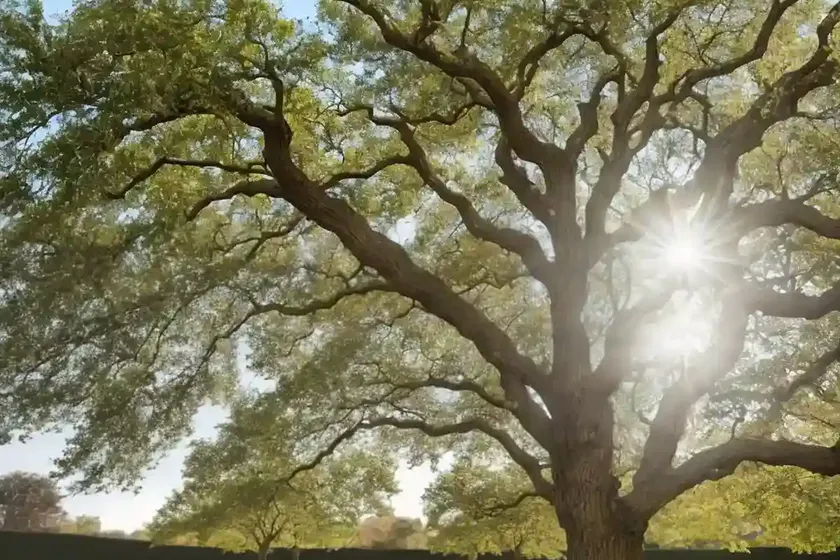

Plants are an essential aspect of our ecosystem, providing food, shelter, and oxygen to support life on Earth. Among the myriad of plant species, the Downy Oak (Quercus pubescens) holds a distinct and captivating position. In this comprehensive guide, we will explore the characteristics, habitat, uses, growth requirements, ecological importance, and much more about the Downy Oak. This will give you a profound understanding of this remarkable plant species, shedding light on its role in the environment and its cultivation potential.
What is Downy Oak (Quercus pubescens)?
Downy Oak, scientifically known as Quercus pubescens, is a species of oak native to southern Europe and southwest Asia. It belongs to the Fagaceae family and is renowned for its striking appearance, ecological significance, and diverse uses. The species name, “pubescens,” alludes to the soft, downy hair present on the undersides of the leaves, a distinct feature of this magnificent tree.
Quercus pubescens Characteristics
Before delving into the specific details about the Downy Oak, let’s take a closer look at the defining characteristics of this species:
-
Scientific Classification:
- Kingdom: Plantae
- Order: Fagales
- Family: Fagaceae
- Genus: Quercus
- Species: Quercus pubescens
-
Leaf Characteristics:
- The leaves of Quercus pubescens are alternate, oblong, and have a glossy dark green upper surface with a distinct downy, velvety texture on the underside. They can grow up to 10 cm in length and 5 cm in width.
-
Bark Features:
- The bark of the Downy Oak is dark gray and develops deep furrows and ridges as the tree matures.
-
Flower and Fruit:
- Downy Oak produces small, inconspicuous flowers that are wind-pollinated. The fruits, also known as acorns, are oval-shaped and enclosed by a scaly cupule.
-
Habitat and Distribution:
- This species thrives in various habitats, including deciduous forests, mixed woodlands, and rocky slopes across its native range in southern Europe and southwest Asia.
-
Ecological Importance:
- Downy Oak plays a vital role in its ecosystem, providing food and shelter for numerous animal species, promoting soil health, and contributing to forest regeneration.
These characteristics form the foundation of our understanding of the Downy Oak, setting the stage for a deeper exploration of its cultivation, uses, and ecological significance.
Key Takeaways – Downy Oak (Quercus pubescens)
To gain a comprehensive understanding of the Downy Oak, it’s essential to explore key aspects related to its culture, uses, growth requirements, common diseases, and more. Let’s delve into each of these categories to uncover the intricacies of Quercus pubescens.
Culture
Cultivating the Downy Oak involves understanding its specific requirements and environmental preferences to ensure optimal growth and development. Here’s a detailed overview of the cultural aspects associated with this remarkable species:
-
Planting Season: Downy Oak saplings are best planted in the spring or early fall to allow them to establish their root systems before facing harsh weather conditions. This timing provides the young trees with an opportunity to acclimate to their new environment and thrive.
-
Soil Preparation: Prior to planting, it’s crucial to prepare the soil to create an optimal growing environment for the Downy Oak. The soil should be well-draining, slightly acidic to neutral (pH 5.5-7), and rich in organic matter. Conducting a soil test can help determine any necessary amendments to ensure the tree’s healthy development.
-
Spacing: When planting multiple Downy Oak trees, adequate spacing is essential to provide each tree with ample room for growth. Typically, saplings should be spaced at least 30 feet apart to accommodate their mature canopy size and root spread.
-
Watering: Young Downy Oaks require regular watering to support their establishment and initial growth. It’s crucial to keep the soil consistently moist but not waterlogged during the first few years after planting. As the trees mature, they exhibit greater drought tolerance, but regular watering during prolonged dry spells is still beneficial.
Uses
The Downy Oak is valued for its diverse uses, ranging from timber production to its role in supporting wildlife. Understanding these uses sheds light on the plant’s economic and ecological significance, making it an even more compelling species to study and cultivate.
-
Timber: Quercus pubescens wood is highly regarded for its quality and is used in various woodworking applications, including furniture, flooring, and construction. The wood is durable, strong, and exhibits an attractive grain pattern, making it a sought-after material in the woodworking industry.
-
Wildlife Habitat: Downy Oak forests provide critical habitat for numerous animal species, including birds, deer, and small mammals. The acorns serve as a vital food source for wildlife, fostering a rich and biodiverse ecosystem within the oak’s native range.
-
Soil Stability: The extensive root system of Downy Oak contributes to soil stability and erosion control, especially on slopes and hilly terrain. The trees’ deep roots help bind the soil, preventing erosion and promoting overall soil health.
Water
Understanding the water requirements of the Downy Oak is crucial for maintaining its health and promoting optimal growth. While the species exhibits a degree of drought tolerance, it is essential to provide sufficient water, particularly during its early growth stages and in times of prolonged dry spells. Proper watering practices are integral to nurturing a thriving population of Downy Oaks and ensuring their long-term survival.
-
Watering Frequency: During the first few years after planting, young Downy Oak trees benefit from regular watering, particularly in the absence of significant rainfall. A deep watering once a week, allowing the water to penetrate the soil to the depth of the root zone, is generally sufficient.
-
Seasonal Considerations: Adjusting the watering schedule based on the seasonal weather patterns is essential. During hot, dry periods, increase the frequency of watering to provide the trees with the moisture they require to thrive. Conversely, reduce watering during cooler, wetter seasons to prevent waterlogging and root rot.
-
Drought Tolerance: As the Downy Oak matures, it exhibits remarkable drought tolerance, largely attributed to its extensive root system and ability to access deeper soil moisture. This characteristic makes it a suitable species for regions prone to periodic droughts, contributing to its resilience in diverse environmental conditions.
Sunlight
Sunlight plays a pivotal role in the growth and development of the Downy Oak, influencing factors such as photosynthesis, canopy structure, and overall tree health. Understanding the species’ sunlight requirements is essential for identifying suitable planting locations and optimizing its growth potential.
-
Light Exposure: Downy Oak is classified as a species that thrives in full to partial sunlight. When selecting a planting site, prioritize locations that receive ample sunlight, particularly during the morning hours when the light is less intense. While the species can tolerate partial shade, providing sufficient sunlight is crucial for robust growth and canopy development.
-
Canopy Management: As Downy Oaks mature, periodic canopy maintenance may be necessary to ensure adequate light penetration and airflow within the tree canopy. Thinning the canopy through selective pruning can help optimize sunlight exposure to the lower branches and promote overall tree health.
-
Site Selection: When planning the establishment of Downy Oaks, assess the site’s sunlight exposure throughout the day to determine the suitability of the location. Conduct a thorough evaluation of the site’s orientation, surrounding structures, and existing vegetation to identify areas that provide the optimal sunlight conditions for the trees.
Fertilizer
Applying appropriate fertilization practices can significantly benefit the growth and vitality of Downy Oak trees, ensuring they receive essential nutrients for robust development and long-term health. By understanding the species’ fertilizer requirements, you can effectively support its growth and contribute to the establishment of thriving Downy Oak populations.
-
Nutrient Needs: Downy Oak trees benefit from fertilization, particularly in nutrient-deficient soils or during their early growth stages. Key nutrients such as nitrogen, phosphorus, and potassium play pivotal roles in supporting the trees’ establishment and sustained growth, making them essential components of a balanced fertilizer regimen.
-
Soil Testing: Conducting a comprehensive soil test can provide valuable insights into the soil’s nutrient composition and pH levels, guiding the development of a targeted fertilization strategy. Soil tests can help identify any nutrient deficiencies and inform the selection of appropriate fertilizer formulations to address the specific needs of Downy Oaks.
-
Application Timing: The timing of fertilizer application is critical to maximize its effectiveness and minimize potential nutrient loss. Applying fertilizers in early spring, before the onset of new growth, allows the trees to efficiently uptake the nutrients as they initiate their growing season, supporting healthy foliage and overall vigor.
-
Formulation Considerations: Selecting a well-balanced, slow-release fertilizer formulation can provide Downy Oaks with a consistent supply of essential nutrients over an extended period. Slow-release fertilizers contribute to sustained growth and minimize the risk of nutrient leaching, ensuring optimal nutrient utilization by the trees.
Soil
The composition and quality of the soil significantly influence the growth and overall health of Downy Oak trees. Understanding the species’ soil preferences and implementing appropriate soil management practices are integral to fostering robust, thriving populations of Quercus pubescens.
-
Soil Type: Downy Oaks thrive in well-draining, loamy soils that are rich in organic matter. The species exhibits a preference for slightly acidic to neutral soils, with pH levels ranging from 5.5 to 7, creating an ideal growing environment for the trees. Prioritize sites with soil characteristics that align with these preferences to promote healthy tree growth.
-
Soil Preparation: Conducting thorough soil preparation before planting Downy Oak saplings is essential to create an optimal environment for their establishment. Incorporating organic matter, such as compost or well-rotted manure, into the soil enhances its fertility and structure, providing a favorable substrate for root development and overall tree vitality.
-
Drainage Considerations: Ensuring adequate soil drainage is crucial to prevent waterlogging, which can lead to root suffocation and disease development. Avoid planting Downy Oaks in areas prone to water accumulation, such as poorly drained clay soils, and consider elevating the planting site or implementing drainage amendments if necessary.
-
Mulching Benefits: Applying a layer of organic mulch around the base of Downy Oak trees offers numerous benefits, including moisture retention, weed suppression, and soil insulation. Organic mulches gradually break down, enriching the soil with nutrients and fostering a favorable environment for root growth and microbial activity.
Pruning
Pruning plays a vital role in the management and maintenance of Downy Oak trees, contributing to their structural integrity, aesthetic appeal, and overall health. Understanding the principles of proper pruning techniques and the timing of pruning activities is essential for optimizing the growth and development of Quercus pubescens.
-
Pruning Objectives: When pruning Downy Oak trees, prioritize objectives such as removing dead or diseased branches, shaping the tree’s canopy, and promoting air circulation and sunlight penetration within the canopy. These objectives contribute to the tree’s long-term health and aesthetic appeal, creating a well-structured and vibrant tree.
-
Pruning Timing: Perform routine pruning activities during the dormant season, typically in late winter to early spring, before new growth begins. Pruning during this period minimizes the stress on the tree and reduces the risk of disease transmission, supporting the trees’ recovery and regrowth as they enter the growing season.
-
Selective Pruning: Adopt a selective pruning approach to target specific branches and areas within the tree canopy, ensuring minimal disruption to the overall tree structure. By selectively removing branches that pose hazards or impede healthy growth, you can guide the tree’s development and maintain its vitality over time.
-
Professional Assistance: In the case of larger, more extensive pruning tasks or trees with complex growth patterns, consulting with a certified arborist or tree care professional is recommended. Their expertise can ensure that pruning activities are conducted in a manner that promotes the long-term health and structural integrity of Downy Oak trees.
Propagation
The propagation of Downy Oak involves the reproduction and multiplication of the species through various methods. Understanding these propagation techniques is fundamental to conserving and expanding the population of Quercus pubescens, contributing to its ecological significance and cultivated diversity.
-
Seed Propagation: Propagating Downy Oak from seeds is a common method that allows for the genetic diversity present within the species to be preserved. Collect acorns from healthy, mature trees in the fall, and store them in a cool, dry environment until the following spring for planting. Seed propagation enables the production of genetically diverse offspring, fostering population resilience and adaptability.
-
Vegetative Propagation: Vegetative propagation techniques, such as hardwood stem cuttings and grafting, offer alternative means of reproducing Downy Oak with specific genetic traits. These methods are particularly valuable for preserving the characteristics of exceptional individual trees and facilitating the cultivation of selected cultivars with desirable traits.
-
Nursery Practices: When propagating Downy Oak in a nursery setting, create optimal conditions for seed germination and seedling growth. Providing suitable growing media, temperature control, and irrigation management supports the successful propagation and establishment of young oak plants, laying the foundation for their future transplantation into the landscape.
-
Conservation and Diversity: The propagation of Downy Oak contributes to the conservation of the species and the preservation of its genetic diversity. By implementing sound propagation practices, individuals and organizations can actively participate in the preservation and proliferation of this remarkable species, ensuring its sustained existence and ecological contributions.
Container Popularity
Downy Oak is also a popular choice for container planting, offering an opportunity to appreciate and cultivate the species in diverse urban and suburban settings. The adaptability of Quercus pubescens to container cultivation presents an avenue for individuals to introduce this majestic tree into their living spaces and landscapes, enhancing the aesthetic and ecological value of the surroundings.
-
Urban Greenery: The container cultivation of Downy Oak contributes to urban greenery initiatives by enabling the incorporation of large, robust trees into urban landscapes and public spaces. The presence of container-grown Downy Oaks enhances the visual appeal of urban environments while providing ecological benefits such as carbon sequestration and air purification.
-
Balcony and Patio Gardens: For individuals with limited outdoor space, container planting offers an opportunity to introduce Downy Oak into balcony and patio gardens. The adaptability of the species to container cultivation allows for the creation of green, leafy sanctuaries within urban dwellings, promoting a connection to nature and supporting biodiversity.
-
Landscape Diversity: Incorporating container-grown Downy Oak into landscape designs enhances diversity and visual interest, adding vertical elements and shaded areas to outdoor settings. The presence of container trees contributes to the creation of dynamic, multi-layered landscapes, enriching the overall aesthetic and ecological integrity of the surroundings.
-
Maintenance Considerations: When cultivating Downy Oak in containers, attention to proper watering, fertilization, and root management is crucial. Provide adequate space for root development, select well-draining potting mixes, and ensure regular monitoring of the tree’s growth and health to support its vitality in containerized environments.
Common Diseases
As with any plant species, Downy Oak is susceptible to certain diseases that can impact its health and vigor. Recognizing and understanding these common diseases is essential for implementing effective management strategies and preserving the well-being of Quercus pubescens within natural and cultivated settings.
Disease Diagnosis
-
Powdery Mildew (Erysiphe alphitoides): Powdery mildew is a fungal disease that commonly affects Downy Oak, manifesting as a white, powdery coating on the leaves and small, round growths on the stems. The disease can weaken the tree over time, leading to reduced vigor and aesthetic decline.
-
Bacterial Leaf Scorch (Xylella fastidiosa): Bacterial leaf scorch is caused by the Xylella fastidiosa bacterium and can lead to leaf discoloration, browning, and premature leaf drop. The disease affects the water-conducting tissues of the tree, resulting in significant stress and potential long-term decline.
-
Oak Wilt (Ceratocystis fagacearum): Oak wilt is a devastating disease that affects various oak species, including the Downy Oak. It is characterized by wilting leaves, discoloration, and rapid tree mortality. Oak wilt management strategies focus on preventing the spread of the disease through root grafts and insect vectors.
-
Anthracnose (Apiognomonia quercina): Anthracnose is a fungal disease that causes irregularly shaped brown lesions on the leaves of Downy Oak. In severe cases, the disease can lead to defoliation and reduced growth. Implementing cultural practices and fungicidal treatments can help manage anthracnose outbreaks.
-
Root Rot (Phytophthora spp.): Root rot pathogens, such as various Phytophthora species, can infect the root system of Downy Oak, leading to root decay, poor nutrient uptake, and overall decline. Preventing overwatering and improving soil drainage are essential components of root rot management.
Common Pests
A range of pests can potentially impact the health and vitality of Downy Oak trees, requiring vigilance and proactive management to mitigate their effects. Familiarizing yourself with these common pests and their associated symptoms equips you with the knowledge necessary to identify and address potential threats to Quercus pubescens.
-
Gypsy Moth (Lymantria dispar): The gypsy moth is a notorious defoliator that can significantly damage Downy Oak trees through voracious feeding on the foliage. Monitoring for egg masses and caterpillar activity, along with implementing biological and chemical control measures, aids in managing gypsy moth populations.
-
Oak Lace Bug (Corythucha arcuata): Oak lace bugs are small, sap-feeding insects that can cause yellowing and stippling of the leaves. These pests can lead to aesthetic decline and reduced vigor in infested trees. Targeted insecticidal treatments and cultural practices support effective oak lace bug management.
-
Oak Gall Wasps (Cynipidae family): Various species of gall wasps can induce the formation of galls on Downy Oak leaves and stems. While the galls themselves typically have minimal impact on tree health, heavy infestations may necessitate localized management measures to limit gall formation and preserve tree aesthetics.
-
Oak Spider Mites (Oligonychus bicolor): Spider mites are common pests that can infest Downy Oak, leading to stippled, discolored foliage and webbing on the leaves. Implementing integrated pest management strategies, including beneficial predator conservation and selective miticide applications, aids in managing oak spider mite populations.
-
Oak Bark Beetles (Scolytus spp.): Bark beetles can pose a threat to Downy Oak by tunneling into the tree’s bark, causing damage and potential disease transmission. Ensuring tree health, promptly removing and disposing of infested material, and monitoring for beetle activity support the prevention and management of bark beetle infestations.
Botanist’s Tips
To effectively cultivate and appreciate the beauty and ecological significance of Downy Oak, consider the following botanist’s tips:
- Species Diversity: Explore the diverse range of oak species, including Downy Oak, to appreciate the