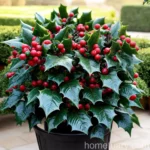
Longstalk Holly (Ilex pedunculosa): A Plant Profile and Care Guide
Longstalk holly (Ilex pedunculosa) is a beautiful evergreen shrub that belongs to the genus Ilex. With its glossy leaves and vibrant red berries, it is a popular choice for landscaping and gardens. In this blog post, we will explore the characteristics, cultivation, and care tips for longstalk holly, a versatile and visually appealing plant.
What is Longstalk Holly (Ilex pedunculosa)?
Longstalk holly, scientifically known as Ilex pedunculosa, is a species of holly native to East Asia, including Japan and China. It is a slow-growing, compact evergreen shrub, typically reaching a height of 6 to 10 feet with a similar spread. The plant is characterized by its long, slender upright stems and dark green, glossy leaves that have serrated edges. One of the most striking features of longstalk holly is its bright red berries, which adorn the plant in the fall and winter, adding color and interest to the landscape.
Key Takeaways for Longstalk Holly (Ilex pedunculosa)
Before diving into the details of its cultivation and care, let’s outline some key takeaways for longstalk holly:
- Longstalk holly is an evergreen shrub with glossy, dark green leaves and bright red berries.
- It is native to East Asia, including Japan and China.
- The plant is prized for its ornamental value and is commonly used in landscaping and gardens.
- Longstalk holly prefers well-draining, acidic soil and partial to full sunlight.
- It is relatively low-maintenance and has good tolerance to urban pollution.
With these key points in mind, let’s delve into the specifics of cultivating and caring for longstalk holly to ensure its optimal growth and health.
Culture
Uses
Longstalk holly is valued for its ornamental qualities and is used in various landscaping and garden settings. Some common uses and applications of Ilex pedunculosa include:
- Hedge plant: Its dense growth habit and foliage make it well-suited for creating hedges and privacy screens.
- Ornamental specimen: Longstalk holly can be planted as a standalone ornamental shrub to add visual appeal to gardens and landscapes.
- Wildlife habitat: The berries of longstalk holly serve as a food source for birds during the winter, making it a valuable addition to wildlife gardens.
Water
Proper watering is essential for the health and vigor of longstalk holly. While it is important to ensure an adequate water supply, the plant also requires well-draining soil to prevent waterlogging, which can lead to root rot and other issues.
- Established plants: Once established, longstalk holly is relatively drought-tolerant and can withstand periods of moderate drought.
- Young plants: Newly planted longstalk holly should receive regular watering to help them establish a strong root system. Water deeply and consistently during the first growing season.
Sunlight
Longstalk holly thrives in partial to full sunlight, making it well-suited for a range of light conditions in the landscape. Here are some considerations regarding sunlight exposure for Ilex pedunculosa:
- Full sunlight: Longstalk holly prefers full sun to partial shade, where it can display its best growth and berry production.
- Shade tolerance: While it prefers sunlight, it can tolerate some shade, especially in hotter climates.
Fertilizer
Fertilization can help promote healthy growth and berry production in longstalk holly. When it comes to fertilizing Ilex pedunculosa, consider the following:
- Timing: Apply a balanced, slow-release fertilizer in late winter or early spring before the onset of new growth.
- Amount: Follow the recommended dosage based on the specific fertilizer product used, and avoid over-fertilization, which can lead to excessive vegetative growth at the expense of berry production.
Soil
Longstalk holly has specific soil requirements that contribute to its overall health and performance. Here are the key soil considerations for cultivating Ilex pedunculosa:
- Acidic soil: It thrives in well-draining, acidic soil with a pH range of 5.0 to 6.5. Amend the soil with organic matter if necessary to improve drainage and acidity.
- Avoid waterlogged conditions: Ensure that the soil provides good drainage to prevent waterlogging, which can lead to root rot.
Pruning
Pruning is an essential part of longstalk holly maintenance, contributing to its overall appearance, health, and berry production. Consider the following tips for pruning Ilex pedunculosa:
- Timing: Prune longstalk holly in late winter or early spring before the onset of new growth to minimize stress on the plant and to shape it as desired.
- Removing dead or damaged growth: Regularly inspect the plant for any dead, damaged, or diseased branches and prune them as needed to maintain plant health.
Propagation
If you want to propagate longstalk holly, several methods can be employed to create new plants. Here are some common propagation techniques for Ilex pedunculosa:
- Seeds: Harvest and plant fresh seeds in a well-draining potting mix, keeping them consistently moist until germination occurs.
- Softwood cuttings: Take softwood cuttings in early summer and root them in a suitable rooting medium under controlled conditions, such as a propagation bench or mist system.
Container Popularity
Longstalk holly can be grown in containers, offering flexibility in placement and enhancing the visual appeal of outdoor spaces. Consider the following factors when growing Ilex pedunculosa in containers:
- Container size: Use a container that accommodates the mature size of the plant and provides adequate root space.
- Drainage: Ensure that the container has drainage holes to prevent waterlogging, which can be detrimental to the plant’s health.
Common Diseases and Pests
Disease Diagnosis
While longstalk holly is relatively resistant to diseases, it is still susceptible to certain issues that can impact its health. Common diseases that may affect Ilex pedunculosa include:
- Leaf spot: Fungal leaf spot diseases can occur in conditions of high humidity and poor air circulation, leading to the development of dark spots on the leaves.
- Root rot: This can occur in poorly draining soils or in waterlogged conditions, leading to the decay of the plant’s root system.
Common Pests
Pests can occasionally pose problems for longstalk holly, affecting its foliage and overall vitality. Here are some common pests that may impact Ilex pedunculosa:
- Scale insects: These small, sap-feeding insects can infest the leaves and stems of longstalk holly, causing yellowing and weakening of the plant.
- Spider mites: These tiny arachnids can cause stippling and discoloration of the leaves, particularly in hot and dry conditions.
Botanist’s Tips for Longstalk Holly
To ensure the successful cultivation and care of longstalk holly, it is helpful to keep in mind these botanist’s tips:
- Monitor soil moisture: Regularly check the soil moisture levels and adjust your watering practices accordingly to avoid both drought stress and waterlogging.
- Prune selectively: When pruning, focus on removing dead or damaged branches and aim to maintain the plant’s natural shape and form.
- Inspect for pests and diseases: Routinely inspect the plant for signs of pests or diseases, and promptly address any issues to prevent them from spreading.
Fun Facts about Longstalk Holly
As we explore the world of longstalk holly, let’s uncover some interesting and lesser-known facts about this fascinating plant:
- The bright red berries of longstalk holly are a valuable food source for birds during the winter months, providing sustenance when other food options are scarce.
- Traditional medicinal uses: In some cultures, parts of the longstalk holly plant have been used in herbal remedies for various ailments.
- Symbolism: Holly has been associated with various cultural and religious traditions, often symbolizing protection and good fortune.
Links to External Resources
For more in-depth information on longstalk holly (Ilex pedunculosa), refer to the following external resources:
- The American Holly Society: A comprehensive resource for holly enthusiasts, featuring information on different holly species, cultivation tips, and more.
- University Extension Services: Various university extension services offer valuable guides on growing hollies, including tips specific to longstalk holly.
- Royal Horticultural Society: Explore detailed plant profiles and cultivation advice, including care tips for Ilex pedunculosa.
In conclusion, longstalk holly (Ilex pedunculosa) is a versatile and visually striking plant that can enhance the beauty of any landscape or garden. By understanding its cultural needs, proper care practices, and potential challenges, you can successfully cultivate and maintain this captivating shrub, creating a delightful and vibrant outdoor environment.
Remember to take advantage of the resources and expert guidance available to further enrich your knowledge and appreciation for longstalk holly. With the right care and attention, this resilient and charming plant will thrive and reward you with its enduring beauty and ecological contributions.
Keywords: longstalk holly benefits, Ilex pedunculosa care tips, longstalk holly plant characteristics, growing Ilex pedunculosa, longstalk holly plant profile, Ilex pedunculosa description, longstalk holly varieties, Ilex pedunculosa planting guide, longstalk holly propagation methods, Ilex pedunculosa pruning techniques, longstalk holly disease prevention, Ilex pedunculosa pest control, longstalk holly companion plants, Ilex pedunculosa landscape uses, longstalk holly gardening ideas, Ilex pedunculosa seasonal care, longstalk holly soil requirements, Ilex pedunculosa sun exposure, longstalk holly water needs, Ilex pedunculosa wildlife attraction, longstalk holly decorative uses, Ilex pedunculosa medicinal properties, longstalk holly herbal uses, Ilex pedunculosa drought tolerance, longstalk holly cold hardiness, Ilex pedunculosa native habitat, longstalk holly plant family, Ilex pedunculosa leaf characteristics, longstalk holly flower description, Ilex pedunculosa fruit details, longstalk holly growth rate, Ilex pedunculosa plant size, longstalk holly landscape design, Ilex pedunculosa container gardening, longstalk holly bonsai care, Ilex pedunculosa seasonal color, longstalk holly leaf drop, Ilex pedunculosa garden uses, longstalk holly climate preferences, Ilex pedunculosa root system, longstalk holly root depth, Ilex pedunculosa winter care, longstalk holly evergreen characteristics, Ilex pedunculosa companion shrubs, longstalk holly wildlife habitat, Ilex pedunculosa ornamental value, longstalk holly pollination requirements, Ilex pedunculosa flowering period, longstalk holly fall color, Ilex pedunculosa pruning schedule