Oakleaf Hydrangea (Hydrangea Quercifolia ‘Brido’ SNOW FLAKE)
Plants are an integral part of our ecosystem, offering aesthetic appeal, ecological balance, and contributing to the overall well-being of our planet..
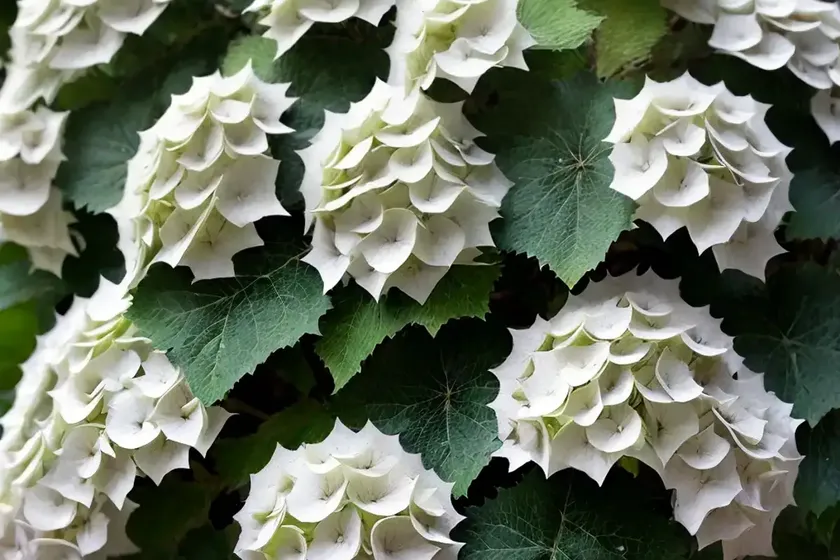
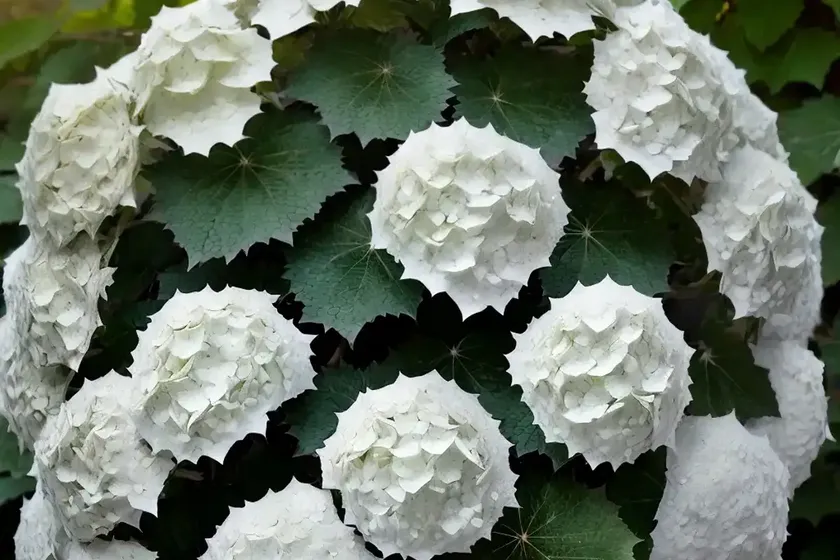
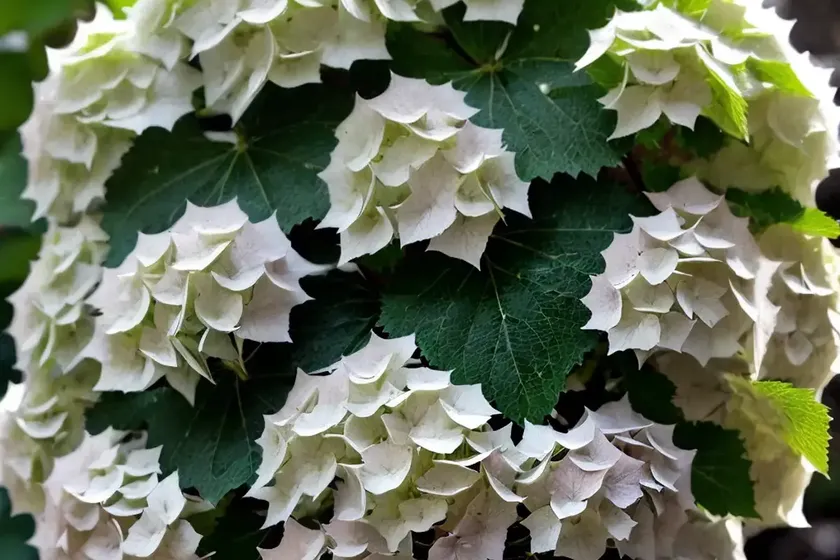
Plants are an integral part of our ecosystem, offering aesthetic appeal, ecological balance, and contributing to the overall well-being of our planet. Among the plethora of plants, the oakleaf hydrangea (Hydrangea quercifolia ‘Brido’ SNOW FLAKE) stands out for its unique features and versatility. In this comprehensive guide, we’ll explore the various aspects of oakleaf hydrangea, from its cultural significance to its growth habits and care requirements.
What is Oakleaf Hydrangea?
Oakleaf hydrangea, scientifically known as Hydrangea quercifolia ‘Brido’ SNOW FLAKE, is a deciduous flowering shrub that belongs to the family Hydrangeaceae. This native North American plant is a popular choice among gardeners and landscape designers due to its attractive foliage, beautiful blooms, and adaptability to diverse growing conditions. The plant’s name “oakleaf” is derived from its leaves, which resemble the shape of oak tree leaves.
Key Takeaways – Oakleaf Hydrangea (Hydrangea quercifolia ‘Brido’ SNOW FLAKE)
Before delving into the specific details of oakleaf hydrangea, here are the key takeaways that encapsulate its significance and appeal:
- Cultural Uses: Oakleaf hydrangea is commonly used in landscaping, gardens, and naturalistic settings to add visual interest and texture.
- Water: It thrives well in moist, well-drained soil and requires regular watering, especially during dry periods.
- Sunlight: While it prefers partial shade, it can also tolerate full sun if provided with adequate moisture.
- Fertilizer: Minimal fertilization is necessary, with a focus on organic, slow-release formulations.
- Soil: It prefers loamy, well-drained soil with a slightly acidic to neutral pH.
- Pruning: Proper pruning is essential for shaping the plant, removing dead wood, and promoting healthy growth.
- Propagation: It can be propagated through softwood cuttings, division, or seeds, with softwood cuttings being the most common method.
- Container Popularity: Due to its manageable size, oakleaf hydrangea is suitable for container gardening in patio or urban settings.
- Common Diseases: It is susceptible to certain fungal diseases such as powdery mildew, but proper care and maintenance can mitigate the risk.
- Common Pests: While relatively pest-resistant, it may occasionally attract aphids, spider mites, and scale insects.
- Botanist’s Tips: Understanding its growth habits and seasonal care requirements is crucial for cultivating healthy and vibrant oakleaf hydrangeas.
- Fun Facts: Oakleaf hydrangea exhibits color changes in its foliage during the fall, adding seasonal interest to the landscape. It’s also known for its cone-shaped flower clusters, called panicles, which can persist through winter.
- External Resources: We’ll provide links to external resources for further exploration and in-depth information about oakleaf hydrangea.
Let’s dive deeper into the various facets of oakleaf hydrangea, addressing its cultural significance, growth habits, and care requirements in detail.
Cultural Uses
Landscaping and Gardens
Oakleaf hydrangea holds significant appeal in the landscaping industry, valued for its ornamental attributes and adaptability to diverse environments. As a native plant, it seamlessly integrates into naturalistic settings, woodland gardens, and traditional landscapes. Due to its striking foliage and captivating blooms, it is often used as a focal point or an understory accent plant, adding visual interest and seasonal variation to the surroundings.
The plant’s robust growth habit and tolerance to different light conditions make it a versatile choice for various garden designs. Whether placed in shaded borders, woodland gardens, or mixed perennial beds, oakleaf hydrangea brings a dynamic element to the landscape, enhancing its overall appeal and ecological value.
Naturalistic Settings and Habitat Restoration
In addition to its ornamental uses, oakleaf hydrangea also contributes to habitat restoration and conservation efforts. Its native status and preference for woodland environments make it a valuable component in re-establishing natural ecosystems, especially in areas with fragmented habitats or disrupted forest understories. By promoting the growth of native species like oakleaf hydrangea, conservationists and environmental organizations aim to support biodiversity and enhance ecological resilience within local ecosystems.
Water
Proper water management is crucial for the health and vigor of oakleaf hydrangea. As a moisture-loving plant, it thrives in consistently moist soil that offers good drainage. Adequate hydration is particularly essential during the plant’s establishment phase, as well as during hot, dry periods. However, waterlogging should be avoided, as it can lead to root rot and other moisture-related issues.
Watering Guidelines
- Establishment Phase: Newly planted oakleaf hydrangeas require regular watering to promote root establishment and minimize transplant shock. Water deeply at the base of the plant, ensuring that the soil remains consistently moist (but not waterlogged) during the initial growth period.
- Seasonal Considerations: During the growing season, monitor the soil moisture regularly and adjust the watering frequency based on the weather conditions. Increased water may be necessary during prolonged dry spells, while reduced watering is advisable during cooler, wetter periods.
- Mulching Benefits: Applying a layer of organic mulch around the base of the plant helps retain soil moisture, regulates temperature, and reduces water evaporation, thereby promoting optimal growing conditions for oakleaf hydrangea.
Sunlight
Oakleaf hydrangea displays a versatile sun tolerance, capable of thriving in both partial shade and dappled sunlight. While it inherently prefers filtered light conditions, it can also adapt to full sun exposure under certain circumstances. Understanding the plant’s light requirements is paramount for ensuring its health and overall performance in the landscape.
Sunlight Requirements
- Partial Shade: Providing dappled sunlight or partial shade, especially during the afternoon hours, is conducive to the optimal growth and development of oakleaf hydrangea. Partial shade helps protect the plant from the intense midday sun, preventing excessive wilting and leaf scorch in hot climates.
- Full Sun Considerations: In regions with milder climates and adequate soil moisture, oakleaf hydrangea can tolerate full sun exposure, albeit with vigilant attention to watering and soil moisture management. Incorporating mulch and suitable irrigation practices can help mitigate the potential stress from prolonged sun exposure.
Fertilizer
Fertilization plays a supportive role in cultivating healthy, vibrant oakleaf hydrangeas, enhancing their growth, and bolstering their ornamental features. While the plant is relatively undemanding in terms of fertilizer requirements, providing essential nutrients at appropriate times can contribute to its overall well-being.
Fertilization Guidelines
- Minimal Application: Oakleaf hydrangeas generally have low to moderate fertilizer needs, making them well-suited for leaner soil conditions. Excessive fertilization can result in overly lush foliage at the expense of flowering, disrupting the plant’s natural balance.
- Organic Options: Opt for organic, slow-release fertilizers specifically formulated for acid-loving plants, as they gradually release nutrients over an extended period, promoting steady growth and minimizing the risk of nutrient leaching.
- Timing: Apply fertilizer in early spring before new growth emerges, as this supports the plant’s initial development and prepares it for the upcoming growing season. Refrain from fertilizing in late summer or fall, as promoting new growth during this period can make the plant susceptible to winter damage.
Soil
The soil composition and pH level significantly influence the health and performance of oakleaf hydrangea. As an acid-loving plant, it thrives in well-drained, organically rich soil with a slightly acidic to neutral pH range. Understanding the soil requirements and making appropriate adjustments can create an optimal growing environment for the plant.
Soil Requirements
- Physical Composition: Oakleaf hydrangea flourishes in loamy, well-drained soil that facilitates adequate aeration and water permeability. Avoid heavy, compacted soils that can impede root development and water absorption.
- pH Considerations: Aim for a soil pH ranging from slightly acidic (around 6.0) to neutral (7.0), as this pH range optimizes nutrient availability and uptake for the plant. Conduct a soil test to assess the existing pH and make necessary adjustments using organic amendments if needed.
Pruning
Pruning is an essential aspect of oakleaf hydrangea care, encompassing shaping, dead wood removal, and flowerhead maintenance. Strategic pruning techniques promote plant health, enhance its aesthetic appeal, and ensure prolific blooming in subsequent seasons.
Pruning Guidelines
- Timing: Schedule pruning activities for oakleaf hydrangea during the late winter or early spring before new growth emerges. This timing allows for the removal of dead or damaged wood and the shaping of the plant without interfering with its flowering cycle.
- Deadheading: Remove spent flowerheads after the bloom period to encourage new growth and support the plant’s energy allocation. Cut the stems just above the first set of healthy buds or leaves to promote a flush of new blooms in the subsequent flowering season.
- Renewal Pruning: Periodically performing renewal pruning by selectively removing older, woody stems at ground level helps rejuvenate the plant, stimulate new growth, and maintain its vigor.
Propagation
The propagation of oakleaf hydrangea involves various methods, allowing gardeners and horticulturists to propagate new plants from established specimens. Understanding the different propagation techniques provides flexibility and opportunities for expanding plant collections and contributing to conservation efforts.
Propagation Methods
- Softwood Cuttings: Propagation through softwood cuttings is a commonly used technique for oakleaf hydrangea. Select a healthy, non-flowering shoot with soft, pliable stems, and prepare the cuttings for rooting in a controlled environment with optimal moisture and humidity levels.
- Division: Established plants can be propagated through division, wherein the root ball is carefully separated into smaller sections, each containing viable roots and shoots. This method is typically performed during the plant’s dormant season to minimize stress and support successful establishment.
- Seeds: While less common, growing oakleaf hydrangea from seeds is feasible by collecting mature seeds from the plant’s dried flowerheads, sowing them in a suitable growing medium, and providing conducive conditions for germination and seedling development.
Container Popularity
Due to its manageable size and adaptability, oakleaf hydrangea is well-suited for container gardening, offering an appealing option for urban and patio settings. Growing oakleaf hydrangea in containers provides flexibility in terms of placement, seasonal maintenance, and design integration, making it an attractive choice for various gardening enthusiasts.
Container Gardening Tips
- Container Selection: Choose a spacious, well-draining container that accommodates the plant’s root system and allows for ample soil volume. Opt for containers with drainage holes to prevent waterlogging and ensure root aeration.
- Soil Mix: Use a high-quality, lightweight potting mix enriched with organic matter, ensuring adequate fertility and water retention while promoting proper drainage. Incorporate perlite or coarse sand to enhance soil structure and facilitate root health.
- Watering Management: Monitor the soil moisture regularly and water the plant as needed, adjusting the frequency based on environmental conditions and seasonal requirements. Container-grown plants typically dry out faster and may need more frequent watering than those in the ground.
Common Diseases
Despite its resilience, oakleaf hydrangea is susceptible to certain diseases, particularly fungal infections that can impact its foliage and overall health. Recognizing the symptoms and adopting preventive measures are critical for managing disease-related challenges and preserving the plant’s vitality.
Disease Diagnosis
- Powdery Mildew: Characterized by the development of a powdery, white coating on the plant’s leaves, powdery mildew thrives in humid environments and can compromise leaf function and aesthetics. To mitigate this issue, maintain proper air circulation, avoid overhead watering, and apply fungicidal treatments if necessary.
- Cercospora Leaf Spot: Cercospora leaf spot manifests as circular lesions with distinct margins on the plant’s foliage, leading to leaf yellowing and premature defoliation. To manage this disease, practice diligent sanitation by removing and disposing of infected leaves, and consider applying fungicidal sprays during conducive conditions.
Common Pests
While oakleaf hydrangea is relatively resistant to pest infestations, certain insects may occasionally pose challenges to its health and appearance. Vigilance, early detection, and integrated pest management strategies are instrumental in safeguarding the plant from pest-related issues.
Pest Management
- Aphids: Keep an eye out for aphid infestations, which can result in distorted growth, honeydew accumulation, and secondary fungal infections. Prune affected plant parts and consider employing natural predators, such as ladybugs, to maintain aphid populations.
- Spider Mites: Spider mites may target oakleaf hydrangea, leading to stippled, discolored foliage, webbing on the undersides of leaves, and general decline in plant vigor. Regularly hose down the plant to dislodge mites, and provide adequate moisture and environmental conditions that discourage mite proliferation.
- Scale Insects: Scale insects can affect the plant’s twigs and branches, causing yellowing, wilting, and reduced vitality. Control scale populations through physical removal, insecticidal soaps, or horticultural oils, ensuring thorough coverage of the affected areas.
Botanist’s Tips
Having a deep understanding of oakleaf hydrangea’s growth habits and seasonal care requirements empowers gardeners and horticulturists to cultivate healthy, thriving plants. Here are some crucial tips from a botanist’s perspective:
- Understanding Growth Habits: Familiarize yourself with the natural growth habits, flowering patterns, and seasonal changes exhibited by oakleaf hydrangea, allowing for informed planning and care strategies.
- Adaptive Planting: Assess the site conditions, including light levels, soil quality, and moisture availability, to determine the most suitable location for planting oakleaf hydrangea, thereby optimizing its growth and vitality.
- Pruning Adherence: Adhere to proper pruning practices, ensuring that each cut is made with precision and purpose to support the plant’s overall health and aesthetic form.
- Observation and Monitoring: Regularly observe the plant for signs of stress, pest activity, or nutrient deficiencies, intervening promptly to address any emerging issues and maintain optimal growing conditions.
Fun Facts
Exploring the fascinating aspects of oakleaf hydrangea unveils a myriad of intriguing and captivating details that contribute to its allure and appeal. Here are some fun facts about oakleaf hydrangea:
- Seasonal Foliage Changes: The plant’s leaves undergo striking color transformations during the fall, transitioning from green to vibrant shades of red, bronze, and purple, adding a dramatic and captivating display to the landscape.
- Persistent Panicles: Oakleaf hydrangea’s cone-shaped flower clusters, known as panicles, endure through the winter season, offering visual interest and textural diversity in the garden during the colder months.
- Wildlife Habitat Value: Besides its ornamental features, oakleaf hydrangea provides habitat and forage for various wildlife species, including insects, birds, and small mammals, making it a valuable ecological asset in natural settings.
Links to External Resources
For further exploration and in-depth information about oakleaf hydrangea, consider visiting the following external resources:
-
The American Hydrangea Society: The official website of The American Hydrangea Society provides valuable resources, articles, and educational materials related to various hydrangea species, including oakleaf hydrangea.
-
Extension Services: Cooperative Extension services offer comprehensive guides and publications on growing hydrangeas, offering practical advice and research-based recommendations for successful cultivation.
-
Botanical Gardens and Arboreta: Explore botanical gardens and arboreta in your region or country that may feature oakleaf hydrangea as part of their living collections, providing opportunities for firsthand observation and inspiration.
-
Horticultural Societies and Forums: Engage with horticultural societies and online gardening forums to connect with fellow enthusiasts, exchange insights, and gather valuable tips and experiences related to growing oakleaf hydrangea.
In conclusion, oakleaf hydrangea (Hydrangea quercifolia ‘Brido’ SNOW FLAKE) is a remarkable plant with multifaceted attributes, from its cultural significance and ornamental appeal to its adaptability and ecological value. By delving into its care requirements, growth habits, and botanical intricacies, we can further appreciate and cultivate this remarkable species, enriching our landscapes and natural environments.
Remember to explore the supplied external resources for additional information and connect with botanical organizations and gardening communities to deepen your knowledge and appreciation of oakleaf hydrangea. Happy gardening!


