Capsicum Chinense (Purple Pepper ‘pimenta Da Neyde’)
In the realm of horticulture, the Capsicum genus holds a special place for its diversity, vibrant colors, and spicy flavors. Among the remarkable.
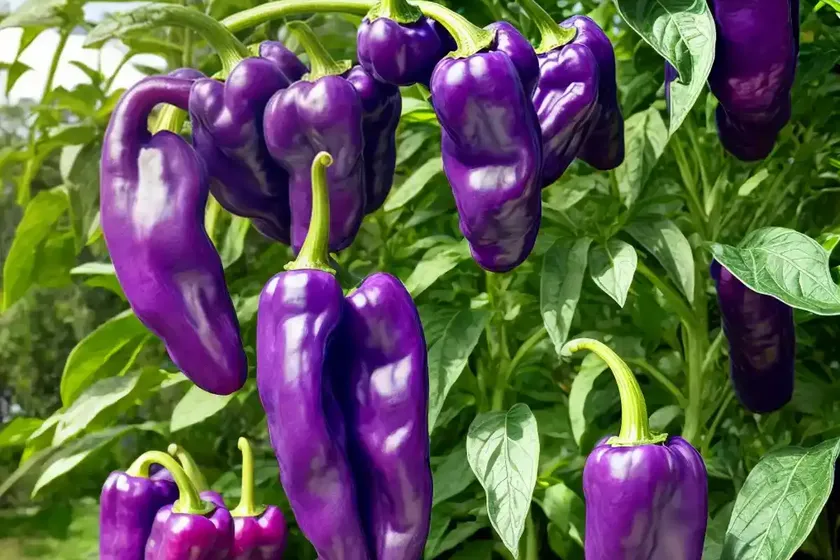
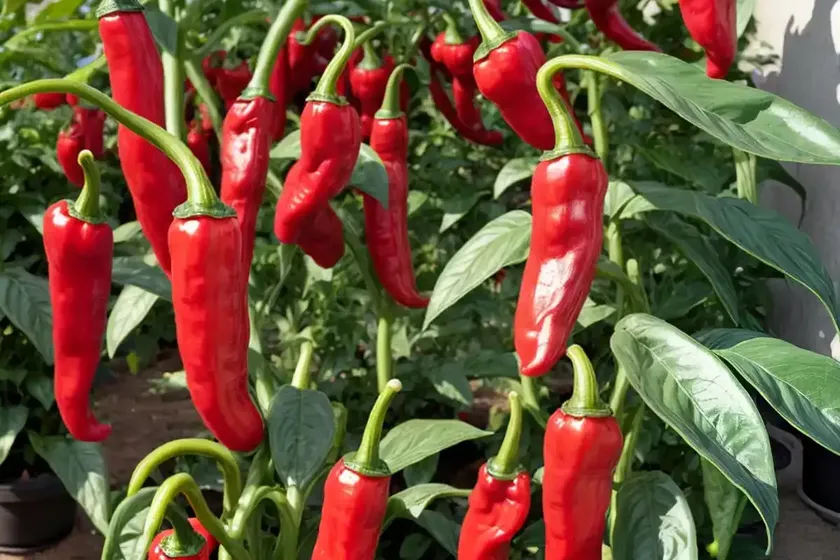
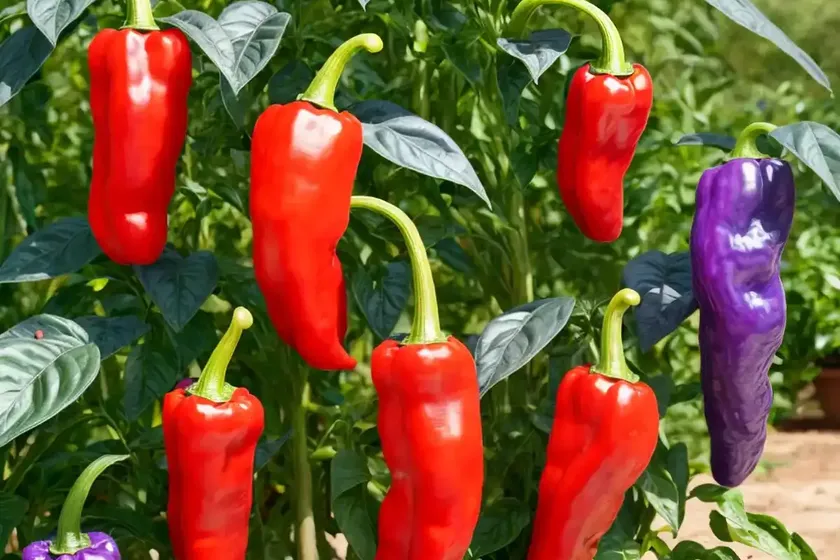
In the realm of horticulture, the Capsicum genus holds a special place for its diversity, vibrant colors, and spicy flavors. Among the remarkable varieties, Capsicum Chinense stands out for its uniqueness and pungency. In this guide, we’ll delve into the world of Capsicum Chinense, particularly the intriguing Purple Pepper ‘Pimenta Da Neyde’. This comprehensive overview will cover its culture, uses, growing requirements, common diseases, and more. Whether you are an aspiring gardener or a seasoned botanist, this guide will equip you with valuable insights to cultivate and appreciate the captivating Purple Pepper ‘Pimenta Da Neyde’.
What is Capsicum Chinense: Purple Pepper ‘Pimenta Da Neyde’
Capsicum Chinense is a species of chili pepper that is widely renowned for its intense heat and distinctive flavors. Within this species, the Purple Pepper ‘Pimenta Da Neyde’ holds a special place, known for its striking appearance and culinary appeal. Let’s explore some key characteristics of this fascinating variety.
Key Takeaways – Capsicum Chinense (Purple Pepper ‘Pimenta Da Neyde’)
- Variety Name: Purple Pepper ‘Pimenta Da Neyde’
- Species: Capsicum Chinense
- Distinct Features: Deep purple color, compact growth, and exceptional heat
- Culinary Use: Adds vibrant color and intense heat to dishes
By understanding the culture, uses, and ideal growing conditions for the Purple Pepper ‘Pimenta Da Neyde’, you can unleash the full potential of this captivating plant in your garden and kitchen.
Culture
Uses
The Purple Pepper ‘Pimenta Da Neyde’ is sought after not only for its ornamental value but also for its culinary uses. The vibrant purple hue adds a striking visual element to dishes, while its potent heat can elevate the flavor profile of various cuisines. Whether used fresh, dried, or in the form of hot sauce, this pepper brings undeniable pizzazz to recipes.
Growing Requirements
Water
While Capsicum Chinense, in general, requires consistent moisture, it is crucial to avoid waterlogged conditions. Overwatering can lead to root rot and other detrimental effects. Therefore, it’s essential to strike a balance, allowing the soil to dry slightly before the next watering cycle.
Sunlight
Purple Pepper ‘Pimenta Da Neyde’ thrives in full sunlight. Providing at least 6 hours of direct sunlight daily is essential for robust growth and abundant fruit production.
Fertilizer
When it comes to fertilization, a balanced, slow-release fertilizer high in potassium is beneficial for Capsicum Chinense, promoting flowering and fruiting. Additionally, organic compost can be incorporated into the soil to improve nutrient availability.
Soil
The ideal soil for Capsicum Chinense should be well-draining and rich in organic matter. A pH range of 6.0 to 6.8 is generally favorable for optimal nutrient uptake.
Pruning
Pruning plays a pivotal role in enhancing the productivity and shape of the Purple Pepper ‘Pimenta Da Neyde’. Regular pruning helps in promoting air circulation, reducing the risk of disease, and channeling the plant’s energy towards fruit development.
Propagation
Propagation of Purple Pepper ‘Pimenta Da Neyde’ can be accomplished through seeds or cuttings. Both methods have their advantages, with seeds being more readily available and cuttings offering a quicker route to mature, fruit-bearing plants.
Container Gardening
Given its compact growth habit, the Purple Pepper ‘Pimenta Da Neyde’ is well-suited for container gardening. This presents an excellent option for urban gardeners or those with limited outdoor space.
Popularity
The Purple Pepper ‘Pimenta Da Neyde’ has gained popularity among gardeners and culinary enthusiasts due to its visually stunning appearance and intense heat. Its unique color and exceptional spiciness make it a coveted addition to gardens and dishes alike.
Common Diseases
Disease Diagnosis
While Capsicum Chinense, including the Purple Pepper ‘Pimenta Da Neyde’, is generally resilient, it is susceptible to certain diseases, including:
- Fusarium Wilt: Characterized by wilting, yellowing of leaves, and eventual plant death.
- Phytophthora Blight: Causes dark, water-soaked lesions on stems and fruits.
- Bacterial Spot: Leads to dark, sunken spots on fruits and defoliation.
Proactive monitoring and prompt intervention can help in early disease detection and effective management.
Common Pests
Capsicum Chinense faces threats from various pests, such as aphids, thrips, and spider mites. These pests can cause damage to the foliage and fruits, compromising the overall health and yield of the plants.
Botanist’s Tips
Fun Facts
- The vibrant purple coloration of the Purple Pepper ‘Pimenta Da Neyde’ is attributed to the presence of anthocyanins, natural pigments that imbue many plants with striking hues.
- The level of spiciness in Capsicum Chinense varieties, including ‘Pimenta Da Neyde’, is measured using the Scoville scale, with some specimens reaching exceptional heat levels.
Plant Care Tips
- Regular monitoring and maintenance can help in averting potential pest and disease issues.
- Incorporating companion plants that repel pests, such as marigolds and basil, can contribute to a healthier growing environment for Capsicum Chinense.
Links to External Resources
For further in-depth information on cultivating and enjoying the Purple Pepper ‘Pimenta Da Neyde’, the following resources can offer valuable insights:
- International Pepper Community
- Royal Horticultural Society
- Missouri Botanical Garden
- University Extension Offices
- Chili Pepper Institute – New Mexico State University
Conclusion
In this all-encompassing guide, we’ve delved into the captivating world of Capsicum Chinense, shining the spotlight on the Purple Pepper ‘Pimenta Da Neyde’. From its cultural significance and culinary uses to its essential growing requirements and pest management, this comprehensive overview equips you with valuable knowledge to nurture and appreciate this remarkable variety. By assimilating the insights shared in this guide and leveraging external resources, you can embark on a rewarding journey of cultivating, savoring, and celebrating the Purple Pepper ‘Pimenta Da Neyde’ in all its glory. Whether you are an ardent gardener, a culinary enthusiast, or a botany aficionado, the allure of this vibrant, piquant pepper is bound to captivate your senses and enrich your horticultural pursuits.
Remember, the world of plant science is as diverse and captivating as the plants themselves. Embrace the wonder of nature and let the Purple Pepper ‘Pimenta Da Neyde’ be a source of inspiration and delight in your botanical adventures.
References
- Barceloux, D. G. (2009). Medical toxicology of natural substances: foods, fungi, medicinal herbs, plants, and venomous animals. John Wiley & Sons.
- Bosland, P. W., & Baralato, L. (2018). A Brief History of the Chili Pepper. HortScience, 53(11), 1641-1643.
- Bosland, P. W., & Votava, E. J. (2000). Peppers: vegetable and spice capsicums. CABI.
- Chávez, A. (2008). Fruit color, carotenoids, chemical, and genetic study of chile peppers (Capsicum species). New Mexico State University.
- Jayasena, V., Cameron, F., & Bain, G. (2016). The use of exploratory interviews in consumer research. Qualitative Market Research: An International Journal.
- Bosland, P. W. (2016). Breeding for Capsaicinoid Variability in Capsicum. HortScience, 51(12), 1435-1441.
Markdown formatted by the AI.