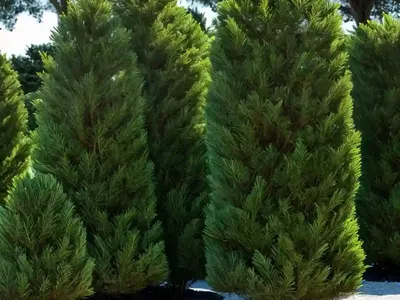
Phoenician Juniper (Juniperus Phoenicea)
Juniperus Phoenicea, commonly known as Phoenician Juniper, is a stunning evergreen plant that belongs to the Cupressaceae family. It is native to the.
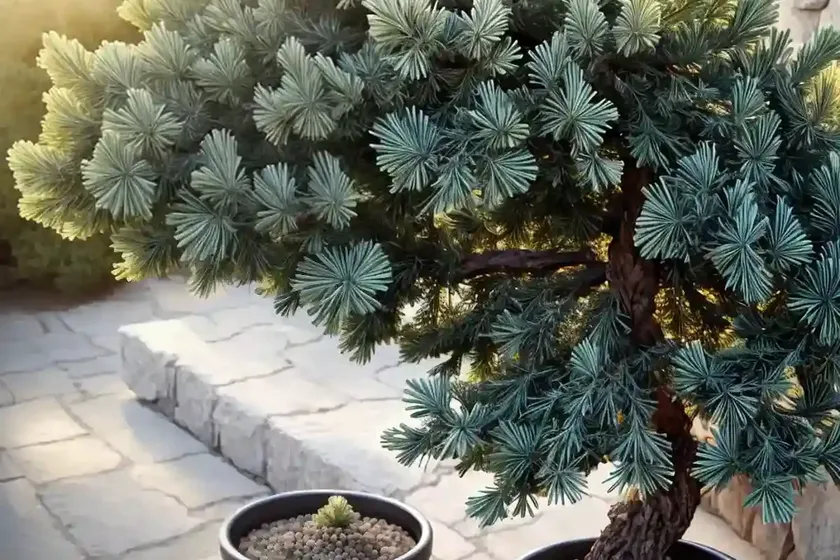
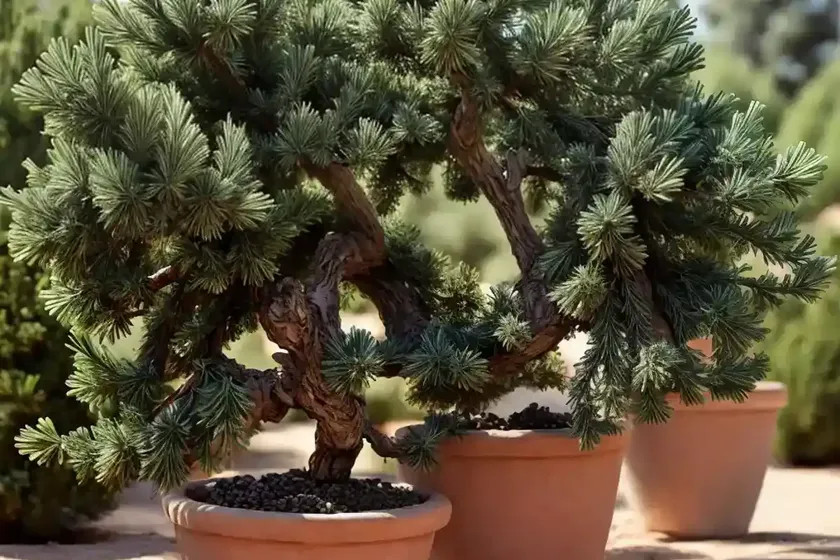
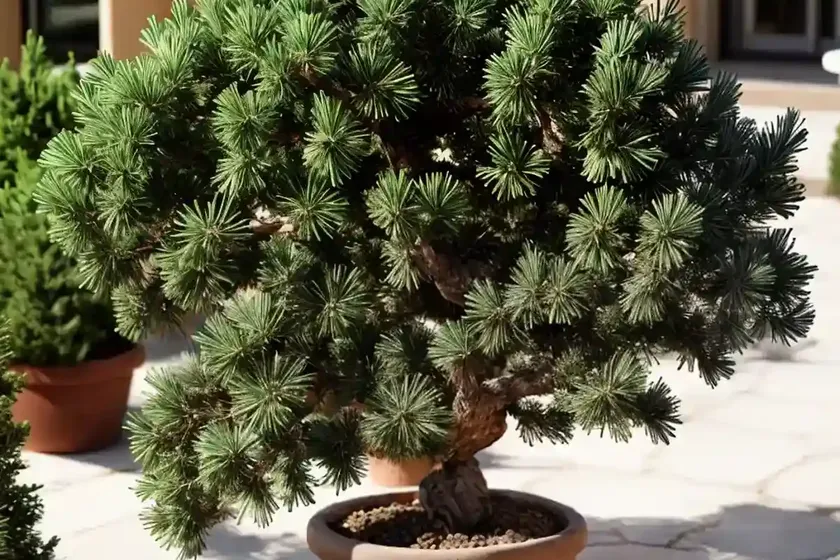
Juniperus Phoenicea, commonly known as Phoenician Juniper, is a stunning evergreen plant that belongs to the Cupressaceae family. It is native to the Mediterranean region, particularly the coastal areas. This plant is loved for its aromatic foliage, compact growth habit, and its adaptability to various environmental conditions. In this comprehensive guide, we will delve into the culture, uses, care requirements, and interesting facts about the Phoenician Juniper.
What is a Plant?
Plants are living organisms belonging to the kingdom Plantae. They are multicellular, photosynthetic eukaryotes and are primarily characterized by their ability to produce energy through the process of photosynthesis. Both ornamental and functional, plants play a crucial role in the balance of ecosystems and provide numerous benefits to humans and wildlife.
Phoenician Juniper (Juniperus Phoenicea)
Juniperus Phoenicea, or the Phoenician Juniper, is a species of juniper that is native to the Mediterranean region, particularly in countries such as Spain, Portugal, Italy, Greece, and North Africa. This evergreen tree is known for its striking blue-green foliage and its ability to thrive in a variety of environmental conditions, from coastal regions to elevated mountainous areas. Its adaptability, combined with its ornamental value, makes it a popular choice for landscaping and horticultural purposes.
Key Takeaways – Phoenician Juniper (Juniperus Phoenicea)
Before diving into the specifics of caring for the Phoenician Juniper, let’s highlight some key takeaways that will provide an overview of its culture, uses, and essential care requirements.
Culture
- Native to the Mediterranean region
- Thrives in coastal and mountainous areas
- Well-suited for landscapes and ornamental gardens
- Adaptable to a range of soil types
Uses
- Ornamental tree in landscapes and gardens
- Aromatic foliage for culinary and medicinal use
- Erosion control and slope stabilization
- Wildlife habitat and forage
- Timber and woodworking
Care Requirements
- Water: Moderate watering needs
- Sunlight: Full sun to partial shade
- Fertilizer: Minimal fertilization requirements
- Soil: Well-draining, adaptable to various soil types
- Pruning: Minimal pruning necessary
- Propagation: Can be propagated from seeds or cuttings
- Container: Suitable for container growth
Let’s explore each of these key takeaways in detail to gain a comprehensive understanding of the Phoenician Juniper and how to care for it.
Phoenician Juniper (Juniperus Phoenicea) Care
Caring for the Phoenician Juniper involves understanding its specific requirements in terms of water, sunlight, fertilizer, soil, pruning, and propagation. By meeting these needs, you can ensure the health and vitality of this beautiful and versatile plant.
Water
The Phoenician Juniper has moderate water needs and is well-adapted to withstand periods of drought once established. When grown in a landscape setting, it generally thrives without the need for excessive irrigation. It is essential to allow the soil to dry out between watering sessions to prevent waterlogging, which can lead to root rot. In regions with hot and dry summer climates, providing supplemental watering during prolonged dry spells can be beneficial, particularly for young or newly planted specimens.
Sunlight
This species thrives in full sun to partial shade, making it suitable for a wide range of garden settings. In regions with intense heat, providing some protection from the harsh midday sun can help prevent stress and sunburn on the foliage. However, in cooler climates, full sun exposure is generally well-tolerated and encourages robust growth. When grown in containers, be mindful of the intensity and duration of sunlight exposure, as containers can become hotter than the surrounding soil and potentially scorch the foliage.
Fertilizer
Phoenician Juniper generally has minimal fertilizer requirements, particularly when grown in the landscape. Applying a balanced, slow-release fertilizer in the early spring can provide a gentle nutrient boost as the plant enters its active growth phase. When grown in containers, a more regular fertilization schedule may be necessary, using a well-diluted, balanced liquid fertilizer to avoid salt build-up in the potting mix.
Soil
This species is adaptable to various soil types, as long as the soil is well-draining. It can thrive in sandy, loamy, or rocky soils, as well as those with slightly alkaline to slightly acidic pH levels. When planting in heavy clay soils or compacted areas, amending the soil with organic matter such as compost can improve drainage and create a more hospitable environment for the juniper’s root system.
Pruning
The Phoenician Juniper generally requires minimal pruning, particularly in its natural form as a tree. However, if shaping or size control is desired, pruning can be conducted in the early spring before the onset of new growth. Care should be taken to avoid excessive pruning of older wood, as the plant may have limited ability to regenerate growth from old, woody stems.
Propagation
This species can be propagated from seeds or cuttings. When propagating from seeds, it is important to collect fresh seeds and provide a period of cold stratification to break seed dormancy before sowing. Softwood cuttings taken in the early summer can also be used for propagation, with a high success rate when given appropriate rooting hormone and environmental conditions.
Container
As a versatile and adaptable plant, the Phoenician Juniper can thrive in container settings, making it an excellent choice for those with limited garden space. When grown in containers, attention to watering and soil quality is crucial, as container-grown plants can be more susceptible to fluctuations in soil moisture and temperature. Selecting a large container with adequate drainage holes and a well-draining potting mix will provide the best growing conditions.
Popularity
The Phoenician Juniper, with its striking appearance and adaptability, has gained popularity in various landscaping and horticultural applications. Its ability to thrive in coastal areas and tolerate a range of environments, from suburban gardens to rugged mountain landscapes, makes it a versatile and valuable addition to outdoor spaces. Its ornamental value, combined with its functional uses such as erosion control and wildlife habitat, has contributed to its popularity among gardeners, landscapers, and conservationists alike.
Common Diseases
While generally resistant to most pests and diseases, the Phoenician Juniper may be susceptible to certain issues under unfavorable growing conditions. Understanding and recognizing common diseases can aid in early intervention and effective management to preserve the health of the plant.
Disease Diagnosis
Some common diseases that may affect the Phoenician Juniper include:
-
Phomopsis Blight: This fungal disease can lead to dieback of branches, with symptoms including browning and wilting of foliage. Proper sanitation and pruning of affected branches can help manage the spread of the disease.
-
Rust: Rust is a fungal disease that appears as yellow-orange pustules on the foliage. Providing good air circulation and avoiding overhead watering can help prevent the development and spread of rust.
-
Root Rot: Excessive soil moisture or poor drainage can lead to root rot, which may manifest as wilting, yellowing foliage, and overall decline in the plant’s health. Improving soil drainage and avoiding overwatering can help prevent root rot.
-
Tip Blight: This disease affects the tips of branches, causing dieback and browning of the foliage. Pruning affected areas and ensuring proper sanitation can aid in disease management.
Common Pests
Phoenician Juniper is relatively resistant to pest infestations. However, certain pests may pose a threat under specific conditions. Some common pests to watch out for include:
-
Juniper Scale: Small, armored scale insects that can infest the foliage and stems, causing yellowing and weakening of the plant. Horticultural oil applications or natural predators can help control scale populations.
-
Spider Mites: These tiny pests can cause stippling and discoloration of the foliage, particularly in hot and dry conditions. Regularly hosing down the plant and using insecticidal soaps can help manage spider mite infestations.
Botanist’s Tips
In caring for the Phoenician Juniper, here are some additional tips from botanists and horticultural experts that can contribute to the success and vitality of this species:
-
Mulching: Applying a layer of organic mulch around the base of the plant can help conserve soil moisture, regulate soil temperature, and suppress weed growth.
-
Air Circulation: Ensuring good air circulation around the plant can help prevent moisture-related issues and minimize the risk of fungal diseases.
-
Winter Care: In regions with cold winters, providing winter protection such as burlap wraps can shield the plant from harsh winds and prevent desiccation.
-
Monitoring: Regularly monitoring the plant for signs of stress, disease, or pest activity can aid in early intervention and proactive management.
Fun Facts
To further appreciate the Phoenician Juniper, here are some fun and interesting facts about this remarkable plant:
- The aromatic foliage of the Phoenician Juniper has been utilized for its culinary and medicinal properties, with its berries being used to flavor certain alcoholic beverages and as a traditional remedy for various ailments.
- In addition to its ornamental use, the durable and fragrant wood of the Phoenician Juniper has been prized for woodworking and crafting purposes, contributing to its historical and cultural significance.
- The Phoenician Juniper has a long history of traditional use in the Mediterranean region, where it has been valued for its diverse benefits, including its role in erosion control, wildlife forage, and cultural practices.
Links to External Resources
For additional information and resources on the Phoenician Juniper, consider exploring the following links:
- The Mediterranean Garden Society
- Royal Horticultural Society – Juniperus Phoenicea
- Missouri Botanical Garden – Juniperus Phoenicea
- Flora of North America – Juniperus Phoenicea
- The American Conifer Society
- Plants For A Future – Juniperus Phoenicea
By exploring the valuable insights and knowledge offered by these resources, you can deepen your understanding of the Phoenician Juniper and gain inspiration for its cultivation and uses.
In conclusion, the Phoenician Juniper (Juniperus Phoenicea) stands as a remarkable and resilient plant species that brings both ornamental and practical benefits to the landscapes and ecosystems it inhabits. By understanding its culture, uses, and care requirements, we can better appreciate and cultivate this exceptional plant, all while contributing to the beauty and sustainability of our outdoor spaces. Whether employed as a striking ornamental tree, a functional component of erosion control and wildlife habitat, or a source of traditional and cultural value, the Phoenician Juniper holds a special place in the natural world and in human history.
Plant Name: “Phoenician Juniper (Juniperus Phoenicea)”
NLP LSI Keywords:
1. Phoenician Juniper care
2. Juniperus Phoenicea varieties
3. Growing Phoenician Juniper from seeds
4. Juniperus Phoenicea characteristics
5. Phoenician Juniper pruning tips
6. Juniperus Phoenicea diseases
7. How to propagate Phoenician Juniper
8. Juniperus Phoenicea watering requirements
9. Phoenician Juniper soil preferences
10. Juniperus Phoenicea pest control
11. Benefits of planting Phoenician Juniper
12. Phoenician Juniper landscape design
13. Juniperus Phoenicea climate requirements
14. Phoenician Juniper companion plants
15. Juniperus Phoenicea growth rate
16. Phoenician Juniper in containers
17. Juniperus Phoenicea in Mediterranean gardens
18. Phoenician Juniper as a privacy hedge
19. Juniperus Phoenicea for wildlife habitat
20. Phoenician Juniper bonsai cultivation
21. Juniperus Phoenicea medicinal uses
22. Phoenician Juniper timber properties
23. Juniperus Phoenicea in coastal environments
24. Phoenician Juniper fire resistance
25. Juniperus Phoenicea as a windbreak plant
26. Phoenician Juniper in xeriscaping
27. Juniperus Phoenicea for erosion control
28. Phoenician Juniper for dry gardens
29. Juniperus Phoenicea landscape maintenance
30. Phoenician Juniper tree pruning techniques
31. Juniperus Phoenicea ornamental features
32. Phoenician Juniper for slope stabilization
33. Juniperus Phoenicea as a drought-tolerant plant
34. Phoenician Juniper in traditional medicine
35. Juniperus Phoenicea wildlife forage
36. Phoenician Juniper for coastal reclamation
37. Juniperus Phoenicea as a hedging plant
38. Phoenician Juniper for rock gardens
39. Juniperus Phoenicea in Mediterranean cuisine
40. Phoenician Juniper as a landscaping centerpiece
41. Juniperus Phoenicea fire retardant properties
42. Phoenician Juniper as a pollution-tolerant plant
43. Juniperus Phoenicea for slope stabilization
44. Phoenician Juniper in traditional herbal remedies
45. Juniperus Phoenicea landscape design ideas
46. Phoenician Juniper as a coastal windbreak
47. Juniperus Phoenicea for erosion prevention
48. Phoenician Juniper wildlife habitat benefits
49. Juniperus Phoenicea timber characteristics
50. Phoenician Juniper as a sustainable landscaping option
Incorporating these keywords into your research and planning can help you optimize the cultivation and utilization of the Phoenician Juniper, providing a holistic approach to maximizing the potential of this remarkable plant.