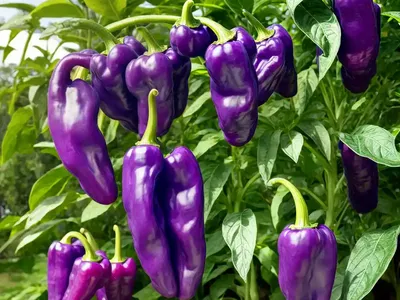
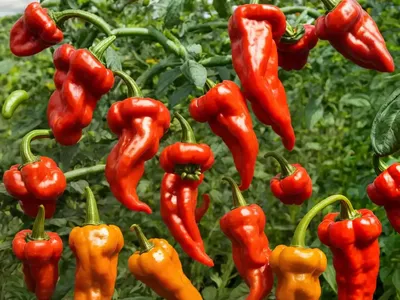
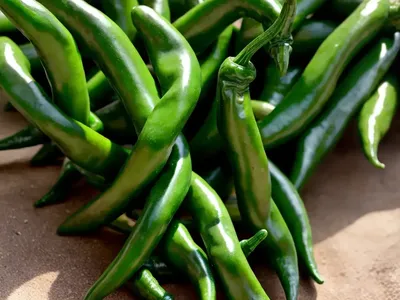
Shishito Pepper (Shishito Pepper)
The Shishito pepper, known for its mild and slightly sweet flavor, has been gaining popularity in the culinary world for its unique taste and versatility.
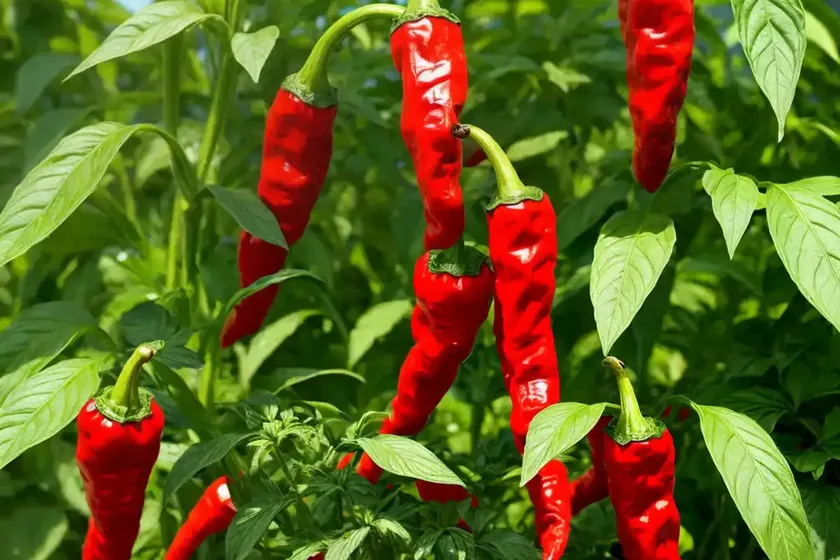
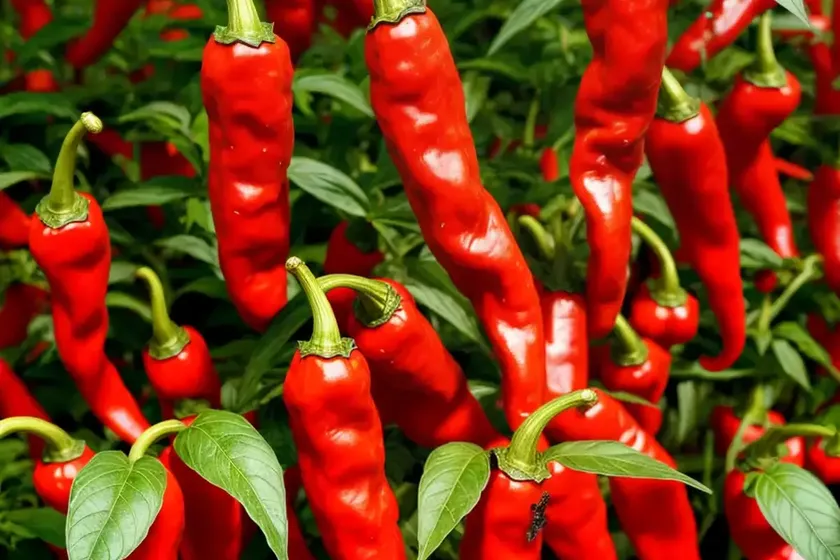
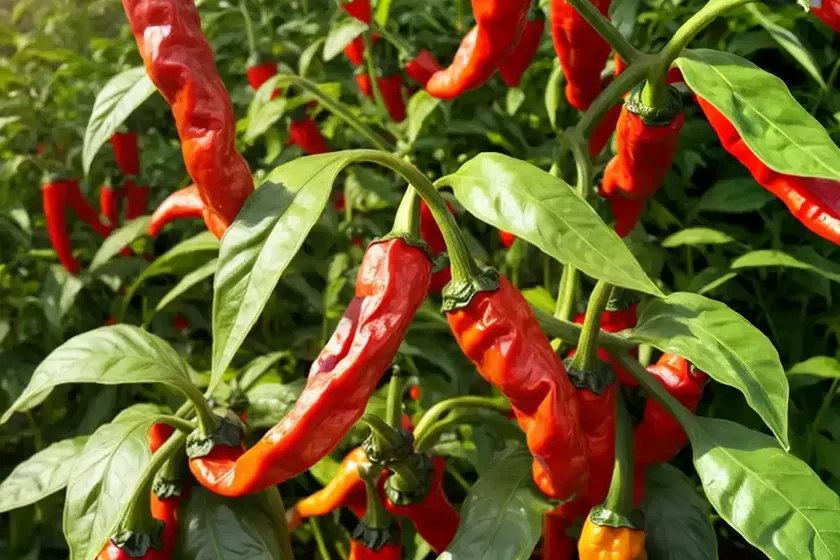
The Shishito pepper, known for its mild and slightly sweet flavor, has been gaining popularity in the culinary world for its unique taste and versatility in various dishes. In this comprehensive guide, we will explore the cultivation, care, and interesting aspects of the Shishito pepper plant from a plant scientist’s perspective.
What is Shishito Pepper?
Shishito Pepper, or Capsicum annuum, is a Japanese variety of the sweet pepper. It is a thin-skinned pepper that is approximately 3-4 inches in length and has a wrinkled appearance. When harvested early, Shishito peppers are usually green, and as they mature, they turn into a bright red color.
Key Takeaways – Shishito Pepper
- Shishito peppers are prized for their mild, sweet flavor and are often used in various culinary dishes and appetizers.
- These peppers are relatively easy to grow and can be cultivated in containers, making them suitable for home gardeners.
- They require well-draining soil, ample sunlight, and consistent watering to thrive.
- Proper care can help in managing common pests and diseases, ensuring a healthy and bountiful harvest.
Cultivation of Shishito Pepper
Uses
The Shishito pepper is commonly used in a variety of culinary dishes and recipes due to its mild and sweet flavor. It can be roasted, grilled, or stir-fried to be used in appetizers, main courses, or as a flavorful garnish in various cuisines.
Water
Shishito peppers require regular and consistent watering, particularly during dry spells or when grown in containers. It is important to maintain evenly moist soil without over-watering to prevent waterlogged conditions, which can lead to root rot.
Sunlight
Being a warm-weather crop, Shishito peppers thrive in full sunlight. They require at least 6-8 hours of direct sunlight daily to promote healthy growth and fruit production.
Fertilizer
A balanced fertilizer with a slightly higher phosphorus and potassium content is recommended for Shishito peppers. Fertilize the plants at the time of planting and then periodically throughout the growing season, following the manufacturer’s recommendations.
Soil
Well-draining, loamy soil with a slightly acidic to neutral pH (6.0-7.0) is ideal for cultivating Shishito peppers. Amending the soil with compost can improve its texture and fertility, promoting better root development and overall plant health.
Pruning Shishito Pepper
Pruning Shishito pepper plants can encourage better air circulation, reduce the risk of diseases, and promote more prolific fruit production. Remove any dead or diseased foliage, and consider pruning to remove overcrowded branches to allow for better light penetration.
Propagation
Shishito peppers can be propagated from seeds, which are typically started indoors 6-8 weeks before the last expected frost date. The seeds should be sown in well-draining seed-starting mix and kept moist until germination occurs.
Container Popularity
Due to their compact size and ornamental nature, Shishito peppers are well-suited for container gardening. Growing them in containers allows for flexibility in placement and is ideal for those with limited garden space.
Common Diseases and Pests
Disease Diagnosis
Shishito pepper plants are susceptible to diseases such as powdery mildew, bacterial spot, and anthracnose. Regular inspection of the foliage for any signs of discoloration, wilting, or unusual growth can help in early disease diagnosis and management.
Common Pests
Common pests that can affect Shishito pepper plants include aphids, whiteflies, and spider mites. These pests can be controlled through methods such as using insecticidal soaps, introducing beneficial predators, or employing physical barriers.
Botanist’s Tips
- When growing Shishito peppers from seeds, ensure that the soil temperature is consistently warm, as they require optimal warmth for germination and early growth.
- During fruit set, provide consistent moisture to prevent blossom end rot, which can affect the quality of the peppers.
Fun Facts
- Shishito peppers are usually harvested when they are green and immature. At this stage, they are mild and slightly sweet.
- About 1 in 10 Shishito peppers is said to be spicy, adding an element of surprise to dishes and culinary experiences.
Links to External Resources
For further information on Shishito pepper benefits, recipes, and growing tips, refer to the following external resources:
- Shishito Pepper Recipes and Cooking Methods
- Growing Shishito Peppers: Tips and Techniques
- Health Benefits of Shishito Peppers in Cuisine
Shishito Pepper Plant Care
Shishito Pepper Care Instructions
- Water: Consistent and even moisture is crucial for healthy plant growth and fruit development. Ensure that the soil is kept evenly moist but not waterlogged.
- Sunlight: Shishito peppers thrive in full sunlight. Provide at least 6-8 hours of direct sunlight daily for optimal growth.
- Soil: Well-draining loamy soil with a slightly acidic to neutral pH is ideal for cultivating Shishito peppers.
- Fertilizer: Use a balanced fertilizer with a slightly higher phosphorus and potassium content to promote healthy fruit production.
- Pruning: Prune the plants to encourage better air circulation and reduce the risk of diseases.
Shishito Pepper Growing Tips
- When transplanting Shishito pepper seedlings, ensure that the soil is warm and all risk of frost has passed.
- Mulching around the plants can help in conserving soil moisture and suppressing weed growth, providing a healthier growing environment for the peppers.
- Stake or support the plants if necessary to prevent the branches from bending or breaking under the weight of the fruit.
Shishito Pepper Plant Watering Schedule
- Water the plants regularly, particularly during dry spells or when grown in containers.
- Avoid over-watering, as it can lead to waterlogged conditions and root rot.
Shishito Pepper in Cuisine
Shishito Pepper Uses
- The mild and sweet flavor of Shishito peppers makes them versatile for various culinary uses.
- They can be grilled, pan-fried, or roasted to be served as appetizers, added to salads, or incorporated into main dishes.
Shishito Pepper Recipes
- From stuffed Shishito peppers to flavorful appetizers, there are numerous recipes that showcase the unique taste of Shishito peppers.
Shishito Pepper Pairings
- Shishito peppers pair well with ingredients such as garlic, soy sauce, lemon, and sea salt, adding depth and flavor to dishes.
Health Benefits of Shishito Peppers
While Shishito peppers are low in calories, they are a good source of vitamins A and C, as well as antioxidants. Incorporating them into meals adds a nutritional boost along with their distinctive taste.
Conclusion
Cultivating and caring for Shishito peppers can be a rewarding experience for both novice and experienced gardeners. Their mild and sweet flavor, along with their culinary versatility, makes them a valuable addition to home gardens and dining experiences. By understanding their growing requirements and implementing proper care practices, you can nurture healthy Shishito pepper plants and enjoy a bountiful harvest of these delightful peppers.
Remember to explore the links provided for more information on Shishito pepper benefits, recipes, and additional plant care tips. Happy gardening and culinary adventures with Shishito peppers!
- Bon Appétit. “Grilled Shishito Peppers”. https://www.bonappetit.com/recipe/grilled-shishito-peppers
- The Old Farmer’s Almanac. “Peppers”. https://www.almanac.com/plant/peppers
- Healthline. “Shishito Peppers: Nutrition, Benefits, and Uses”. https://www.healthline.com/nutrition/shishito-peppers