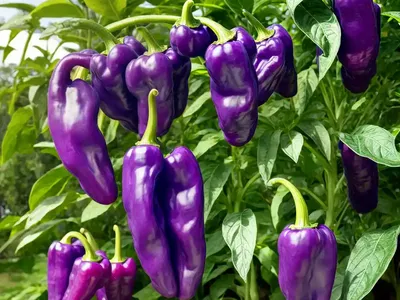
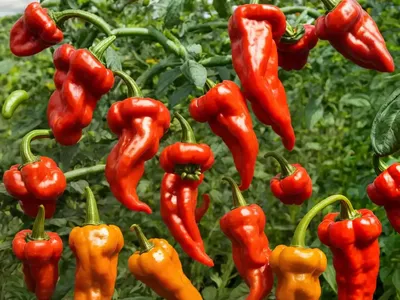
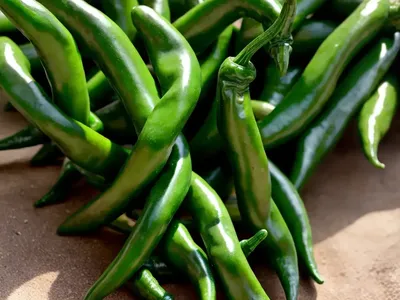
Habanero Chili (Capsicum Annuuum ‘Habanero’)
The Habanero Chili (Capsicum annuum ‘Habanero’) is a fiery and flavorsome chili pepper that is a favorite among spicy food enthusiasts and home gardeners.
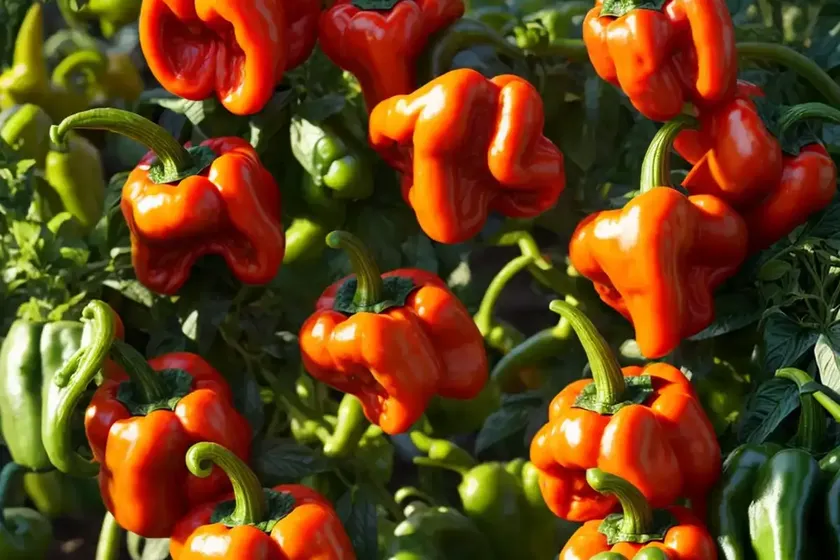
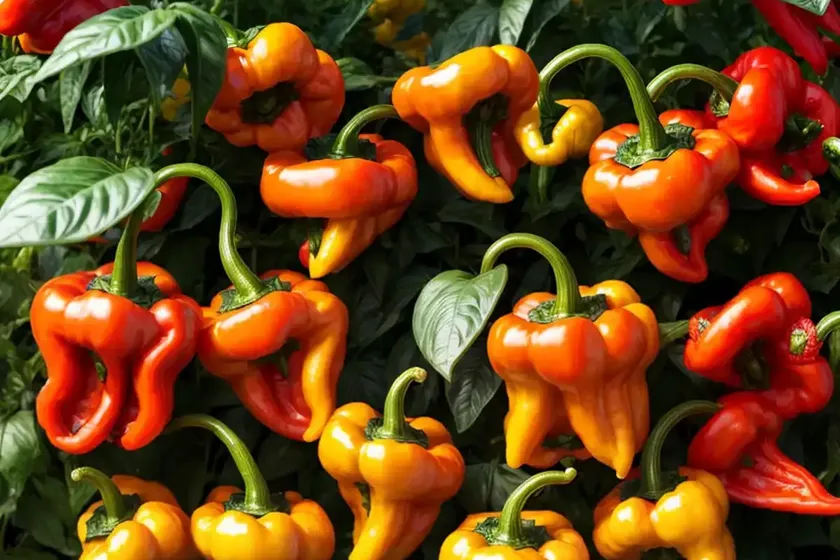
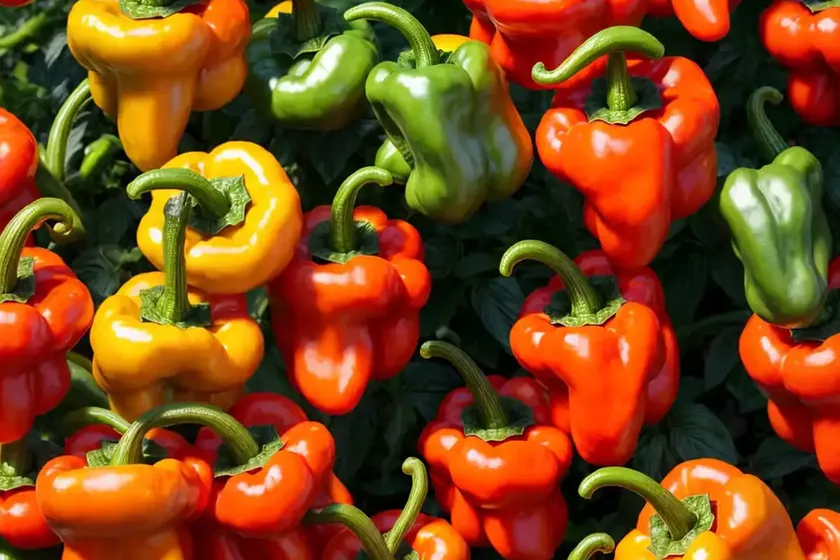
The Habanero Chili (Capsicum annuum ‘Habanero’) is a fiery and flavorsome chili pepper that is a favorite among spicy food enthusiasts and home gardeners alike. This popular variety is known for its intense heat and distinct fruity flavor, making it a sought-after ingredient in many cuisines around the world. In this comprehensive guide, we will delve into the various aspects of cultivating and caring for Habanero Chili plants, as well as exploring their cultural significance, culinary uses, and potential health benefits.
What is Plant: Habanero Chili (Capsicum annuum ‘Habanero’)?
The Habanero Chili, scientifically known as Capsicum annuum ‘Habanero’, is a member of the Capsicum annuum species, which also includes bell peppers, jalapeños, and other chili varieties. Originating from the Amazon region, particularly from the Yucatan Peninsula in Mexico, Habanero Chilis are now cultivated in various regions around the world due to their widespread popularity.
Key Takeaways – Habanero Chili (Capsicum annuum ‘Habanero’)
Before we delve into the specific care and cultivation practices for the Habanero Chili plant, here are some key takeaways about this fiery variety:
- Scientific Name: Capsicum annuum ‘Habanero’
- Common Name: Habanero Chili
- Plant Type: Perennial, though often grown as an annual in temperate climates
- Heat Level: Exceptionally hot, ranging from 100,000 to 350,000 Scoville Heat Units (SHU)
- Flavor Profile: Fruity, intense, and distinct
- Culinary Uses: Widely used in salsas, hot sauces, marinades, and various spicy dishes
- Health Benefits: Rich in vitamins, capsaicin, and antioxidants, with potential metabolism-boosting properties
- Cultivation: Well-suited for both outdoor and indoor growing, particularly when provided with adequate sunlight and warmth
Now, let’s delve into the various aspects of cultivating and caring for Habanero Chili plants.
Culture
Uses
The Habanero Chili is a versatile ingredient in the culinary world and is commonly used to add heat and flavor to a wide array of dishes. From salsas and hot sauces to marinades and spicy soups, the Habanero Chili’s intense heat and fruity undertones make it a popular choice among chefs and home cooks. Additionally, its vibrant orange, red, and yellow colors add visual appeal to dishes, making it a favorite for garnishing and decorative purposes.
Water
Proper watering is crucial for the healthy growth of Habanero Chili plants. These plants prefer consistently moist soil, but it’s important to avoid overwatering, as this can lead to root rot and other detrimental conditions. The frequency of watering will largely depend on the climate, soil type, and stage of growth, but as a general rule, it’s best to water the plants when the top inch of soil becomes dry.
Sunlight
Habanero Chili plants thrive in full sunlight, requiring at least 6-8 hours of direct sunlight per day for optimal growth and fruit production. In regions with hot summers, providing some protection from intense midday sun can prevent sunscald on the fruits and foliage. If growing Habanero Chilis indoors, supplemental grow lights may be necessary to ensure they receive adequate light.
Fertilizer
Proper fertilization is essential for promoting robust growth and abundant fruiting in Habanero Chili plants. A balanced, water-soluble fertilizer with a higher ratio of phosphorus can encourage flowering and fruit development. Fertilizing every 2-4 weeks during the growing season, following the manufacturer’s recommendations for dilution and application, can provide the necessary nutrients for healthy plant growth.
Soil
Habanero Chili plants prefer well-draining, fertile soil with a slightly acidic to neutral pH (6.0-6.8). Amending the soil with organic matter, such as compost or well-rotted manure, can improve its structure and fertility, enhancing the overall growth and productivity of the plants. Additionally, using mulch around the base of the plants can help conserve moisture and keep the soil temperature consistent.
Pruning
Pruning Habanero Chili plants can help promote better airflow and sunlight penetration, reduce the risk of diseases, and encourage a more compact growth habit. Removing spent flowers, yellowing leaves, and excessive foliage can redirect the plant’s energy towards fruit production. However, it’s important to avoid excessive pruning, as this can stress the plant and diminish its overall productivity.
Propagation
Habanero Chili plants can be propagated through seeds, which are typically obtained from ripe fruits. When saving seeds for propagation, it’s important to select seeds from healthy, fully ripe fruits and allow them to dry thoroughly before storing them in a cool, dry place. Additionally, root cuttings and grafting are alternative propagation methods that can be employed by experienced gardeners and horticulturists.
Container
While Habanero Chili plants can thrive in the ground, they are also well-suited for container gardening, making them an excellent choice for urban and space-constrained gardeners. When growing Habanero Chilis in containers, it’s important to select a pot that provides adequate room for root development and drainage holes to prevent waterlogging. Additionally, using a well-draining potting mix and providing regular water and fertilizer can support healthy growth in container-grown plants.
Popularity
The Habanero Chili has gained immense popularity among growers, culinary enthusiasts, and food lovers due to its intense heat and unique flavor profile. Its popularity extends to various cuisines, including Mexican, Caribbean, and Tex-Mex, where the fiery heat of the peppers adds depth and complexity to dishes. Additionally, the rise of gourmet hot sauces and spicy food challenges has further contributed to the demand for Habanero Chilis and their derivatives.
Common Diseases
Despite their resilience, Habanero Chili plants are susceptible to certain diseases and pests. Understanding common diseases and effective management strategies can help ensure the health and productivity of the plants.
Disease Diagnosis
Diseases such as powdery mildew, root rot, and bacterial spot can affect Habanero Chili plants, causing symptoms such as white powdery patches on leaves, wilting, and dark lesions. Regular inspection of the plants, particularly the foliage and stems, can aid in early disease detection. Additionally, consulting with local agricultural extension services or experienced horticulturists can provide insights into prevalent diseases in specific regions and appropriate management techniques.
Common Pests
Pests such as aphids, whiteflies, and spider mites can infest Habanero Chili plants, causing damage to the foliage and compromising the overall health of the plants. Introducing beneficial insects, such as ladybugs and lacewings, can help control pest populations organically. Additionally, using insecticidal soaps and neem oil as part of an integrated pest management approach can effectively manage pest infestations while minimizing harm to beneficial organisms and the environment.
Botanist’s Tips
As a plant scientist, I have encountered various tips and recommendations for growing and caring for Habanero Chili plants. Here are some expert insights that can assist both novice and experienced growers in cultivating healthy and productive Habanero Chilis:
- Cultivate in Warm Conditions: Habanero Chili plants thrive in warm temperatures and benefit from consistent warmth, particularly during their early growth stages and flowering period. Providing a warm and sheltered environment can contribute to robust plant development.
- Mulching for Moisture Retention: Applying mulch around the base of Habanero Chili plants can help retain soil moisture, regulate temperature, and suppress weed growth. Organic mulches, such as straw, wood chips, or compost, can be particularly effective in supporting plant health.
- Regular Monitoring for Pests and Diseases: Vigilant monitoring of Habanero Chili plants for signs of pests and diseases can facilitate early intervention and prevent widespread infestations or outbreaks. Implementing proactive pest and disease management measures is essential for maintaining plant vigor.
- Supporting Fruit-Heavy Branches: As Habanero Chili plants produce an abundance of small, flavorful fruits, providing physical support, such as stakes or trellises, can help prevent branches from bending or breaking under the weight of the fruits. This practice can also aid in optimizing fruit accessibility for harvesting.
- Harvest at Peak Ripeness: To fully enjoy the intense flavors and heat of Habanero Chilis, it’s essential to harvest the fruits at peak ripeness. The fruits should exhibit their characteristic color, such as bright orange or red, and have a firm texture, signaling their readiness for harvesting.
Fun Facts
As we explore the world of Habanero Chili plants, here are some intriguing and amusing fun facts about this fiery variety:
- The name “Habanero” is derived from the Cuban city of La Habana, reflecting historical connections to the Caribbean and Latin American regions.
- Habanero Chilis are among the hottest peppers in the world, rivaling the heat of Scotch Bonnets and Ghost Peppers in their Scoville Heat Unit rating.
- In Mexico, Habanero Chilis are often used in traditional dishes such as salsas, marinades, and pickled condiments, highlighting their cultural significance in the region’s cuisine.
- The vibrant colors of Habanero Chilis, ranging from orange to red and even chocolate brown, add a visual and culinary appeal to dishes, making them a favorite for decorative purposes.
- Habanero Chilis are rich in capsaicin, the compound responsible for their intense heat, as well as vitamins A and C, contributing to their potential health benefits.
Links to External Resources
For further exploration and in-depth information on Habanero Chili plants, the following external resources can provide valuable insights:
- World’s Hottest Pepper: Habanero
- Habanero Pepper: A Spicy Favorite
- Growing Hot Peppers
- Habanero Pepper: Characteristics and Uses
In conclusion, the Habanero Chili (Capsicum annuum ‘Habanero’) is a captivating and robust plant that offers not only intense heat and flavor but also cultural significance and potential health benefits. Cultivating and caring for Habanero Chili plants requires attention to their specific cultural needs, effective pest and disease management, and a keen understanding of their growth patterns and fruiting habits. Whether you are an avid gardener, a culinary enthusiast, or a health-conscious individual, the Habanero Chili plant presents a fascinating and rewarding addition to gardens and kitchens worldwide.