

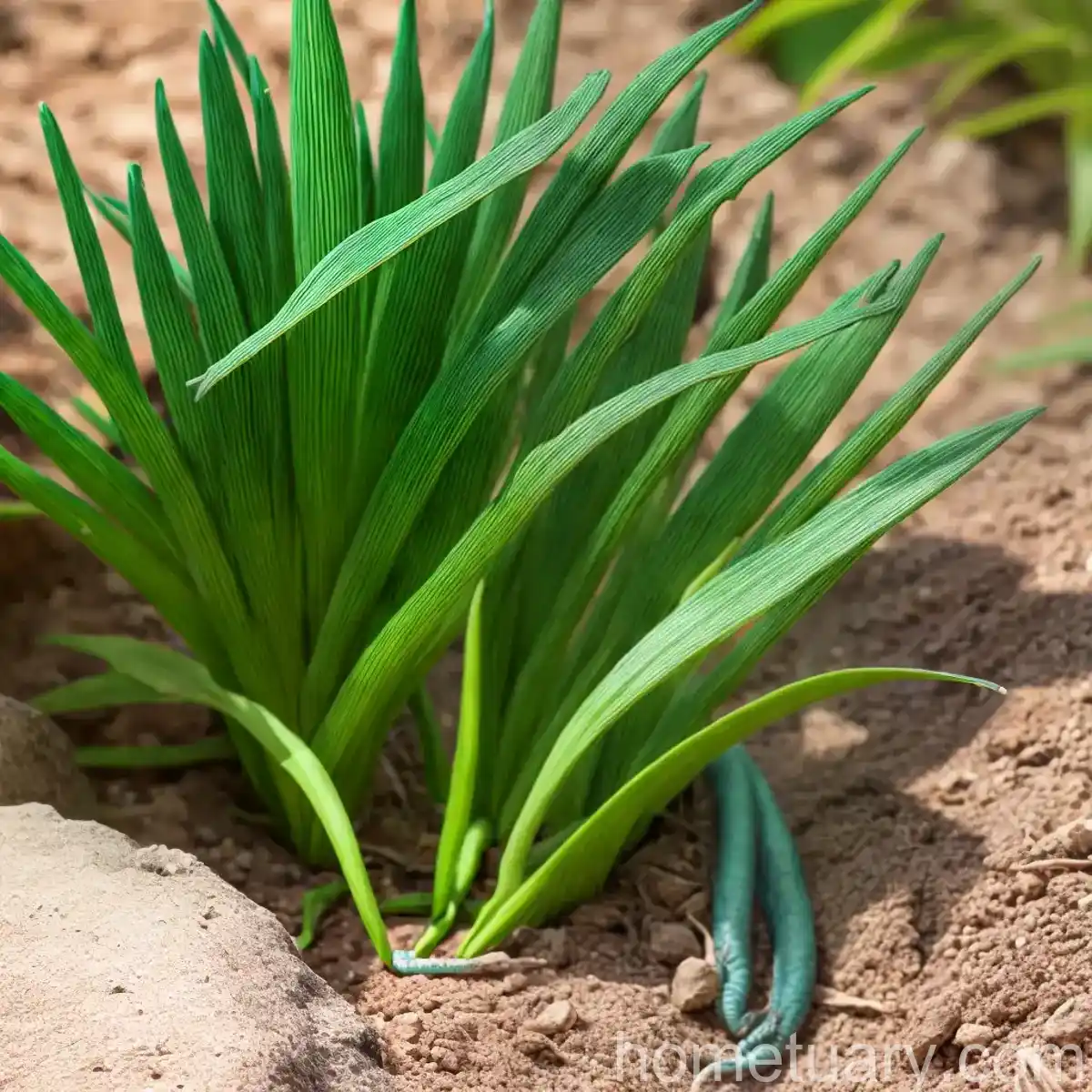
Lizard’s-tail (Saururus Cernuus): A Complete Guide for Cultivation and Care
Lizard’s-tail (Saururus Cernuus) is a fascinating aquatic plant with unique characteristics and a range of cultural uses. As a plant scientist, I have explored the various aspects of Lizard’s-tail, including its habitat, care requirements, propagation methods, common diseases, and much more. In this comprehensive guide, we will delve into all aspects of Lizard’s-tail, providing botanist’s tips, fun facts, and links to external resources for further exploration.
What is Lizard’s-tail (Saururus Cernuus)?
Lizard’s-tail (Saururus Cernuus) is an herbaceous perennial plant native to eastern North America. It belongs to the Saururaceae family and is commonly found in wetland habitats, including swamps, marshes, and the edges of ponds and streams. This striking plant is characterized by its distinctive tail-like flower spikes, which give it the common name “Lizard’s-tail.”
Key Takeaways – Lizard’s-tail (Saururus Cernuus)
Before we delve into the specific aspects of Lizard’s-tail, let’s outline the key takeaways that will be covered in this guide:
- Plant Name: Lizard’s-tail (Saururus Cernuus)
- Characteristics: Unique tail-like flower spikes, aquatic habitat
- Cultural Uses: Ornamental gardening, medicinal properties
- Environmental Requirements: Water, sunlight, soil, and climate preferences
- Propagation: Methods for propagating Lizard’s-tail
- Common Diseases: Identification and management of diseases
- Common Pests: Understanding and controlling pests affecting Lizard’s-tail
- Botanist’s Tips: Expert tips for cultivating and caring for Lizard’s-tail
- Fun Facts: Intriguing insights into the plant’s biology and cultural significance
- Links to External Resources: Additional references for further exploration
Now, let’s explore each of these aspects in detail to gain a comprehensive understanding of Lizard’s-tail (Saururus Cernuus).
Culture
Cultivating Lizard’s-tail requires an understanding of its environmental preferences and specific care requirements. The cultural aspects encompass water, sunlight, fertilizer, soil, and pruning practices that contribute to the plant’s health and vigor.
Uses
Water
Lizard’s-tail thrives in moist to wet soil and is well-suited to aquatic environments. It can be cultivated in water gardens, ponds, or the edges of water bodies where the roots can remain consistently moist. When grown in containers, ensure that the plant’s roots are submerged in water to mimic its natural habitat. Keeping the soil consistently moist is essential for the optimal growth of Lizard’s-tail.
Sunlight
In its natural habitat, Lizard’s-tail is often found in partially shaded areas, where it receives dappled sunlight or shade for a significant portion of the day. When cultivating Lizard’s-tail, provide partial shade to mimic its native environment. Exposure to direct, intense sunlight for prolonged periods can lead to stress and may affect the plant’s vigor.
Fertilizer
Lizard’s-tail is not a heavy feeder and generally does not require regular fertilization. However, if the plant is exhibiting signs of nutrient deficiency, a balanced aquatic plant fertilizer can be applied according to the manufacturer’s instructions. It’s crucial to avoid over-fertilization, as it can lead to water pollution and adversely impact aquatic ecosystems.
Soil
When cultivating Lizard’s-tail, the soil should be rich in organic matter and have good moisture-retention properties. A loamy soil with ample organic content provides an ideal growing medium for Lizard’s-tail. If grown in containers, a mix of loam and peat moss can create a suitable substrate for the plant.
Pruning
While Lizard’s-tail generally requires minimal pruning, the removal of spent flower spikes or any damaged foliage can contribute to the plant’s aesthetic appeal. Pruning should be carried out with sterilized equipment to prevent the spread of diseases.
Propagation
Lizard’s-tail can be propagated through division or stem cuttings. Division involves separating the plant’s rhizomes and planting them in suitable growing conditions. Stem cuttings can be taken from healthy, mature plants and rooted in a moist, well-draining substrate. Successful propagation leads to the development of new plants that can be used to expand the Lizard’s-tail population in a garden or aquatic setting.
Container Popularity
Due to its aquatic nature, Lizard’s-tail is popularly grown in water gardens and aquatic plant containers. Its unique appearance and adaptability to aquatic environments make it a sought-after addition to ornamental water features. When placed in suitable containers, Lizard’s-tail adds visual interest and contributes to the ecological balance of aquatic habitats.
Container Common Diseases
In container settings, Lizard’s-tail may be susceptible to diseases such as root rot caused by overly saturated or poorly aerated growing media. Proper water management and selection of well-draining substrates can help mitigate the risk of root rot and other container-related diseases.
Disease Diagnosis
Diagnosing diseases in Lizard’s-tail involves careful observation of symptoms such as wilting, discoloration, or unusual growth patterns. If the plant exhibits signs of disease, it is essential to promptly isolate the affected plant to prevent the spread of pathogens to healthy specimens. Consulting with a plant pathologist or horticultural expert can aid in accurate disease diagnosis and the implementation of appropriate management strategies.
Common Pests
While Lizard’s-tail is relatively resistant to pest infestations, it can occasionally be affected by aquatic pests such as aphids, snails, or waterborne insects. Regular inspection of the plant and its growing environment can help detect pest issues early, allowing for targeted interventions to control their population without harming the aquatic ecosystem.
Botanist’s Tips
Cultivating and caring for Lizard’s-tail can be a rewarding experience, especially when the following expert tips are employed:
- Ensure consistent moisture levels for the plant, especially when growing in containers or aquatic environments.
- Monitor the plant for signs of nutrient deficiency and address any issues through targeted fertilization.
- When pruning, sanitize cutting tools to prevent the transmission of diseases.
- Observe the plant regularly for any indications of pest infestation and address the issue promptly to prevent widespread damage.
Fun Facts
- The name “Lizard’s-tail” is derived from the plant’s unique flower spikes that resemble the tail of a lizard, lending an intriguing visual appeal.
- Lizard’s-tail has been historically used in traditional medicine to treat various ailments, particularly those related to the urinary and digestive systems.
- In addition to its ornamental value, Lizard’s-tail plays a significant ecological role in aquatic habitats, providing habitat for diverse species and contributing to the overall biodiversity of wetland ecosystems.
Links to External Resources
For additional information on Lizard’s-tail (Saururus Cernuus) and related topics, consider exploring the following resources:
- Aquatic and Wetland Plants of Northeastern North America
- The American Horticultural Society Encyclopedia of Plants and Flowers
- Royal Horticultural Society: Plant Propagation
Now that we have covered the cultural aspects of Lizard’s-tail, let’s delve into its habitat, growth characteristics, and environmental preferences.
Lizard’s-tail (Saururus Cernuus) in its Native Habitat
Lizard’s-tail (Saururus Cernuus) thrives in its native habitat of eastern North America, where it colonizes the edges of swamps, marshes, and similar wetland environments. Understanding the plant’s native habitat provides valuable insights into its adaptation to specific environmental conditions and offers guidance for its successful cultivation.
Characteristics
Saururus Cernuus Plants
Saururus Cernuus plants are characterized by their robust, rhizomatous growth habit and distinctive flower spikes. The plant’s foliage is typically heart-shaped, with vibrant green coloration that adds to its visual appeal. In its native habitat, Lizard’s-tail often forms dense colonies, creating a verdant presence along the water’s edge.
Lizard’s-tail Plant Growth
Lizard’s-tail exhibits vigorous growth in moist to wet conditions, with its rhizomatous nature enabling the formation of expansive colonies over time. When provided with suitable growing conditions, the plant’s growth is robust, contributing to its ecological significance in wetland ecosystems.
Habitat
Saururus Cernuus Habitat
The natural habitat of Saururus Cernuus includes wetland areas characterized by standing water or saturated soil. The plant thrives in the presence of ample moisture, making it well-adapted to the fluctuating water levels and high humidity often encountered in marshes and swamps.
Saururus Cernuus Climate Preferences
Lizard’s-tail favors a temperate climate with adequate rainfall and humidity, which aligns with the conditions prevalent in its native range of eastern North America. While the plant demonstrates adaptability to varying environmental conditions, its optimal growth occurs within the parameters of its native climate preferences.
Saururus Cernuus Water Needs
The water needs of Saururus Cernuus are substantial, as the plant thrives in consistently moist to wet conditions. Its ability to grow in waterlogged soils and shallow water makes it a valuable species for stabilizing the edges of water bodies and contributing to the overall ecosystem health.
Environmental Requirements
Understanding the environmental requirements of Lizard’s-tail is essential for creating suitable growing conditions in cultivation settings. By mimicking its native habitat, we can enhance the plant’s vitality and promote its well-being.
Saururus Cernuus Native Habitat
The plant’s native habitat consists of wetland environments such as swamps, marshes, and the margins of ponds and streams. These habitats provide the necessary moisture levels and nutrient availability for the vigorous growth of Lizard’s-tail.
Water
Lizard’s-tail’s affinity for water is a defining characteristic, making it well-suited to aquatic environments. When cultivated outside its native range, it is essential to provide consistently moist conditions to support the plant’s growth and development. Water gardens, ponds, and boggy areas offer ideal locations for cultivating Lizard’s-tail.
Sunlight
In its native habitat, Lizard’s-tail often grows in partially shaded areas, where it receives dappled sunlight or partial shade. When selecting a cultivation site, consider providing similar light conditions to ensure that the plant flourishes without being subjected to excessive sunlight exposure.
Soil
The soil in which Lizard’s-tail is grown should be rich in organic matter and have good moisture-retention properties. Loamy soils with high organic content are well-suited for supporting the growth of Lizard’s-tail. The soil pH should ideally be slightly acidic to neutral, promoting optimal nutrient uptake by the plant.
In the next section, we will explore the medicinal properties of Lizard’s-tail, along with its cultural uses and symbolism.
Lizard’s-tail (Saururus Cernuus): Medicinal Properties and Cultural Uses
Lizard’s-tail (Saururus Cernuus) possesses a rich history of medicinal use and has cultural significance in ornamental gardening. Its unique characteristics and adaptability make it a versatile plant with diverse applications.
Lizard’s-tail Plant Uses
Lizard’s-tail Plant Symbolism
In ornamental gardening and landscaping, Lizard’s-tail is valued for its striking appearance and the visual interest it brings to water gardens and wetland settings. The distinctive tail-like flower spikes and vibrant foliage make it a captivating addition to pond margins and aquatic landscapes. Its presence can symbolize the beauty and resilience of wetland ecosystems, underscoring the importance of preserving and appreciating these habitats.
Lizard Tail Flower Beds
In landscaping, Lizard’s-tail can be incorporated into flower beds and borders to introduce a dynamic visual element. When planted alongside water features or in areas with consistent moisture, the plant contributes to the overall aesthetic appeal of the landscape. Its lush foliage and unique flowering spikes enhance the diversity and texture of flower beds, adding depth and character to the planting design.
Saururus Cernuus Uses in Landscaping
Lizard’s-tail’s adaptability to wetland environments makes it a valuable asset in landscaping projects focused on creating ecologically sound and visually appealing designs. From rain gardens to shoreline restorations, the plant’s ability to thrive in moist to wet conditions positions it as an essential component of sustainable landscaping practices.
Lizard Tail Flower Gardens
Dedicated Lizard Tail flower gardens highlight the plant’s ornamental value and ecological significance. By creating specialized garden spaces that showcase Lizard’s-tail’s unique features, enthusiasts and horticulturalists can promote the plant’s conservation and celebrate its cultural and environmental relevance.
Saururus Cernuus Garden Design
In garden design, Lizard’s-tail can be integrated into wetland-themed or water-wise landscapes to evoke the tranquil beauty of natural wetland habitats. When strategically placed within garden settings, the plant contributes to the creation of harmonious and sustainable outdoor environments.
Medicinal Properties
Saururus Cernuus Medicinal Properties
Lizard’s-tail has a history of traditional medicinal use, particularly among indigenous communities, where it was employed for its purported benefits in addressing various health concerns. It has been historically associated with medicinal properties related to the urinary and digestive systems, with traditional applications aimed at promoting overall well-being.
In the next section, we will address the common diseases that can affect Lizard’s-tail and explore disease diagnosis and management strategies.
Lizard’s-tail (Saururus Cernuus): Disease Management and Pest Control
As with any plant, Lizard’s-tail is susceptible to certain diseases and pest infestations. Understanding the common issues affecting the plant and implementing effective management strategies are crucial for maintaining its health and vigor.
Common Diseases
Lizard Tail Plant Diseases
Lizard’s-tail is generally resilient to diseases when grown in suitable conditions, but it can occasionally be affected by issues such as root rot, fungal infections, or bacterial pathogens. Prompt identification and management of diseases are essential for preserving the plant’s vitality.
Disease Diagnosis
Diagnosing diseases in Lizard’s-tail involves careful observation of symptoms such as wilting, yellowing of foliage, or the presence of lesions on the plant’s stems or leaves. If any abnormalities are noted, it is important to conduct a thorough assessment of environmental conditions, water management practices, and potential stress factors that may be contributing to the plant’s compromised health.
Disease Management
Lizard’s-tail Plant Pruning
Pruning practices can aid in disease management by removing affected plant parts and improving air circulation within the plant canopy. Sanitize pruning tools regularly to prevent the spread of diseases and ensure that the plant receives proper care following the removal of diseased foliage.
Common Pests
Lizard’s-tail Plant Pests
While Lizard’s-tail is relatively resistant to pest infestations, it can attract aphids, snails, and waterborne insects under certain conditions. Regular inspection of the plant and its growing environment is crucial for detecting pest issues early and implementing targeted control measures.
In the next section, we will delve into the various growth stages of Lizard’s-tail, followed by its companion plants and environmental requirements.
Lizard’s-tail (Saururus Cernuus): Growth Stages and Environmental Requirements
Understanding the growth stages of Lizard’s-tail is essential for effective cultivation and care. Additionally, identifying companion plants that complement Lizard’s-tail and meeting its environmental requirements contribute to the plant’s overall well-being.
Growth Stages
Saururus Cernuus Growth Stages
Lizard’s-tail progresses through various growth stages, starting with the emergence of new shoots from its rhizomatous root system. The development of foliage, flowering, and seed production are key growth stages that contribute to the plant’s life cycle and ecological impact.
Lizard Tail Flower Seasonal Blooms
Lizard’s-tail typically blooms from late spring to early summer, producing distinct tail-like flower spikes that add visual interest to its surroundings. The seasonal blooms of Lizard’s-tail contribute to its ornamental value and ecological role, providing nectar and habitat for pollinators and other wildlife.
Companion Plants
Lizard’s-tail Plant Companion Plants
Selecting companion plants that thrive in similar environmental conditions can enhance the aesthetic appeal and ecological function of Lizard’s-tail’s growing area. Species such as irises, marsh marigolds, and various native wetland plants can complement Lizard’s-tail, creating harmonious plant communities within aquatic and marshland settings.
Environmental Requirements
Saururus Cernuus Environmental Requirements
Meeting Lizard’s-tail’s environmental requirements is crucial for its development and sustainability. By understanding and fulfilling these requirements, we can promote the plant’s vitality and contribute to the preservation of wetland ecosystems.
Saururus Cernuus Water Needs
Lizard’s-tail has substantial water needs and thrives in consistently moist to wet conditions. When cultivating the plant, it is essential to ensure that the soil remains adequately moist to support its growth and development.
Saururus Cernuus Plant Family
Lizard’s-tail belongs to the Saururaceae family, a botanical group that includes several other wetland plants with similar ecological preferences. Exploring the characteristics and environmental requirements of related plant species can provide valuable insights into Lizard’s-tail’s unique qualities and ecological relationships.
In the next section, we will explore the varieties of Lizard’s-tail and provide insights into its color variations and hardiness.
Lizard’s-tail (Saururus Cernuus): Varieties, Color Variations, and Hardiness
Lizard’s-tail exhibits diverse varieties and color variations, contributing to its ornamental appeal and adaptability to various growing conditions. Understanding the plant’s hardiness and seasonal color changes is essential for successful cultivation and landscape design.
Varieties
Lizard’s-tail Plant Varieties
Lizard’s-tail presents a range of varieties with subtle differences in growth habit, foliage texture, and flower coloration. Exploring these varieties can broaden the selection of Lizard’s-tail for cultivation and contribute to diverse and visually engaging plantings.
Color Variations
Lizard Tail Flower Color Variations
The color variation of Lizard’s-tail’s flower spikes can range from creamy white to pale green, adding a delicate and distinctive aesthetic element to the plant. Observing and appreciating the nuances of color within Lizard’s-tail’s blooms enhances the visual impact of the plant and facilitates creative design choices in ornamental settings.
Hardiness
Lizard’s-tail Plant Hardiness
Lizard’s-tail demonstrates notable hardiness in its native range and can also adapt to varying environmental conditions with proper care. Understanding its hardiness enables gardeners and landscape designers to select suitable locations and cultivation practices that promote the plant’s long-term survival and vigor.
In the next section, we will explore the cultivation of Lizard’s-tail in container gardening




