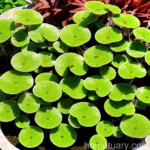
The Fascinating Plant World: Exploring the Floating Watermoss (Salvinia Natans)
Plants are incredibly diverse and play a vital role in maintaining the ecological balance of our planet. Among the vast array of plant species, one that stands out for its unique characteristics and versatile uses is the Floating Watermoss, scientifically known as Salvinia natans. This remarkable aquatic plant is not only aesthetically pleasing but also serves multiple ecological purposes, making it a fascinating subject for plant enthusiasts and environmentalists alike.
In this comprehensive guide, we will delve into the world of Floating Watermoss, exploring its cultural significance, uses, ideal growth conditions, maintenance, and much more. By the end of this journey, you will have gained a profound understanding of this extraordinary plant and its valuable contributions to aquatic ecosystems, gardens, and even indoor environments.
What is Floating Watermoss (Salvinia Natans)?
Floating Watermoss, or Salvinia natans, is a free-floating aquatic fern that belongs to the family Salviniaceae. This unique plant is characterized by its two types of leaves – the upper side of the leaf functions as a floating surface, while the lower side contains root-like structures that serve to absorb nutrients from the water. Originally native to Europe, Asia, and parts of Africa, Floating Watermoss has found its way into a variety of aquatic environments worldwide, thriving in both natural habitats and human-made water bodies.
The botanical characteristics of Salvinia natans make it an intriguing subject of study, particularly in the context of its interactions with other aquatic organisms and its potential for ecological restoration and conservation efforts. From its beautiful appearance to its ecological benefits, the Floating Watermoss has captured the attention of plant enthusiasts, conservationists, and landscape designers, leading to its widespread popularity in various settings, from home aquariums to large-scale wetland restoration projects.
Key Takeaways – Floating Watermoss (Salvinia Natans)
Before delving into the details of Floating Watermoss cultivation, it is essential to understand the key takeaways associated with this remarkable plant. Here are the fundamental aspects to keep in mind when exploring the world of Salvinia natans:
- Versatile Growth: Floating Watermoss exhibits versatility in its growth habits, adapting to various aquatic environments ranging from garden ponds to natural water bodies.
- Ecological Significance: Salvinia natans plays a vital role in ecological systems, contributing to water quality improvement, wildlife habitat creation, and nutrient cycling.
- Aesthetic Appeal: The captivating appearance of Floating Watermoss, with its delicate floating leaves, makes it a valuable addition to both indoor and outdoor water features.
- Cultural and Aquatic Uses: From aquascaping to naturalistic aquariums and wetland restoration, Salvinia natans serves multiple cultural and ecological purposes.
Now that we have an overview of Floating Watermoss, let’s dive deeper into its cultivation, maintenance, and various uses, providing valuable insights for plant enthusiasts, landscape designers, and environmental conservationists.
Cultivation of Floating Watermoss (Salvinia Natans)
The successful cultivation of Floating Watermoss requires a good understanding of its specific requirements regarding water, sunlight, soil, and maintenance practices. By creating an environment that mimics its natural habitat, one can ensure optimal growth and health for Salvinia natans. Let’s explore the key cultivation considerations for this remarkable aquatic plant.
Water
As a free-floating aquatic plant, Salvinia natans is entirely dependent on water for its survival and growth. When cultivating Floating Watermoss, it is crucial to provide clean, still or slow-moving water with adequate nutrients. The water quality should be monitored regularly to prevent any imbalance that may negatively impact the health of the plant.
Ideal Water Conditions for Salvinia Natans
- Still or Slow-Moving Water: Salvinia natans thrives in water bodies with minimal agitation, such as ponds, lakes, and gentle streams.
- Temperature: The ideal water temperature for Floating Watermoss ranges from 15°C to 30°C (59°F to 86°F), providing a relatively wide range for adaptation.
- pH Level: Salvinia natans prefers slightly acidic to neutral water conditions, with an optimal pH range of 6.5 to 7.5.
- Nutrient Levels: While Floating Watermoss can thrive in nutrient-rich water, excessive nutrient concentrations, particularly of phosphorus and nitrogen, can lead to overgrowth and potential ecological issues. Regular monitoring of nutrient levels is essential to maintain a balanced aquatic ecosystem.
Sunlight
Like many plants, Floating Watermoss requires adequate sunlight to support its photosynthetic processes and overall growth. Understanding its sunlight requirements is essential for creating an optimal environment for Salvinia natans to flourish.
Sunlight Requirements for Salvinia Natans
- Partial to Full Sunlight: Floating Watermoss thrives in environments with access to partial to full sunlight. However, in regions with intense sunlight, providing some shading during the hottest parts of the day can prevent excessive evaporation and potential stress on the plant.
- Indoor Lighting: For indoor cultivation in aquariums or artificial water features, providing appropriate artificial lighting that mimics natural sunlight patterns is crucial for the health of Salvinia natans.
Fertilizer
As a nutrient-absorbing plant, Floating Watermoss relies on the water for its nutrient supply. While direct fertilization is not necessary, it is essential to monitor and maintain balanced nutrient levels in the water to support healthy growth. Conversely, excessive nutrient levels can lead to rapid overgrowth and potential ecological imbalances within the aquatic system.
Nutrient Management for Salvinia Natans
- Natural Nutrient Uptake: Salvinia natans naturally absorbs nutrients from the water through its root-like structures, making it an effective natural nutrient regulator within aquatic ecosystems.
- Balanced Nutrient Levels: Regular testing and monitoring of nutrient levels, particularly phosphorus and nitrogen, are critical to prevent imbalances that may lead to unwanted algae growth and ecological disturbances.
Soil
As a floating plant, Salvinia natans does not require soil for growth. Instead, it obtains nutrients directly from the water through its specialized structures, making it a low-maintenance and versatile plant for various aquatic environments.
Substrate Considerations for Floating Watermoss
- Absence of Soil: Floating Watermoss does not require soil or substrate for its growth. Its root-like structures, known as trichomes, facilitate direct nutrient absorption from the water.
- Aquatic Habitat: Salvinia natans is ideally suited for aquatic environments, including ponds, lakes, streams, and artificial water features such as aquariums and water gardens.
Pruning
Pruning is a common practice in plant care, promoting healthy growth and maintaining an aesthetically pleasing appearance. While Floating Watermoss does not require traditional pruning, periodic maintenance to control its growth and prevent overgrowth in confined water bodies is necessary.
Pruning Guidelines for Salvinia Natans
- Controlled Growth: Regular removal of excess Floating Watermoss helps prevent overcrowding and maintains a balanced aquatic ecosystem, particularly in smaller water features.
- Aesthetic Maintenance: Trimming the outer edges of Floating Watermoss can help maintain a neat and tidy appearance, particularly in decorative water features such as garden ponds and aquariums.
Propagation of Floating Watermoss (Salvinia Natans)
The propagation of Floating Watermoss offers an opportunity to expand its presence in various aquatic environments and is a crucial aspect of its cultivation for both conservation and decorative purposes. Understanding the propagation methods of Salvinia natans is essential for those seeking to incorporate this versatile plant into their aquatic landscapes.
Natural Propagation
Floating Watermoss is capable of natural propagation through a process known as stolons, where daughter plants develop from the parent plant and form interconnected networks of Salvinia natans across the water surface. This natural propagation method allows Floating Watermoss to rapidly colonize suitable aquatic habitats, making it an effective plant for ecological restoration and habitat creation.
Artificial Propagation
For controlled propagation and introduction of Floating Watermoss into specific water features, artificial propagation methods can be employed. By dividing existing plants or obtaining plant fragments, one can establish new populations of Salvinia natans, ensuring its presence in garden ponds, aquaria, and other aquatic settings.
Propagation Techniques for Salvinia Natans
- Division: Carefully dividing the parent plants into smaller sections, each with sufficient plant matter and root structures, allows for the establishment of new Floating Watermoss colonies in desired locations.
- Fragmentation: Collecting fragments of Floating Watermoss and introducing them into suitable water bodies facilitates the colonization and growth of Salvinia natans.
Container Popularity
The versatility and aesthetic appeal of Floating Watermoss have made it increasingly popular for container cultivation, particularly in the context of aquascaping and artificial water features. When combined with other aquatic plants and decorative elements, Salvinia natans can create visually stunning and ecologically balanced container landscapes.
Applications of Floating Watermoss in Containers
- Aquascaping: Incorporating Floating Watermoss into aquascaping designs allows for the creation of dynamic and visually striking underwater landscapes, enhancing the overall aesthetic appeal of aquatic ecosystems.
- Indoor Water Features: Utilizing Salvinia natans in indoor water features, such as tabletop water gardens and decorative aquaria, brings a touch of nature into interior spaces, promoting a sense of tranquility and natural beauty.
Common Uses of Floating Watermoss (Salvinia Natans)
The versatile nature of Floating Watermoss enables a wide range of cultural and ecological uses, from enhancing the visual appeal of aquatic environments to contributing to habitat creation and ecological restoration efforts. Understanding the various uses of Salvinia natans is crucial for harnessing its potential in diverse settings, including home gardens, commercial landscapes, and conservation projects.
Cultural Uses
- Aquascaping: Floating Watermoss is a popular choice in aquascaping designs, where it adds texture and visual interest to underwater landscapes, serving as a natural floating element that complements other aquatic plants and decorative features.
- Naturalistic Aquariums: Salvinia natans is frequently utilized in the creation of naturalistic aquariums, replicating the appearance of natural water bodies and providing valuable habitat and shade for aquatic species within the aquarium ecosystem.
Ecological Significance
- Habitat Creation: Floating Watermoss plays a critical role in creating habitat and shelter for various aquatic organisms, including fish, invertebrates, and amphibians, contributing to the overall ecological richness of aquatic environments.
- Water Quality Improvement: By absorbing nutrients and shading the water surface, Salvinia natans helps improve water quality, reducing the risk of algal blooms and enhancing the overall ecological balance of water bodies.
Wetland Restoration
- Erosion Control: In wetland restoration projects, Floating Watermoss helps stabilize shorelines and prevent erosion, making it a valuable component of efforts to preserve and rehabilitate natural wetland habitats.
- Habitat Enhancement: Introducing Salvinia natans into degraded wetland ecosystems supports the recovery of native flora and fauna, creating favorable conditions for the establishment of diverse and resilient wetland communities.
Decorative Water Features
- Garden Ponds: Floating Watermoss adds a naturalistic touch to garden ponds, enhancing their visual appeal and ecological function by providing shade, habitat, and nutrient regulation within the aquatic environment.
- Water Gardens: Incorporating Salvinia natans into water garden designs creates a dynamic and biodiverse aquatic landscape, enriching the overall aesthetic and ecological value of the water feature.
Popularization and Popularity of Floating Watermoss (Salvinia Natans)
The growing popularity of Floating Watermoss can be attributed to its unique characteristics, diverse uses, and valuable contributions to aquatic ecosystems and cultural landscapes. As plant enthusiasts, landscape designers, and conservationists continue to recognize the benefits of Salvinia natans, its presence in both commercial and residential settings has expanded, showcasing its versatility and aesthetic appeal.
Commercial Utilization
- Aquatic Nurseries: The demand for Floating Watermoss in the aquascaping and aquarium trade has led to its availability in aquatic nurseries and specialized plant retailers, catering to the needs of hobbyists and professional landscapers.
- Wetland Restoration Projects: Environmental organizations and wetland restoration initiatives often incorporate Salvinia natans into their restoration plans, recognizing its ecological significance and contributions to habitat creation and water quality improvement.
Home Gardening
- Aquarium Enthusiasts: Floating Watermoss has gained popularity among aquarium enthusiasts, who appreciate its ability to create natural aquatic environments within their tanks, providing shade, habitat, and aesthetic appeal.
- Water Feature Enthusiasts: Homeowners and gardeners with water features, such as garden ponds and water gardens, have embraced the use of Salvinia natans to enhance the beauty and ecological functionality of their aquatic landscapes.
Conservation and Ecology
- Ecological Awareness: As awareness of wetland conservation and ecological restoration grows, the popularity of Salvinia natans as an ecological tool for improving water quality and enhancing habitat diversity has increased, leading to its incorporation in conservation projects and ecosystem restoration efforts.
- Biodiversity Enhancement: The utilization of Floating Watermoss in ecologically sensitive areas aims to enhance biodiversity, restore natural habitats, and create resilient and self-sustaining aquatic ecosystems.
Common Diseases Affecting Floating Watermoss (Salvinia Natans)
While Floating Watermoss is relatively resistant to most diseases, it may occasionally encounter issues related to water quality, nutrient imbalances, or environmental stress. Understanding the common diseases and potential challenges that Salvinia natans may face is essential for maintaining its health and vitality within aquatic environments.
Disease Diagnosis and Management
- Algal Overgrowth: Excessive algal growth on the leaves of Salvinia natans may limit its access to sunlight and hinder its photosynthetic processes, potentially leading to a decline in overall health. Effective control of nutrient levels and shading practices can help prevent algal overgrowth and maintain the health of Floating Watermoss.
- Bacterial Infections: In contaminated water bodies, Floating Watermoss may be susceptible to bacterial infections that manifest as rotting or discoloration of the plant tissues. Promoting clean water conditions and regular monitoring of water quality can help prevent bacterial issues in Salvinia natans.
Common Pests Affecting Floating Watermoss (Salvinia Natans)
Floating Watermoss is generally resilient against pest infestations, largely due to its adaptive nature and specialized structure. However, some aquatic organisms, particularly in poorly balanced aquatic ecosystems, may pose a threat to the health and vitality of Salvinia natans. Awareness of potential pests and proactive pest management practices is crucial for preserving the well-being of Floating Watermoss within aquatic environments.
Potential Pests and Pest Management
- Snail Infestations: Certain species of aquatic snails may feed on the foliage of Floating Watermoss, leading to damage and potential decline in growth. Controlled introduction of snail-eating fish and manual removal of snails can help manage infestations and protect Salvinia natans.
- Insect Predation: In some instances, insect larvae or adults may feed on the leaves of Floating Watermoss, impacting its overall health and appearance. Implementing appropriate biological controls and maintaining balanced aquatic ecosystems can mitigate the risk of insect predation on Salvinia natans.
Botanist’s Tips for Growing Floating Watermoss (Salvinia Natans)
As a botanist, I offer the following expert tips for growing and caring for Floating Watermoss, enabling plant enthusiasts, conservationists, and aquatic landscapers to cultivate and maintain healthy and thriving populations of Salvinia natans:
- Monitor Water Quality: Regularly test and monitor the water quality of the aquatic environment in which Salvinia natans is cultivated, ensuring balanced nutrient levels, proper pH, and suitable temperature for optimal growth.
- Control Growth: Exercise control over the growth of Floating Watermoss, particularly in confined water bodies such as garden ponds and aquariums, to prevent overgrowth and maintain ecological balance.
- Prevent Ecological Imbalances: Be mindful of potential ecological imbalances that may arise from nutrient overloading and excessive algal growth, implementing management practices to maintain the health of Salvinia natans and the surrounding aquatic ecosystem.
- Introduce Diversity: Incorporate a diverse range of aquatic plants and organisms alongside Floating Watermoss to promote ecological resilience and enhance the functional and aesthetic appeal of the aquatic landscape.
Fun Facts about Floating Watermoss (Salvinia Natans)
To further appreciate the unique nature of Floating Watermoss, here are some intriguing and fun facts about Salvinia natans that highlight its exceptional characteristics and ecological significance:
- Efficient Nutrient Absorption: The specialized trichomes of Floating Watermoss enable efficient absorption of nutrients from the water, making it a valuable natural regulator of nutrient levels within aquatic ecosystems.
- Natural Water Deflector: As Salvinia natans floats at the water’s surface, it acts as a natural deflector, slowing down water flow and helping to dissipate energy, particularly along the edges of ponds and water bodies.
- Wildlife Habitat: Floating Watermoss provides habitat and shelter for various aquatic organisms, including small fish, amphibians, and invertebrates, contributing to the overall biodiversity of aquatic environments.
Links to External Resources
For further exploration and in-depth information on Floating Watermoss (Salvinia Natans), I recommend accessing the following external resources:
- Aquascaping World
- Wetland Science and Restoration
- The Plant Journal
- Aquatic Gardens and Ponds Association
In conclusion, the Floating Watermoss (Salvinia Natans) stands out as a remarkable plant species with its aesthetic appeal, ecological significance, and versatile uses across a range of aquatic environments. By understanding its specific cultural requirements, propagation methods, and potential challenges, one can effectively cultivate and harness the benefits of Salvinia natans, contributing to the enhancement of naturalistic landscapes, conservation efforts, and ecological restoration initiatives. Whether in garden ponds, aquascapes, or wetland habitats, Floating Watermoss offers an inspiring and enriching presence, inviting us to engage with the wondrous world of aquatic plants and their ecological contributions.