Understanding Lizard’s Tail (Saururus chinensis)
What is Lizard’s Tail?
The Lizard’s Tail, scientifically known as Saururus chinensis, is a fascinating perennial plant native to East Asia. In the wild, it is commonly found in wetlands and along streams and rivers, where it thrives in moist soil and partial shade. The plant’s unique name comes from the appearance of its flowering spikes, which resemble the swaying tail of a lizard.
The Lizard’s Tail is a member of the Saururaceae family and is known for its attractive foliage and delicate, white flower spikes. As a wetland plant, it plays a crucial role in supporting biodiversity and providing habitat for various species.
In this comprehensive guide, we will explore the characteristics, uses, and cultivation of the Lizard’s Tail plant. Whether you are a seasoned gardener, a nature enthusiast, or simply curious about unique plant species, this guide will provide valuable insights into the world of Saururus chinensis.
Key Takeaways – Lizard’s Tail (Saururus chinensis)
Before diving into the specifics of Lizard’s Tail care and cultivation, let’s take a quick look at some key takeaways about this intriguing plant:
- The Lizard’s Tail, or Saururus chinensis, is a wetland perennial plant with striking white flower spikes.
- It is native to East Asia and is commonly found in wetlands, along streams, and in moist, shaded areas.
- Lizard’s Tail has cultural significance and traditional medicinal uses in certain regions.
- When cultivated in gardens, it can attract wildlife and serve as a beautiful landscape plant, especially in naturalistic, water-side settings.
Now that we have an overview of the plant, let’s delve into the specifics of nurturing and appreciating this unique species.
Plant Description
Lizard’s Tail (Saururus chinensis) is a visually captivating plant that boasts several distinctive features. Understanding its physical characteristics is essential for identifying and appreciating this species in its natural habitat or in cultivated settings.
Saururus chinensis Characteristics
| Feature | Description |
|---|---|
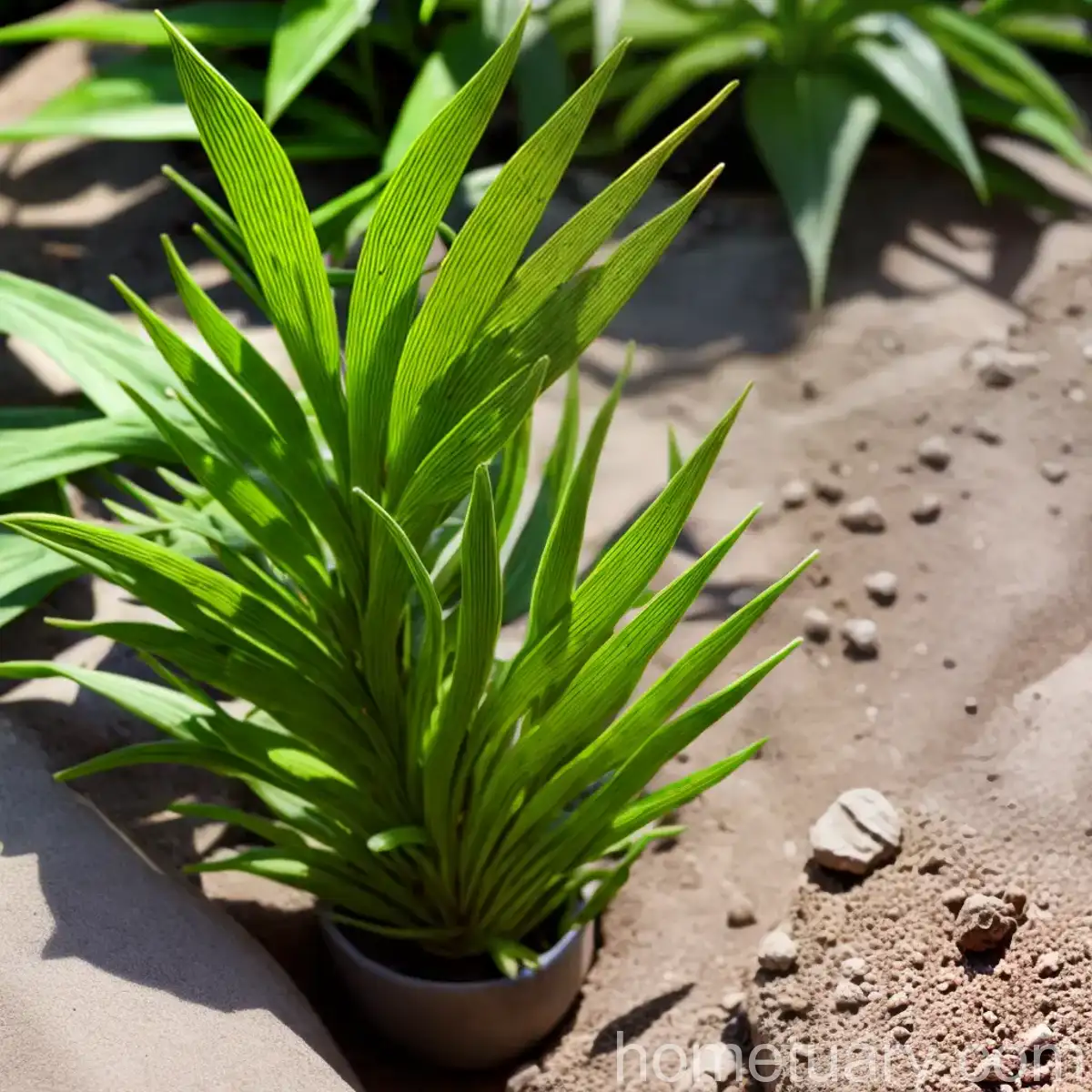
| Foliage | Heart-shaped leaves with a glossy, deep green color. |
| Flowering Spikes | Erect, white flower spikes that resemble the tail of a lizard. |
| Growth Habit | Erect, clump-forming growth habit with a spreading nature in ideal conditions. |
| Height | Typically grows to a height of 2 to 3 feet, making it suitable for mid-border or waterside plantings. |
| Bloom Time | The flowering period typically occurs in late spring or early summer, adding charm to water gardens and wetland landscapes. |
| Root System | Lizard’s Tail possesses a fibrous, rhizomatous root system, which aids in its adaptation to wetland environments. |
Lizard’s Tail Plant Uses
The Lizard’s Tail plant offers a range of practical, cultural, and ecological uses. Understanding these uses can provide insight into the plant’s significance and its potential value in various settings.
Cultural Uses
In certain cultures, Lizard’s Tail has been traditionally utilized for its purported medicinal properties. The plant has been employed in traditional remedies and natural therapies, showcasing its cultural importance and historical relevance. Diving deeper into the cultural uses of Saururus chinensis can offer valuable insights into its role in traditional medicine and folklore.
Wildlife Habitat
As a wetland plant, Lizard’s Tail plays a crucial role in supporting wildlife habitat. The plant provides cover and food for various species, including insects, amphibians, and birds. When cultivated in gardens or integrated into wetland restoration projects, Lizard’s Tail contributes to biodiversity and ecological balance.
Landscape Design
In garden and landscape design, Lizard’s Tail can be utilized to add visual interest and diversity to water gardens and moist, shaded areas. Its unique flowering spikes and lush foliage create a captivating focal point in naturalistic landscapes, where it thrives alongside water features or in the margins of ponds and streams.
From cultural significance to ecological value, Lizard’s Tail offers a multifaceted range of uses that make it a cherished plant in various contexts.
Lizard’s Tail Plant Care Guide
Successfully cultivating and nurturing Lizard’s Tail plants requires attention to specific care requirements. From water and sunlight preferences to soil considerations and propagation methods, let’s explore a comprehensive care guide for Saururus chinensis.
Water
Lizard’s Tail is a moisture-loving plant that thrives in constantly moist soil. In both natural and cultivated environments, it performs best when provided with consistent, adequate moisture. For gardeners and landscapers, this means siting the plant in areas where water is readily available, such as near the edges of ponds, in wetland gardens, or in consistently moist soil.
Sunlight
In its natural habitat, Lizard’s Tail is often found in partially shaded areas. When cultivated, it thrives in locations with dappled sunlight or partial shade. This makes it an excellent choice for shaded gardens, woodland landscapes, and waterside plantings. Avoiding prolonged exposure to direct, intense sunlight is crucial for the health and vitality of the plant.
Soil
Lizard’s Tail prefers rich, organic soil that retains moisture well. The ideal soil for this plant is loamy and moisture-retentive, mimicking the conditions found in its natural wetland habitat. When planting in gardens or containers, amending the soil with organic matter and ensuring proper drainage are essential for promoting healthy growth and flowering.
Fertilizer
While Lizard’s Tail can benefit from light applications of a balanced, water-soluble fertilizer during the growing season, it generally does not have high fertilizer requirements. Excessive fertilization can lead to overly lush growth and may not be necessary in nutrient-rich soils or wetland garden environments. Care should be taken to avoid over-fertilization, which can negatively impact the plant’s performance.
Pruning
When it comes to pruning Lizard’s Tail, minimal intervention is generally required. Deadheading spent flowers can promote continued blooming and a tidy appearance. Additionally, removing any damaged or yellowing foliage can help maintain the plant’s overall health and appearance. Pruning should be undertaken judiciously to avoid disrupting the natural growth habit of the plant.
Propagation Methods
Creating new Lizard’s Tail plants through propagation allows for the expansion of their presence in gardens and natural areas. Understanding the various propagation methods available for Saururus chinensis can enable gardeners and conservationists to propagate the plant successfully.
Division
One of the most common methods for propagating Lizard’s Tail is through division. This process involves separating established clumps of the plant into smaller sections, each containing roots and shoots. Division is typically undertaken in early spring, allowing the newly divided plants to establish themselves during the growing season.
Seed Propagation
Growing Lizard’s Tail from seed is another viable propagation method. Collecting mature seeds from the plant and sowing them in a suitable growing medium can yield new seedlings. However, it’s important to note that Lizard’s Tail seeds may require stratification – a period of cold, moist conditions – to germinate successfully. This mimics the natural process of seed dispersal and germination in the plant’s native habitat.
By understanding and implementing effective propagation methods, individuals and organizations can contribute to the conservation and cultivation of Lizard’s Tail plants in various settings.
Container Gardening
For individuals with limited outdoor space or those seeking to create water features in containers, Lizard’s Tail can be an excellent choice for container gardening. When grown in containers, the plant’s unique characteristics and moisture requirements make it well-suited for creating captivating, water-filled displays on patios, balconies, and other outdoor areas.
Container Requirements
When selecting containers for Lizard’s Tail, opt for spacious, watertight containers that can hold an ample amount of moisture. Consider using wide, shallow containers for optimal root development and stability. The use of aquatic or bog plant container mixes can provide the necessary growing medium to support the plant’s requirements.
Water Management
In container gardening, maintaining proper water levels is essential for the health and vigor of Lizard’s Tail. Placing containers in partially shaded locations and ensuring consistent moisture levels is crucial to mimicking the plant’s natural habitat. Regular monitoring of soil moisture and appropriate watering practices are key to successful container cultivation.
Popularity in Container Gardening
The captivating appearance and unique growth habit of Lizard’s Tail make it a popular choice for container gardening enthusiasts seeking to incorporate water-loving plants into their outdoor spaces. Its striking presence, combined with its ability to attract wildlife, adds an element of natural beauty and tranquility to container water gardens and aquatic landscapes.
Common Diseases
Like all plants, Lizard’s Tail is susceptible to certain diseases and health issues. Recognizing common diseases that may affect the plant can aid in proactive management and preventive measures to maintain its vitality. Let’s explore some of the potential diseases and health concerns associated with Saururus chinensis.
Disease Diagnosis
- Leaf Spot: This fungal disease may manifest as dark, water-soaked spots on the leaves, potentially leading to leaf yellowing and premature defoliation.
- Powdery Mildew: White, powdery patches on the foliage can indicate the presence of powdery mildew, a common fungal disease that affects many plant species, including Lizard’s Tail.
- Root Rot: Excessive moisture or poorly drained soil can contribute to root rot, leading to wilting, yellowing foliage, and overall decline in plant health.
Disease Management
Preventing and managing common diseases involves implementing good cultural practices and maintaining optimal growing conditions for Lizard’s Tail. Additionally, avoiding overhead watering, promoting adequate air circulation, and practicing proper sanitation can contribute to disease prevention. Fungicidal treatments may be necessary in severe cases, but preventative measures should remain a priority.
By staying vigilant and practicing effective disease management, gardeners and nature enthusiasts can help promote the health and longevity of Lizard’s Tail in various settings.
Common Pests
In addition to diseases, certain pests may pose a threat to the health and vitality of Lizard’s Tail plants. Identifying and addressing common pests can aid in preserving the plant’s overall well-being and preventing potential infestations. Let’s explore some of the pests that may affect Saururus chinensis.
Pest Identification
- Aphids: These small, sap-feeding insects can congregate on the undersides of leaves and cause damage to plant tissue, leading to stunted growth and distorted foliage.
- Slugs and Snails: These mollusks are attracted to the moist, lush foliage of Lizard’s Tail and can cause significant feeding damage, especially in damp, shaded areas.
Pest Management
Implementing integrated pest management (IPM) practices can help mitigate pest pressures and maintain the health of Lizard’s Tail plants. This may involve physical removal of pests, the use of natural predators, and the application of targeted controls when necessary. Creating environments that encourage beneficial insects and natural pest control can contribute to sustainable pest management practices.
By understanding the potential pests that may affect Lizard’s Tail and incorporating preventative measures, individuals can promote the plant’s resilience and vitality in gardens and natural settings.
Botanist’s Tips
As botanists and plant enthusiasts, understanding the unique characteristics and requirements of Lizard’s Tail can provide valuable insights into the plant’s ecology and conservation. Whether conducting research, cultivating the plant in gardens, or participating in wetland restoration efforts, the following tips can aid in the appreciation and preservation of Lizard’s Tail (Saururus chinensis).
Conservation
Lizard’s Tail is a valuable component of wetland ecosystems, offering habitat and ecological benefits to various species. Supporting wetland conservation efforts and promoting the protection of natural wetland habitats can contribute to the long-term survival of Lizard’s Tail and other wetland plant species.
Wetland Restoration
Participating in wetland restoration projects provides opportunities to reintroduce Lizard’s Tail and other native wetland plants to their natural habitats. By contributing to the restoration of degraded wetlands, botanists and conservationists can help safeguard the biodiversity and ecological balance of these critical ecosystems.
Habitat Preservation
Understanding the natural habitat requirements of Lizard’s Tail can aid in identifying and protecting suitable wetland habitats for the plant. By advocating for wetland preservation and contributing to habitat assessments, botanists can play a crucial role in ensuring the continued presence of Lizard’s Tail in its native environments.
Fun Facts
Exploring the fascinating world of Lizard’s Tail unveils several intriguing and captivating facts about this unique plant species. From its ecological significance to its cultural uses, the following fun facts shed light on the distinctive qualities and value of Lizard’s Tail:
- Ecological Indicator: Lizard’s Tail is considered an ecological indicator species, as its presence can signify the health and vitality of wetland ecosystems.
- Wildlife Attraction: The flowers of Lizard’s Tail attract pollinators such as bees and butterflies, contributing to the overall biodiversity of wetland habitats.
- Traditional Medicine: In certain traditional medicinal practices, Lizard’s Tail has been utilized for its purported therapeutic properties, showcasing its cultural significance in certain regions.
- Wetland Stabilization: The extensive root system of Lizard’s Tail contributes to the stabilization of wetland soils, preventing erosion and promoting ecosystem resilience.
Exploring the multifaceted role of Lizard’s Tail in both natural and cultural contexts reveals its importance as a captivating and valuable plant species.
Links to External Resources
For further exploration of Lizard’s Tail (Saururus chinensis) and related topics, the following external resources provide valuable information, insights, and research findings:
- Wetland Plants of the Southeastern US https://www.southeasternflora.com/view-flora.php?plantid=3503
- Ecological Significance of Wetland Plants https://www.ncbi.nlm.nih.gov/pmc/articles/PMC3878553/
- Traditional Uses of Wetland Plants https://www.srs.fs.usda.gov/pubs/ja/1908kashian/ja_1908kashian.pd
By leveraging external resources and research findings, individuals can deepen their understanding of Lizard’s Tail, its ecological importance, and its cultural significance.
In conclusion, delving into the realm of Lizard’s Tail (Saururus chinensis) reveals a captivating plant species with diverse uses, ecological significance, and distinctive characteristics. From its cultivation in gardens to its role in wetland ecosystems, the multifaceted nature of Lizard’s Tail offers a rich tapestry of botanical, cultural, and ecological value. By nurturing, appreciating, and advocating for the well-being of Lizard’s Tail, we can contribute to the preservation and celebration of this remarkable plant.