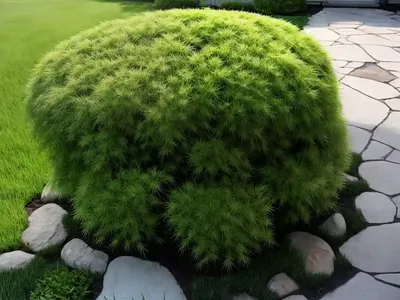
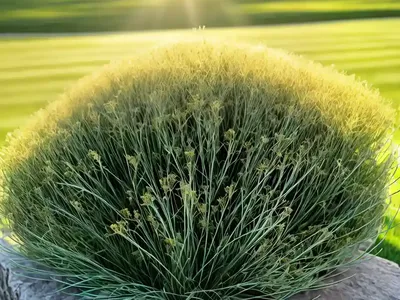
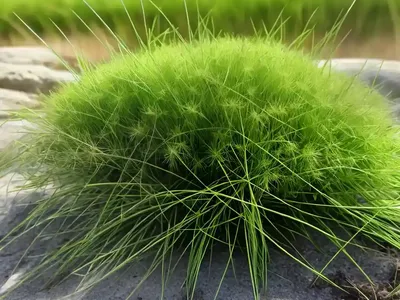
Creeping Bluegrass (Poa Annua Var. Reptans)
Creeping bluegrass (Poa annua var. reptans) is a versatile and resilient plant that is highly valued for its adaptability and aesthetic appeal. In this.
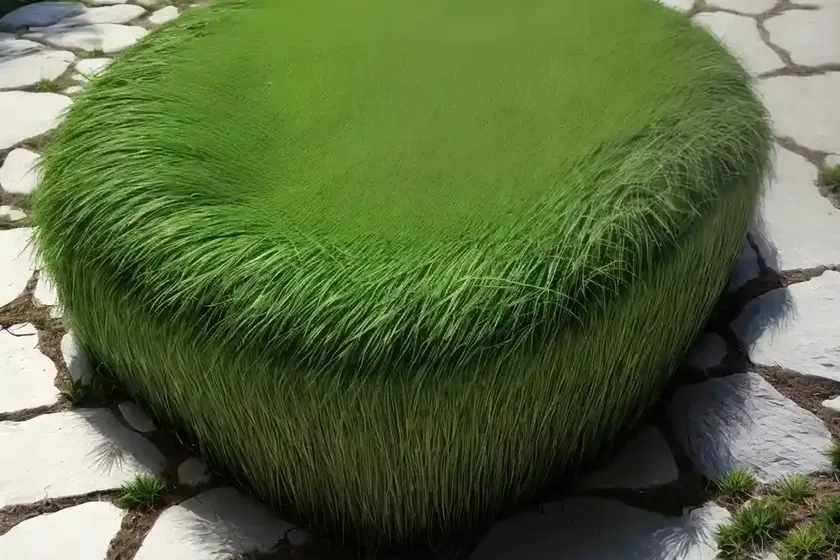
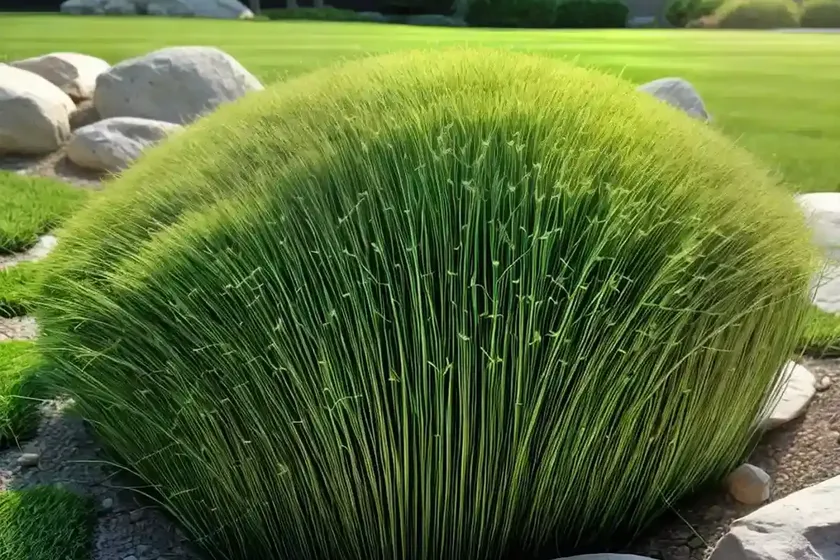
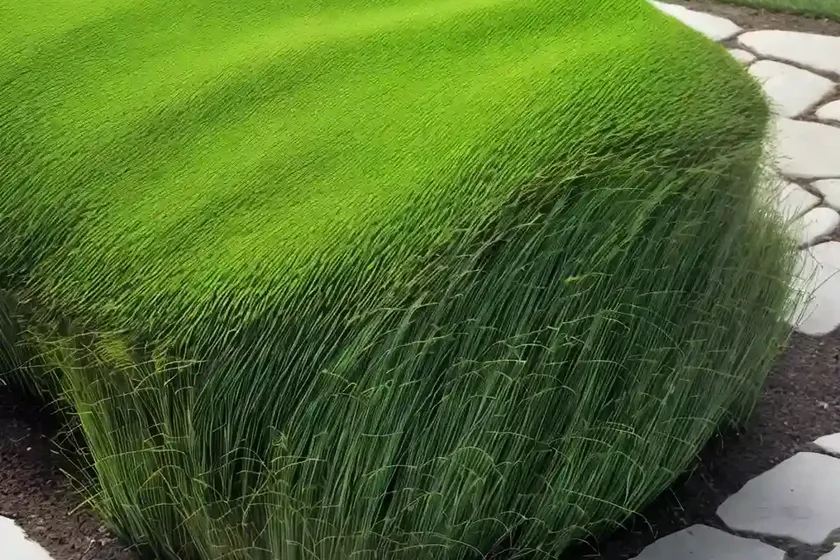
Creeping bluegrass (Poa annua var. reptans) is a versatile and resilient plant that is highly valued for its adaptability and aesthetic appeal. In this in-depth guide, we will explore the key characteristics, cultural requirements, common uses, and maintenance practices associated with creeping bluegrass. Whether you are a gardener, landscape architect, or turfgrass professional, this resource will provide valuable insights into maximizing the potential of Poa annua var. reptans in various settings.
What is Creeping Bluegrass (Poa annua var. reptans)?
Creeping bluegrass, scientifically known as Poa annua var. reptans, is a low-growing, perennial grass species that is native to Europe and Asia. It belongs to the Poaceae family, which encompasses a diverse range of grasses commonly found in different ecological niches. Creeping bluegrass is renowned for its fine texture, resilient nature, and ability to spread via stolons, enabling it to form dense, lush mats of vegetation.
Key Takeaways
Before delving into specific aspects of creeping bluegrass, let us outline the essenstial aspects of this plant:
- Common Name: Creeping Bluegrass
- Scientific Name: Poa annua var. reptans
- Family: Poaceae
- Growth Habit: Low-growing, spreading via stolons
- Origin: Europe and Asia
- Characteristics: Fine texture, shade tolerance, spreading growth habit
Now that we have introduced the basic details of creeping bluegrass, let’s explore its cultural requirements, common uses, and maintenance practices in greater detail.
Culture
Understanding the cultural requirements of creeping bluegrass is essential for promoting its health and vigor in various landscaping and turfgrass scenarios. Key components of its culture include water, sunlight, fertilizer, soil, and pruning.
Uses
The diverse uses of creeping bluegrass encompass residential and commercial landscapes, golf courses, athletic fields, erosion control, and wildlife-friendly plantings. Its low-growing habit and adaptability to different conditions make it a versatile choice for a wide range of applications.
Water
Proper watering is crucial for sustaining the health and vitality of creeping bluegrass. This grass species generally thrives in moderately moist soil conditions and displays good drought tolerance once established. However, consistent moisture levels are essential, especially during periods of prolonged heat or drought.
Sunlight
Creeping bluegrass exhibits a preference for partial to full sunlight, although it can tolerate moderate shade as well. When cultivated in shadier conditions, it is important to provide adequate light for the grass to thrive and maintain its desirable growth habit.
Fertilizer
Incorporating a balanced fertilizer regimen is vital for promoting the lush, vibrant growth of creeping bluegrass. Selecting a fertilizer with the appropriate nutrient composition and applying it at the right times can significantly enhance the overall health and appearance of the grass.
Soil
Creeping bluegrass adapts well to a variety of soil types, provided they offer good drainage and proper aeration. Maintaining a slightly acidic to neutral soil pH range is generally favorable for this grass species, contributing to its optimal growth and nutrient uptake.
Pruning
Regular mowing and strategic pruning help to maintain the desired appearance and density of creeping bluegrass lawns. Proper mowing height and frequency play key roles in promoting healthy growth and minimizing potential issues such as thatch accumulation and weed encroachment.
Propagation
Propagating creeping bluegrass can be achieved through various methods, including seeds, stolons, and plugs. Each approach offers distinct advantages and considerations, influencing the overall success of establishing new grassy areas.
Container Popularity
The use of containers for cultivating creeping bluegrass presents an engaging opportunity for creating portable, ornamental displays and miniature landscapes. This allows for greater control over growing conditions and facilitates the incorporation of creeping bluegrass into urban and small-space environments.
Common Diseases
Despite its resilience, creeping bluegrass is susceptible to certain diseases that can affect its appearance and vigor. Understanding common diseases such as dollar spot, red thread, and fusarium patch is essential for implementing effective management strategies and maintaining the health of the grass.
Disease Diagnosis
Accurately diagnosing diseases affecting creeping bluegrass entails careful observation of symptoms, conducting diagnostic tests, and seeking professional assistance when necessary. Prompt identification of diseases enables the implementation of targeted treatments and preventative measures.
Common Pests
Pests such as billbugs, chinch bugs, and white grubs pose potential threats to the well-being of creeping bluegrass, warranting vigilant monitoring and proactive pest management strategies.
Botanist’s Tips
Experienced botanists and horticulturists offer invaluable insights and recommendations for successfully integrating creeping bluegrass into diverse landscapes, along with practical tips for maintaining its health and beauty.
Fun Facts
Understanding the unique characteristics and ecological significance of creeping bluegrass enhances the appreciation of this plant and enriches the landscaping and gardening experience.
Characteristics of Creeping Bluegrass
Low-Growing Habit
As indicated by its common name, creeping bluegrass possesses a creeping growth habit, spreading horizontally via stolons to form dense, low mats of foliage. This growth pattern contributes to its ability to create lush ground cover and withstand wear and tear.
Shade Tolerance
Creeping bluegrass exhibits a notable tolerance for shade, making it a suitable choice for areas with partial sunlight or dappled shade. This characteristic expands its potential applications and enhances its versatility in different landscape settings.
Drought Resistance
Once established, creeping bluegrass demonstrates good resistance to drought conditions, enabling it to persist in landscapes with periodic water scarcity. Its ability to withstand moderate drought enhances its appeal for regions with variable moisture levels.
Best Uses for Poa annua var. reptans
The adaptability and ornamental qualities of creeping bluegrass render it suitable for a variety of landscaping, horticultural, and ecological purposes. Identifying the best uses for Poa annua var. reptans facilitates its strategic integration into diverse environments and enhances its overall contribution to aesthetic and functional landscapes.
Shade-Tolerant Bluegrass Options
Shade-tolerant grasses such as creeping bluegrass play a vital role in creating visually appealing and resilient landscapes, particularly in areas with limited direct sunlight or varying light conditions. Exploring shade-tolerant bluegrass options broadens the range of species available for addressing specific site requirements.
Planting Creeping Bluegrass
Implementing proper planting techniques is essential for establishing healthy creeping bluegrass stands and ensuring their long-term success in the landscape.
Maintaining a Creeping Bluegrass Lawn
Maintaining a lush, vibrant creeping bluegrass lawn involves employing effective care practices and addressing potential challenges related to mowing, watering, fertilizing, and pest control.
Bluegrass Turf Options
Choosing suitable bluegrass turf varieties for specific applications and environmental conditions contributes to the successful establishment and maintenance of attractive turfgrass areas.
Creeping Bluegrass in Colder Climates
Understanding the cold hardiness and adaptability of creeping bluegrass cultivars to colder climates informs the selection and management of grass species for regions characterized by lower temperatures and frost.
Drought-Resistant Bluegrass Varieties
Water conservation and sustainable landscape practices are supported by the incorporation of drought-resistant bluegrass varieties, including select cultivars of creeping bluegrass, into water-wise landscaping schemes.
Pest Control for Creeping Bluegrass
Implementing integrated pest management strategies helps to control and mitigate pest infestations that can adversely impact the health and aesthetics of creeping bluegrass lawns and landscapes.
Disease-Resistant Bluegrass Options
Selecting disease-resistant bluegrass varieties represents a proactive approach to minimizing the impact of common turfgrass diseases and preserving the quality and function of turf areas.
Erosion Control
The ability of creeping bluegrass to form compact, spreading mats contributes to its effectiveness in erosion control applications, providing stability and protection to soil surfaces.
Native Bluegrass Species
The inclusion of native bluegrass species in landscaping and restoration projects supports the conservation of regional biodiversity and contributes to the preservation of native plant communities.
Bluegrass for Residential Landscapes
Utilizing bluegrass in residential landscapes offers homeowners versatile and visually appealing options for creating functional and aesthetically pleasing outdoor spaces.
Wildlife-Friendly Bluegrass Plantings
The use of bluegrass in wildlife-friendly plantings enhances habitat diversity and supports the ecological value of landscaped areas for native fauna and beneficial organisms.
Bluegrass for Green Roofs
The use of creeping bluegrass in green roof applications assists in achieving desirable design aesthetics, contributing to stormwater management, and enhancing overall roof performance.
Herbicidal Options for Bluegrass Control
Integrating herbicidal options for bluegrass control requires a nuanced approach that prioritizes effective weed management while minimizing potential impacts on desirable vegetation and environmental quality.
Bluegrass Identification
Accurate identification of bluegrass species and varieties is essential for informed landscape management decisions, including selection, maintenance, and control measures.
Bluegrass Germination Process
Understanding the germination process of bluegrass seeds is integral to successful establishment and the realization of desired turf outcomes in landscaping and horticultural contexts.
Fertilizer Requirements for Poa annua var. reptans
The specific nutritional requirements of creeping bluegrass influence the selection of appropriate fertilizers and application strategies to support optimal growth and vitality.
Bluegrass Water Requirements
Assessing and fulfilling the water requirements of creeping bluegrass contributes to effective lawn and landscape management and the sustainable use of water resources.
Mowing Tips for Creeping Bluegrass
Implementing proper mowing techniques for creeping bluegrass fosters healthy growth, appearance, and resilience, while minimizing potential stress and damage to the grass.
Bluegrass Color Variations
Exploring the range of color variations among bluegrass species and cultivars broadens the palette of options for creating visually appealing and dynamic landscapes.
Bluegrass Under Different Light Conditions
Evaluating the response of bluegrass to varying light conditions facilitates the selection of suitable species and varieties for specific landscape settings with unique lighting characteristics.
Shade-Tolerant Lawn Grasses
Selecting shade-tolerant lawn grasses, including certain bluegrass varieties, enhances the aesthetic and functional qualities of shaded areas within landscapes and outdoor living spaces.
Bluegrass for Athletic Fields
The unique attributes of select bluegrass varieties make them well-suited for use in athletic fields, contributing to the performance, safety, and overall quality of sports turf surfaces.
Bluegrass for Golf Courses
The incorporation of bluegrass in golf course turf blends offers the potential to enhance the playability, aesthetics, and environmental sustainability of golfing facilities.
Bluegrass Species Comparison
Comparing the characteristics and performance of different bluegrass species provides valuable insights for making informed decisions regarding turf selection, establishment, and maintenance.
Bluegrass for High Traffic Areas
Utilizing durable bluegrass varieties in high traffic areas promotes the creation of resilient and visually appealing turf surfaces that can withstand frequent use and foot traffic.
Creeping Bluegrass in Sun or Shade
Understanding the adaptability of creeping bluegrass in sun and shade conditions informs the selection and management of this grass species for diverse landscape settings.
Managing Weeds in a Bluegrass Lawn
Implementing effective weed management practices in bluegrass lawns helps to preserve the turf quality and visual appeal while minimizing weed competition and encroachment.
Bluegrass Seed Selection Guide
Selecting suitable bluegrass seeds based on site conditions, climate, and intended use supports successful establishment and the realization of desired turf outcomes.
Planting Creeping Bluegrass from Seed
The process of planting creeping bluegrass from seed involves specific considerations and techniques that influence successful germination and establishment in the landscape.
Creeping Bluegrass and Pets
Understanding the potential interactions between creeping bluegrass and pets assists in creating safe and enjoyable outdoor environments for animals and their human companions.
Bluegrass Lawn Maintenance Schedule
Developing a structured maintenance schedule for bluegrass lawns optimizes the care and management of turf areas, promoting their long-term health and appeal.
Bluegrass in Arid Regions
Selecting appropriate bluegrass varieties for arid regions and implementing water-efficient practices contributes to the sustainability and performance of turf and landscape areas.
Bluegrass in Humid Climates
Adjusting management practices and selecting suitable bluegrass varieties for humid climates helps to optimize the resilience and aesthetics of turf and landscape settings.
Bluegrass for Bare Spots in the Lawn
Utilizing bluegrass for addressing bare spots in the lawn supports the restoration and enhancement of turf coverage, contributing to a more uniform and attractive appearance.
Bluegrass for Wet Soil Conditions
Identifying bluegrass varieties suited for wet soil conditions assists in addressing hydrological challenges and promoting the successful establishment of resilient turf areas.
Bluegrass for Sandy Soils
Selecting adaptable bluegrass varieties for sandy soils enhances the capacity to establish healthy turf in these unique soil environments, contributing to landscape sustainability.
Organic Bluegrass Care Tips
Incorporating organic care practices into bluegrass management promotes environmental stewardship, soil health, and the cultivation of vibrant, ecologically resilient turf areas.
Overseeding with Creeping Bluegrass
Incorporating creeping bluegrass through overseeding is an effective approach to renovating and enhancing existing turf areas, bolstering coverage, and aesthetic quality.
Bluegrass for Landscaping Slopes
Utilizing appropriate bluegrass varieties for landscaping slopes supports erosion control, visual appeal, and the establishment of stable, resilient turf surfaces in sloped areas.
Bluegrass for Winter Color
Selecting bluegrass varieties that retain vibrant coloration during the winter months enhances the aesthetic quality and interest of landscapes throughout the year.
As we have explored the numerous facets of creeping bluegrass, including its cultural requirements, common uses, maintenance practices, and unique attributes, we have gained a comprehensive understanding of the value and versatility of this resilient grass species. Whether for residential lawns, commercial landscapes, athletic fields, or ecological restoration projects, creeping bluegrass offers a wealth of possibilities for creating vibrant, functional, and visually appealing outdoor environments.
For further information and detailed insights on creeping bluegrass and related topics, we encourage you to explore the following external resources for enriched learning and practical application:
- University of California Integrated Pest Management – Creeping Bluegrass
- The Lawn Institute – Bluegrass Turfgrass Research
- National Association of Landscape Professionals – Resources for Landscape Management
- American Society of Agronomy – Sustainable Landscaping Practices
- Royal Horticultural Society – Gardening Advice and Tips
- United States Golf Association – Turfgrass Research and Management
We trust this guide has provided valuable insights and practical guidance for maximizing the potential of creeping bluegrass in diverse horticultural and landscaping contexts. Embracing the adaptability, resilience, and aesthetic appeal of Poa annua var. reptans supports the creation of sustainable, visually captivating, and functionally diverse outdoor spaces. We hope this resource serves as a valuable reference for professionals, enthusiasts, and practitioners seeking to enhance landscapes, natural areas, and built environments through the thoughtful integration of creeping bluegrass and related grass species.