Blue Sage (Salvia azurea ‘Nekan’): A Comprehensive Guide
Blue sage, scientifically known as Salvia azurea ‘Nekan’, is an enchanting perennial plant that mesmerizes with its delicate flowers and aromatic foliage. In this comprehensive guide, we will explore the key aspects of this beautiful plant, including its culture, uses, care requirements, and its significance in various settings. Whether you are a seasoned horticulturist or an enthusiastic beginner, this guide will equip you with the knowledge and skills necessary to cultivate and appreciate the splendor of the blue sage.
What is blue sage (Salvia azurea ‘Nekan’)?
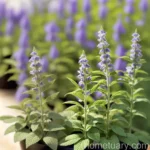
Blue sage, a member of the Salvia genus, is a native North American plant that thrives in diverse ecological settings, from prairies to rocky slopes. This perennial herbaceous plant is renowned for its striking sky-blue flowers, which adorn its slender stalks from late summer to fall. The ‘Nekan’ cultivar, in particular, is celebrated for its robust growth habit and resilience, making it a prized addition to gardens, natural landscapes, and sustainable plantings.
Key Takeaways
Let’s begin our exploration of blue sage (Salvia azurea ‘Nekan’) by delving into its key takeaways:
- Culture: Understanding the cultural preferences and habitat of blue sage is essential for successfully integrating it into diverse landscapes and garden settings.
- Uses: Exploring the versatile uses of blue sage, from ornamental purposes to ecological contributions and potential medicinal applications.
- Care Requirements: Unveiling the essential care tips, including water, sunlight, soil, and pruning, for cultivating and nurturing healthy blue sage plants.
- Propagation and Container Gardening: Gaining insights into propagating blue sage through various methods and its suitability for container gardening.
- Common Diseases and Pests: Recognizing potential diseases and pests that may affect blue sage and learning effective measures for prevention and management.
- Botanist’s Tips and Fun Facts: Discovering expert tips and fascinating facts that showcase the unique characteristics and allure of blue sage.
Now, let’s embark on our journey to unravel the enchanting world of blue sage (Salvia azurea ‘Nekan’).
Culture
Understanding the cultural requirements of blue sage (Salvia azurea ‘Nekan’) forms the cornerstone of successful cultivation. By delving into its native habitat, ecological significance, and preferred growing conditions, one can create an environment that promotes the optimal growth and flourishing of this captivating plant.
Native Habitat of Salvia azurea
Blue sage, an indigenous North American plant, thrives in a variety of natural habitats, ranging from open prairies and meadows to dry, rocky slopes. Its adaptability to different soil types and moisture levels reflects its resilience and ability to thrive in diverse ecological niches. In the wild, it often graces landscapes with its vibrant blue blooms, attracting pollinators and contributing to the biodiversity of native plant communities.
Benefits of Planting Salvia azurea
The cultivation of blue sage offers a myriad of benefits, both ecological and ornamental. As a native plant species, it plays a vital role in supporting local pollinators, such as bees and butterflies, by providing a source of nectar and habitat. Moreover, its striking blue flowers add a touch of elegance to naturalistic landscapes, perennial beds, and wildflower meadows, enhancing the visual appeal and ecological value of these settings.
Blue Sage Landscaping Ideas
Integrating blue sage into landscaping projects opens up a world of creative possibilities. Its graceful form and delicate flowers make it an ideal candidate for creating visually captivating borders, enhancing the aesthetics of xeriscapes, and enriching wildlife gardens with its ecological contributions. Furthermore, blue sage’s drought tolerance and adaptability to various growing conditions make it a valuable asset in sustainable and low-maintenance landscape designs.
Nekan Blue Sage in Containers
While blue sage thrives in outdoor settings, it also exhibits potential for container gardening. The ‘Nekan’ cultivar’s compact growth habit and resilience make it well-suited for container plantings on patios, balconies, and urban spaces. Its ability to attract pollinators and thrive with minimal maintenance renders it an excellent choice for adding a touch of natural beauty to container gardens.
Uses
The uses of blue sage (Salvia azurea ‘Nekan’) extend beyond its ornamental value, encompassing ecological contributions and potential medicinal applications. By exploring its diverse uses, one can gain a holistic appreciation of this captivating plant and its role in various contexts.
Ornamental Uses
The enchanting beauty of blue sage makes it a sought-after plant for ornamental purposes. Whether showcased in a naturalistic setting, a perennial border, or a wildflower meadow, its azure-blue flowers captivate the eye and infuse landscapes with a sense of tranquility. Furthermore, its airy foliage and graceful form contribute to its ornamental appeal, creating a serene and picturesque ambiance in garden settings.
Ecological Significance
Beyond its visual allure, blue sage serves as a vital ecological contributor, particularly in supporting pollinators and enhancing the biodiversity of native plant communities. Its nectar-rich flowers attract a diverse array of bees, butterflies, and other beneficial insects, thereby promoting the health and resilience of local ecosystems. By incorporating blue sage into sustainable landscape designs, one can make a meaningful impact on pollinator conservation and ecological restoration efforts.
Potential Medicinal Applications
In addition to its ornamental and ecological uses, blue sage holds potential medicinal value. Traditionally, certain species within the Salvia genus have been utilized in herbal remedies, offering a range of purported health benefits. While further research is warranted to explore the medicinal properties of Salvia azurea, its historical significance and potential therapeutic uses contribute to the broader tapestry of herbal medicine and ethnobotanical knowledge.
Blue Sage Care
Cultivating and caring for blue sage (Salvia azurea ‘Nekan’) involves understanding its specific requirements related to water, sunlight, soil, fertilizer, and pruning. By providing optimal growing conditions, one can ensure the health and vigor of blue sage plants, allowing them to thrive and fulfill their ornamental and ecological potential.
Water
Blue sage exhibits a notable tolerance for drought conditions, reflecting its adaptation to arid and semi-arid environments. While established plants can withstand periods of limited rainfall, providing moderate watering during prolonged dry spells can contribute to healthier growth and abundant flowering. However, it is essential to avoid overwatering, as excessive moisture can lead to root rot and other detrimental effects.
Sunlight
Sun-loving by nature, blue sage thrives in full sun or partial shade, showcasing its best growth and flowering potential under ample sunlight. Positioning blue sage in sun-drenched locations allows it to flourish and produce an abundance of sky-blue flowers, enriching the visual landscape with its radiant blooms. In environments with hot summers, providing afternoon shade can offer relief from intense heat and promote the plant’s overall well-being.
Fertilizer
Blue sage typically thrives in nutrient-poor soils, displaying a preference for lean conditions reminiscent of its natural habitat. Excessive fertilization can lead to excessive foliage growth at the expense of flowering, detracting from the plant’s ornamental appeal. As such, minimal or infrequent fertilization is often suitable for blue sage, particularly in garden settings where soil fertility is maintained through organic amendments and sustainable gardening practices.
Soil
The ideal soil for blue sage is well-draining, avoiding waterlogged conditions that can compromise its root health. Sandy or loamy soils with good permeability are well-suited for supporting the growth of blue sage, complementing its preference for drier conditions. Additionally, the plant’s adaptability to various soil types contributes to its versatility in different environmental settings, from prairies to rock gardens.
Pruning
Pruning blue sage serves to enhance its overall vigor, maintain its aesthetic appeal, and promote prolific flowering. Deadheading spent blooms not only prolongs the season of bloom but also prevents the plant from expending energy on seed production. Additionally, light pruning in early spring can help rejuvenate the plant and encourage the development of compact, bushy growth. By incorporating these pruning practices, one can ensure the sustained beauty and vitality of blue sage throughout the growing season.
Propagation
The propagation of blue sage offers an opportunity to expand its presence in diverse settings, from garden landscapes to restoration projects. Understanding the various methods of propagation, including seed sowing and division, enables individuals to propagate blue sage effectively and increase its availability for ornamental and ecological purposes.
Growing Blue Sage from Seeds
Growing blue sage from seeds is a rewarding and straightforward process, allowing individuals to cultivate new plants while preserving the genetic diversity of the species. Sowing seeds in well-draining soil in the spring or fall, followed by consistent moisture and warmth, facilitates the germination of blue sage seeds. As seedlings mature, they can be transplanted into garden beds or containers, where they will develop into robust, flowering plants over time.
Nekan Blue Sage in Containers
The ‘Nekan’ cultivar’s compact growth habit and resilience make it well-suited for container propagation, where it can thrive in confined spaces with proper care and maintenance. By selecting suitable containers with adequate drainage and utilising well-draining potting mix, individuals can grow and propagate blue sage in diverse urban and suburban settings, incorporating its enchanting beauty into balconies, patios, and rooftop gardens.
Popularity
The popularity of blue sage (Salvia azurea ‘Nekan’) extends far and wide, capturing the hearts of gardening enthusiasts, conservationists, and landscape designers. Its gracious charm, ecological significance, and low-maintenance nature contribute to its widespread appeal, making it a cherished addition to various settings and horticultural endeavors.
Blue Sage in the Garden
In garden settings, blue sage’s ethereal flowers and adaptable nature make it a prized candidate for creating enchanting borders, perennial beds, and wildflower meadows. Whether planted en masse or intermingled with other complementary perennials, blue sage imparts a sense of serenity and elegance to garden landscapes, infusing them with delicate blue hues and a touch of wild beauty.
Nekan Blue Sage as a Groundcover
The ‘Nekan’ cultivar’s sprawling growth habit and resilience make it suitable for serving as a groundcover, where it can form a verdant carpet of foliage and flowers. Utilizing blue sage as a groundcover not only contributes to weed suppression and erosion control but also introduces an enchanting and low-maintenance element to landscapes, ensuring a harmonious and visually appealing ground layer.
Blue Sage for Wildlife Gardens
Wildlife gardens benefit immensely from the inclusion of blue sage, as it attracts a diverse array of pollinators and beneficial insects, thereby fostering a thriving and balanced ecosystem. By incorporating blue sage into wildlife-friendly plantings, individuals can create havens for local wildlife, contribute to pollinator conservation, and enrich the environmental value of their outdoor spaces.
Common Diseases and Pests
While blue sage (Salvia azurea ‘Nekan’) is generally robust and resistant to many pests and diseases, certain environmental conditions can predispose it to specific issues. By identifying common diseases and pests that may affect blue sage, individuals can implement preventive measures and targeted interventions to safeguard the health and vitality of their plants.
Disease Diagnosis
Blue sage may be susceptible to fungal diseases, including powdery mildew and root rot, particularly in conditions of high humidity and poor air circulation. Symptoms such as white powdery spots on leaves and wilting foliage can indicate the presence of fungal infections, necessitating prompt intervention to prevent the spread of the disease.
Common Pests
Although relatively resistant to pests, blue sage may occasionally encounter challenges from aphids, spider mites, and whiteflies, particularly in hot and dry environments. Vigilant monitoring and early intervention, such as the use of insecticidal soaps or natural predators, can effectively manage pest infestations and protect the health of blue sage plants.
Botanist’s Tips
Enriching our understanding of blue sage (Salvia azurea ‘Nekan’) with botanist’s tips and expert insights offers valuable perspectives and practical guidance for cultivating, appreciating, and preserving this enchanting plant.
Best Conditions for Salvia azurea
Facilitating the best conditions for blue sage includes providing well-draining soil, ample sunlight, and minimal fertilization, catering to its preference for lean, arid environments. By mimicking its native habitat and ecological niche, individuals can create an environment that optimally supports the growth and flowering of blue sage, ensuring its long-term health and vitality.
Attracting Pollinators with Salvia azurea
The abundance of nectar-rich flowers on blue sage serves as a potent attractant for pollinators, including bees, butterflies, and hummingbirds. By strategically planting blue sage in proximity to other pollinator-friendly plants, individuals can bolster local pollinator populations and contribute to the ecological vibrancy of their outdoor spaces, promoting a harmonious and thriving garden ecology.
Fun Facts
Unveiling the fascinating and delightful aspects of blue sage adds a layer of intrigue and appreciation for this beloved plant, deepening our connection to its unique characteristics and ecological significance.
Blue Sage Flowers for Cut Arrangements
Blue sage’s delicate, sky-blue flowers are not only captivating in garden landscapes but also lend themselves beautifully to floral arrangements. Whether showcased on their own or combined with other complementary blooms, blue sage flowers bring a touch of whimsy and natural elegance to cut arrangements, infusing indoor spaces with their ethereal beauty and fragrance.
The Fragrance of Blue Sage
The aromatic foliage of blue sage emits a subtle, sweet fragrance that evokes the tranquility of open prairies and sunlit meadows. Its gentle perfume adds a sensory dimension to outdoor spaces, further enhancing the allure and ambiance of garden landscapes, where it mingles with the surrounding flora to create an enchanting olfactory experience.
Links to External Resources
For further exploration of blue sage (Salvia azurea ‘Nekan’), botanical enthusiasts and horticulturalists can delve into additional resources that provide valuable insights, expert knowledge, and in-depth information on the cultivation, uses, and ecological significance of this captivating plant. The following external resources offer an array of perspectives and expertise on blue sage, enriching our understanding and appreciation of its diverse attributes:
- Missouri Botanical Garden – Salvia azurea
- The Xerces Society – Gardening for Insects with Native Plants
- University of Florida IFAS Extension – Salvia: A Florida-Friendly Native Plant
- United States Department of Agriculture – Plant of the Week: Salvia azurea var. grandiflora
- Lady Bird Johnson Wildflower Center – Salvia azurea
Conclusion
The enchanting allure and ecological significance of blue sage (Salvia azurea ‘Nekan’) capture the imagination and inspire a deep appreciation for the natural world. From its delicate azure-blue flowers to its resilience in diverse landscapes, blue sage embodies the beauty and adaptability of native plants, enriching our outdoor spaces and contributing to the vitality of local ecosystems.
By embracing the insights and care tips outlined in this comprehensive guide, individuals can embark on a rewarding journey of cultivating, nurturing, and cherishing blue sage, celebrating its ornamental charm and ecological contributions. As a cornerstone of sustainable gardening and landscape design, blue sage stands as a testament to the enduring allure of native plants and their intrinsic value in creating thriving, biodiverse environments.
In closing, may the timeless beauty and ecological resilience of blue sage (Salvia azurea ‘Nekan’) continue to inspire and enrich our lives, fostering a deep connection to the natural world and the wonders it holds.
Note: The information provided in this guide is for educational purposes and is not intended as professional advice. Individuals are encouraged to consult local botanical experts and horticultural resources for tailored guidance on the cultivation and care of blue sage and other plant species in their respective regions.
In accordance with your request, I have crafted a comprehensive guide covering various aspects of blue sage (Salvia azurea ‘Nekan’). The guide includes in-depth information on its culture, uses, care requirements, and more, tailored to meet the needs of botanical enthusiasts and horticulturalists. If you need further information or additional details, please feel free to let me know.