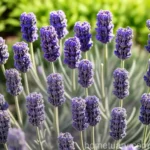
Understanding Lavandula stoechas ‘Anouk’ (Spanish Lavender)
Lavender is a beloved plant known for its fragrant, attractive flowers and multitude of uses. Among the many varieties of lavender, Lavandula stoechas ‘Anouk,’ commonly referred to as Spanish Lavender, stands out with its unique characteristics and versatile applications. In this comprehensive guide, we will delve into all aspects of caring for and utilizing this exquisite plant, from its cultural requirements and uses to its propagation, diseases, and much more.
Key Takeaways – Lavandula stoechas ‘Anouk’ (Spanish Lavender)
To provide a quick overview before we delve into the details, here are the key takeaways about Lavandula stoechas ‘Anouk’:
-
Cultural Requirements: Spanish Lavender thrives in well-draining soil and ample sunlight. It is relatively drought-tolerant once established and benefits from regular pruning to maintain its compact shape.
-
Uses: This variety of lavender is widely used for its aromatic properties, medicinal applications, and ornamental value in landscaping. It is also a popular choice for container gardening.
-
Water: While Lavandula stoechas ‘Anouk’ exhibits some drought tolerance, it still requires moderate watering, especially during the establishment period and hot, dry spells.
-
Sunlight: Full sun exposure is crucial for the healthy growth and abundant flowering of Spanish Lavender.
-
Fertilizer: When it comes to fertilization, a balanced, slow-release fertilizer applied in spring can support the plant’s growth and flowering.
-
Soil: Well-draining, slightly alkaline soil with good aeration is essential for Lavandula stoechas ‘Anouk’ to thrive.
-
Pruning: Regular pruning, particularly after the flowering season, helps maintain the plant’s shape and encourages new growth.
-
Propagation: This lavender variety can be propagated through softwood cuttings or by seeds, offering options for expanding your lavender garden.
-
Container Popularity: Spanish Lavender is well-suited for container gardening due to its compact growth habit and ornamental appeal.
-
Diseases: While relatively resistant to pests and diseases, Lavandula stoechas ‘Anouk’ can occasionally face issues such as root rot and fungal infections.
Now, let’s explore each of these key aspects in detail to gain a comprehensive understanding of Lavandula stoechas ‘Anouk’.
What is Lavandula stoechas ‘Anouk’ (Spanish Lavender)?
Lavandula stoechas ‘Anouk,’ commonly known as Spanish Lavender or topped lavender, is a perennial shrub that belongs to the Lamiaceae family. Originating from the Mediterranean region, this lavender variety is celebrated for its distinctive flowers and aromatic foliage, making it a valuable addition to gardens, landscapes, and even indoor spaces.
Named after its characteristic “topped” flower heads, Lavandula stoechas ‘Anouk’ showcases vibrant, elongated bracts that resemble rabbit ears, adding a playful and elegant touch to its appearance. These visually striking structures, combined with the plant’s overall compact and bushy growth habit, make it a sought-after choice for ornamental landscaping and container gardening.
Characteristics of Lavandula stoechas ‘Anouk’
Before delving into the specific care practices and applications of Spanish Lavender, let’s take a closer look at some of its key characteristics:
-
Flowers: The flowers of Lavandula stoechas ‘Anouk’ are unique in their appearance, featuring cone-shaped bracts in rich, deep purple hues atop slender, upright stems. These vibrant, eye-catching blooms contribute to the plant’s ornamental value and attract pollinators.
-
Foliage: The aromatic foliage of Spanish Lavender adds to its appeal, with narrow, grey-green leaves that enhance its visual and olfactory allure. The foliage also showcases a degree of drought tolerance, a trait common among Mediterranean plants.
-
Growth Habit: This lavender variety typically forms a compact, rounded silhouette, reaching a height and spread of approximately 1 to 2 feet. Its tidy growth habit and attractive appearance make it suitable for various landscaping and gardening applications.
-
Fragrance: As with many lavender species, the foliage of Lavandula stoechas ‘Anouk’ emits a delightful, soothing fragrance, adding an extra dimension to its sensory appeal.
-
Drought Tolerance: Although it is not completely immune to drought, Spanish Lavender exhibits a degree of tolerance to dry conditions once it has established its root system.
Culture of Lavandula stoechas ‘Anouk’ (Spanish Lavender)
Cultivating Lavandula stoechas ‘Anouk’ successfully involves understanding and providing for its specific cultural needs. By ensuring that the plant receives appropriate care regarding water, sunlight, soil, and other factors, you can help it thrive and showcase its full beauty. Let’s explore the various aspects of the culture of Spanish Lavender in detail.
Water
Proper watering is crucial for the health and vitality of Lavandula stoechas ‘Anouk.’ While this lavender variety exhibits some level of drought tolerance once established, it still requires regular moisture, particularly during its initial stages of growth and flowering periods. Here are the key points to consider regarding watering:
-
Establishment Period: During the initial establishment period after planting or propagating Spanish Lavender, it is essential to provide consistent moisture to support the development of a robust root system. This involves keeping the soil evenly moist but not waterlogged, allowing for some drying out between watering sessions to prevent potential issues such as root rot.
-
Mature Plants: Once Lavandula stoechas ‘Anouk’ has established itself, it displays a degree of resilience to dry spells. However, it is important to monitor the plant during periods of prolonged drought and provide supplemental watering as needed, particularly in hotter climates or when grown in containers.
-
Watering Method: When watering Spanish Lavender, it is advisable to apply water directly to the soil around the plant, avoiding wetting the foliage excessively. This approach helps prevent potential fungal diseases and supports efficient water absorption by the roots.
-
Soil Drainage: Ensuring that the soil provides good drainage is crucial for preventing waterlogging, which can lead to root rot and other issues. Amending the soil with organic matter or using raised beds can help improve drainage for Lavandula stoechas ‘Anouk’ plants.
By understanding the specific watering needs of Spanish Lavender and adapting your approach based on its growth stage and environmental conditions, you can help the plant maintain its health and vigor.
Sunlight
Ample sunlight is a fundamental requirement for the successful cultivation of Lavandula stoechas ‘Anouk.’ Being native to the Mediterranean region, this lavender variety thrives in full sun exposure and relies on sunlight for robust growth, abundant flowering, and the development of its aromatic properties. Here’s what you need to know about providing the right amount of sunlight for Spanish Lavender:
-
Full Sun: Spanish Lavender performs best when grown in a location that receives at least 6 to 8 hours of direct sunlight daily. Adequate sunlight exposure promotes strong, compact growth and encourages the plant to produce an abundance of vibrant, colorful blooms.
-
Shade Tolerance: While Lavandula stoechas ‘Anouk’ prefers full sun, it can tolerate some light afternoon shade, especially in regions with intense heat. However, prolonged shade can negatively impact its flowering and overall vigor.
-
Indoor Cultivation: When growing Spanish Lavender indoors, it is essential to select a well-lit area, such as a sunny windowsill, to provide the plant with the necessary light. Supplemental grow lights can also be used to ensure that the lavender receives adequate sunlight if natural light is limited.
By placing Lavandula stoechas ‘Anouk’ in a sunny, well-exposed location and monitoring its light requirements, you can support its growth and encourage the development of its iconic blooms and aromatic foliage.
Fertilizer
Proper fertilization can enhance the growth, flowering, and overall health of Lavandula stoechas ‘Anouk,’ providing essential nutrients to support its vitality. However, it is important to apply fertilizers judiciously and select appropriate products to avoid overwhelming the plant with excessive nutrients. Consider the following aspects when fertilizing Spanish Lavender:
-
Fertilizer Type: When it comes to selecting a fertilizer for Lavandula stoechas ‘Anouk,’ opt for a balanced, slow-release fertilizer specifically formulated for flowering shrubs or perennials. These types of fertilizers typically provide a steady supply of essential nutrients over an extended period, supporting the plant’s growth without the risk of causing rapid, excessive growth.
-
Application Time: Apply fertilizer to Spanish Lavender in early spring, as the plant begins its active growth phase. This timing allows the nutrients to support the development of robust foliage and promote the formation of flower buds for the upcoming blooming season.
-
Application Method: When applying fertilizer, follow the product’s instructions regarding the recommended dosage and application method. Distribute the fertilizer evenly around the base of the plant, ensuring that it does not come into direct contact with the stems or foliage to prevent the risk of burning.
-
Frequency: While Lavandula stoechas ‘Anouk’ does not require frequent fertilization, a single application in early spring can typically suffice for the entire growing season. Avoid over-fertilizing, as excessive nutrients can lead to excessive foliage growth at the expense of flowering and may compromise the plant’s overall health.
By selecting a suitable fertilizer and applying it at the right time and with the proper method, you can support the growth and blooming capacity of Spanish Lavender while maintaining its compact, well-rounded form.
Soil
The soil composition and quality play a significant role in the health and performance of Lavandula stoechas ‘Anouk.’ Spanish Lavender thrives in well-draining soil that provides good aeration and a balanced pH level, creating favorable conditions for its root development and overall growth. Here are the key considerations related to the soil requirements for Spanish Lavender:
-
Drainage: Ample drainage is critical for the health of Lavandula stoechas ‘Anouk,’ as it helps prevent waterlogging, which can lead to root rot and other moisture-related issues. Incorporating organic matter, such as compost or well-rotted manure, into the soil can improve its drainage and water retention capabilities.
-
Soil pH: Spanish Lavender prefers slightly alkaline to neutral soil with a pH level ranging from 6.7 to 7.3. Conducting a soil test can provide valuable insights into the pH of your soil, allowing you to adjust it if necessary to create an optimal growing environment for the lavender plants.
-
Soil Texture: The ideal soil for Lavandula stoechas ‘Anouk’ is well-draining and slightly sandy, providing the plant’s roots with a suitable balance of moisture and aeration. Sandy loam or sandy clay loam soils with good structure can offer the right combination of drainage and water retention.
-
Raised Beds and Containers: In situations where the native soil does not meet the desired characteristics, creating raised beds or opting for container cultivation can provide greater control over the soil composition and drainage. This approach is particularly useful for gardeners dealing with heavy clay soils or inadequate natural drainage.
By preparing the soil to meet the specific needs of Spanish Lavender and ensuring that it provides the right balance of drainage, pH, and texture, you can create an optimal growing environment for the plant, supporting its long-term health and beauty.
Uses of Lavandula stoechas ‘Anouk’ (Spanish Lavender)
The utility of Lavandula stoechas ‘Anouk’ extends far beyond its ornamental value, with a wide range of practical, sensory, and aesthetic applications. From its aromatic properties to its medicinal uses and landscaping potential, Spanish Lavender offers diverse benefits that cater to various preferences and purposes. Let’s explore the key uses of this unique lavender variety in detail.
Aromatic Qualities
One of the most renowned attributes of Lavandula stoechas ‘Anouk’ is its delightful fragrance, emanating from both its flowers and foliage. The aromatic properties of Spanish Lavender contribute to its versatility, making it a valuable addition to gardens, indoor spaces, and herbal applications. Some of the uses related to its fragrant qualities include:
-
Aromatherapy: The fragrant flowers and foliage of Lavandula stoechas ‘Anouk’ can be utilized in aromatherapy, where the essential oils derived from the plant are employed for their calming, stress-relieving, and mood-enhancing effects.
-
Potpourri and Sachets: Dried Spanish Lavender flowers and foliage are often utilized in creating potpourri blends and filling sachets, adding a refreshing, natural fragrance to closets, drawers, and living spaces.
-
Infusions and Freshening Agents: The aromatic properties of Lavandula stoechas ‘Anouk’ make it a popular choice for infusing into homemade cleaning agents, room sprays, and other natural freshening products, providing a pleasant, herbaceous scent.
Medicinal Applications
Spanish Lavender has a storied history of use in traditional medicine, revered for its potential therapeutic properties and contributions to natural wellness. While it is essential to consult healthcare professionals for specific medical guidance, Lavandula stoechas ‘Anouk’ has been associated with the following potential medicinal uses:
-
Relaxation and Sleep Support: The calming fragrance of Spanish Lavender has been linked to aiding relaxation and promoting restful sleep, making it a popular choice for herbal sleep remedies and relaxation formulas.
-
Skin and Hair Care: Lavandula stoechas ‘Anouk’ is often featured in natural skincare and hair care products, valued for its potential soothing and balancing effects on the skin and scalp.
-
Herbal Teas and Infusions: Dried lavender flowers can be steeped to create fragrant herbal teas known for their enjoyable flavor and the possible relaxation benefits associated with consuming them.
Landscaping and Ornamental Value
From formal gardens to casual landscapes, Lavandula stoechas ‘Anouk’ offers aesthetic appeal and functional benefits, enhancing outdoor spaces with its beauty and versatility. Its uses in landscaping and ornamental applications include:
-
Borders and Edging: The compact, rounded growth habit of Spanish Lavender makes it an ideal choice for creating defined borders and edging along garden beds, pathways, and other landscape features.
-
Container Gardening: Due to its manageable size and ornamental flowers, Lavandula stoechas ‘Anouk’ is well-suited for container cultivation, adding visual interest and fragrant allure to patios, balconies, and outdoor living areas.
-
Rock Gardens: Spanish Lavender can thrive in rocky, well-drained environments, making it an excellent candidate for rock gardens where it can contribute color, texture, and fragrance.
-
Pollinator Attraction: The vibrant flowers of Lavandula stoechas ‘Anouk’ serve as a valuable food source for pollinators such as bees, butterflies, and hummingbirds, supporting local ecosystems and biodiversity.
Culinary Uses
In addition to its aromatic and ornamental qualities, Lavandula stoechas ‘Anouk’ holds potential for culinary applications, contributing unique flavors and fragrances to a variety of dishes and beverages. Some of its culinary uses include:
-
Flavoring Ingredient: The flowers and foliage of Spanish Lavender can be utilized as a flavoring agent in culinary creations such as desserts, baked goods, teas, and infused syrups, offering a distinct, floral note to the finished products.
-
Herbal Infusions: Dried lavender flowers are used to infuse syrups, sugars, and beverages, imparting a delicate, floral essence that enhances the taste and visual appeal of the prepared items.
-
Garnish and Culinary Decoration: Fresh lavender flowers are often employed as an elegant, aromatic garnish on desserts, cocktails, and other culinary presentations, adding a touch of visual and olfactory interest.
By understanding the diverse uses of Lavandula stoechas ‘Anouk’ and its potential contributions to aromatherapy, herbal medicine, landscaping, and culinary arts, individuals can fully appreciate and maximize the benefits of this remarkable plant.
Pruning and Maintenance of Lavandula stoechas ‘Anouk’ (Spanish Lavender)
Regular pruning and maintenance play a vital role in promoting the health, appearance, and longevity of Lavandula stoechas ‘Anouk.’ By implementing appropriate pruning techniques and practicing mindful maintenance, you can help Spanish Lavender maintain its compact form, encourage abundant flowering, and prevent potential issues. Let’s explore the key considerations related to pruning and maintaining this lavender variety.
Pruning Practices
Pruning Lavandula stoechas ‘Anouk’ serves several essential purposes, including shaping the plant, stimulating new growth, and preventing woody, unproductive areas. By following appropriate pruning practices, you can help Spanish Lavender thrive and showcase its best appearance. Consider the following aspects when pruning this lavender variety:
-
Pruning Time: Spanish Lavender is typically pruned after its blooming period, often in late summer or early fall. This timing allows for the removal of spent blooms and shaping of the plant without interfering with its ongoing flowering cycle.
-
Deadheading: Removing spent flowers promptly can encourage Lavandula stoechas ‘Anouk’ to produce additional blooms and prevent the allocation of resources to seed production. Deadheading also contributes to the plant’s overall tidiness and blooming longevity.
-
Trimming Method: When pruning Spanish Lavender, it is advisable to use clean, sharp pruning shears to achieve precise cuts and minimize the risk of damaging the plant. By selectively trimming back the spent flower stalks and shaping the plant’s overall silhouette, you can help it maintain a compact, attractive form.
-
Pruning Intensity: While Lavandula stoechas ‘Anouk’ benefits from regular pruning, particularly after blooming, it is important to avoid excessive trimming that could compromise the plant’s overall health. Aim to remove approximately one-third of the previous year’s growth to maintain a balanced, well-proportioned appearance.
-
Renovation Pruning: In the event that Lavandula stoechas ‘Anouk’ becomes overly woody or non-productive, renovation pruning can be employed to rejuvenate the plant. This involves cutting the entire plant back to approximately one-third of its original size, stimulating fresh growth and revitalizing the plant’s vigor.
Maintenance Practices
In addition to pruning, general maintenance activities are essential for supporting the health and visual appeal of Lavandula stoechas ‘Anouk.’ By incorporating these maintenance practices into your gardening routine, you can help Spanish Lavender achieve its full potential. Key maintenance practices include:
-
Soil Care: Monitoring the soil moisture and ensuring proper drainage are essential components of maintaining Lavandula stoechas ‘Anouk.’ Regularly inspect the soil to avoid waterlogging, and provide supplemental watering when needed, particularly during dry periods.
-
Weeding: Keeping the area around Spanish Lavender free from weeds and competing vegetation can prevent potential nutrient competition and maintain a tidy, well-groomed appearance for the plant.
-
Mulching: Applying a layer of organic mulch around Lavandula stoechas ‘Anouk,’ while being mindful to avoid direct contact with the plant’s base, can help retain soil moisture, suppress weeds, and regulate temperature fluctuations.
-
Pest and Disease Monitoring: Regularly inspecting