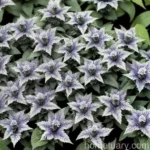
English Lavender (Lavandula angustifolia ‘Buena Vista’)
In the world of aromatic and ornamental plants, few can rival the charm and allure of English lavender (Lavandula angustifolia ‘Buena Vista’). Its delicate foliage and vibrant flowers make it a favorite for gardens, landscapes, and even indoor décor. In this comprehensive guide, we will explore the various facets of English lavender, from its cultural requirements to its uses, and from its propagation to common diseases and pests. By the end of this article, you will have a thorough understanding of how to cultivate and care for this captivating plant.
What is Lavandula angustifolia ‘Buena Vista’?
Lavandula angustifolia, commonly known as English lavender, is a species of flowering plant in the mint family, Lamiaceae. The ‘Buena Vista’ variety is a specific cultivar of Lavandula angustifolia, renowned for its exceptional fragrance and aesthetic appeal. It is native to the Mediterranean region, particularly the mountainous areas of the western Mediterranean, but is now cultivated in various regions across the globe.
This perennial herb is characterized by its narrow, silver-grey leaves and clusters of fragrant, deep purple flowers. It blooms in late spring to early summer, attracting bees and other pollinators to the garden. The essential oil extracted from its flowers and foliage is prized for its therapeutic, aromatic, and culinary uses. From herbal remedies to decorative crafts, English lavender has captivating versatility and charm.
Key Takeaways – English Lavender (Lavandula angustifolia ‘Buena Vista’)
Before delving into the specific aspects of cultivating and caring for English lavender, here are the key takeaways about this remarkable plant:
- Botanical Name: Lavandula angustifolia ‘Buena Vista’
- Family: Lamiaceae
- Common Name: English Lavender
- Type: Perennial
- Fragrance: Highly aromatic
- Flower Color: Deep Purple
- Landscape Uses: Gardens, borders, containers, and herb gardens
- Cultural Significance: Culinary herb, aromatic herb, ornamental plant
- Primary Uses: Essential oil extraction, herbal remedies, decorative crafts
Now that we have a foundational understanding of this captivating plant, let’s explore the specific cultural requirements for its successful growth and flourishing.
Culture
Cultivating English lavender successfully requires attention to its specific cultural needs, ranging from water and sunlight to soil and pruning. Let’s explore each of these aspects in detail:
Water
English lavender is renowned for its drought tolerance once established. However, during its initial growth phase and in periods of prolonged drought, regular watering is essential to ensure healthy, vibrant growth. When watering established plants, it is important to provide deep, infrequent watering to encourage the development of a robust root system. Overwatering can lead to root rot and other moisture-related issues, so it’s crucial to strike a balance and not let the soil become waterlogged.
Sunlight
One of the key requirements for thriving English lavender plants is ample sunlight. These plants thrive in full sun, meaning they require at least 6-8 hours of direct sunlight per day. Insufficient sunlight can lead to leggy growth, reduced flowering, and increased susceptibility to diseases and pests. When selecting a planting location, ensure that it receives the necessary sunlight to support the optimal growth of your lavender plants.
Fertilizer
English lavender is not a heavy feeder and can thrive in relatively poor soils. In fact, excessive fertilization can lead to excessive leaf growth at the expense of flowers and compromise the plant’s natural fragrance. A balanced, low-nitrogen fertilizer applied sparingly in spring can support healthy growth, but it’s important to avoid over-fertilization. Organic options such as compost and well-rotted manure can also be beneficial for lavender plants.
Soil
Well-draining soil is crucial for the successful cultivation of English lavender. It thrives in alkaline to neutral soil with a pH ranging from 6.7 to 7.3. Sandy or loamy soil types are preferable to heavy clay soils, as they facilitate proper drainage and prevent water-logging. Amending the soil with sand or perlite can improve drainage, and the addition of lime can help raise the pH if necessary. It’s important to avoid planting lavender in areas with poor drainage, as water-logged soil can lead to root rot and other issues.
Pruning
Pruning is an essential aspect of lavender care, promoting bushy growth and prolific flowering. Pruning should be carried out in the spring once the threat of frost has passed. It’s important to avoid cutting into old wood, as this can impede new growth. Instead, focus on trimming back the plant to maintain its shape and encourage the development of new shoots. Pruning also serves to improve air circulation, which can reduce the risk of diseases such as mildew.
Propagation
English lavender can be propagated through several methods, including seed sowing, cuttings, and layering:
- Seed Sowing: While English lavender can be grown from seed, this method often results in significant variation and can take longer to produce flowering plants.
- Cuttings: Propagating lavender from cuttings is a reliable and efficient method. Softwood cuttings taken in late spring or early summer and matured in a well-draining medium can develop into healthy plants.
- Layering: This method involves bending a lower branch to the ground, creating a small wound, and burying it beneath the soil. Over time, roots will develop at the wounded area, and a new plant can be separated from the parent.
Each of these propagation methods has its own set of advantages and challenges, and the choice of method often depends on the resources and expertise available.
Container Popularity
English lavender is a popular choice for container gardening, enabling individuals with limited outdoor space to enjoy the beauty and fragrance of this versatile plant. When selecting a container for lavender, it’s crucial to ensure that it provides adequate drainage. Additionally, using a well-draining potting mix tailored for Mediterranean herbs can support healthy growth. Containers also offer the flexibility to move the plants to optimal sunlight and protect them from adverse weather conditions.
Container Common Diseases
When grown in containers, English lavender can be susceptible to specific diseases, including root rot and fungal infections, due to poor drainage and excess moisture. Regularly inspecting the plants for signs of disease, ensuring proper drainage, and avoiding overwatering can help mitigate the risk of these issues. In addition, using sterile potting mix and containers can prevent the introduction of pathogens into the growing environment.
Disease Diagnosis
English lavender can be affected by various diseases, the most common of which include:
- Root Rot: Caused by waterlogged soil and inadequate drainage, resulting in rotting of the roots and subsequent decline of the plant.
- Powdery Mildew: This fungal disease presents as a powdery white coating on the foliage and can be managed through improved air circulation and the use of fungicidal treatments.
- Bacterial Leaf Spot: Manifesting as small, dark lesions on the leaves, this disease can be minimized by avoiding overhead watering and overcrowding of plants.
Diagnosing and addressing diseases promptly is essential for maintaining the health and vitality of English lavender plants.
Common Pests
In addition to diseases, English lavender can also be targeted by various pests, including:
- Aphids: These small, soft-bodied insects can cluster on the new growth of lavender plants, sucking sap and causing distortion of the foliage. Natural predators such as ladybugs or pesticide applications can help control aphid populations.
- Spider Mites: These minuscule pests can cause stippling and discoloration of the leaves. Regularly spraying the plants with water and applying insecticidal soap can mitigate spider mite infestations.
- Lavender Leafhopper: This small, wedge-shaped insect can cause yellowing of the foliage and may require targeted control measures to prevent damage to the plants.
Vigilance and proactive pest management are essential for safeguarding the health and appearance of English lavender.
Botanist’s Tips
To maintain vibrant and healthy English lavender plants, consider the following botanist’s tips:
- Beneficial Insects: Encouraging the presence of beneficial insects such as ladybugs, lacewings, and hoverflies can help control pest populations naturally.
- Companion Planting: Pairing lavender with companion plants such as rosemary, thyme, and marigolds can enhance the overall health of the garden and attract beneficial organisms.
- Harvesting Flowers: Regularly harvesting lavender flowers not only promotes continued blooming but also provides an abundant supply for crafting and culinary uses.
By incorporating these tips into your lavender care routine, you can foster a thriving and ecologically balanced growing environment.
Fun Facts
Before we move on to the practical aspects of growing English lavender, here are some fascinating fun facts about this beloved plant:
- Symbolism: Lavender has been associated with devotion, love, and purity for centuries and has served as a symbol of peace and tranquility.
- Aromatherapy: The essential oil extracted from lavender is widely utilized in aromatherapy for its calming and stress-relieving properties.
- Historical Uses: Lavender has a rich history of use in traditional medicine, personal care products, and even in ancient religious ceremonies.
- Bee Attraction: The fragrant flowers of lavender attract a wide variety of pollinators, particularly bees, making it a valuable addition to pollinator-friendly gardens.
With a deepened appreciation for the cultural significance and ecological role of English lavender, let’s turn our attention to additional resources and information that can enrich our understanding and care of this plant.
Links to External Resources
For further exploration of English lavender and related topics, consider the following resources:
- Royal Horticultural Society – Lavandula angustifolia
- Lavender Fields: The Language and Lore of Lavender
- Gardening Know How – Lavender Plant Varieties
- University of Maryland Medical Center – Lavender
These resources provide a diverse range of perspectives and insights into English lavender, allowing for a deeper understanding of its botanical, cultural, and practical aspects. Whether you are a seasoned gardener or a novice enthusiast, the multifaceted nature of English lavender offers boundless opportunities for exploration and appreciation.
As we conclude our journey through the captivating world of English lavender, I hope that this guide has inspired a renewed appreciation for this remarkable plant and equipped you with the knowledge needed to cultivate and care for it in your own garden. From its rich cultural history to its fragrant blooms, English lavender continues to captivate and enchant, serving as a testament to the enduring allure of nature’s botanical treasures.
Note: The information and recommendations provided in this article are intended for general informational purposes. It is important to consult local gardening experts and resources to tailor cultivation practices to specific regional and climatic conditions.