Ligularia Przewalskii (Leopard Plant)
Ligularia przewalskii, commonly known as Leopard Plant, is a stunning perennial that captures gardeners’ attention with its dark, bold foliage and vibrant.
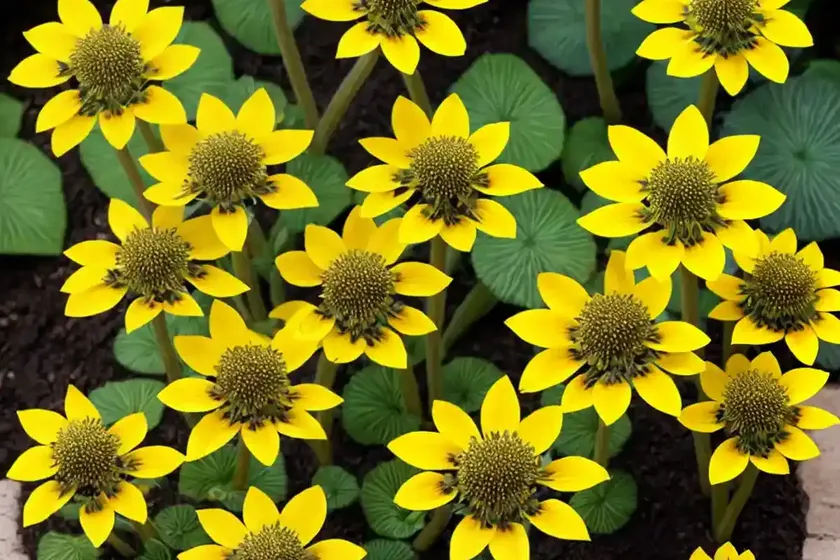
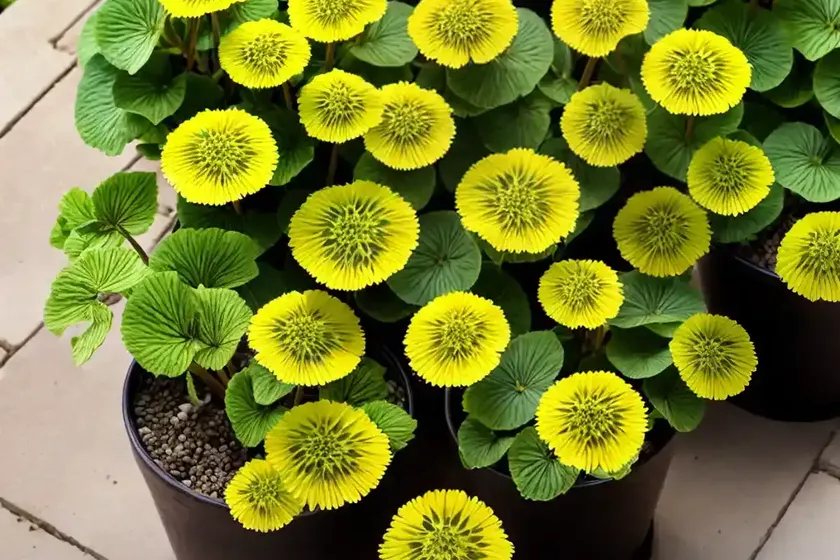
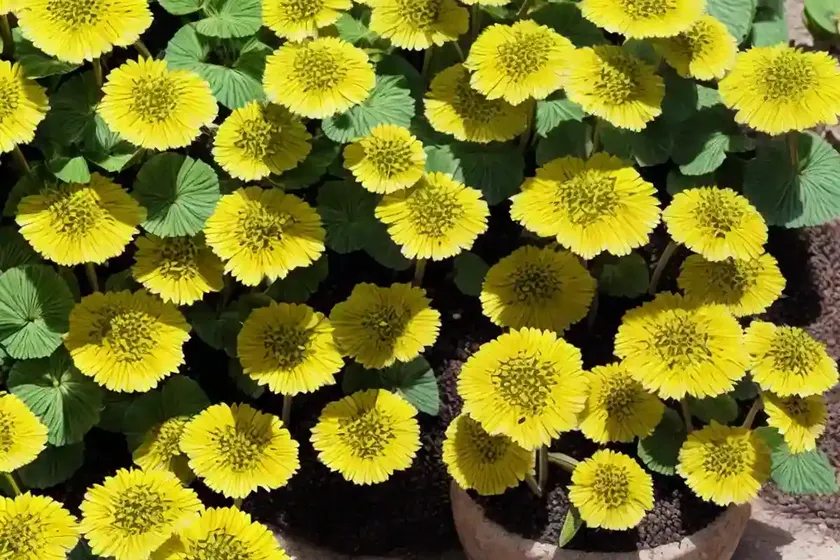
Ligularia przewalskii, commonly known as Leopard Plant, is a stunning perennial that captures gardeners’ attention with its dark, bold foliage and vibrant blooms. This comprehensive guide aims to provide an in-depth understanding of the Leopard Plant, covering various aspects such as its culture, uses, care requirements, and cultivation techniques. Whether you are a seasoned gardener or a novice plant enthusiast, this guide will equip you with the knowledge and insights needed to successfully grow and appreciate this remarkable plant.
What is Ligularia Przewalskii (Leopard Plant)?
Ligularia przewalskii, a member of the Asteraceae family, is native to East Asia, particularly regions in China and Korea. This herbaceous perennial is characterized by its large, heart-shaped, glossy leaves and striking, daisy-like flowers that adorn its tall, slender stems. The deep, dark foliage of the Leopard Plant provides a stunning contrast in garden landscapes, making it a popular choice for adding visual interest and diversity to outdoor spaces.
Key Takeaways – Ligularia Przewalskii (Leopard Plant)
Before delving into the specifics of caring for and cultivating Leopard Plants, let’s summarize the fundamental characteristics and key takeaways associated with this captivating species:
- Scientific Name: Ligularia przewalskii
- Common Name: Leopard Plant
- Family: Asteraceae
- Native Habitat: East Asia, including regions in China and Korea
- Growth Habit: Herbaceous perennial with large, heart-shaped leaves and daisy-like flowers
- Distinct Features: Dark, glossy foliage and vibrant blooms
- Cultural Significance: Valued for its ornamental and aesthetic appeal in garden landscapes
Now that we have established a foundational understanding of Ligularia przewalskii, let’s explore the various aspects that contribute to its care, cultivation, and utilization in garden settings.
Culture
Cultivating Ligularia przewalskii requires an understanding of its cultural preferences, including factors such as water, sunlight, soil, and maintenance practices. By aligning with the Leopard Plant’s natural requirements, gardeners can ensure optimal growth and flourishing displays of foliage and flowers.
Water
Ligularia przewalskii thrives in consistently moist soil and prefers locations with ample access to water. However, it is essential to avoid waterlogged conditions, as excessively wet soil can lead to root rot and other detrimental effects. Adequate irrigation is particularly crucial during periods of intense heat or prolonged dry spells to sustain the plant’s moisture needs.
- Watering Needs: Regular watering, keeping the soil consistently moist, especially during hot and dry periods
- Water Requirements: Moderate to high water needs; avoid waterlogging the soil
- Watering Tips: Mulching around the base of the plant can help retain soil moisture and reduce water evaporation
Sunlight
In terms of sunlight requirements, Ligularia przewalskii displays a preference for partial shade to full shade settings. While it can tolerate some dappled sunlight, the Leopard Plant generally performs best when shielded from direct, intense sunlight, particularly during the hottest parts of the day.
- Sunlight Preferences: Partial shade to full shade; protection from direct, intense sunlight
- Ideal Locations: Shaded areas, woodland gardens, or spots with filtered light
- Shade Gardening: Suitable for shaded gardens and areas with limited direct sun exposure
Fertilizer
To support the growth and vitality of Ligularia przewalskii, applying a balanced, slow-release fertilizer can provide the necessary nutrients for optimal development. A well-rounded fertilizer formula, such as a 10-10-10 blend, applied in early spring can help fuel healthy foliage and vibrant blooms.
- Fertilizing Schedule: Apply a balanced, slow-release fertilizer in early spring before active growth resumes
- Fertilizer Type: Choose a general-purpose fertilizer with equal NPK (Nitrogen, Phosphorus, Potassium) ratios, such as 10-10-10
- Application Method: Spread the fertilizer evenly around the plant’s base, following the manufacturer’s instructions for dosage and application frequency
Soil
Ligularia przewalskii exhibits a preference for rich, moist soil with good drainage capabilities. Additionally, the soil pH should ideally fall within a slightly acidic to neutral range to support the plant’s nutrient uptake and overall well-being.
- Soil Preferences: Rich, moist soil with good drainage
- Ideal pH: Slightly acidic to neutral soil pH (6.0 – 7.0)
- Amendment Considerations: Incorporating organic matter, such as compost or well-rotted manure, can enhance soil fertility and moisture retention
Pruning
While Ligularia przewalskii generally requires minimal pruning, removing spent flower stalks and damaged or yellowing leaves can help maintain the plant’s aesthetic appeal and encourage healthy growth. Pruning tasks are typically conducted during the growing season as needed.
- Pruning Steps: Trim away spent flower stalks and any damaged or discolored foliage
- Timing: Conduct pruning as necessary throughout the growing season to promote tidiness and vigorous growth
- Pruning Tools: Utilize clean, sharp pruning shears to make precise cuts and reduce the risk of plant injury
Uses
Ligularia przewalskii offers various practical and ornamental uses within garden landscapes, contributing to its appeal and value as a versatile plant species. Whether utilized as a focal point in landscape designs or integrated into specific gardening themes, the Leopard Plant showcases its adaptability and visual impact.
Landscape Design
In landscape design, Ligularia przewalskii serves as a valuable component for creating captivating and visually dynamic outdoor spaces. Its distinctive foliage and attractive blooms make it an ideal choice for incorporating texture, color, and visual interest into perennial beds, shade gardens, or woodland landscapes.
- Design Considerations: Utilize Ligularia przewalskii as a focal point or accent plant, enhancing the overall aesthetic of garden compositions
- Complementary Plants: Pair the Leopard Plant with shade-loving companions, such as Hostas, Astilbes, and Ferns, to create visually harmonious plant arrangements
- Visual Impact: The bold foliage and vibrant flower stalks of Ligularia przewalskii make it an eye-catching addition to garden borders, edges, and mixed perennial plantings
Container Gardening
While its natural affinity for damp soil makes it well-suited for garden beds near water features or in shaded areas, Ligularia przewalskii can also thrive in container gardening arrangements. By selecting large, moisture-retentive containers, gardeners can successfully cultivate Leopard Plants in urban and small-space environments.
- Container Selection: Choose spacious, well-draining containers to accommodate the plant’s root system and maintain adequate moisture levels
- Soil Considerations: Use a high-quality potting mix with added organic matter to support moisture retention and nutrient availability
- Placement: Position containers in shaded or partially shaded locations, avoiding direct exposure to intense sunlight
Wildlife Habitat Enhancements
Beyond its ornamental attributes, Ligularia przewalskii contributes to wildlife habitat enhancements by attracting beneficial pollinators, such as bees and butterflies, with its nectar-rich blooms. This ecological role aligns with the plant’s broader significance in fostering biodiversity and supporting local wildlife populations.
- Pollinator Attractor: The vibrant flowers of Ligularia przewalskii function as a valuable nectar source, attracting and sustaining pollinating insects
- Ecological Value: Support wildlife habitat enhancements by integrating Leopard Plants into garden settings, contributing to the preservation of pollinator populations
- Insect-Friendly Gardening: Emphasize the value of Ligularia przewalskii as a plant species that supports pollinators and contributes to ecological balance
As evidenced by its diverse range of uses, Ligularia przewalskii transcends mere ornamental appeal, embodying a multifaceted role in garden landscapes and ecological contexts.
Propagation
For gardening enthusiasts interested in expanding their collection of Ligularia przewalskii or sharing this striking plant with others, understanding propagation methods is essential. By utilizing suitable techniques, such as division or seed sowing, gardeners can propagate new Leopard Plants and perpetuate their presence in outdoor spaces.
Division
Dividing mature Ligularia przewalskii plants presents a reliable method for generating new specimens and revitalizing existing plantings. This process involves carefully separating the plant’s root mass into distinct segments, each capable of independent growth and establishment.
- Division Timing: Perform division in early spring, just as new growth begins to emerge, or during the fall before the onset of winter dormancy
- Procedure: Gently lift the plant from the soil, tease apart the root mass, and separate it into sections with well-developed roots and healthy growth points
- Replanting: Transplant the divided segments into prepared soil, ensuring adequate moisture and protection from extreme environmental conditions
Seed Sowing
Although seed propagation requires more time and patience, it offers an alternative means of obtaining new Ligularia przewalskii plants. By collecting and sowing seeds from mature flowers, gardeners can cultivate young plants and nurture them into robust, established individuals.
- Seed Collection: Allow the flowers to mature and produce seeds; collect the dry seeds from the flower heads
- Sowing Process: Plant the seeds in a well-prepared seed-starting mix, pressing them lightly into the surface and providing consistent moisture for germination
- Cultivation: Carefully tend to the young seedlings, ensuring sufficient light, moisture, and protection from adverse conditions during their initial growth stages
Ultimately, both division and seed sowing methods offer viable avenues for propagating Ligularia przewalskii, reinforcing its presence in gardens and supporting its perpetuation through successive generations.
Common Diseases
As with any plant species, Ligularia przewalskii can be susceptible to certain diseases and health issues that may impact its growth and overall condition. By familiarizing oneself with common diseases and their associated symptoms, gardeners can proactively identify and address potential issues to safeguard the health of their Leopard Plants.
Disease Diagnosis
Several common diseases and health concerns that gardeners may encounter when cultivating Ligularia przewalskii include:
- Powdery Mildew: Manifests as a white, powdery coating on leaves; often exacerbated by humid conditions and poor air circulation
- Leaf Spot: Appears as dark, irregular spots on foliage, potentially leading to leaf discoloration and defoliation
- Root Rot: Caused by overly wet or waterlogged soil, resulting in root decay and impaired nutrient absorption
Upon noticing any signs of disease or plant distress, it is crucial to promptly investigate and diagnose the specific issue affecting the plant. By identifying the problem accurately, appropriate remedial actions can be implemented to mitigate the impact and restore the plant’s health.
Common Pests
In addition to diseases, Ligularia przewalskii may also encounter pest infestations that necessitate vigilance and intervention to prevent potential damage. Various pests, including slugs, snails, and certain insects, can pose threats to the plant and compromise its vitality if left unaddressed.
Pest Management
Gardeners should remain attentive to the following potential pests that can affect Ligularia przewalskii:
- Slugs and Snails: Common culprits known for consuming foliage and leaving behind telltale slime trails
- Aphids: Small, sap-feeding insects that can cluster on new growth, leading to distorted leaves and stunted plant development
- Leaf Miners: Larval pests that tunnel within leaves, causing visible trails and damage as they feed
Vigilant monitoring and proactive pest management practices, such as manual removal, natural predator introductions, or targeted treatments, can help safeguard the plant from pest-related harm and preserve its ornamental appeal.
Botanist’s Tips
To enhance the successful cultivation and appreciation of Ligularia przewalskii, here are some expert tips and recommendations from botanists and experienced gardeners:
- Moisture Management: Prioritize consistent soil moisture, especially during warm and dry periods, to support the plant’s health and vigor
- Shade Considerations: Provide ample shade and shelter from intense sunlight to prevent leaf scorching and promote optimal growth
- Organic Enrichment: Incorporate organic matter, such as compost or well-rotted manure, into the soil to enhance fertility and moisture retention
- Pest Vigilance: Regularly inspect the plant for signs of pest activity and intervene promptly to mitigate potential damage
- Companion Planting: Pair Ligularia przewalskii with shade-loving companions to create visually appealing and harmonious garden compositions
- Wildlife Support: Recognize and value the plant’s role in supporting beneficial pollinators and contributing to ecological balance
Embracing these insights can improve the overall care and cultivation of Leopard Plants while fostering an enriched gardening experience.
Fun Facts
Discover fascinating and intriguing tidbits about Ligularia przewalskii, unveiling its unique attributes and captivating qualities:
- Ethnobotanical Significance: Historically valued in traditional Chinese herbal medicine for its purported medicinal properties
- Folklore and Legends: Intertwined with cultural narratives and folklore, reflecting its enduring significance in local traditions and beliefs
- Indoor Cultivation: While primarily an outdoor plant, Ligularia przewalskii can also be cultivated as a houseplant under suitable conditions
- Seasonal Changes: Displays distinctive seasonal transformations, with foliage colors and textures evolving throughout the year
- Water Garden Appeal: Serves as an attractive option for water garden settings, contributing to the lush, verdant ambiance of aquatic environments
By delving into these intriguing aspects of Ligularia przewalskii, gardeners can develop a deeper appreciation for the plant’s cultural, ecological, and horticultural significance.
Links to External Resources
To further enrich your knowledge and reference additional information about Ligularia przewalskii, explore the following external resources:
- Royal Horticultural Society (RHS) – Ligularia
- University of Minnesota Extension – Ligularia spp.
- Missouri Botanical Garden – Ligularia przewalskii
These reputable sources offer valuable insights, practical guidance, and authoritative information to support the successful cultivation and appreciation of Ligularia przewalskii.
Conclusion
As we conclude this comprehensive guide to Ligularia przewalskii (Leopard Plant), we have delved into numerous facets of this captivating perennial, including its culture, uses, propagation, and key characteristics. By embracing the insights and recommendations presented in this guide, gardeners can cultivate and enjoy the beauty and ornamental value of the Leopard Plant while contributing to vibrant, diverse garden landscapes.
As you embark on your journey of cultivating Ligularia przewalskii, may you find joy in the distinct foliage, vibrant blooms, and the multifaceted appeal of this remarkable plant species. Through dedicated care, appreciation, and exploration, discover the enchanting qualities and enduring allure of the Leopard Plant within your own garden.
Remember the profound words of Claude Monet, the renowned artist and passionate gardener: “I perhaps owe having become a painter to flowers.” Embrace the artistry of gardening and the splendor of Ligularia przewalskii, and let its resplendent presence enrich and inspire your horticultural endeavors.
Happy gardening and may your journey with Ligularia przewalskii be filled with exuberant growth, captivating beauty, and a profound connection to the natural world.