English Lavender (Lavandula Angustifolia ‘Twickel Purple’)
Welcome to the wonderful world of English lavender, specifically the Lavandula Angustifolia ‘Twickel Purple’ variety. In this comprehensive guide, we will.
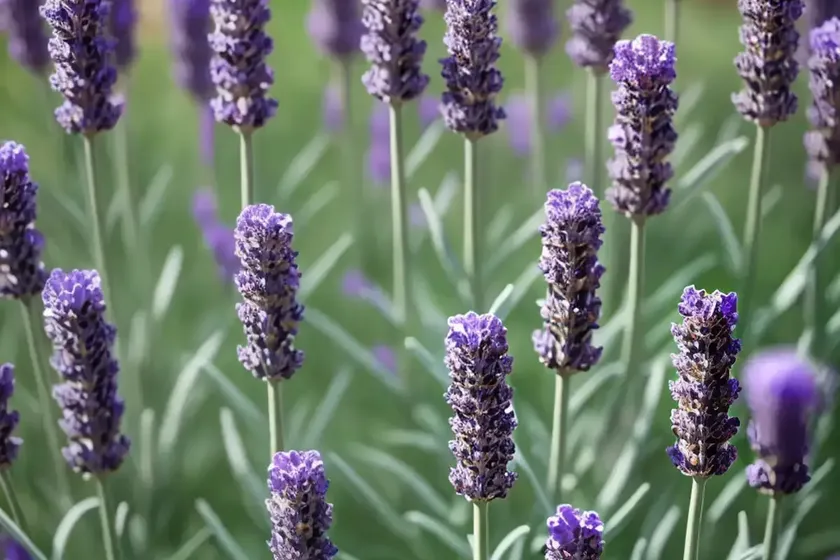
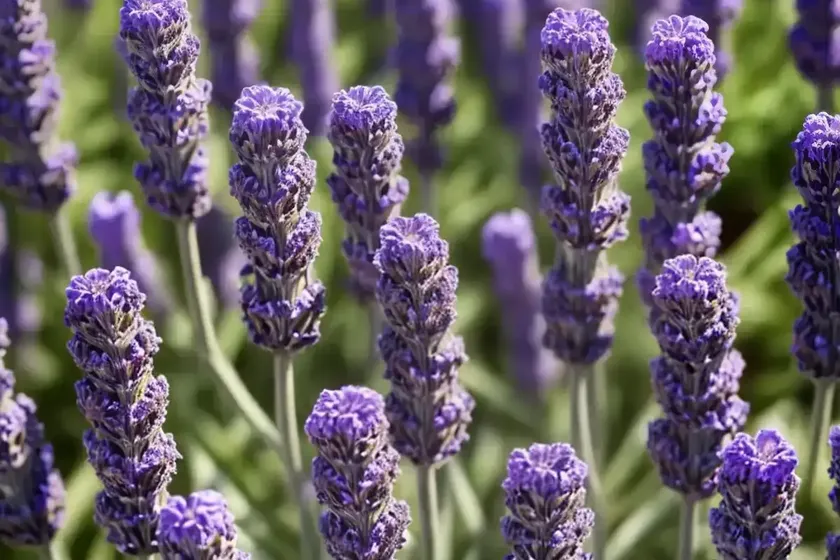
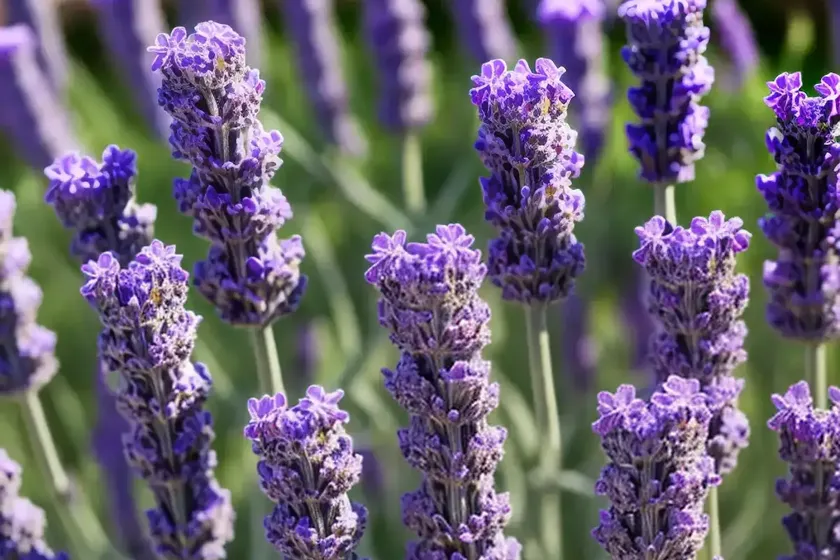
Welcome to the wonderful world of English lavender, specifically the Lavandula Angustifolia ‘Twickel Purple’ variety. In this comprehensive guide, we will explore the culture, uses, propagation, and much more, unlocking the secrets to growing and caring for this delightful plant. English lavender is not only a visually stunning addition to any garden or landscape, but it also boasts a rich history and a plethora of practical applications.
What is Plant?
Plants are living organisms belonging to the kingdom Plantae. These diverse living beings possess certain unique traits, including the ability to photosynthesize, meaning they can convert light energy into chemical energy to produce food. Plants serve as the primary producers in most ecosystems, playing a crucial role in the food chain. They provide habitats for countless organisms, contribute to the Earth’s oxygen levels, and serve as a foundation for numerous human industries.
Plants come in an astonishing array of forms, from towering trees to delicate flowers, and each species has its own unique requirements for growth and survival. English lavender, scientifically known as Lavandula Angustifolia ‘Twickel Purple’, is a prime example of the captivating diversity found within the plant kingdom.
Key Takeaways – English Lavender (Lavandula Angustifolia ‘Twickel Purple’)
Before delving deeper into English lavender, let’s outline some key takeaways about this beautiful plant:
- Plant Name: Lavandula Angustifolia ‘Twickel Purple’
- Species: Lavandula Angustifolia
- Variety: ‘Twickel Purple’
- Common Name: English Lavender
- Characteristics: Fragrant, narrow leaves and vibrant purple flowers
- Uses: Aromatherapy, culinary applications, ornamental purposes
- Growth Habit: Compact, bushy, and evergreen
- Hardiness Zone: 5-9
- Height: 12-18 inches
- Sunlight: Full sun
- Soil: Well-draining, slightly alkaline
- Water: Moderately drought tolerant
- Pruning: Trim back after flowering to maintain shape and encourage bushiness
- Propagation: Via cuttings, seeds, or layering
Now that we have a basic understanding of the key characteristics of English lavender, let’s delve deeper into the world of this captivating plant.
Culture
Understanding the cultural requirements of English lavender is essential for successfully nurturing and enjoying this delightful plant. From ideal growing conditions to maintenance practices, let’s explore the cultural aspects of cultivating Lavandula Angustifolia ‘Twickel Purple’.
Water
English lavender is no stranger to dry conditions, and it is essential to avoid overwatering. These plants thrive in well-draining soil and are moderately drought-tolerant once established. Overly wet soil can lead to root rot and other issues, so it is crucial to strike the right balance when it comes to watering.
Tips for Watering English Lavender:
- Water newly planted lavender regularly to help the roots establish themselves.
- Once established, reduce watering frequency, allowing the soil to dry out between waterings.
- Avoid overhead watering as it can lead to fungal diseases; instead, aim to water the soil directly.
- During hot and dry spells, provide some supplemental watering to prevent extreme stress.
Sunlight
English lavender is a sun-loving plant and thrives in full sunlight. To ensure healthy growth and prolific flowering, it is crucial to provide this plant with ample sunlight. Inadequate sunlight can result in leggy, weak growth and diminished flowering.
Sunlight Requirements for Lavandula Angustifolia ‘Twickel Purple’:
- Plant in a location that receives at least 6-8 hours of direct sunlight per day.
- Ensure that the chosen location has good air circulation to prevent moisture-related issues.
Fertilizer
When it comes to fertilizing English lavender, less is often more. These plants are well-suited to relatively poor soils and can actually suffer if given an excess of nutrients. Fertilize sparingly, if at all, to avoid overly lush growth that can make the plant more susceptible to pest and disease issues.
Fertilizing Tips:
- If the soil is poor, you can apply a balanced, general-purpose fertilizer in early spring, but be conservative with the amount used.
- Avoid high-nitrogen fertilizers, as these can promote excessive leaf growth at the expense of flowers.
- Consider employing organic mulches or compost as a natural way to enhance soil fertility without the risk of over-fertilization.
Soil
The right soil conditions are crucial for the health and vigor of English lavender. These plants thrive in well-draining, moderately fertile soil with a slightly alkaline pH. Soil that retains too much moisture can lead to root rot and other issues, so it is essential to provide the proper growing medium for Lavandula Angustifolia ‘Twickel Purple’.
Recommended Soil Conditions:
- Choose a well-draining soil mix or amend heavy soils with sand or gravel to improve drainage.
- Aim for a soil pH of around 7.0 to create a slightly alkaline environment.
- Mulch around the base of the plant to conserve moisture and suppress weed growth.
Pruning
Pruning plays a vital role in maintaining the health and appearance of English lavender plants. Regular pruning helps to promote bushy growth, prevent the plant from becoming overly woody, and encourage abundant flowering. This practice is best performed after the plant has finished flowering for the season.
Pruning Guidelines:
- Use sharp, clean pruning shears to trim back the flower spikes once they have faded. Cut just above a set of healthy leaves to promote branching.
- Avoid cutting into old wood, as this can hinder new growth and lead to sparse, leggy plants.
- In late winter or early spring, perform a light overall pruning to tidy up the plant and remove any dead or damaged growth.
Propagation
English lavender can be propagated through several different methods, offering flexibility for those looking to expand their lavender collection or share plants with friends and family. Whether through cuttings, seeds, or layering, each approach has its own unique advantages and challenges.
Propagation Methods for Lavandula Angustifolia ‘Twickel Purple’:
-
Cuttings: Propagate lavender from softwood or semi-hardwood cuttings taken in spring or early summer. Ensure that each cutting has several sets of leaves and remove any flower buds to direct the plant’s energy towards root production.
-
Seeds: While growing lavender from seeds can take longer than using cuttings, it offers a cost-effective way to produce new plants. Start seeds indoors in early spring and transplant the seedlings outdoors after the danger of frost has passed.
-
Layering: Layering involves bending a low-growing stem to the ground, securing it in place, and allowing it to develop roots while still attached to the parent plant. Once roots have formed, the new plant can be separated from the parent, yielding a genetically identical specimen.
Container Popularity
English lavender is a beloved choice for container gardening, offering the chance to enjoy its beauty and fragrance on patios, balconies, and other small spaces. When selecting a container for Lavandula Angustifolia ‘Twickel Purple’, it is essential to consider the size, drainage, and overall growing conditions to ensure the plant’s success.
Tips for Growing English Lavender in Containers:
- Choose a container with ample drainage holes to prevent waterlogged soil.
- Select a well-draining potting mix or improve the drainage of commercial mixes by adding additional perlite or sand.
- Position the container in a location that receives at least 6-8 hours of sunlight per day, such as a south-facing patio or balcony.
Common Diseases
While English lavender is generally a resilient and disease-resistant plant, it can still fall victim to certain issues under unfavorable growing conditions. Being aware of common diseases and their symptoms is crucial for early intervention and effective management.
Disease Diagnosis
If your Lavandula Angustifolia ‘Twickel Purple’ is showing signs of distress, it is essential to accurately diagnose the issue to implement the most suitable treatment. Common symptoms of disease in English lavender include leaf spots, wilting, and stunted growth. Identifying the specific symptoms can help narrow down the potential causes and guide your efforts to restore the plant’s health.
Common Diseases of English Lavender:
-
Fungal Diseases: Lavender plants can be susceptible to fungal issues such as root rot, powdery mildew, and leaf spot diseases. These often arise in response to overly wet conditions or poor air circulation.
-
Bacterial Diseases: Bacterial diseases, such as leaf blight and crown gall, can affect lavender under certain circumstances. These diseases can cause browning of leaves, wilting, and overall decline in plant health.
-
Viral Diseases: While less common, viral diseases can impact lavender plants, resulting in stunted growth, mottled leaves, and other symptoms. Once infected, viral diseases are often challenging to manage.
Disease Management
Treating and managing diseases in English lavender involves a multifaceted approach, including cultural practices, sanitation, and, in some cases, the application of suitable products. Prevention is often the best strategy, focusing on creating the optimum growing conditions to reduce the risk of disease development.
Tips for Disease Management:
- Ensure that plants are grown in well-draining soil and provide adequate spacing to promote good airflow.
- Avoid overhead watering, which can lead to the development of fungal diseases; instead, water the soil directly.
- Remove and dispose of any affected plant material to prevent the spread of diseases.
- In severe cases, consider applying appropriate fungicides, bactericides, or other disease control products, following label instructions carefully.
Common Pests
English lavender is generally resistant to most pests, and its aromatic foliage can act as a natural deterrent to some insects. However, certain pests can still pose a threat to the health and appearance of Lavandula Angustifolia ‘Twickel Purple’, necessitating vigilance and prompt action.
Common Pests Affecting Lavandula Angustifolia:
-
Aphids: These small, soft-bodied insects can congregate on new growth and flower buds, sucking sap from the plant and potentially transmitting viruses.
-
Spider Mites: These tiny arachnids can cause stippling and discoloration of leaves, particularly under hot and dry conditions.
-
Lavender Leafhoppers: These insects can cause stippling, yellowing, and distortion of lavender leaves and can be particularly problematic in hot, dry weather.
-
Lavender Stink Bugs: These pests can pierce plant tissue and feed on sap, occasionally causing visible damage to the foliage.
Botanist’s Tips
As a plant scientist deeply familiar with the nuances of growing and caring for English lavender, I can offer some invaluable tips to help you cultivate healthy, vibrant plants and reap the full benefits of this remarkable species.
Botanist’s Tips for Growing Lavandula Angustifolia ‘Twickel Purple’:
- Select a well-draining location with full sun to promote healthy growth and abundant flowering.
- Avoid overwatering, especially in heavy or clay soils, to prevent the risk of root rot and other moisture-related issues.
- Incorporate organic matter such as compost or well-rotted manure into the soil when planting to improve its structure and fertility.
- Monitor the plant regularly for signs of pests or diseases and take prompt action if issues are detected.
- Deadhead spent flowers regularly to promote prolonged blooming and prevent self-seeding, if desired.
Fun Facts
In addition to its practical uses and cultural significance, English lavender boasts a fascinating array of fun and unexpected facts. These facts shed light on the remarkable nature of this plant, from its historical connections to its symbolic meaning.
Fun Facts About English Lavender:
- Historical Significance: Lavender has a rich history and has been used for centuries for its fragrance, medicinal properties, and symbolic meaning.
- Symbolism: Lavender is often associated with qualities such as purity, devotion, and tranquility and has been employed in various cultural and religious practices.
- Association with Relaxation: The calming and soothing aroma of lavender has made it a popular choice for aromatherapy, relaxation, and stress reduction.
Links to External Resources
For additional information and resources about English lavender and its various aspects, consider exploring the following links:
In conclusion, English lavender, particularly the Lavandula Angustifolia ‘Twickel Purple’ variety, is a captivating and versatile plant that offers an array of benefits and applications. From its ornamental beauty to its practical uses, this species has firmly established itself as a beloved favorite among gardeners, herbalists, and aromatherapy enthusiasts alike.
By understanding the specific cultural requirements, uses, and potential challenges associated with growing English lavender, you can confidently embark on a rewarding journey of nurturing and enjoying this remarkable plant. Whether you are drawn to its aromatic foliage, vibrant flowers, or myriad of practical applications, Lavandula Angustifolia ‘Twickel Purple’ is sure to captivate and inspire.
Remember, the key to successful cultivation lies in providing the right growing conditions, regular maintenance, and a keen eye for any potential issues that may arise. With patience, care, and appreciation for the beauty of nature, you can foster thriving English lavender plants and revel in their many joys for years to come.


