Plant Scientist’s Guide to Lavandula angustifolia ‘Melissa Lilac’ (Lavender)
Lavender, scientifically known as Lavandula angustifolia, is a beloved plant by gardeners, aromatherapists, chefs, and herbalists alike. Among its several cultivars, one that stands out is the Melissa Lilac, renowned for its exquisite lilac flowers and fragrant essential oil. In this comprehensive guide, we will delve into the cultivation, uses, care, and potential of the Lavandula angustifolia ‘Melissa Lilac’ variety.
What is Lavandula angustifolia ‘Melissa Lilac’?
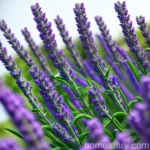
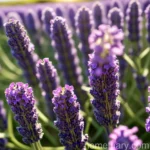
Lavandula angustifolia ‘Melissa Lilac’, commonly known as the Melissa Lilac lavender, is a perennial herb that belongs to the Lamiaceae family. It is characterized by its narrow, aromatic leaves and vibrant lilac-colored flowers, which make it a charming addition to gardens and landscapes. Known for its enchanting fragrance and multiple applications, the Melissa Lilac lavender has gained popularity not only for its ornamental value but also for its therapeutic and culinary uses.
Key Takeaways – Lavandula angustifolia ‘Melissa Lilac’ (Lavender)
Below are the key takeaways we will explore in detail regarding the Lavandula angustifolia ‘Melissa Lilac’:
- Culture
- Uses
- Water
- Sunlight
- Fertilizer
- Soil
- Pruning
- Propagation
- Container Popularity
- Container Common Diseases
- Disease Diagnosis
- Common Pests
- Botanist’s Tips
- Fun Facts
- Links to External Resources
Now, let’s proceed to understand the unique characteristics and the best practices for growing and caring for the Lavandula angustifolia ‘Melissa Lilac’ lavender.
Culture
When it comes to the culture of Lavandula angustifolia ‘Melissa Lilac’, understanding its native habitat and the ideal environment for its growth is essential.
Native Habitat
The Lavandula angustifolia species, including the ‘Melissa Lilac’ variety, is native to the Mediterranean region. Its natural habitat comprises dry, rocky slopes and well-drained, sandy soils. The climate in these regions is characterized by hot, dry summers and mild winters, which provides important insights for understanding the cultural requirements of this lavender variety.
Ideal Growing Conditions
To provide an environment that mimics its natural habitat, here are the key factors to consider for the successful cultivation of Lavandula angustifolia ‘Melissa Lilac’:
- Climate: Thrives in regions with a Mediterranean climate, characterized by hot, dry summers and mild winters.
- Soil: Well-drained, sandy or slightly alkaline soil with low fertility.
- Water: Moderate water requirements, avoiding waterlogged conditions.
- Sunlight: Full sunlight exposure for at least 6-8 hours per day.
- Temperature: Tolerates hot and dry conditions, making it suitable for xeriscaping.
Understanding the cultural requirements of the Melissa Lilac lavender is crucial for creating an optimal environment for its growth and blooming. It forms the foundation for successfully integrating this unique lavender variety into various settings, from home gardens to professional landscapes.
Uses
The versatility of Lavandula angustifolia ‘Melissa Lilac’ extends beyond its ornamental appeal. Its aromatic blooms and essential oil offer diverse applications, spanning from aromatherapy to culinary uses.
Ornamental Uses
The lilac-colored flowers of Lavandula angustifolia ‘Melissa Lilac’ add a touch of elegance to gardens and landscapes. The visual appeal and fragrance of the blooms make it a preferred choice for:
- Borders and Edging: Creates picturesque borders and edging due to its compact growth habit and vibrant flowers.
- Rock Gardens: Thrives in rocky, well-drained soil, making it a suitable addition to rock gardens.
- Containers: Excellent for container gardening, providing fragrance and visual interest in patios and balconies.
Aromatherapy and Essential Oil
The essential oil extracted from the blooms of Lavandula angustifolia ‘Melissa Lilac’ is cherished for its calming and aromatic properties. The lavender essential oil is used in:
- Aromatherapy: Known for its relaxation-inducing and stress-relief properties in aromatherapy practices.
- Skincare: Incorporation in skincare products due to its soothing and rejuvenating effects on the skin.
Culinary Applications
The culinary application of Lavandula angustifolia ‘Melissa Lilac’ extends to adding a delightful floral note to various dishes and beverages. It is used for:
- Cooking: Flavoring desserts, beverages, and savory dishes with a subtle lavender essence.
- Herbal Teas: Infusing lavender blooms in herbal teas for a calming and aromatic beverage.
Understanding the diverse uses of Lavandula angustifolia ‘Melissa Lilac’ presents opportunities for integrating it into various aspects of daily life, from creating serene garden spaces to harnessing its therapeutic and culinary potential.
Water
Understanding the water requirements of Lavandula angustifolia ‘Melissa Lilac’ is crucial for its successful cultivation, especially in regions with varying climates.
Watering Guidelines
The Melissa Lilac lavender is well-adapted to dry conditions, and therefore, it is important to adhere to the following watering guidelines:
- Establishment Phase: During the initial phase after planting, provide regular watering to help establish a strong root system.
- Mature Plants: Once established, reduce watering frequency to promote drought tolerance and overall plant health.
- Watering Frequency: Water deeply but infrequently, allowing the soil to partially dry out between watering sessions.
By adhering to appropriate watering practices, the Melissa Lilac lavender can thrive in various climatic conditions, showcasing its resilience and adaptability in the garden ecosystem.
Sunlight
Sunlight plays a pivotal role in the growth and blooming of Lavandula angustifolia ‘Melissa Lilac’. Understanding its sunlight requirements is essential for optimal cultivation.
Sun Exposure
The Melissa Lilac lavender thrives in full sunlight and requires a minimum of 6-8 hours of direct sunlight daily. Adequate sun exposure is essential for:
- Flowering: Promotes abundant and vibrant lilac blooms, enhancing its ornamental value.
- Aroma Development: Enhances the production of aromatic compounds in the blooms, contributing to its therapeutic and culinary uses.
Providing the necessary sunlight exposure is fundamental for ensuring the robust growth and blooming of the Melissa Lilac lavender, thereby maximizing its visual and olfactory appeal in garden settings.
Fertilizer
Understanding the fertilizer requirements of Lavandula angustifolia ‘Melissa Lilac’ is integral to supporting its growth and blooming without compromising the quality of its essential oil.
Fertilization Guidelines
The Melissa Lilac lavender has moderate fertilizer requirements, and the following guidelines can be followed for optimum growth:
- Soil Test: Conduct a soil test to assess the nutrient levels and pH of the soil prior to fertilization.
- Balanced Fertilizer: Apply a balanced fertilizer with a lower nitrogen content to avoid excessive vegetative growth and promote flower production.
- Timing: Fertilize in early spring when new growth emerges, and refrain from fertilizing in late summer to avoid stimulating late-season growth.
By adhering to appropriate fertilization practices, the Melissa Lilac lavender can maintain its aromatic qualities and produce abundant lilac blooms, aligning with the desired ornamental and aromatic objectives.
Soil
The soil composition and structure significantly influence the growth and overall health of Lavandula angustifolia ‘Melissa Lilac’. Understanding its soil preferences is essential for successful cultivation.
Soil Requirements
The Melissa Lilac lavender thrives in well-drained, slightly alkaline soils, and the following factors should be considered for soil preparation:
- Drainage: Ensure excellent drainage to prevent waterlogging and root rot, which are detrimental to lavender plants.
- Texture: Sandy or loamy soils are preferred, providing a balance between moisture retention and drainage.
- pH Level: Aim for a slightly alkaline soil with a pH range of 6.7 to 7.3 for optimal nutrient uptake.
Adhering to the ideal soil conditions supports the growth and blooming of the Melissa Lilac lavender, ensuring its resilience and aromatic qualities in garden settings.
Pruning
Pruning is a vital aspect of maintaining the health, shape, and blooming potential of Lavandula angustifolia ‘Melissa Lilac’. Understanding the principles of pruning is essential for its long-term care.
Pruning Guidelines
The following guidelines can be followed for effective pruning of the Melissa Lilac lavender:
- Timing: Prune after the first bloom cycle to encourage bushier growth and stimulate the development of new flowering shoots.
- Pruning Technique: Utilize clean, sharp pruning shears to remove spent flower spikes and maintain the desired shape of the plant.
- Avoid Over-pruning: Refrain from excessive pruning, as it can affect the overall vigor and blooming potential of the plant.
By incorporating appropriate pruning practices, the Melissa Lilac lavender can maintain a compact, aesthetically pleasing form while continuously producing vibrant lilac blooms, enhancing its visual appeal in garden landscapes.
Propagation
Understanding the methods of propagating Lavandula angustifolia ‘Melissa Lilac’ enables gardeners to multiply and share this captivating lavender variety with others.
Propagation Techniques
The Melissa Lilac lavender can be propagated through the following methods:
- Seed Propagation: Sow seeds in well-drained soil in spring, maintaining adequate moisture for seed germination.
- Cutting Propagation: Utilize semi-ripe cuttings in the late summer, ensuring proper rooting hormone application and humidity control for successful propagation.
By employing suitable propagation techniques, gardeners can propagate the Melissa Lilac lavender to expand its presence in gardens and landscapes, fostering an appreciation for its ornamental and aromatic attributes.
Container Popularity
The Melissa Lilac lavender is renowned for its suitability for container gardening, offering a delightful fragrance and visual appeal in confined spaces.
Container Gardening Benefits
This lavender variety is well-suited for container gardening due to the following advantages:
- Limited Space: Flourishes in small garden spaces such as balconies, patios, and urban settings where traditional garden beds may be absent.
- Aromatic Presence: Provides a fragrant and aesthetically pleasing addition to outdoor living areas, creating a serene ambiance.
- Mobility: Allows for flexible placement and repositioning based on sunlight and design preferences.
The popularity of the Melissa Lilac lavender in container gardening resonates with its adaptability and ornamental value, catering to diverse gardening preferences and spatial constraints.
Container Common Diseases
While container gardening offers various advantages, it is important to be aware of potential diseases that can affect the Melissa Lilac lavender in containers.
Common Container Diseases
The following common diseases can impact lavender plants in containers:
- Root Rot: A result of overwatering and poor drainage, leading to root suffocation and plant decline.
- Powdery Mildew: Fungal infection that appears as a white powdery substance on leaves, compromising plant health.
Understanding and preventing common container diseases is crucial for maintaining the vigor and longevity of the Melissa Lilac lavender in container gardening setups.
Disease Diagnosis
Diagnosing and managing diseases affecting Lavandula angustifolia ‘Melissa Lilac’ is crucial for preserving the health and ornamental value of this captivating lavender variety.
Disease Identification
The following symptoms and signs can aid in the diagnosis of common diseases affecting the Melissa Lilac lavender:
- Root Rot: Yellowing and wilting of foliage, accompanied by a foul odor from the root zone.
- Powdery Mildew: Formation of powdery white patches on the leaves and stems, leading to stunted growth.
By promptly identifying and addressing disease issues, gardeners can safeguard the health and aesthetic appeal of the Melissa Lilac lavender in garden and container settings.
Common Pests
Despite its resilience, Lavandula angustifolia ‘Melissa Lilac’ can occasionally encounter pest pressures, requiring vigilance and appropriate pest management strategies.
Pest Identification
The following pests are commonly associated with lavender plants, including the Melissa Lilac lavender:
- Aphids: Small, sap-sucking insects that can cluster on new growth, leading to distortion and yellowing of foliage.
- Spider Mites: Tiny pests that feed on plant sap, causing stippling and webbing on the undersides of leaves.
Vigilance and timely intervention can prevent pest infestations from compromising the health and aesthetics of the Melissa Lilac lavender, ensuring its resilience in garden and container environments.
Botanist’s Tips
Adhering to expert tips and best practices is instrumental in cultivating and caring for Lavandula angustifolia ‘Melissa Lilac’ effectively.
Expert Recommendations
- Soil Preparation: Prioritize well-drained, alkaline soil and incorporate organic matter for improved soil structure and nutrient retention.
- Watering: Practice deep, infrequent watering to encourage deep root growth and drought tolerance.
- Pruning: Utilize sharp, clean pruning tools and avoid excessive pruning to maintain plant vigor and blooming potential.
- Pest Management: Monitor for pest activity regularly and utilize integrated pest management strategies for sustainable control.
Incorporating botanist-recommended tips and best practices is fundamental for maximizing the ornamental and aromatic potential of the Melissa Lilac lavender, fostering its successful establishment and long-term vitality in diverse settings.
Fun Facts
Exploring intriguing facts about Lavandula angustifolia ‘Melissa Lilac’ adds depth to the appreciation of its unique qualities and cultural significance.
Fascinating Insights
- Cultural Symbolism: Lavender has historically been associated with purity, devotion, and tranquility, influencing its traditional uses in religious rituals and ceremonies.
- Natural Bug Repellent: The aromatic qualities of lavender, including the Melissa Lilac variety, have been utilized as a natural insect repellent, warding off mosquitoes and other pests.
- Historical Usage: Lavender has been revered for centuries and was used in ancient Egypt for mummification and as a fragrance for bathing.
Discovering fun and intriguing facts about the Melissa Lilac lavender enriches one’s experience and understanding of its enduring appeal and cultural significance in diverse contexts.
Links to External Resources
As we delve into the world of Lavandula angustifolia ‘Melissa Lilac’, it’s important to explore reliable external resources for further information and insights.
External References
- Royal Horticultural Society (RHS): Offers comprehensive information on growing lavender and its ornamental and practical uses.
- The Herb Society of America: Provides valuable resources on herbs, including lavender, encompassing its history, cultivation, and diverse uses.
- University Extension Websites: Trusted sources for region-specific guidelines on growing lavender and managing pest and disease issues.
- Botanical Gardens and Arboretums: Invaluable for experiencing the visual and aromatic appeal of lavender firsthand and gaining insights from horticultural experts.
By leveraging external resources, individuals can expand their knowledge and appreciation of the Melissa Lilac lavender, gaining comprehensive insights into its cultural, ornamental, and practical significance.
In conclusion, Lavandula angustifolia ‘Melissa Lilac’ embodies enchanting lilac blooms, captivating fragrance, and diverse uses that resonate with gardeners, aromatherapists, and culinary enthusiasts. Its resilient nature, ornamental charm, and therapeutic potential make it a cherished addition to diverse landscapes and living spaces. Through this comprehensive guide, we have harnessed a deeper understanding of the cultural, horticultural, and practical dimensions of the Melissa Lilac lavender, enriching our appreciation of its enduring allure and multifaceted benefits.
References
- Gudauskienė, G., & Vaitkevičius, H. (2015). Chemical composition of lavender (Lavandula angustifolia Mill.) essential oil. Scientific Annals of the “Alexandru Ioan Cuza” University of Iasi. New Series, Section 2b, Genetics and Molecular Biology, 16, 37-44.
- Committee on Herbal Medicinal Products (HMPC). (2018). Community herbal monograph on Lavandula angustifolia Miller, aetheroleum. EMA/HMPC/754939/2017. Accessed here.
Disclaimer: This article is for informational purposes only. The content presented is not intended to be a substitute for professional horticultural advice or guidance. Always seek the advice of a qualified horticulturist or agricultural extension specialist for specific recommendations tailored to your unique cultivation and gardening needs.