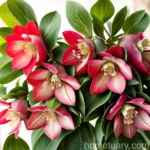
Helleborus x ballardiae HGC Pink Frost (Hellebore)
Helleborus x ballardiae HGC Pink Frost, commonly known as Hellebore, is a stunning perennial plant cherished for its exquisite flowers and hardy nature. This plant has gained popularity among gardeners for its ability to thrive in various environmental conditions and its remarkable ornamental value. In this comprehensive guide, we will explore all the aspects of Helleborus x ballardiae HGC Pink Frost, including its culture, uses, maintenance requirements, common diseases, and botanist’s tips.
What is Helleborus x ballardiae HGC Pink Frost?
Helleborus x ballardiae HGC Pink Frost, a member of the Ranunculaceae family, is a hybrid cultivar originating from a cross between Helleborus niger and Helleborus lividus. This evergreen perennial is renowned for its attractive, long-lasting flowers that bloom from late winter to early spring, adding a touch of elegance to any garden or landscape. Its distinctive foliage and delicate blooms make it an excellent choice for borders, woodland gardens, or as a focal point in a container.
Key Takeaways – Helleborus x ballardiae HGC Pink Frost
- Plant Name: Helleborus x ballardiae HGC Pink Frost (Hellebore)
- Family: Ranunculaceae
- Flowering Season: Late winter to early spring
- Uses: Ornamental, Landscaping
- Hardiness Zones: 4-9
- Water Requirements: Moderate
- Sunlight Requirements: Partial shade to full shade
- Soil Type: Well-draining, fertile soil
- Common Diseases: Leaf spot, powdery mildew
- Common Pests: Aphids, slugs
Now, let’s delve deeper into the culture, uses, and maintenance of the Helleborus x ballardiae HGC Pink Frost plant.
Culture
Water
Proper watering is essential for the health and vitality of Helleborus x ballardiae HGC Pink Frost. While this plant can tolerate dry spells, it thrives best in consistently moist soil. It is crucial to avoid overwatering, as waterlogged soil can lead to root rot and other issues. During dry periods, provide supplemental watering, especially during the flowering season, to promote optimal growth and flowering.
Sunlight
Helleborus x ballardiae HGC Pink Frost prefers partial to full shade, making it an excellent choice for shaded gardens or woodland settings. It can also tolerate dappled sunlight, especially in cooler climates. When planting Hellebore, ensure that it is not exposed to harsh midday sun, as this can scorch the delicate foliage and lead to wilting.
Soil
The ideal soil for Helleborus x ballardiae HGC Pink Frost is well-draining, humus-rich, and slightly alkaline. Amending the soil with organic matter such as compost or well-rotted manure can improve its fertility and drainage, creating a favorable environment for the plant to thrive. Additionally, maintaining a slightly acidic to neutral pH level (6.5-7.5) in the soil is important for the plant’s overall health and nutrient uptake.
Uses
Helleborus x ballardiae HGC Pink Frost is primarily valued for its ornamental qualities and landscaping uses. Its striking, long-lasting flowers, coupled with its evergreen foliage, make it an ideal candidate for various garden settings. Here are some popular uses of Helleborus x ballardiae HGC Pink Frost:
- Borders: Plant Hellebores along garden borders to add a splash of color and interest, especially during the late winter and early spring when few other plants are in bloom.
- Woodland Gardens: Their ability to thrive in partial shade makes Hellebores a perfect addition to woodland garden settings, where they can illuminate the shaded areas with their vibrant blooms.
- Containers: Helleborus x ballardiae HGC Pink Frost can be grown in containers, allowing for easy mobility and placement in various parts of the garden or outdoor spaces.
- Focal Points: Due to its elegant flowers and attractive foliage, Hellebores make an excellent focal point in any garden or landscape, drawing attention and admiration from visitors.
In addition to these uses, Helleborus x ballardiae HGC Pink Frost is also suitable for cut flower arrangements, adding a touch of elegance and charm to indoor floral displays.
Fertilizer
Proper fertilization is essential for the optimal growth and blooming of Helleborus x ballardiae HGC Pink Frost. A balanced, slow-release fertilizer can be applied in early spring to provide the necessary nutrients for the plant’s development. It is important to follow the manufacturer’s instructions regarding the application rate and frequency to prevent over-fertilization, which can lead to adverse effects on the plant’s health.
Pruning
Pruning plays a crucial role in maintaining the overall health and appearance of Helleborus x ballardiae HGC Pink Frost. Regular deadheading of spent flowers not only encourages continuous blooming but also prevents the plant from expending energy on seed production. Additionally, removing any damaged or diseased foliage promotes air circulation and reduces the risk of fungal diseases, contributing to the plant’s overall vigor.
Propagation
Helleborus x ballardiae HGC Pink Frost can be propagated through division or seed sowing. Division is the preferred method for maintaining the characteristics of the parent plant, ensuring that the new divisions retain the same desirable traits. Division is best carried out in early spring or after flowering, providing ample time for the new divisions to establish themselves before the onset of winter.
Container Popularity
The versatility of Helleborus x ballardiae HGC Pink Frost makes it a popular choice for container gardening. Its compact growth habit and exquisite blooms make it an excellent candidate for container displays, whether on patios, balconies, or as a focal point in outdoor living spaces.
Common Diseases
Helleborus x ballardiae HGC Pink Frost, like many plants, is susceptible to certain diseases that can affect its health and appearance. Being proactive in disease prevention and early diagnosis is essential for maintaining a healthy plant. Here are some common diseases that may affect Helleborus x ballardiae HGC Pink Frost:
-
Leaf Spot: Leaf spot is a fungal disease that manifests as dark, sometimes sunken, spots on the foliage. It can lead to leaf yellowing and premature leaf drop if not addressed promptly.
-
Powdery Mildew: Powdery mildew appears as a white, powdery growth on the leaves and stems, causing them to become distorted and stunted. This fungal disease can weaken the plant and hinder its overall growth.
Disease Diagnosis
To effectively diagnose and manage diseases affecting Helleborus x ballardiae HGC Pink Frost, it is crucial to monitor the plant regularly for any signs of disease. Early detection can significantly reduce the impact of diseases and prevent them from spreading to neighboring plants. Proper sanitation, such as removing and disposing of affected plant material, and promoting good air circulation are key to disease management.
Common Pests
Pests can pose a threat to the health and vitality of Helleborus x ballardiae HGC Pink Frost. While this plant is relatively pest-resistant, it is still important to be vigilant and proactive in pest management. Here are some common pests that may affect Helleborus x ballardiae HGC Pink Frost:
-
Aphids: Aphids are small, soft-bodied insects that feed on the sap of plants, causing distorted growth and the formation of sticky honeydew. Regular inspection and the use of natural predators or insecticidal soaps can help control aphid populations.
-
Slugs: Slugs are nocturnal pests that feed on plant foliage, leaving behind irregular holes and damage. Implementing cultural controls, such as removing debris and creating barriers, can aid in managing slug populations.
Botanist’s Tips
For optimal care and growth of Helleborus x ballardiae HGC Pink Frost, consider the following botanist’s tips:
-
Mulching: Applying a layer of organic mulch around the base of the plant helps retain soil moisture, suppresses weed growth, and provides insulation during extreme temperatures.
-
Overwintering: Protect the plant from harsh winter conditions by providing a layer of mulch or frost cloth, especially in colder climates, to prevent winter damage and ensure its survival.
-
Soil Amendment: Regularly amending the soil with organic matter helps maintain soil fertility and structure, providing an ideal growing environment for Helleborus x ballardiae HGC Pink Frost.
Fun Facts
-
Helleborus x ballardiae HGC Pink Frost is also known by the common name “Christmas Rose,” due to its blooming period coinciding with the Christmas holiday in many regions.
-
This plant has a rich history, often associated with myths and folklore, and is believed to have medicinal properties in traditional herbal medicine.
Now that we have explored the various aspects of Helleborus x ballardiae HGC Pink Frost, let’s delve into some external resources for further information and guidance.
Links to External Resources
- Royal Horticultural Society – Hellebores
- University of Maryland Extension – Hellebore
- Missouri Botanical Garden – Helleborus
- American Society for the Prevention of Cruelty to Animals (ASPCA) – Hellebore
- Royal Botanic Gardens, Kew – Helleborus orientalis
In conclusion, Helleborus x ballardiae HGC Pink Frost is a captivating and resilient plant that offers an array of ornamental and landscaping possibilities. Its remarkable flowers, coupled with its adaptability to various growing conditions, make it a valuable addition to any garden or outdoor space. By understanding its cultural requirements, uses, and maintenance, gardeners can harness the full potential of this exquisite perennial, creating captivating and visually stunning landscapes.