Lavandula angustifolia ‘Rosea’ (Lavender)
Lavender, scientifically known as Lavandula angustifolia ‘Rosea’, is a species of flowering plants in the mint family, Lamiaceae. It is a fragrant and versatile herb that has been used for centuries for its aromatic and medicinal properties. Lavender is a popular choice for gardens, landscapes, and various commercial applications due to its beautiful blooms, soothing fragrance, and multiple uses in cooking, aromatherapy, skincare, and more.
In this comprehensive guide, we will explore the fascinating world of Lavandula angustifolia ‘Rosea’ and delve into its culture, uses, care requirements, propagation, common diseases and pests, as well as botanist’s tips and fun facts. Whether you are an experienced gardener or new to the world of plants, this article will provide you with valuable insights into this enchanting species.
Table of Contents
- What is Lavandula angustifolia ‘Rosea’ (Lavender)
- Key Takeaways
- Culture
- Uses
- Water
- Sunlight
- Fertilizer
- Soil
- Pruning
- Propagation
- Container Popularity
- Common Diseases
- Disease Diagnosis
- Common Pests
- Botanist’s Tips
- Fun Facts
- Links to External Resources
What is Lavandula angustifolia ‘Rosea’ (Lavender)
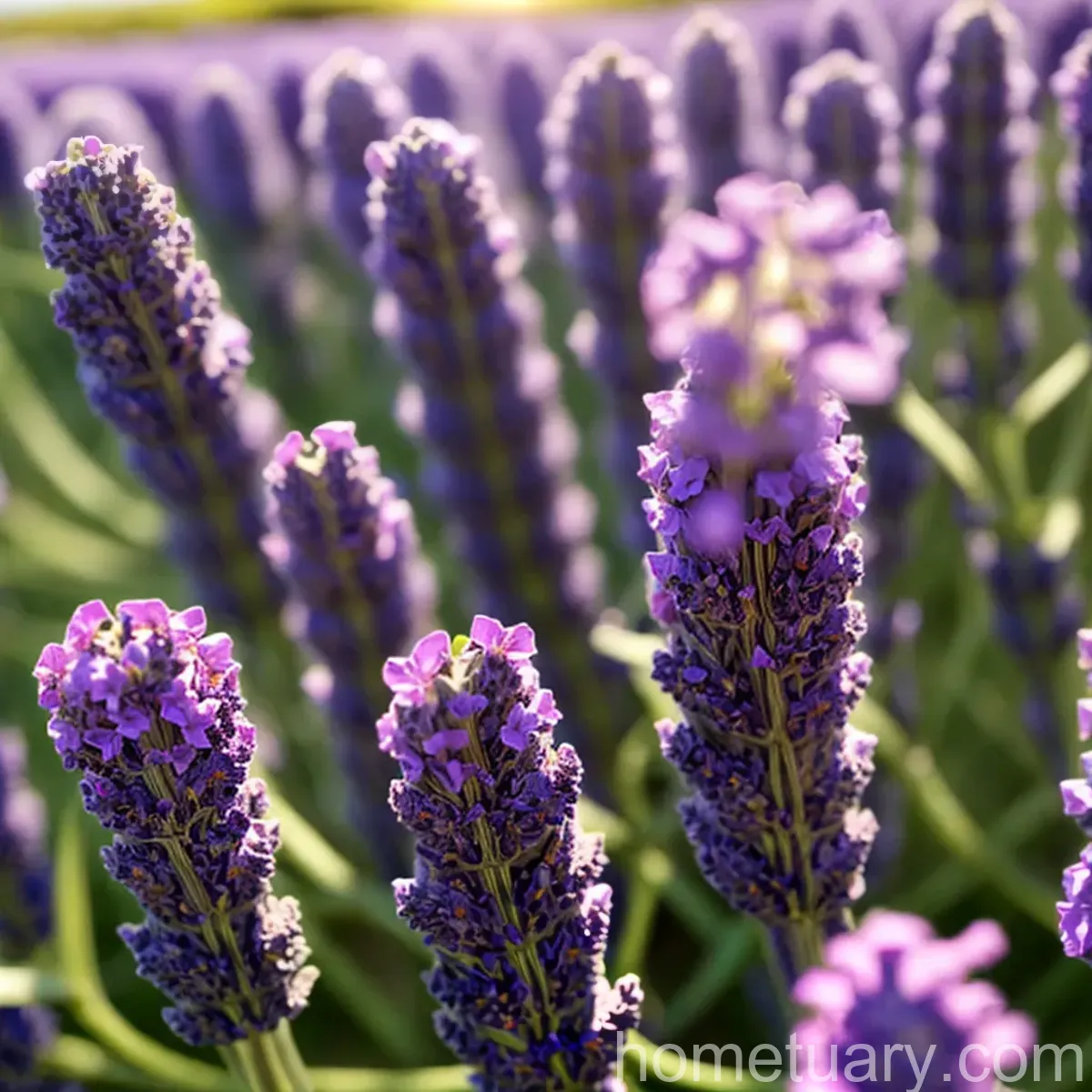
Lavandula angustifolia ‘Rosea’ is a specific cultivar of Lavender, known for its lovely pinkish-purple flowers and aromatic foliage. It is a perennial herbaceous plant native to the Mediterranean region and has been cultivated for its fragrant flowers and essential oil. The compact growth habit and striking appearance make it a popular choice for various garden settings, including herb gardens, borders, and rockeries.
Key Takeaways – Lavandula angustifolia ‘Rosea’ (Lavender)
Here are the key takeaways about Lavandula angustifolia ‘Rosea’:
- Botanical Name: Lavandula angustifolia ‘Rosea’
- Common Names: English Lavender, True Lavender, Garden Lavender
- Family: Lamiaceae
- Type: Perennial
- Flower Color: Pinkish-purple
- Fragrance: Sweet, floral, and herbaceous
- Uses: Aromatic, culinary, medicinal, and ornamental
- Hardiness Zone: 5-9
- Height: 12-18 inches
- Spread: 18-24 inches
- Bloom Time: Late spring to early summer
- Attracts: Bees, butterflies, and other pollinators
- Toxicity: Non-toxic to humans and pets
- Special Features: Drought-tolerant, deer-resistant, and low-maintenance
Now, let’s explore the various aspects of cultivating and caring for Lavandula angustifolia ‘Rosea’ in greater detail.
Culture
Cultivating Lavandula angustifolia ‘Rosea’ successfully involves understanding its specific cultural requirements, including water, sunlight, soil, and fertilization.
Water
*Lavandula angustifolia ‘Rosea’ is known for its exceptional tolerance to drought conditions, making it an excellent choice for water-wise gardens. However, it is important to establish young plants and provide regular moisture until they are well-rooted. Once established, lavender prefers drier conditions to thrive, and overwatering should be avoided to prevent root rot and other moisture-related issues.
- Watering Frequency: Water deeply but infrequently, allowing the soil to dry between watering sessions. Typically, mature plants require watering every 2-3 weeks, while newly planted or potted specimens may need more frequent watering initially.
- Watering Method: Direct water to the base of the plant to avoid wetting the foliage, which can make the plant susceptible to diseases.
- Drought Resistance: Lavandula angustifolia ‘Rosea’ is renowned for its ability to withstand periods of drought, making it suitable for xeriscaping and low-water gardening.
Sunlight
Lavandula angustifolia ‘Rosea’ thrives in sunny locations, basking in full sunlight for the majority of the day. Adequate exposure to sunlight is crucial for promoting robust growth, abundant flowering, and the development of aromatic essential oils within the plant.
- Sunlight Requirements: Provide at least 6-8 hours of direct sunlight daily for optimal growth and bloom production.
- Sun Exposure: Plant Lavandula angustifolia ‘Rosea’ in a location with unobstructed sunshine, such as open garden beds, rock gardens, or containers placed in sunny spots.
Fertilizer
In general, lavender has modest fertility requirements and excessive fertilization can lead to leggy growth and reduced essential oil production. However, providing some nutrients during the growing season can support healthy foliage and vibrant blooms.
- Fertilization Schedule: Apply a balanced, slow-release fertilizer once in early spring, following the manufacturer’s recommendations for dilution and application rates. Avoid fertilizing late in the season to prevent stimulating tender new growth that may be susceptible to frost damage.
Soil
Lavandula angustifolia ‘Rosea’ flourishes in well-drained, slightly alkaline soil with good aeration. Heavy or waterlogged soils can pose a threat to the health of lavender plants, causing root rot and other moisture-related issues.
- Soil Type: Plant Lavandula angustifolia ‘Rosea’ in sandy or loamy soil with excellent drainage. Amending heavy clay soils with organic matter, such as compost or sand, can improve soil structure and drainage.
- pH Range: Lavender prefers a slightly alkaline soil pH of 6.7-7.3. Test the soil pH before planting and adjust it as needed to create an ideal growing environment for the plants.
- Container Cultivation: When growing Lavandula angustifolia ‘Rosea’ in containers, use a well-draining potting mix designed for Mediterranean herbs or succulents to ensure proper drainage and aeration for the roots.
Uses
Lavandula angustifolia ‘Rosea’ offers a wide range of uses, making it a versatile and valuable addition to gardens, culinary pursuits, aromatherapy, and various commercial applications.
Aromatic and Medicinal Uses
The fragrant flowers and foliage of Lavandula angustifolia ‘Rosea’ are prized for their aromatic qualities and therapeutic benefits, serving as a key ingredient in the production of essential oils, herbal remedies, and fragrant sachets.
- Essential Oil Production: The flowers of Lavandula angustifolia ‘Rosea’ are steam-distilled to extract lavender essential oil, which is used in aromatherapy, skincare products, and natural perfumery.
- Relaxation and Stress Relief: Lavender essential oil is renowned for its calming and stress-relieving properties, and it is often used in diffusers, massage oils, and bath products to promote relaxation and alleviate tension.
- Sleep Aid: The soothing aroma of lavender has been associated with promoting restful sleep, and many people use lavender sachets or pillow mists to enhance their sleep environment.
Culinary Uses
In addition to its aromatic qualities, lavender has culinary applications and is utilized to impart floral and herbaceous notes to a variety of dishes and beverages.
- Culinary Lavender: The flowers and leaves of Lavandula angustifolia ‘Rosea’ can be used in cooking and baking, adding a unique flavor to desserts, teas, syrups, and savory dishes. Culinary lavender is well-suited for infusing honey, making herbal teas, and flavoring baked goods.
Ornamental and Landscape Uses
Lavandula angustifolia ‘Rosea’ is valued for its ornamental qualities and is commonly used in garden designs, landscaping, and floral arrangements.
- Garden Borders: The compact growth habit and charming pink flowers of Lavandula angustifolia ‘Rosea’ make it an attractive choice for edging garden borders, pathways, and decorative plantings.
- Rock Gardens: The drought-tolerant nature and low-maintenance requirements of lavender make it well-suited for rock gardens and dry landscapes, where it can thrive in lean, well-drained soils.
- Cut Flowers: The long-lasting blooms of Lavandula angustifolia ‘Rosea’ are often harvested for fresh or dried flower arrangements, providing a delightful addition to bouquets and wreaths.
Water
*Lavandula angustifolia ‘Rosea’ generally requires well-drained soil and is prone to root rot if overwatered. However, sufficient watering is essential during the plant’s establishment phase, and moderate watering is recommended to promote healthy growth and blooming once the plant is established in the garden or container.
- Watering Frequency: Once established, water Lavandula angustifolia ‘Rosea’ deeply but infrequently, allowing the top inch of the soil to dry out between watering sessions. This approach mimics the plant’s native Mediterranean habitat and helps prevent waterlogging and root issues.
- Container Cultivation: When growing Lavandula angustifolia ‘Rosea’ in containers, pay close attention to watering, as potted lavender may dry out more rapidly than plants grown in the ground. Ensure that the containers have drainage holes to prevent excess moisture accumulation.
Sunlight
Lavandula angustifolia ‘Rosea’ thrives in full sunlight and requires ample exposure to direct sunlight for optimal growth and flowering performance. When selecting a planting location or positioning containers, prioritize sites that receive abundant sunlight throughout the day.
- Sunlight Requirements: Provide Lavandula angustifolia ‘Rosea’ with at least 6-8 hours of direct sunlight daily to support vigorous growth, profuse blooming, and the development of aromatic compounds within the plant.
- Sun Exposure: Choose a sunny location for planting Lavandula angustifolia ‘Rosea’ in the garden or place containers in areas with unobstructed sunlight, such as balconies, patios, or windowsills.
Fertilizer
Lavandula angustifolia ‘Rosea’ has modest fertilizer needs and thrives in lean, well-drained soils. Careful application of fertilizer during the growing season can help support healthy foliage and vibrant blooms without promoting excessive vegetative growth.
- Fertilization Timing: Apply a balanced, slow-release fertilizer to Lavandula angustifolia ‘Rosea’ in early spring, following the manufacturer’s guidelines for dilution and application rates. Avoid excessive fertilization, especially with high-nitrogen products, which can lead to excessive leaf growth at the expense of flower production.
- Shear After Blooming: After the initial bloom cycle, lightly shear the plants to encourage compact growth and reblooming. This practice can also help manage the plant’s shape and improve air circulation, reducing the risk of disease development.
Soil
Providing well-drained soil is crucial for the success of Lavandula angustifolia ‘Rosea’, as excessive moisture and waterlogging can lead to root issues and overall decline. Proper soil preparation and drainage considerations are essential for ensuring the health and longevity of lavender plants.
- Soil Type: Plant Lavandula angustifolia ‘Rosea’ in sandy or loamy soil with excellent drainage, and avoid heavy clay or compacted soils that retain excessive moisture. If necessary, improve soil structure and drainage by amending the planting area with organic matter, such as compost, and coarse materials like sand or perlite.
- Soil pH: Lavender thrives in slightly alkaline soils with a pH range of 6.7-7.3. Conduct a soil pH test before planting, and make amendments as needed to create an optimal growing environment for Lavandula angustifolia ‘Rosea’.
- Container Cultivation: When cultivating Lavandula angustifolia ‘Rosea’ in containers, use well-draining potting mixes specifically formulated for Mediterranean herbs or succulent plants. Incorporate materials like perlite or coarse sand to improve aeration and prevent soil compaction.
Pruning
Pruning plays a critical role in maintaining the health, appearance, and productivity of Lavandula angustifolia ‘Rosea’. Regular pruning helps manage the plant’s shape, encourage bushy growth, remove spent flowers, and promote subsequent blooming cycles.
- Pruning Timing: Lavandula angustifolia ‘Rosea’ can be pruned in late spring or early summer after the initial bloom period to remove spent flowers and shape the plant. Lightly trim the plant to encourage new growth and enhance its appearance.
- Shearing Method: Use shears or scissors to trim the plant, making cuts just above a set of healthy leaves or nodes. Avoid cutting into old wood or causing extensive damage to the main stems, as lavender may struggle to regenerate from severe pruning or damage to woody growth.
Propagation
Propagating Lavandula angustifolia ‘Rosea’ can be achieved through several methods, including seed propagation, cuttings, and division. Each propagation technique offers unique advantages and considerations, allowing gardeners to expand their lavender collection and share plants with others.
- Seed Propagation: Sow lavender seeds indoors in early spring, providing warmth, moisture, and adequate light to promote germination. Seed propagation can be unpredictable and may result in variability in flower color and growth habits.
- Cutting Propagation: Take softwood or semi-hardwood cuttings from healthy Lavandula angustifolia ‘Rosea’ plants in spring or early summer, and root them in a well-draining propagation mix. This method allows for the production of genetically identical plants and accelerates the establishment of new lavender specimens.
- Division: Divide established lavender plants in early spring, carefully separating the root mass into individual sections and replanting them in suitable locations. Division can rejuvenate overgrown or crowded lavender plants and create new starts for additional plantings in the garden.
Container Popularity
Lavandula angustifolia ‘Rosea’ is well-suited for container cultivation, offering gardeners the flexibility to grow lavender in various settings, including balconies, patios, and urban gardens. Planting lavender in containers allows for better control over soil conditions, moisture levels, and placement within the garden or outdoor living spaces.
- Container Selection: Choose well-draining containers with adequate drainage holes to allow excess water to escape and prevent waterlogging. Porous materials like terracotta or wood can provide suitable growing conditions for lavender plants.
- Soil Considerations: Use a high-quality potting mix designed for Mediterranean herbs or succulent plants to provide the necessary drainage and aeration for Lavandula angustifolia ‘Rosea’ grown in containers. Consider adding perlite or coarse sand to improve soil structure and prevent soil compaction.
- Placement: Position lavender containers in sunny locations that receive at least 6-8 hours of direct sunlight daily to promote healthy growth, abundant blooming, and the development of aromatic compounds within the plants.
Common Diseases
Lavandula angustifolia ‘Rosea’ is generally resilient to many common garden pests and diseases, thriving in well-drained, sunny locations with minimal intervention. However, certain environmental conditions and cultural practices can predispose lavender plants to specific diseases that may affect their health and vitality.
- Root Rot: Overly moist or waterlogged soil can lead to root rot, causing the plant to exhibit wilting, yellowing foliage, and overall decline. To prevent root rot, ensure proper drainage and watering practices, and avoid planting lavender in areas prone to water accumulation.
- Fungal Diseases: Under humid and poorly ventilated conditions, lavender plants may be susceptible to certain fungal pathogens that cause foliage spots, powdery mildew, or botrytis blight. Provide adequate air circulation, avoid overhead watering, and space plants appropriately to reduce the risk of fungal infections.
- Viral Diseases: While less common, lavender plants can be affected by viral diseases transmitted by insect vectors. Monitor plants for unusual symptoms such as mottling, stunted growth, or distortion, and promptly remove and destroy affected plant material to prevent the spread of viruses.
Disease Diagnosis
Diagnosing and addressing potential diseases in Lavandula angustifolia ‘Rosea’ involves observation, early detection, and appropriate management strategies to preserve plant health and prevent widespread issues.
- Symptom Recognition: Learn to recognize common symptoms of diseases affecting lavender, such as leaf spots, yellowing foliage, wilting, or abnormal growth patterns. Regularly inspect plants for changes in appearance and behavior, and take note of any abnormalities that may indicate disease presence.
- Cultural Practices: Implement cultural practices that promote plant health and resilience, such as proper watering, soil drainage improvement, and adequate spacing to reduce disease pressure. Maintain overall plant vigor to enhance its ability to withstand potential disease challenges.
- Integrated Pest Management: When addressing potential diseases, consider integrated pest management (IPM) strategies that emphasize prevention, biological control, and least-toxic intervention methods. Minimize the use of synthetic chemical controls and prioritize environmentally friendly approaches to disease management.
Common Pests
While Lavandula angustifolia ‘Rosea’ is relatively resistant to most garden pests, certain insects may pose occasional challenges to the health and appearance of lavender plants. Vigilant monitoring and prompt intervention can help manage pest issues and maintain the vitality of the plants.
- Aphids: Small, soft-bodied insects that feed on the sap of plants, often causing distorted growth, honeydew secretion, and the presence of sooty mold. Use gentle water sprays, insecticidal soaps, or horticultural oils to manage aphid infestations and minimize their impact on lavender plants.
- Spider Mites: Tiny arachnids that feed on plant tissues, causing stippling, discoloration, and webbing in severe infestations. Encourage natural predator populations, such as predatory mites, and use insecticidal soaps or horticultural oils to control spider mite populations on lavender plants.
- Lavender Leafhopper: This pest may feed on Lavandula angustifolia ‘Rosea’ and other lavender varieties, causing stippling, leaf discoloration, and reduced plant vigor. Monitor plants for leafhopper activity and employ physical removal, insecticidal soaps, or botanical insecticides if necessary to manage infestations.
Botanist’s Tips
As a plant scientist specializing in lavender cultivation, I’ve gathered valuable insights and tips to help gardeners succeed in growing and caring for Lavandula angustifolia ‘Rosea’ and other lavender varieties.
- Pruning Timing: Prune lavender plants after they finish blooming to encourage a compact growth habit and promote subsequent flowering cycles. Avoid pruning into old wood, as lavender may struggle to regenerate from extensive pruning of woody growth.
- Air Circulation: Provide