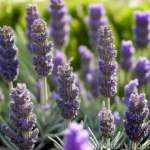
English Lavender (Lavandula angustifolia ‘Royal Velvet’)
Lavender, scientifically known as Lavandula angustifolia, is a popular choice for gardeners due to its fragrant aroma, versatility, and its ability to attract pollinators. Among the various lavender varieties, Lavandula angustifolia ‘Royal Velvet’ stands out for its distinctive features and multiple uses.
In this comprehensive guide, we will delve into the world of English lavender, particularly focusing on the ‘Royal Velvet’ cultivar. From its cultural requirements to its uses, care tips, and even its role in traditional herbal medicine, this article aims to provide a holistic understanding of this magnificent plant.
What is Plant: English Lavender (Lavandula angustifolia ‘Royal Velvet’)?
Key Takeaways
Before we dive deeper into the specifics of Lavandula angustifolia ‘Royal Velvet’, let’s explore some key takeaways about this beautiful plant:
- Scientific Name: Lavandula angustifolia ‘Royal Velvet’
- Common Name: English Lavender
- Family: Lamiaceae
- Type: Perennial
- Height: 12-18 inches
- Spread: 12-15 inches
- Hardiness Zone: 5-8
English Lavender is praised for its aromatic foliage and elegant, deep purple flowers, making it a desirable addition to gardens, landscapes, and even indoor displays. Its versatility extends to various uses, from culinary applications to the extraction of essential oils. Additionally, its role in attracting beneficial pollinators and its rich symbolism in traditional herbal medicine further elevate its appeal.
To gain a comprehensive understanding of this plant and how to care for it, let’s explore its culture, uses, and key requirements.
Culture
Water
Watering is an essential aspect of caring for Lavandula angustifolia ‘Royal Velvet’. While this plant is drought-tolerant once established, adequate water is crucial during its initial stages and in periods of extreme heat. However, it is important to avoid over-watering, as this can lead to root rot and other issues.
- Watering Tips:
- Provide moderate water during the plant’s establishment phase, ensuring that the soil remains consistently moist but not waterlogged.
- Once the plant is established, reduce watering frequency, allowing the soil to dry out slightly between waterings.
- Water deeply, preferably in the morning, to encourage strong root development.
Sunlight
English Lavender thrives in full sunlight, requiring at least 6-8 hours of direct sunlight per day. Adequate sun exposure is crucial for promoting strong growth, enhancing flower production, and intensifying the plant’s fragrance.
- Sunlight Requirements:
- Plant in a location that receives full sun, preferably facing south or west for optimal sunlight exposure.
- In areas with intense heat, provide some afternoon shade to prevent the plant from becoming stressed.
Fertilizer
Fertilization plays a role in supporting the growth and blooming of Lavandula angustifolia ‘Royal Velvet’. However, it is important to approach fertilization judiciously to prevent excessive vegetative growth, which can compromise the plant’s overall health.
- Fertilizer Guidelines:
- Use a balanced, organic fertilizer with a higher phosphorus content to encourage blooming.
- Apply fertilizer sparingly in the spring, ensuring that it is well-diluted and thoroughly watered in to prevent any potential root burn.
Soil
The soil composition significantly impacts the health and vitality of Lavandula angustifolia ‘Royal Velvet’. Well-draining soil is crucial, as this prevents waterlogging and minimizes the risk of root rot.
- Soil Requirements:
- Plant in a well-draining soil mixture, consisting of sandy or loamy soil with a slightly alkaline to neutral pH.
- Consider adding organic matter, such as compost, to improve soil structure and fertility.
- Ensure that the planting site has good air circulation to prevent the build-up of excess moisture around the plant’s base.
Pruning
Pruning plays a pivotal role in shaping the growth and enhancing the longevity of Lavandula angustifolia ‘Royal Velvet’. Proper pruning maintains the plant’s compact form, stimulates new growth, and promotes abundant flowering.
- Pruning Techniques:
- Deadhead spent flowers regularly to encourage continuous blooming and prevent the plant from setting seeds prematurely.
- After the plant’s initial flowering, lightly prune the stems to promote bushier growth and maintain an attractive form.
- Avoid pruning too vigorously in the fall, as this can leave the plant susceptible to winter damage. Instead, lightly trim the plant in late autumn or early spring to remove any dead or damaged growth.
Propagation
Propagating Lavandula angustifolia ‘Royal Velvet’ allows gardeners to expand their lavender collection and cultivate new plants for various uses. Understanding the propagation methods relevant to this cultivar is essential for successful plant reproduction.
- Propagation Techniques:
- Seeds: Sow seeds indoors in early spring, maintaining a consistent temperature of around 70°F to promote germination. Transplant the seedlings outdoors after the last frost date.
- Cuttings: Take softwood cuttings in late spring to early summer, ensuring that they are approximately 3-4 inches long. Root the cuttings in a well-draining medium and provide adequate humidity to facilitate successful rooting.
- Division: Divide mature plants in the spring, carefully separating the root ball into smaller sections and replanting them in desired locations.
Container Popularity
English Lavender is well-suited to container cultivation, making it a popular choice for gardeners with limited space or those seeking to showcase this plant in a controlled environment.
- Key Considerations:
- Select a container with adequate drainage holes to prevent water accumulation.
- Use a well-draining potting mix, preferably mixed with perlite or coarse sand to enhance drainage.
- Regularly monitor the soil moisture, as containers may dry out more quickly than garden beds, especially during periods of hot weather.
Common Diseases
Despite its hardiness, Lavandula angustifolia ‘Royal Velvet’ is susceptible to certain diseases that can impact its overall vigor and appearance.
- Common Diseases:
- Root Rot: Caused by waterlogged soil, leading to the decay of the plant’s roots and subsequent decline in health.
- Fungal Diseases: Including powdery mildew and leaf spot, which can manifest in humid conditions and poorly ventilated environments.
- Bacterial Diseases: Such as leaf gall, which results in abnormal growths on the plant’s foliage.
Disease Diagnosis
Diagnosing and addressing potential diseases early is crucial in preventing significant damage to Lavandula angustifolia ‘Royal Velvet’. Identifying the symptoms associated with common diseases allows for timely intervention and proper management.
- Symptoms of Common Diseases:
- Root Rot: Yellowing or wilting of foliage, accompanied by a foul odor emanating from the roots. Upon inspection, affected roots may appear dark and mushy.
- Fungal Diseases: The presence of powdery, white spots on the leaves, often with yellowing or browning of affected areas. Leaf spot may manifest as circular lesions with distinctive margins.
- Bacterial Diseases: The appearance of abnormal growths or swellings on the plant’s leaves, accompanied by a decline in overall vigor.
Common Pests
English Lavender may face threats from various pests, which can hinder its growth and compromise its visual appeal.
- Notable Pests:
- Aphids: Small, sap-sucking insects that may cluster on the plant’s new growth, leading to distorted and weakened foliage.
- Spider Mites: These microscopic pests can cause stippling on the leaves, resulting in a speckled appearance and potential decline in plant health.
- Lavender Tortrix Moth: The larvae of this moth feed on the plant’s foliage, creating silken webs and causing extensive damage.
Botanist’s Tips
Harnessing the knowledge of botanical experts can provide invaluable insights into the successful cultivation of Lavandula angustifolia ‘Royal Velvet.’ Here are a few tips from seasoned botanists to enhance your gardening experience:
- Tip 1: Monitor soil moisture carefully to strike a balance between providing adequate water and preventing waterlogging, especially during the plant’s establishment phase.
- Tip 2: Incorporate organic matter into the soil to improve its structure and fertility, promoting optimal growth and blooming.
- Tip 3: Regularly inspect the plant for signs of pests and diseases, addressing any issues promptly to prevent widespread damage.
- Tip 4: When pruning, avoid cutting into old wood, as this can inhibit the plant’s ability to produce new growth and may result in sparse flowering the following year.
Fun Facts
Dive into the intriguing world of Lavandula angustifolia ‘Royal Velvet’ with these captivating fun facts:
- The aromatic oils present in lavender have been used for centuries in traditional herbal medicine to soothe various ailments, from headaches to anxiety.
- Lavender was historically used for its antiseptic properties, and during World War I, it was employed as an antiseptic and wound cleanser.
- The unique fragrance of lavender is known for its calming effects and its ability to promote relaxation and stress relief.
- Lavender has a rich culinary history, with its delicate flowers used in a variety of culinary creations, including desserts, teas, and savory dishes.
Now that we’ve explored the cultural aspects, uses, and fascinating facts about Lavandula angustifolia ‘Royal Velvet,’ let’s delve into its diverse range of applications and its significance in various domains.
Links to External Resources
- Lavender: History, Taxonomy, and Production
- Aromatherapy and Lavender
- Lavandula: Resources for Commercial Production
- Lavandula angustifolia ‘Royal Velvet’ in Traditional Herbal Medicine
- Lavender and Pollinators
- Culinary Uses of Lavender
- Lavender Essential Oil Extraction Methods
- Gardening Tips for English Lavender
- Royal Velvet Lavender: Characteristics and Care Guide
- Lavender Crafts and DIY Projects
In the following sections, we will further explore the diverse uses of Lavandula angustifolia ‘Royal Velvet’ and its significance in aromatherapy, traditional herbal medicine, and culinary artistry. Additionally, we will delve into the process of essential oil extraction from this remarkable plant and its intriguing symbolism.
Now, let’s embark on a journey to unravel the multitude of ways in which Lavandula angustifolia ‘Royal Velvet’ enriches our lives and surroundings.