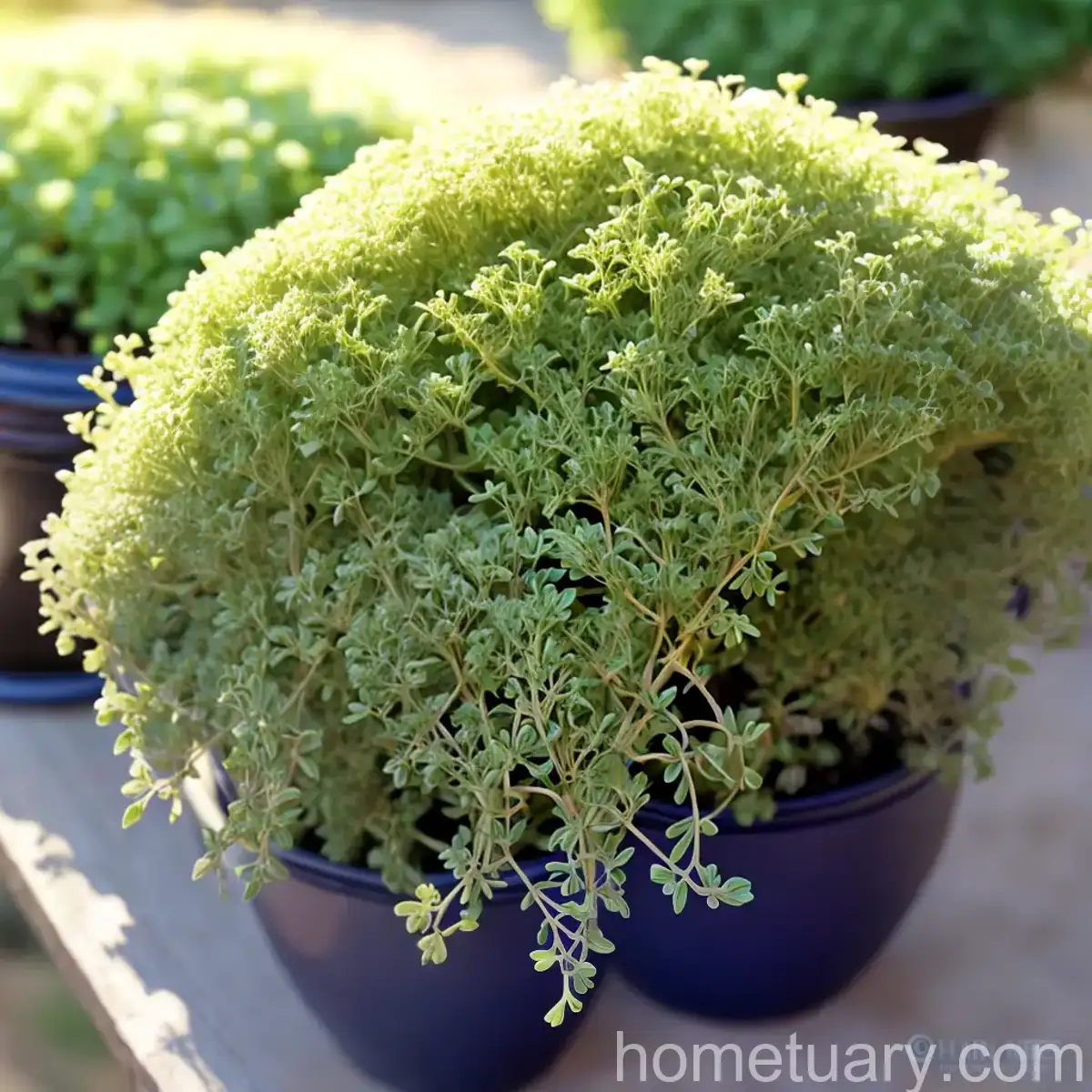
Large Thyme (Thymus pulegioides): A Comprehensive Guide
What is Large Thyme (Thymus pulegioides)?
Large Thyme, scientifically known as Thymus pulegioides, is a perennial herb that belongs to the genus Thymus and the Lamiaceae family. This herbaceous plant native to Europe is known for its culinary, medicinal, and ornamental uses. The plant is characterized by its aromatic leaves and clusters of purple to pink flowers. The leaves of Large Thyme are often used as a seasoning in culinary dishes, while its essential oil is valued for its therapeutic properties.
Brief Overview
- Plant Name: Large Thyme (Thymus pulegioides)
- Family: Lamiaceae
- Genus: Thymus
- Common Names: Large-leaved thyme, herb garden thyme, culinary herb thyme
- Uses: Culinary, medicinal, ornamental
- Native Habitat: Europe
Key Takeaways – Large Thyme (Thymus pulegioides)
Culture
- Perennial: Large Thyme is a perennial plant, which means it can live for more than two years, providing a consistent source of fresh leaves and flowers.
- Aromatic Foliage: The plant features highly aromatic leaves that are a key feature in its culinary and medicinal uses.
Uses
- Culinary: Large Thyme is widely used as a culinary herb, especially in Mediterranean cuisines, adding a distinct aromatic flavor to various dishes.
- Medicinal: The plant has a long history of medicinal use, particularly in traditional and herbal medicine. Its essential oil is known for its therapeutic properties.
- Ornamental: Large Thyme is often grown for its aesthetic appeal, as it adds visual interest to gardens and landscapes with its fragrant foliage and attractive flowers.
Water
- Watering Needs: Large Thyme prefers well-drained soil and requires moderate watering. It is important to avoid waterlogging the soil, as this can lead to root rot.
Sunlight
- Sun Requirements: Large Thyme thrives in full sunlight and requires at least 6-8 hours of direct sunlight per day for optimal growth and development.
Fertilizer
- Nutrient Requirements: While Large Thyme is not a heavy feeder, applying a balanced, organic fertilizer in moderation during the growing season can support its overall health and vitality.
Soil
- Preferred Soil Type: Large Thyme prefers well-drained, slightly alkaline soil with good aeration. It can tolerate various soil types, including sandy, loamy, and rocky soils.
- Soil pH: The ideal soil pH for Large Thyme ranges from 6.0 to 8.0.
Pruning
- Pruning Practices: Regular pruning helps maintain the plant’s shape, promotes bushier growth, and encourages the production of fresh foliage and flowers.
Propagation
- Propagation Methods: Large Thyme can be propagated through division, cuttings, or seeds. Each method has its own requirements and considerations.
Container Popularity
- Container Gardening: Large Thyme is well-suited for cultivation in containers, making it a versatile option for those with limited garden space or for indoor herb gardening.
Common Diseases
- Disease Susceptibility: While Large Thyme is relatively resistant to diseases, it can still be affected by certain common plant diseases, including fungal infections and root rot.
Disease Diagnosis
- Symptoms and Treatment: Understanding the signs of common diseases can help in early diagnosis and appropriate treatment to prevent the spread of infections and preserve the plant’s health.
Common Pests
- Pest Management: Large Thyme may face potential pest issues, such as aphids, spider mites, and whiteflies. Implementing pest control measures can help in mitigating infestations.
Botanist’s Tips
- Expert Insights: Botanists offer valuable tips and recommendations for successfully cultivating, maintaining, and utilizing Large Thyme in various settings.
Fun Facts
- Interesting Tidbits: Discover intriguing and lesser-known facts about Large Thyme, its historical significance, cultural uses, and intriguing folklore.
Links to External Resources
- Access additional information, resources, and expert insights on Large Thyme (Thymus pulegioides) from reputable sources and botanical experts.
As we delve further into the comprehensive guide of Large Thyme, we will explore each aspect in detail, providing valuable insights, tips, and best practices for cultivating and utilizing this versatile herb in various applications.
Large Thyme (Thymus pulegioides) in Detail
Plant Description
Large Thyme (Thymus pulegioides) is a low-growing perennial herb that boasts an array of notable characteristics. From its aromatic foliage to its delicate flowers, this herb holds culinary, medicinal, and ornamental significance, making it a versatile addition to diverse settings.
Aromatic Foliage and Flowers
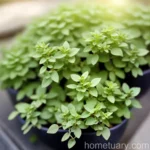
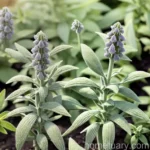
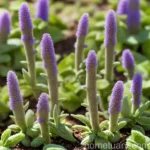
The foliage of Large Thyme is characterized by small, oval-shaped leaves that exude a strong, pleasant aroma when crushed or bruised. The leaves are typically green-gray in color, enhancing their visual appeal. The plant produces compact clusters of tubular, pink to purple flowers that bloom in the summer, further adding to its aesthetic charm. These clusters are highly attractive to pollinators such as bees and butterflies, contributing to the ecological value of the plant.
Herbaceous Growth Habit
Large Thyme exhibits a spreading, mat-forming growth habit, with its stems producing new roots when they come in contact with the soil. This feature enables the plant to gradually expand its coverage, making it an effective ground cover in garden landscapes and naturalistic settings.
Culinary Uses
Large Thyme is a beloved culinary herb that has been used for centuries to enhance the flavor and aroma of various dishes. Its robust, earthy, and aromatic profile makes it a popular choice in Mediterranean, Italian, and French cuisines, where it is employed in a range of savory and sweet preparations.
Flavor Profile
The leaves of Large Thyme contribute a distinctive flavor and fragrance to culinary creations, imparting a blend of earthy, peppery, and slightly minty notes. The intensity of the flavor can vary based on factors such as the plant’s maturity, growing conditions, and the timing of harvest.
Culinary Applications
Large Thyme is a versatile herb that can be used in both fresh and dried forms, allowing for its incorporation into an array of dishes. It pairs well with an assortment of ingredients, including vegetables, meats, seafood, cheeses, and even desserts, providing a nuanced depth of flavor to the culinary creations.
Flavor Complements
The herb complements a wide range of ingredients and dishes, including roasted vegetables, stews, marinades, grilled meats, dressings, and sauces. It is often a key component of the traditional herb blend herbes de Provence, adding its distinct essence to the mix.
Medicinal Properties
Large Thyme has earned a notable place in traditional and herbal medicine due to its therapeutic properties and healing potential. The plant’s essential oil, extracted from its leaves and flowers, contains a complex array of bioactive compounds that contribute to its medicinal value.
Essential Oil Composition
The essential oil of Large Thyme is rich in compounds such as thymol, carvacrol, p-cymene, and linalool, which have demonstrated antimicrobial, antioxidant, and anti-inflammatory properties. These constituents form the basis for many of the plant’s medicinal applications.
Health Benefits
The plant is believed to offer a range of health benefits, including respiratory support, digestive aid, stress relief, immune system fortification, and skincare applications. Its versatile nature extends to its use in various wellness practices and holistic remedies.
Ornamental Appeal
In addition to its culinary and medicinal attributes, Large Thyme serves as an attractive ornamental plant, enhancing the visual appeal of landscapes, gardens, and container displays.
Garden Landscapes
When planted in garden beds, borders, or rockeries, Large Thyme contributes textural interest and aromatic allure, while its low-growing nature makes it an ideal candidate for ground cover and edging. Its ability to withstand foot traffic further adds to its suitability as a landscape plant.
Container Cultivation
The plant’s compact growth habit and aromatic foliage make it well-suited for container gardening. It can be paired with other herbs, flowers, or ornamental plants to create visually captivating arrangements for balconies, patios, and windowsills.
Native Habitat
Large Thyme is indigenous to Europe, where it thrives in a range of habitats, including open woodlands, rocky slopes, and meadows. Its natural distribution spans regions such as the British Isles, Scandinavia, Central Europe, and the Mediterranean, where it is an integral component of the local flora.
Large Thyme (Thymus pulegioides): Cultivation Guide
Water
Watering Needs
Proper watering practices are essential for maintaining the health and vigor of Large Thyme. While the plant demonstrates some drought tolerance once established, it benefits from regular, moderate watering to support its growth and productivity.
- Moderate Moisture: Large Thyme prefers soil that is moderately moist but not waterlogged. Avoid overwatering, as it can lead to root rot and other moisture-related issues.
- Established Plants: Once established, Large Thyme can tolerate periods of reduced water availability, making it a suitable choice for water-wise gardening and xeriscaping.
Watering Tips
- Observation: Monitor soil moisture levels regularly, adjusting the frequency and quantity of watering based on the plant’s needs and environmental conditions.
- Morning Watering: Watering in the morning allows the foliage to dry quickly, reducing the risk of fungal diseases.
Drought Tolerance
Large Thyme exhibits a degree of resilience to dry conditions, making it an adaptable option for gardens and landscapes with intermittent water availability. Its ability to thrive in moderately arid environments can be attributed to its natural habitat in regions with variable rainfall patterns.
Sunlight
Sun Requirements
Adequate sunlight is vital for the growth and development of Large Thyme, as it influences the plant’s overall vigor, aromatic potency, and flowering capacity.
- Full Sun: Large Thyme thrives in full sunlight, receiving at least 6-8 hours of direct sun exposure per day. Insufficient light can lead to reduced foliage density and diminished essential oil production.
Light Intensity
The intensity of sunlight directly impacts the plant’s physiological processes, including photosynthesis, essential oil synthesis, and floral induction. Positioning Large Thyme in a sunny location promotes its optimal performance and sustainability.
Sun-Related Considerations
- Southern Exposure: In locations with hot climates, providing some protection from intense afternoon sun can prevent excessive heat stress and sunburn on the foliage.
- Indoor Cultivation: When grown indoors, ensure that Large Thyme receives ample natural light by placing it near a sunny window or supplementing with grow lights.
Fertilizer
Nutrient Requirements
Large Thyme is relatively moderate in its nutrient demands, and excessive fertilization can result in overly lush foliage at the expense of its aromatic potency.
- Balanced Fertilizer: Use a balanced, organic fertilizer with a gentle nitrogen-phosphorus-potassium (N-P-K) ratio to provide essential nutrients without promoting excessive vegetative growth.
- Fertilization Frequency: Apply fertilizer sparingly, generally in early spring or during the growing season, as per the manufacturer’s recommendations.
Organic Amendments
Incorporating organic matter such as compost or well-rotted manure into the soil can enhance its fertility and structure, supporting the long-term health and resilience of Large Thyme.
Nutrient Uptake
Balanced nutrition contributes to the plant’s overall vitality and aromatic quality, influencing the synthesis and accumulation of aromatic compounds within its leaves and flowers.
Soil
Preferred Soil Type
The quality and composition of the soil play a crucial role in the successful cultivation of Large Thyme, impacting its root health, moisture retention, and nutrient availability.
- Well-Drained Soil: Large Thyme thrives in well-drained soil, which prevents water stagnation and safeguards against root diseases. Sandy or loamy soils with good permeability are suitable choices.
- Soil Texture: A balance of soil texture and structure that allows for adequate aeration and moisture retention is essential for promoting healthy root development and overall plant vitality.
Soil pH
Maintaining an appropriate soil pH fosters an optimal growing environment for Large Thyme, influencing nutrient availability and the plant’s physiological processes.
- Alkaline Preference: Large Thyme prefers slightly alkaline soil with a pH ranging from 6.0 to 8.0. Soil amendments may be necessary to adjust the pH if it deviates from the preferred range.
Soil Preparation
Prior to planting, prepare the soil by loosening it to improve aeration, incorporating organic matter for fertility, and ensuring proper drainage to create an inviting environment for Large Thyme’s root system.
Pruning
Pruning Practices
Regular pruning promotes the health, appearance, and productivity of Large Thyme, shaping its growth and maintaining its vigor throughout the growing season.
- Tip Pruning: Removing the terminal growth tips of the stems encourages lateral branching, resulting in a denser and more compact plant form.
- Spent Flowers: Deadheading spent flowers not only enhances the plant’s appearance but also redirects its energy toward new growth and flower production.
Timing
Prune Large Thyme as needed to control its size, shape, and density, with a focus on encouraging the development of fresh foliage and flowers while keeping the plant aesthetically pleasing.
Pruning Guidelines
- Annual Maintenance: Conduct routine pruning in early spring to remove any damaged, diseased, or dead foliage and to stimulate new growth for the upcoming season.
- Caution: Avoid over-pruning, as it may compromise the plant’s ability to produce essential oils and diminish its overall resilience.
Propagation
Propagation Methods
Large Thyme can be propagated through different methods, each offering unique opportunities for expanding the plant’s presence in the garden and sharing its attributes with others.
- Division: Separating and replanting established clumps allows for the rapid expansion of Large Thyme within the garden and the creation of additional planting sites.
- Cuttings: Rooting stem cuttings in a suitable medium provides an efficient means for producing new plants with consistent genetic and aromatic traits.
- Seeds: Sowing seeds allows for the cultivation of Large Thyme from scratch, offering an opportunity to explore the plant’s lifecycle and genetic diversity.
Considerations
Select the appropriate propagation method based on factors such as timing, resource availability, and the desired scale of propagation, tailoring the approach to suit the specific needs and objectives of the gardening endeavors.
Container Popularity
Container Gardening
The adaptability of Large Thyme to container cultivation offers diverse possibilities for incorporating the herb into urban and small-space gardening scenarios.
- Space Efficiency: Container-grown Large Thyme can thrive in confined settings, including balconies, patios, and windowsills, providing an accessible option for growing fresh herbs in limited spaces.
- Mobility: Containers offer the flexibility to relocate the plants as needed to optimize sunlight exposure and airflow, adapting to changing environmental conditions.
Container Considerations
- Pot Size: Select appropriately sized containers that accommodate the plant’s root system, allowing for adequate space for growth while preventing overcrowding.
- Drainage: Ensure that the containers have sufficient drainage holes to facilitate efficient water removal and prevent waterlogging, which can adversely affect the plant’s health.
Common Diseases
Disease Susceptibility
While Large Thyme is generally resilient, it can be susceptible to certain diseases that may impact its foliage, flowering, and overall vitality.
- Fungal Infections: Conditions such as excessive moisture and poor airflow can contribute to the development of fungal diseases such as powdery mildew and leaf spot.
- Root Rot: Overwatering and waterlogged soil can lead to root rot, which presents a risk to the plant’s health and longevity.
Prevention Strategies
- Cultural Practices: Implementing proper watering, soil drainage, and spacing measures can minimize the risk of disease occurrence and support the plant’s natural defenses.
- Observation: Regularly inspect the plant for signs of disease, addressing any concerns promptly to prevent the spread of infections.
Disease Diagnosis
Symptoms and Treatment
Recognizing the symptoms of common diseases affecting Large Thyme enables timely intervention and management to safeguard the plant’s well-being.
- Fungal Infections: Look for powdery white spots on the leaves, discoloration, or lesions, and consider employing organic fungicidal treatments to mitigate the spread of fungal pathogens.
- Root Issues: Monitor the plant for wilting, yellowing foliage, and stunted growth, taking corrective actions such as adjusting watering practices to address potential root-related concerns.
Vigilance
Regular monitoring and proactive care are essential for promptly identifying and addressing potential disease issues, preserving the plant’s health and performance.
Common Pests
Pest Management
Large Thyme may encounter pest challenges that can impact its foliage, flower production, and overall vigor. Vigilant pest management practices can help mitigate potential infestations.
- Aphids: These small, soft-bodied pests can cluster on the plant’s tender growth, sucking sap and causing distortion and yellowing of the foliage. Natural predators and insecticidal soaps can aid in controlling aphid populations.
- Spider Mites: These tiny arachnids can cause stippling and webbing on the leaves, leading to diminished vigor. Regularly washing the foliage and minimizing dust can help prevent spider mite infestations.
Integrated Approach
- Cultural Methods: Practices such as promoting beneficial insect habitat, enhancing plant vigor, and removing pest-attracting debris contribute to a holistic pest management strategy.
- Targeted Interventions: When necessary, deploy targeted pest control measures that minimize harm to non-target organisms and the environment.
Botanist’s Tips
Expert Insights
Botanists offer invaluable tips, advice, and recommendations for maximizing the potential of Large Thyme and addressing specific considerations related to its cultivation and utilization.
- Companion Planting: Consider companion planting with compatible species to enhance the plant’s health, deter pests, and attract pollinators, creating a harmonious and biodiverse garden ecosystem.
- Herbal Combinations: Explore synergistic pairings with other herbs to create attractive and functional herb gardens, combining aromatic, culinary, and medicinal species for a multifaceted herbal ensemble.
Fun Facts
Intriguing Tidbits
Discover fascinating and lesser-known facts about Large Thyme, shedding light on its historical significance, cultural uses, and captivating attributes.
- Symbolism: Large Thyme has been associated with themes of courage, strength, and vitality in various cultural traditions, underscoring its enduring symbolic significance.
- Ancient References: The historical use of Thyme in ancient civilizations offers glimpses into its rich heritage, where it was esteemed for its culinary, medicinal, and ritualistic roles.
Links to External Resources
Access additional information, resources, and expert insights on Large Thyme (Thymus pulegioides) from reputable sources and botanical experts:
- Royal Horticultural Society – Thymus pulegioides
- [Missouri Botanical Garden – Thymus pulegioides](http://www