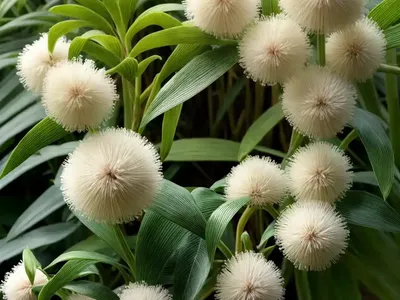
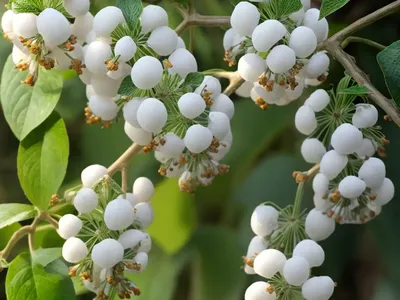
Carolina Moonseed (Cocculus Carolinus)
Plants play an integral role in our environment, providing us with oxygen, food, medicine, and much more. Among the vast array of plant species, Carolina.
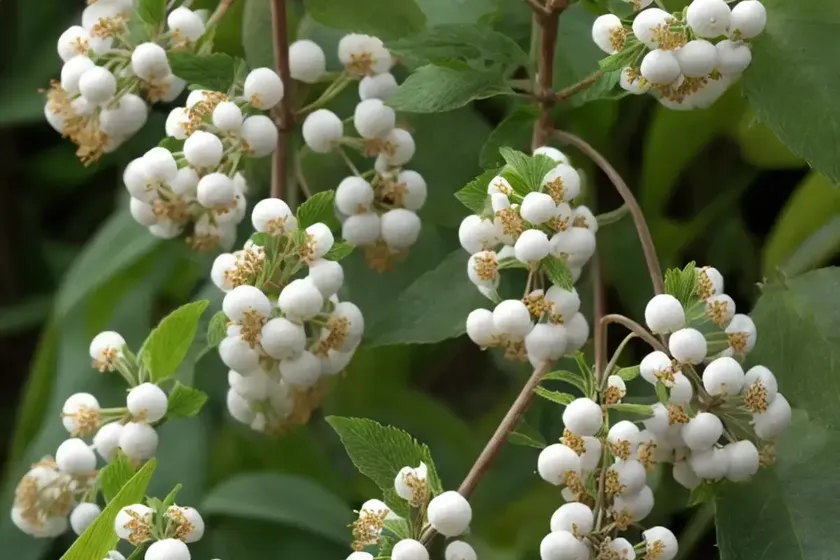
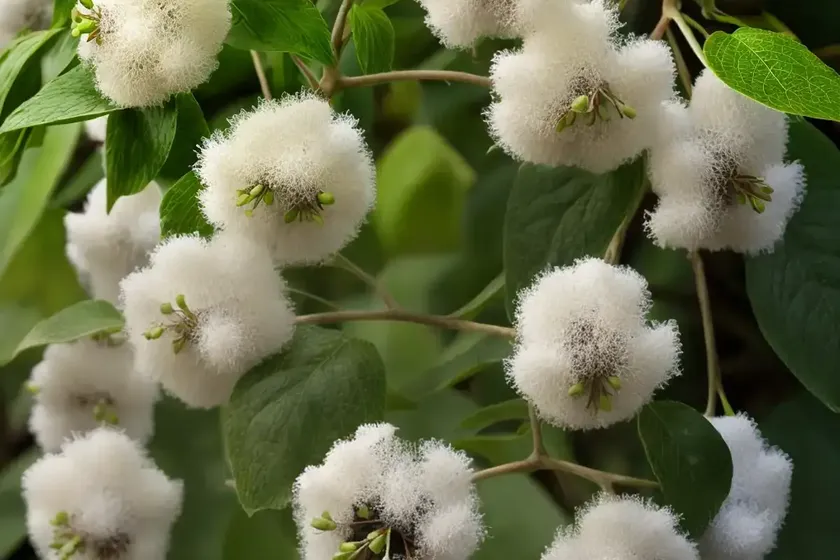
Plants play an integral role in our environment, providing us with oxygen, food, medicine, and much more. Among the vast array of plant species, Carolina moonseed (Cocculus carolinus) stands out with its unique characteristics, cultural significance, and practical uses. In this comprehensive guide, we will delve into the details of this captivating plant, covering everything from its cultural significance to its growth requirements, cultivation, and potential uses.
What is Carolina Moonseed (Cocculus carolinus)?
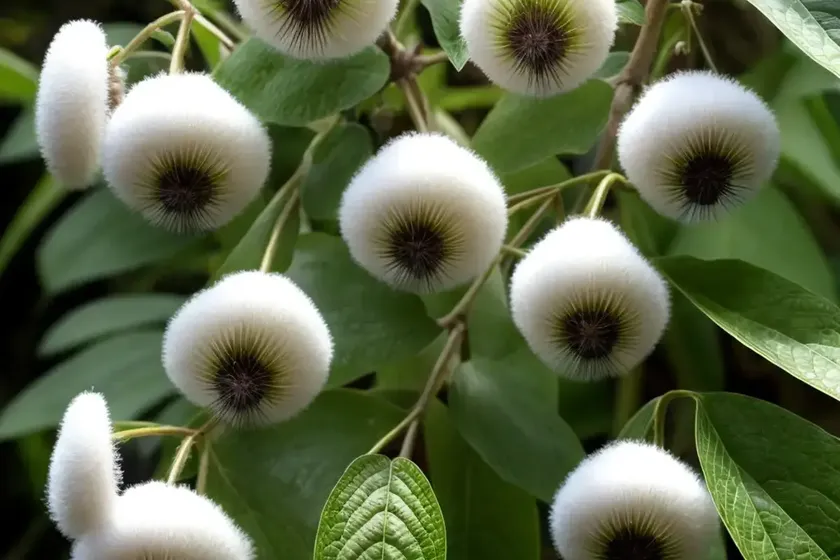
Carolina moonseed, scientifically known as Cocculus carolinus, is a fascinating perennial plant that belongs to the Menispermaceae family. It is also commonly referred to as moonseed vine, Carolina moonseed vine, or simply moonseed plant. This plant is native to eastern North America, where it thrives in a variety of habitats such as woodlands, thickets, and riverbanks. Carolina moonseed is renowned for its slender, twining stems and distinctive moon-shaped seeds, which are the sources of its common names.
This plant species exhibits a remarkable ability to climb, with its vine-like growth habit making it a captivating addition to natural landscapes, gardens, and arboretums. The Carolina moonseed plant is known for its unique foliage, attractive flowers, and intriguing berries, making it an alluring choice for both amateur and experienced gardeners.
Key Takeaways – Carolina Moonseed (Cocculus carolinus)
Before we delve into the specifics of Carolina moonseed cultivation and care, let’s take a look at the key takeaways regarding this plant:
- Scientific Name: Cocculus carolinus
- Common Names: Carolina moonseed, moonseed vine, Carolina moonseed vine
- Plant Type: Perennial vine
- Native Habitat: Eastern North America
- Distinctive Feature: Moon-shaped seeds
- Cultural Significance: Medicinal and ornamental uses
- Growth Habit: Twining and climbing
- Potential Uses: Medicinal, landscape design, wildlife habitat
With these key points in mind, let’s explore the cultural significance, uses, and practical aspects of caring for Carolina moonseed.
Cultural Uses of Carolina Moonseed
Carolina moonseed holds cultural significance across various domains, from traditional medicine to landscape design. Understanding its historical uses and symbolic value provides a deeper appreciation for this plant’s contribution to human culture and the natural world.
Medicinal Uses
In traditional herbal medicine, Carolina moonseed has been recognized for its potential medicinal properties. The plant contains bioactive compounds that have been historically used to address various health concerns. Some traditional uses of Carolina moonseed in herbal medicine include its application in remedies for fevers, rheumatism, and digestive disorders. While it is important to approach traditional remedies with caution and seek guidance from healthcare professionals, the historical use of Carolina moonseed in herbal medicine highlights the plant’s intriguing bioactive components.
The berries of Carolina moonseed have been traditionally used to concoct infusions and decoctions, believed to possess medicinal properties beneficial for human health. It’s important to note that the use of traditional plant remedies should be approached with careful consideration and consultation with knowledgeable professionals, given the potential risks associated with some plant constituents. Nevertheless, the historical use of Carolina moonseed in traditional medicine underscores its cultural and medicinal significance.
Ornamental Purposes
Beyond its historical use in traditional medicine, Carolina moonseed is valued for its ornamental appeal. Its twining habit and attractive foliage make it a captivating addition to gardens, landscapes, and naturalistic plantings. The vine’s ability to climb and cover vertical surfaces adds an element of natural beauty and diversity to outdoor spaces. Moreover, the unique moon-shaped seeds and berries of Carolina moonseed contribute to its ornamental value, particularly during the plant’s fruiting stage.
Cultivating Carolina moonseed in gardens or incorporating it into landscape designs presents an opportunity to celebrate the plant’s cultural significance and unique characteristics. Its ornamental appeal and cultural significance as a traditional medicinal plant make it a versatile choice for horticultural enthusiasts and plant lovers.
Carolina Moonseed: Care Essentials
Now that we have explored the cultural uses and significance of Carolina moonseed, it is crucial to understand the essential care requirements for cultivating and maintaining this plant. From sunlight and water needs to soil preferences and pruning guidelines, providing optimal conditions is essential for the plant’s health and vigor.
Water
Carolina moonseed thrives in moist, well-draining soil, making its water requirements a critical aspect of its care. While the plant appreciates consistent moisture, it is equally important to avoid waterlogging the soil, which can lead to root rot and other detrimental conditions. During periods of inadequate rainfall, it is advisable to supplement the plant with additional watering, especially during its establishment phase and in dry summers.
Aim to maintain consistently moist but not waterlogged soil to support healthy growth and vigor. Observing the plant and its response to watering can provide valuable insights into its individual moisture needs, allowing for adjustments based on environmental conditions and plant health.
Sunlight
In terms of sunlight requirements, Carolina moonseed generally thrives in partial shade to full shade conditions. While it can tolerate varying light levels, including dappled shade and filtered sunlight, it often performs best in locations with protection from intense midday sun. When selecting a planting site or designing a garden area for Carolina moonseed, consider its preference for shaded environments, especially in regions with hot summers.
Providing the plant with the appropriate light conditions is essential for promoting healthy growth and foliage development. An ideal balance of light and shade can contribute to the plant’s overall vigor and ornamental appeal.
Fertilizer
When it comes to fertilizing Carolina moonseed, a balanced approach is key to supporting its growth without promoting excessive foliage at the expense of flowering and fruiting. Incorporating a slow-release, balanced fertilizer into the soil during the plant’s active growing season can provide essential nutrients for its development. However, it is important to avoid over-fertilization, which can lead to imbalanced growth and reduced flowering.
Consider using a fertilizer with a balanced NPK ratio, ideally formulated for flowering vines or ornamental plants. Apply the fertilizer according to the product’s instructions and consider the specific needs of Carolina moonseed as a climbing perennial vine.
Soil
Carolina moonseed thrives in well-draining, fertile soil with a slightly acidic to neutral pH. Providing the plant with a nutrient-rich, loamy soil mix can facilitate healthy growth and development. When planting Carolina moonseed, amending the soil with organic matter such as compost or well-rotted manure can enhance its soil structure and enrich its nutrient content, promoting robust growth and vigor.
Prioritize soil preparation to create an optimal growing environment for Carolina moonseed, considering its preference for moist but well-draining soil. Evaluating the existing soil conditions and making necessary amendments can lay the groundwork for the plant’s long-term health and vitality.
Pruning
Pruning is an essential aspect of Carolina moonseed care, contributing to its overall health, appearance, and longevity. Regular pruning can help manage the plant’s growth, remove damaged or diseased portions, and shape its climbing habit. By addressing wayward growth and maintaining a balanced form, pruning supports the plant’s ornamental appeal while managing its size within the designated space.
When pruning Carolina moonseed, remove any dead or damaged stems and foliage, as well as any unwanted growth that may detract from the plant’s visual appeal. Additionally, consider training the vine to encourage upward growth and enhance its climbing habit, especially when incorporating it into trellises, arbors, or other support structures.
Propagation
The propagation of Carolina moonseed can be achieved through various methods, including seed propagation, stem cuttings, and division. Each method offers unique advantages and considerations, providing opportunities for expanding the plant’s presence in gardens and natural landscapes.
-
Seed Propagation: Harvesting mature seeds from Carolina moonseed berries and sowing them in containers or prepared garden beds can initiate the plant’s growth. However, it is important to note that Carolina moonseed seeds contain toxic compounds and should be handled with caution, especially in households with children and pets. Proper precautions should be observed during seed handling and sowing.
-
Stem Cuttings: Propagating Carolina moonseed through stem cuttings offers a reliable method for reproducing the plant. Select healthy, non-flowering stems and carefully prepare cuttings with several nodes. By providing appropriate rooting conditions, such as a well-draining rooting medium and consistent moisture, these cuttings can develop into new plants.
-
Division: Dividing established Carolina moonseed plants allows for the creation of multiple specimens from a single parent plant. Carefully separating the plant’s rhizomes or root clumps and replanting them in suitable locations can facilitate new growth and expansion of the plant.
Each propagation method presents unique considerations and potential challenges, requiring attention to detail and a focus on creating optimal conditions for new growth.
Container Cultivation
For gardeners and horticultural enthusiasts with limited outdoor space, Carolina moonseed can be cultivated in containers, providing an opportunity to appreciate its ornamental charm on patios, balconies, and other confined areas. When selecting a container for Carolina moonseed, opt for a spacious, well-draining vessel that accommodates the plant’s mature size and climbing habit.
Ensure that the container provides adequate stability and support for the plant’s twining stems, potentially incorporating a trellis or other vertical structure to assist its climbing growth. Additionally, select a high-quality, well-draining potting mix and monitor the plant’s water and nutrient needs, considering the specific requirements of container-grown specimens.
Popularity of Carolina Moonseed
The popularity of Carolina moonseed extends across various gardening communities, herbalism enthusiasts, and individuals seeking to augment their landscapes with unique and culturally significant plants. Its appeal as an ornamental vine, coupled with its historical use in traditional medicine, contributes to its enduring popularity among plant enthusiasts and those interested in native flora.
Container Gardening
Carolina moonseed’s suitability for container gardening positions it as a popular choice for individuals seeking to incorporate climbing plants into confined spaces. Its twining habit, attractive foliage, and unique seeds make it an alluring option for adorning patios, balconies, and other outdoor areas.
When cultivated in containers, Carolina moonseed offers an opportunity to appreciate its ornamental attributes while managing its growth within a confined space. Its popularity in container gardening circles underscores its versatility and appeal as an adaptable plant.
Native Plant Enthusiasts
For advocates of native plant conservation and enthusiasts of indigenous flora, Carolina moonseed holds a special place as a representative of eastern North American plant species. Its role in supporting local ecosystems and wildlife, combined with its ornamental allure, resonates with individuals dedicated to the preservation and appreciation of native plants.
The plant’s popularity among native plant enthusiasts reflects its ecological significance and the value placed on integrating native species into gardens, naturalistic plantings, and restoration projects.
Common Diseases and Pest Management
As with any plant, Carolina moonseed is susceptible to certain diseases and pest infestations that can affect its health and vigor. Recognizing common issues and employing proactive management strategies are essential for maintaining the plant’s well-being and addressing potential challenges.
Disease Diagnosis
Carolina moonseed may experience issues related to fungal diseases, including leaf spot and powdery mildew. These conditions can impact the plant’s foliage, leading to discoloration, reduced vigor, and aesthetic concerns. Additionally, environmental stressors such as poor drainage or prolonged periods of high humidity can contribute to the development of these diseases.
Regular monitoring of the plant’s foliage, particularly during periods of increased humidity or moisture, can aid in the early detection of fungal diseases. Prompt intervention, such as adjusting watering practices and employing targeted treatments, can help manage these issues and mitigate their impact on the plant’s health.
Common Pests
Pest infestations, including those caused by aphids, spider mites, and scale insects, can pose threats to Carolina moonseed plants. These pests can affect the plant’s growth, sap nutrition, and compromise its overall health if left unaddressed.
By actively monitoring the plant for signs of pest activity, including distorted foliage, stippling, or the presence of pests themselves, early intervention can prevent severe infestations. Employing integrated pest management strategies, such as introducing natural predators or using targeted treatments, can help maintain a balance and manage pest populations effectively.
Botanist’s Tips for Carolina Moonseed Care
For an in-depth understanding of Carolina moonseed and its care requirements, it is valuable to consider insights from botanists and horticultural professionals. Their expertise and practical guidance can offer valuable perspectives on cultivating and appreciating this unique plant species.
Soil Assessment
Conducting a thorough assessment of the soil conditions in the selected planting site can provide essential insights into Carolina moonseed’s prospective growth. Understanding the soil’s texture, drainage, pH, and nutrient content enables informed decisions regarding soil preparation and amendment, laying the foundation for the plant’s long-term health and vigor.
By evaluating the soil and making necessary adjustments based on its characteristics, gardeners and horticulturalists can create an optimal environment for Carolina moonseed to thrive.
Support Structures
Given Carolina moonseed’s climbing habit, providing adequate support structures is crucial for promoting its upward growth and showcasing its ornamental qualities. Whether incorporating trellises, arbors, or other vertical elements, selecting appropriate support structures contributes to the plant’s stability and visual impact.
When planning for Carolina moonseed’s growth, consider the design and placement of support structures to accommodate the plant’s climbing habit and enhance its overall presence in the garden or landscape.
Diagnostic Skills
Developing keen diagnostic skills enables gardeners to recognize early signs of disease, pest infestations, or nutrient deficiencies that may affect Carolina moonseed. Regular monitoring and observation of the plant’s foliage, growth patterns, and overall health facilitate proactive intervention and management of potential issues.
By honing diagnostic abilities, individuals can cultivate healthy and vibrant Carolina moonseed plants while addressing challenges effectively.
Fun Facts About Carolina Moonseed
Exploring the intriguing facets of Carolina moonseed can reveal captivating details and enrich our appreciation for this unique plant. From its ecological role to its cultural significance, the following fun facts shed light on the plant’s diverse attributes:
- The Latin name “Cocculus carolinus” reflects the plant’s connection to the southeastern region of North America, where it thrives in various natural habitats.
- Carolina moonseed’s moon-shaped seeds serve as distinctive features, contributing to its unique botanical identity and common naming conventions.
- The plant’s historical use in traditional medicine underscores its cultural significance and the enduring value placed on native flora by indigenous communities.
- Carolina moonseed’s climbing habit enables it to ascend and thrive in diverse environments, adding vertical interest and ecological benefits to various landscapes.
- The plant’s berries, while visually appealing, contain toxic compounds and should be handled with caution, especially in settings with children and pets.
- Recognizing Carolina moonseed as a valuable habitat plant for wildlife underscores its ecological role in supporting local biodiversity and ecosystem health.
- The vine’s potential use in landscape design and naturalistic plantings reflects its ornamental appeal and contribution to diverse horticultural settings.
These fun facts offer intriguing insights into Carolina moonseed’s multifaceted nature and the diverse roles it plays in natural ecosystems and human culture.
Links to External Resources
For those interested in delving deeper into the world of Carolina moonseed and its cultural significance, practical care, and ecological roles, the following links to external resources provide valuable information and resources:
-
“Cocculus carolinus: Carolina Moonseed” – Explore in-depth details about Carolina moonseed, including its characteristics, distribution, and ecological significance, provided by the Lady Bird Johnson Wildflower Center.
-
“Carolina Moonseed (Cocculus carolinus)” – Access the United States Department of Agriculture’s comprehensive plant profile for Carolina moonseed, featuring information on its native range, habitat, and conservation status.
-
“Native Plants for Wildlife Habitat and Conservation Landscaping: Cocculus carolinus” – Delve into Purdue University’s guide to native plants, featuring a comprehensive overview of Carolina moonseed’s ecological value and landscape contributions.
-
“Moonseed (Cocculus carolinus) Poisoning” – Gain insights into the toxic properties of Carolina moonseed and its potential health risks in this scientific article from the National Center for Biotechnology Information (NCBI).
-
“Moonseed Vine (Cocculus carolinus)” – Explore the symbolic significance of Carolina moonseed as the official state plant of North Carolina, highlighting its cultural importance in the region.
These external resources offer a valuable wealth of information, scientific insights, and practical guidance for those seeking to deepen their knowledge of Carolina moonseed and its diverse attributes.
Conclusion
Carolina moonseed, with its botanical allure, historical significance, and cultural contributions, embodies a rich tapestry of ecological and cultural significance. From its climbing habit and distinctive foliage to its traditional medicinal uses and ornamental appeal, this plant species captivates the imagination and enriches natural settings with its versatile qualities.
By embracing the multifaceted nature of Carolina moonseed and providing optimal care tailored to its unique requirements, individuals can cultivate and appreciate this plant while acknowledging its historical and ecological value. Whether incorporated into gardens, naturalistic landscapes, or conservation initiatives, Carolina moonseed serves as a testament to the enduring significance of native flora and its role in enriching our lives and the environment.
As we continue to explore the dynamic world of plant species, Carolina moonseed stands out as a remarkable representative of eastern North American flora, offering a blend of botanical intrigue, cultural history, and ecological value.
The comprehensive guide provides detailed insights into the cultural significance, care requirements, and historical background of Carolina moonseed, catering to both gardening enthusiasts and individuals interested in native plant species. It includes practical care advice, fun facts, and links to external resources for further exploration. The information is structured in a reader-friendly format, incorporating headings, bullet points, and tables where applicable, to enhance readability and comprehension.