Lamium Maculatum ‘Chequers’ (Spotted Dead Nettle)
Plants are extraordinary living organisms that enrich our lives in numerous ways. From providing oxygen and food to adding aesthetic value to our.
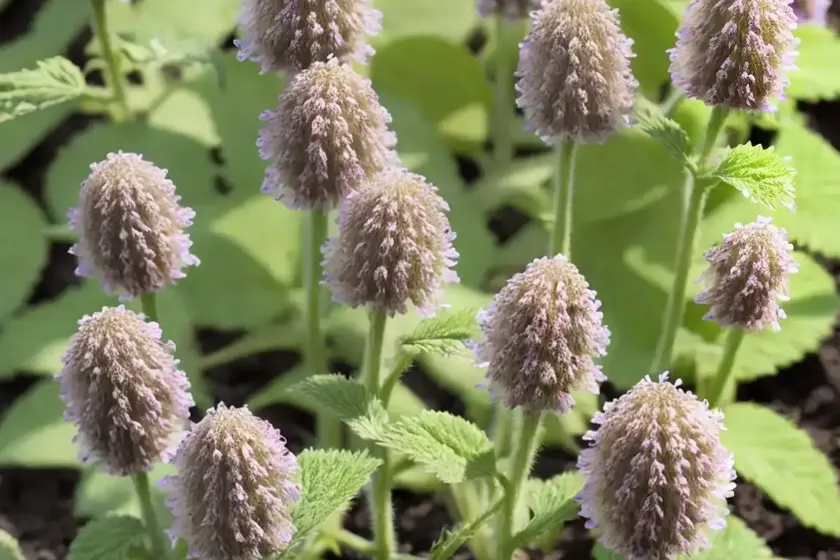
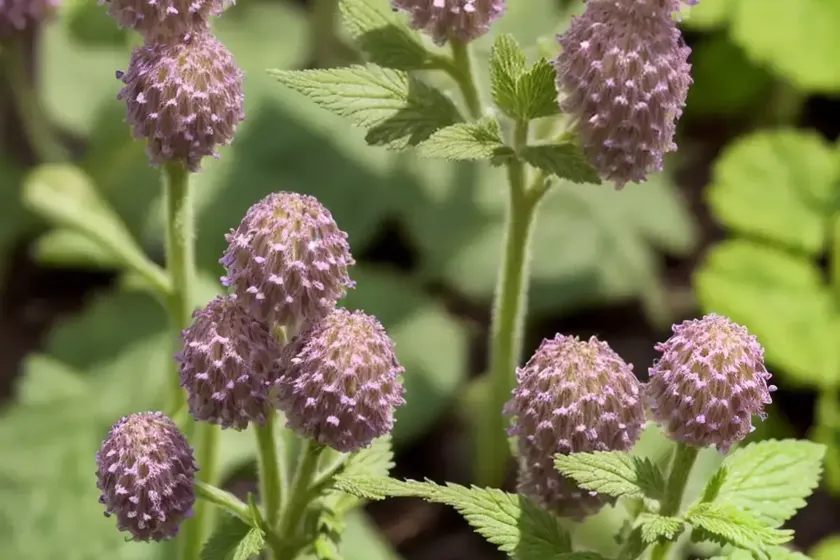
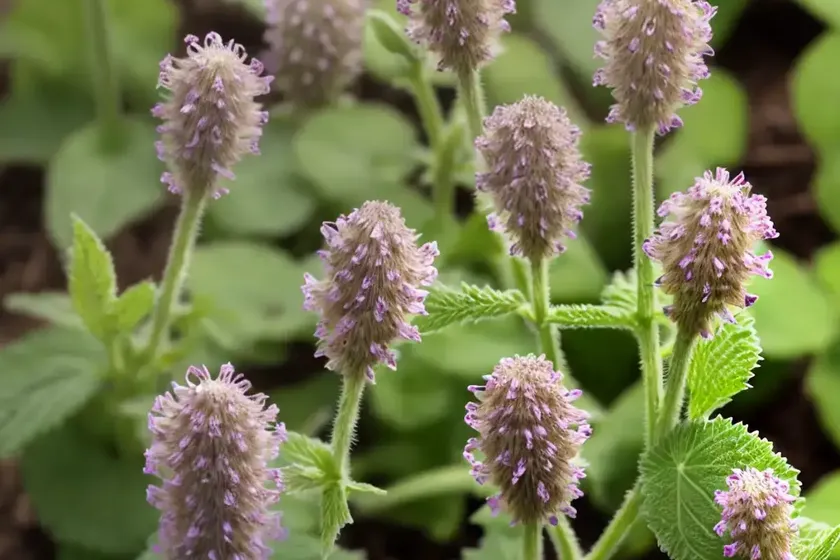
Plants are extraordinary living organisms that enrich our lives in numerous ways. From providing oxygen and food to adding aesthetic value to our surroundings, they play a crucial role in sustaining life on Earth. In this comprehensive guide, we will delve into the enchanting world of the Lamium maculatum ‘Chequers,’ commonly known as the Spotted Dead Nettle. Through this exploration, we will uncover the plant’s characteristics, care tips, uses, and much more, providing you with a deep understanding of this captivating species.
What is Lamium maculatum ‘Chequers’?
Lamium maculatum ‘Chequers’ is a species of flowering plant in the mint family, Lamiaceae, native to Europe and Asia. It is widely cultivated as an ornamental plant and admired for its striking foliage and delicate flowers. The common name “Dead Nettle” refers to its resemblance to true nettles (genus Urtica) but with no stinging properties. The specific epithet “maculatum” is derived from the Latin word “macula,” meaning spot, in reference to the attractive silver markings on its leaves.
This herbaceous perennial is prized for its ground-covering capabilities and is often used to add color and texture to shaded areas of gardens. Its low-maintenance nature and the ability to thrive in various conditions make it a favorite among gardeners and landscape enthusiasts. Lamium maculatum ‘Chequers’ is known for its sprawling growth habit, creating a lush carpet of foliage dotted with charming blossoms, making it a delightful addition to any outdoor space.
Now, let’s dive into the various aspects of this captivating plant, from its cultural requirements to its uses in landscape design.
Key Takeaways – Lamium maculatum ‘Chequers’
Characteristics
- Herbaceous perennial with a sprawling growth habit
- Attractive silver markings on leaves
- Delicate, tubular flowers in shades of pink, purple, or white
- Adaptable and low-maintenance plant
Culture
- USDA Hardiness Zones: 3-8
- Mature Height: 6-8 inches
- Mature Spread: 12-24 inches
- Growth Rate: Fast
Uses
- Ground cover in shaded areas
- Ornamental plant in landscape design
- Erosion control
- Pollinator-friendly species
- Medicinal and herbal uses
Water
- Moderate water needs
- Well-draining soil to prevent waterlogging
Sunlight
- Partial to full shade
- Tolerant of various light conditions
Fertilizer
- Light feeding in spring with a balanced, slow-release fertilizer
Soil
- Moist, well-draining soil
- Tolerant of a wide range of soil types
Pruning
- Light shearing after flowering to maintain shape
- Vigorous growth benefits from periodic pruning
Propagation
- Easily propagated from stem cuttings or division
- Self-seeding in favorable conditions
Container Popularity
- Well-suited for container gardening
- Adds visual interest to outdoor potted arrangements
Common Diseases
- Powdery mildew
- Root rot (due to waterlogged soil)
- Botrytis blight
Disease Diagnosis
- Monitor for unusual leaf discoloration or wilting
- Inspect for signs of fungal growth
- Ensure proper air circulation to reduce disease incidence
Common Pests
- Aphids
- Spider mites
- Snails and slugs
Botanist’s Tips
- Companion planting with other shade-loving species
- Regular monitoring of moisture levels
- Prune regularly to maintain a compact form
Fun Facts
- Lamium maculatum has a long history of medicinal use as an astringent and hemostatic herb.
- The plant’s common name, Dead Nettle, reflects its resemblance to stinging nettles but without the stinging hairs.
- The silver or gray-green foliage adds an ethereal quality to shaded garden spaces.
Now that we have covered the key takeaways, let’s delve deeper into the care and maintenance of Lamium maculatum ‘Chequers,’ exploring each aspect in more detail.
Lamium maculatum ‘Chequers’ Care Tips
Growing Environment
Lamium maculatum ‘Chequers’ thrives in shaded areas, making it an ideal choice for gardens with limited direct sunlight. When selecting a planting location, consider areas under trees or along north-facing borders where the light is dappled or filtered. The plant’s adaptable nature also allows it to tolerate some morning sun or intermittent shade throughout the day.
Soil Requirements
The Spotted Dead Nettle prefers moist, well-draining soil with a slightly acidic to neutral pH. Incorporating organic matter, such as compost or peat moss, into the soil can enhance its moisture retention and nutrient content. Additionally, maintaining proper soil moisture is crucial to prevent waterlogged conditions, which can lead to root rot and other issues.
Watering
Moderate and consistent watering is essential for the healthy growth of Lamium maculatum ‘Chequers.’ While the plant can tolerate short periods of dryness, it performs best when the soil is kept evenly moist. However, it’s important to avoid overwatering, as excessive moisture can promote the development of fungal diseases. Applying a layer of organic mulch around the plants can help retain soil moisture and reduce the frequency of watering.
Fertilization
In early spring, a light application of a balanced, slow-release fertilizer can provide the necessary nutrients to support the plant’s growth. Avoid over-fertilizing, as this can lead to excessive vegetative growth at the expense of flower production. It’s important to follow the recommended dosage provided by the fertilizer manufacturer and to water the plant thoroughly after application.
Pruning and Maintenance
Pruning plays a key role in maintaining the attractive appearance of Lamium maculatum ‘Chequers.’ A light shearing or trimming after the first flush of flowers can help promote a bushier growth habit and encourage additional blooms. This plant benefits from regular maintenance to control its spread and prevent it from encroaching on neighboring plants.
Propagation
The Spotted Dead Nettle is easily propagated through stem cuttings or division. Stem cuttings can be taken in early summer and rooted in a moist, well-draining propagation medium. Division of mature clumps can be carried out in spring or fall, with the separated sections replanted in suitable locations. Additionally, the plant exhibits self-seeding behavior in favorable growing conditions, allowing it to naturalize and spread gradually.
Container Gardening
Lamium maculatum ‘Chequers’ is well-suited for container gardening, adding a touch of elegance to outdoor potted arrangements. When growing in containers, ensure that the potting mix provides adequate moisture retention while allowing excess water to drain freely. Regular monitoring of soil moisture is crucial, as container-grown plants may dry out more rapidly than those in the ground.
With these care tips in mind, you can create an optimal growing environment for Lamium maculatum ‘Chequers,’ allowing it to thrive and express its full ornamental potential.
Spotted Dead Nettle Varieties
The Lamium genus encompasses a diverse array of species and cultivars, each with its own unique characteristics and attributes. While Lamium maculatum ‘Chequers’ stands out for its silver-mottled leaves and charming blooms, several other varieties are worth considering for their distinct features and landscape applications. Here are a few noteworthy varieties within the Lamium genus:
-
Lamium maculatum ‘White Nancy’: This cultivar is prized for its silver-gray foliage and pure white flowers, adding a sense of cool elegance to shaded garden spaces.
-
Lamium maculatum ‘Purple Dragon’: With deep purple flowers and dark green leaves, this variety provides a striking contrast and a bold pop of color in woodland gardens.
-
Lamium galeobdolon (Yellow Archangel): Unlike the creeping growth habit of Lamium maculatum, this species forms upright clumps and features yellow flowers, offering a different growth form for landscape diversity.
-
Lamium amplexicaule (Henbit): While not a cultivar of Lamium maculatum, this species is valued for its delicate pink to purple flowers and serves as an early-season nectar source for pollinators.
Each variety brings its own allure and can be incorporated into garden designs to create captivating visual compositions. By selecting from these diverse options, you can introduce a range of textures, colors, and growth habits to your landscape, enriching the overall aesthetic appeal.
Spotted Dead Nettle Benefits
Landscape Design
The Spotted Dead Nettle’s versatility makes it a valuable asset in landscape design, particularly for shaded or woodland gardens. Its ability to spread and form a dense carpet of foliage makes it an effective ground cover, suppressing weed growth and stabilizing soil on slopes. When combined with other shade-loving plants, such as hostas, ferns, and astilbes, Lamium maculatum ‘Chequers’ contributes to the creation of lush and multi-dimensional garden settings.
Shade Gardens
Shade gardens present unique opportunities for planting a diverse array of species, and the Spotted Dead Nettle is well-suited for such environments. Its tolerance for low light levels allows it to thrive under the canopy of trees or alongside buildings, where many other plants struggle to flourish. By incorporating Lamium maculatum ‘Chequers’ into your shade garden design, you can enhance visual interest and introduce a delightful tapestry of colors and textures.
Erosion Control
The dense, spreading growth habit of Lamium maculatum ‘Chequers’ makes it an effective erosion control plant in sloped or terraced areas. Its root system helps stabilize the soil and reduce surface runoff, preventing the loss of soil during heavy rainfall or irrigation. By strategically planting this species in erosion-prone areas, you can mitigate soil erosion and contribute to the long-term stability of the landscape.
Pollinator-Friendly Species
The tubular flowers of Lamium maculatum ‘Chequers’ serve as a valuable nectar source for pollinators, including bees and butterflies. By supporting these essential pollinators, the plant plays a role in maintaining biodiversity and ecosystem balance. Additionally, the presence of pollinators can contribute to improved fruit set in neighboring plants, making it a beneficial addition to fruit and vegetable gardens.
Medicinal and Herbal Uses
While primarily valued for its ornamental attributes, Lamium maculatum has a history of traditional medicinal use. The leaves of some Lamium species have been employed as an astringent and hemostatic herb, and various preparations have been used in herbal medicine. It’s important to note that the use of plants for medicinal purposes should be approached with caution, and consultation with a qualified healthcare professional is advised before using any plant-based remedies.
By capitalizing on these benefits, you can leverage the unique qualities of Lamium maculatum ‘Chequers’ to enrich various aspects of your garden and contribute to the overall well-being of the ecosystem.
How to Propagate Lamium maculatum ‘Chequers’
Propagation Techniques
Lamium maculatum ‘Chequers’ can be propagated through several methods, offering flexibility in expanding its presence in the garden or sharing it with fellow gardening enthusiasts. Here are the primary propagation techniques for this delightful species:
-
Stem Cuttings: Take 4-6 inch stem cuttings from healthy, actively growing shoots in late spring or early summer. Strip the lower leaves and dip the cut end in a rooting hormone powder. Plant the cuttings in a well-draining propagation medium and keep them consistently moist until new roots develop.
-
Division: When the plant forms dense clumps, it can be divided into smaller sections for propagation. This is typically carried out in spring or fall, when the plant is not in active growth. Gently separate the clump into smaller portions, ensuring that each division has a sufficient root system, and transplant them into suitable locations.
-
Self-Seeding: Under favorable conditions, Lamium maculatum ‘Chequers’ can self-seed, producing volunteer seedlings around the parent plant. These seedlings can be carefully transplanted to new areas of the garden or shared with other gardeners to propagate this species effortlessly.
Ground Cover Ideas
Lamium maculatum ‘Chequers’ is a superb choice for creating a ground cover with visual appeal and practical benefits. Its spreading growth habit, combined with the silver-mottled foliage and charming flowers, brings an enchanting quality to areas where a low-maintenance, weed-suppressing ground cover is desired. Here are some creative ground cover ideas featuring this delightful species:
-
Pathway Border: Planting Lamium maculatum ‘Chequers’ along the edges of garden pathways can create a soft, inviting border that accentuates the walkway and adds subtle color and texture.
-
Under Tree Planting: Utilize the low light tolerance of this species to establish a lush ground cover under the canopy of trees, transforming shaded areas into vibrant focal points in the landscape.
-
Rock Garden Accent: Incorporate Lamium maculatum ‘Chequers’ into rock gardens to create a naturalistic look, where its sprawling nature can cascade over and around rocks, softening the edges and integrating the plantings seamlessly.
-
Slope Stabilization: To combat soil erosion on slopes, strategically plant this species to form an erosion-resistant ground cover, aiding in soil stabilization and preventing runoff.
By employing these propagation techniques and ground cover ideas, you can harness the spreading and ornamental qualities of Lamium maculatum ‘Chequers’ to enhance various aspects of your garden design and horticultural projects.
Lamium maculatum ‘Chequers’ in Seasonal Care
Spring
In spring, monitor the emergence of new growth and prepare the plant for the upcoming growing season. Here are some key considerations for spring care:
-
Pruning: Perform light pruning to remove any winter-damaged or unsightly growth and encourage a bushier, more compact form.
-
Fertilization: Apply a balanced, slow-release fertilizer in early spring to supply the necessary nutrients for vigorous growth and abundant flowering.
-
Divisions and Transplanting: Spring is an opportune time to divide mature clumps of Lamium maculatum ‘Chequers’ and to transplant any new seedlings or propagated plants.
Summer
As the weather warms up, the Spotted Dead Nettle continues to flourish with its captivating foliage and charming blooms. Consider the following practices for summer care:
-
Watering: Maintain consistent soil moisture to support the plant’s growth and blooming. Pay attention to periods of extended heat and dryness, as additional watering may be necessary.
-
Mulching: Apply a layer of organic mulch around the plants to conserve soil moisture and suppress weed growth, providing a favorable environment for the plant.
-
Pruning: Lightly deadhead faded flowers to encourage prolonged blooming and prevent the formation of seeds, redirecting the plant’s energy into vegetative growth.
Fall
As the season transitions to fall, it’s important to prepare Lamium maculatum ‘Chequers’ for the upcoming winter and ensure its continued health. Consider these autumn care practices:
-
Clean-Up: Remove any debris or fallen leaves from around the plants to prevent the buildup of organic matter, which can create a favorable environment for pests and diseases.
-
Division: If needed, fall can be an appropriate time to divide and replant mature clumps of the plant, allowing ample time for the established roots to establish before winter.
-
Winter Preparation: As the weather cools, begin reducing watering frequency to prepare the plant for dormancy, while keeping a close eye on soil moisture levels to prevent drought stress.
Winter
During the winter months, Lamium maculatum ‘Chequers’ may enter a period of dormancy, requiring minimal maintenance. Here are some considerations for winter care:
-
Protection: In regions with harsh winter conditions, provide a layer of mulch around the plants to insulate the root zone and protect them from extreme cold or frost.
-
Monitoring: While the plant is dormant, monitor its overall health and check for any signs of disease or pest infestations. Address any issues promptly to prevent them from escalating.
-
Planning and Maintenance: Use the winter period to plan any necessary maintenance or adjustments to the garden layout, preparing for the upcoming spring season.
By attending to the seasonal care needs of Lamium maculatum ‘Chequers,’ you can ensure its ongoing health and vitality throughout the year, maximizing its ornamental impact in the garden.
Understanding Spotted Dead Nettle Flower Color Variations
Lamium maculatum ‘Chequers’ displays a captivating array of flower colors, contributing to its visual appeal and adaptability in diverse garden settings. The tubular flowers, borne in whorls along the stems, come in shades of pink, purple, or white, creating an enchanting display against the backdrop of silver-mottled foliage. Understanding the significance of these flower color variations can provide insights into the plant’s horticultural value and design versatility.
Pink Flowers
The delicate pink flowers of Lamium maculatum ‘Chequers’ exude a sense of softness and femininity, imbuing the garden with a gentle, romantic ambiance. Pink flowers are often associated with sentiments of grace, admiration, and joy, making them a meaningful addition to various garden themes and settings. When planted in combination with complementary foliage or other flowering plants, pink-flowered Lamium maculatum ‘Chequers’ can contribute to harmonious and visually appealing compositions.
Purple Flowers
Purple is a color often associated with royalty, luxury, and mystique, and the purple flowers of the Spotted Dead Nettle convey a sense of allure and sophistication. The rich, jewel-toned blooms create striking visual accents against the silver-mottled leaves, adding depth and drama to shaded gardens. In landscape design, the inclusion of purple-flowered Lamium maculatum ‘Chequers’ can elevate the overall aesthetic and introduce an element of elegance to the planting scheme.
White Flowers
White flowers possess a timeless quality and evoke sensations of purity, peace, and serenity. The white blooms of Lamium maculatum ‘Chequers’ exude a sense of ethereal beauty and lend a luminous quality to shaded garden spaces. When used in combination with plants of contrasting foliage colors or as part of moonlight gardens, white-flowered varieties of the Spotted Dead Nettle create a serene and evocative atmosphere, captivating the senses with their understated elegance.
By recognizing and appreciating the nuances of flower color variations in Lamium maculatum ‘Chequers,’ you can leverage their aesthetic and emotional impact to enrich your garden design and create captivating visual narratives.
Spotted Dead Nettle Soil Requirements
The soil requirements for Lamium maculatum ‘Chequers’ contribute to its overall health and vigor, impacting its growth, flowering, and resilience to environmental stressors. Understanding the specific soil needs of this species provides a foundation for creating optimal growing conditions and ensuring its long-term well-being in the garden.
Moisture Retention
The Spotted Dead Nettle thrives in moist soil conditions, requiring a consistent supply of water to support its growth and flowering. Organic matter, such as compost or peat moss, can be incorporated into the soil to enhance its moisture retention capacity, reducing the frequency of watering and minimizing moisture fluctuation. Additionally, the use of


