Lamium Maculatum ‘Purple Dragon’ (Spotted Dead Nettle)
Lamium maculatum ‘Purple Dragon’ (commonly known as Spotted Dead Nettle) is an attractive and versatile perennial plant that belongs to the mint family.
Introduction
Lamium maculatum ‘Purple Dragon’ (commonly known as Spotted Dead Nettle) is an attractive and versatile perennial plant that belongs to the mint family, Lamiaceae. This plant is known for its stunning foliage and beautiful flowers, making it a popular choice for gardeners and landscapers. In this comprehensive guide, we will explore the various aspects of this plant, including its cultural requirements, uses in landscaping, maintenance tips, and much more.
Plant Profile: Lamium maculatum ‘Purple Dragon’
Before delving into the intricate details of caring for this plant, let’s first understand its key characteristics.
– Scientific Name: Lamium maculatum ‘Purple Dragon’
– Common Name: Spotted Dead Nettle
– Family: Lamiaceae
– Hardiness Zones: 4-8
– Mature Height: 6-8 inches
– Mature Spread: 12-18 inches
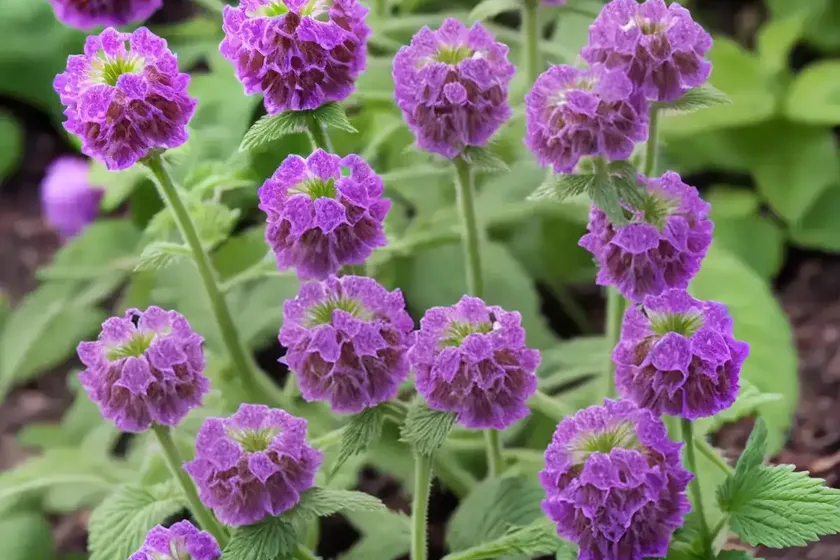
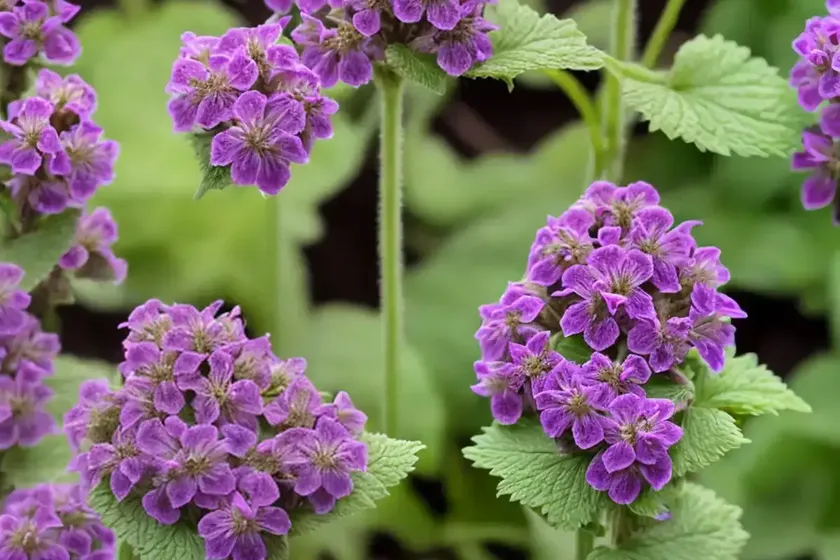
– Flower Color: Pink to purple
– Foliage: Silver-green leaves with dark green edges
– Bloom Time: Spring to early summer
Key Takeaways – Lamium maculatum ‘Purple Dragon’ (Spotted Dead Nettle)
Characteristics
Lamium maculatum ‘Purple Dragon’ exhibits several noteworthy characteristics that make it a sought-after plant for gardens and landscapes.
– Beautiful foliage with silver-green leaves and dark green margins
– Showy flowers that attract pollinators
– Low-growing habit, making it ideal as a groundcover or for edging
– Deer and rabbit resistant, making it suitable for wildlife-friendly gardens
Now, let’s explore the various aspects of caring for and utilizing this plant effectively.
Culture
Water
Lamium maculatum ‘Purple Dragon’ thrives in consistently moist, well-draining soil. While it is tolerant of short periods of drought, regular watering is essential for optimal growth and flowering. However, it is crucial to avoid waterlogging, as this can lead to root rot and other issues. When watering, aim to keep the soil evenly moist, especially during hot and dry periods.
Sunlight
In terms of sunlight requirements, Spotted Dead Nettle performs best in partial to full shade. It can tolerate some morning sun but generally prefers sheltered locations with dappled sunlight. In hot climates, providing some afternoon shade can help prevent leaf scorch and maintain the plant’s vigor.
Fertilizer
When it comes to fertilizing Lamium maculatum ‘Purple Dragon’, a balanced, slow-release fertilizer applied in early spring can promote healthy growth and abundant flowering. Avoid over-fertilizing, as this can lead to excessive foliage at the expense of flowers. Additionally, incorporating organic matter into the soil during planting can provide a steady source of nutrients.
Soil
This plant thrives in moist, well-draining soil with a slightly acidic to neutral pH. Amending the soil with organic matter, such as compost or well-rotted manure, can improve both the moisture retention and nutrient content of the soil. Good soil preparation is essential for establishing healthy and robust Spotted Dead Nettle plants.
Pruning
Trimming and shaping play a crucial role in maintaining the attractive appearance of Lamium maculatum ‘Purple Dragon.’ Regular deadheading of spent flowers can encourage prolonged blooming and prevent self-seeding. Additionally, light shearing after the main flowering period can promote a compact, tidy growth habit and encourage a second flush of blooms.
Propagation
Propagation of Lamium maculatum ‘Purple Dragon’ can be achieved through several methods, including division, stem cuttings, and seed propagation. Here’s a brief overview of each method:
– Division: Divide established clumps in early spring or fall, ensuring that each division has sufficient roots and shoots for successful establishment.
– Stem Cuttings: Take 4-6 inch stem cuttings in summer, remove the lower leaves, and place them in a well-draining potting medium. With proper care and consistent moisture, the cuttings should develop roots within a few weeks.
– Seed Propagation: Collect seeds from ripe seed capsules and sow them in a seed-starting mix, maintaining consistent moisture and warmth for germination.
Container Popularity
Due to its spreading growth habit and ornamental appeal, Lamium maculatum ‘Purple Dragon’ is a popular choice for container planting. When grown in containers, its trailing nature and colorful foliage can spill gracefully over the edges, adding a charming touch to patio areas, balconies, and other outdoor spaces. Furthermore, it can be a valuable component of mixed container plantings, providing contrast and texture alongside other companion plants.
Uses in Landscaping
Spotted Dead Nettle offers numerous possibilities for creative and visually appealing landscaping designs. Here are some key uses in landscaping:
– Groundcover: Its low-growing and spreading nature makes it an excellent groundcover for shaded or woodland areas, where it forms a dense mat of foliage that suppresses weeds and serves as a living mulch.
– Edging: The attractive foliage and flowers of Lamium maculatum ‘Purple Dragon’ make it well-suited for edging along paths, borders, or garden beds, adding a soft and delicate border to the landscape.
– Underplanting: It can be used as an underplanting beneath taller shrubs or trees, filling in the bare areas with its colorful foliage and providing visual interest.
– Mixed Borders: Incorporating Spotted Dead Nettle into mixed perennial borders can add texture, color, and season-long interest, especially in shaded or partially shaded areas.
Common Diseases
While Lamium maculatum ‘Purple Dragon’ is relatively resistant to many diseases, it can occasionally encounter issues such as powdery mildew and root rot, especially in poorly drained or overly wet conditions. Here’s a brief overview of these potential diseases:
- Powdery Mildew: This fungal disease can manifest as white powdery patches on the foliage, leading to distorted growth and reduced plant vigor. To prevent powdery mildew, ensure proper air circulation, avoid overhead watering, and promptly remove and destroy infected plant material.
- Root Rot: Excessively wet or poorly draining soil can result in root rot, causing the plant to wilt, decline, and display yellowing or browning of the foliage. To prevent root rot, ensure proper soil drainage and avoid overwatering.
Common Pests
Spotted Dead Nettle is generally resistant to most pests, but it can occasionally attract spider mites, aphids, and slugs, especially in humid and sheltered conditions. Here’s a brief overview of these potential pests and their management:
– Spider Mites: These tiny pests can cause stippling and webbing on the foliage, leading to a decline in plant health. Regularly inspect the undersides of the leaves and use horticultural oil or insecticidal soap to manage spider mite infestations.
– Aphids: Aphids can cluster on new growth and flower buds, causing distortion and yellowing of the foliage. Use a strong spray of water or insecticidal soap to dislodge and control aphid populations.
– Slugs: These mollusks can chew irregular holes in the foliage, especially in damp and shaded conditions. Employ physical barriers, such as copper tape or diatomaceous earth, to protect the plants from slug damage.
Botanist’s Tips
For optimal success with Lamium maculatum ‘Purple Dragon’ and other garden plants, consider the following expert tips:
– Soil Preparation: Prior to planting, improve the soil structure and fertility by incorporating organic matter, such as compost or aged manure. Well-prepared soil sets the foundation for healthy growth.
– Mulching: Apply a layer of organic mulch around the base of the plants to conserve moisture, suppress weeds, and moderate soil temperatures. Mulching can also enhance the visual appeal of the planting area.
– Regular Monitoring: Keep a close eye on the plants for any signs of pests, diseases, or nutrient deficiencies. Early detection and prompt intervention can prevent issues from escalating.
Fun Facts
- The common name “Dead Nettle” refers to the resemblance of its leaves to stinging nettles, although Lamium maculatum does not possess stinging hairs.
- Spotted Dead Nettle is often utilized as a culinary herb, with its young leaves adding a mild, earthy flavor to salads and other dishes.
- In folklore, Lamium maculatum was associated with protection and healing, and it was sometimes used in herbal remedies.
Now that we have explored the various aspects of Lamium maculatum ‘Purple Dragon,’ it is essential to provide access to additional resources and information for those seeking detailed guidance and inspiration in their gardening endeavors.
Links to External Resources
- Lamium maculatum ‘Purple Dragon’ Plant Profile
- Growing Lamium maculatum ‘Purple Dragon’
- Spotted Dead Nettle Uses in Landscaping
- Lamium maculatum ‘Purple Dragon’ Water Requirements
- Spotted Dead Nettle Pest and Disease Control
- Purple Dragon Lamium maculatum Companion Plants
In conclusion, Lamium maculatum ‘Purple Dragon’ is a delightful and versatile plant that offers an array of benefits for gardeners and landscapers. With its captivating foliage, attractive flowers, and low-maintenance nature, it has earned its place as a valuable addition to diverse garden settings. From shaded borders to woodland gardens and container plantings, the Spotted Dead Nettle brings beauty and functionality to the landscape, making it a plant worthy of consideration for anyone seeking to enhance their outdoor spaces.


