Lamium Maculatum ‘White Nancy’ (Spotted Dead Nettle)
Lamium maculatum, commonly known as Spotted Dead Nettle, is a perennial flowering plant with a variety of cultivars, one of which is ‘White Nancy’. This.
Lamium maculatum, commonly known as Spotted Dead Nettle, is a perennial flowering plant with a variety of cultivars, one of which is ‘White Nancy’. This attractive groundcover plant is prized for its beautiful foliage, colorful blooms, and versatility in landscaping and gardening. In this comprehensive guide, we will delve into the characteristics, cultivation, care tips, uses, and unique features of Lamium maculatum ‘White Nancy’.
What is Lamium maculatum ‘White Nancy’?
Lamium maculatum ‘White Nancy’ is a cultivar of the Lamium maculatum species, a member of the mint family (Lamiaceae). This low-growing perennial plant is native to Europe and Asia and is widely cultivated for its ornamental value. ‘White Nancy’ is esteemed for its variegated foliage and distinctive white flowers, making it a popular choice for groundcover and landscape designs.
Lamium maculatum ‘White Nancy’ Characteristics
-
Foliage: The leaves are heart-shaped and variegated with silver and green hues, adding visual interest to the plant throughout the growing season. The foliage is an attractive feature even when the plant is not blooming, making it an excellent choice for ornamental groundcover.
-
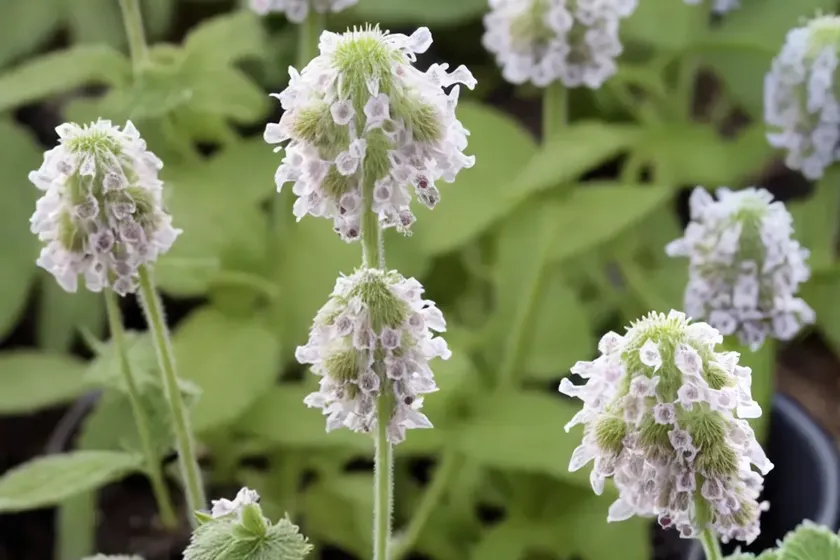
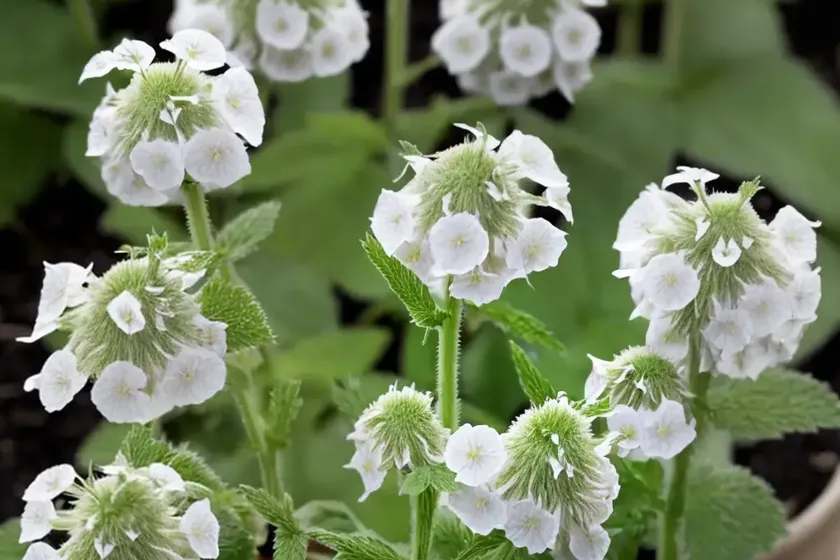
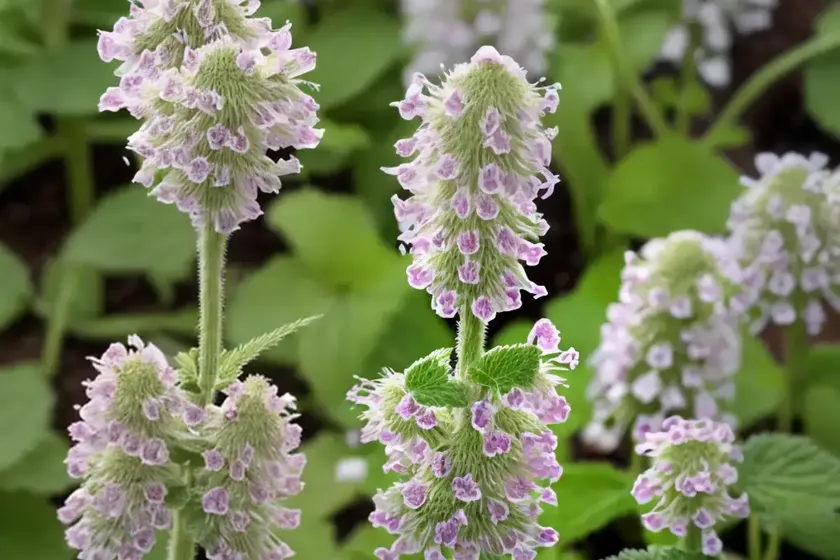
Flowers: ‘White Nancy’ produces clusters of tubular, white flowers that bloom atop the foliage. The delicate, trumpet-shaped blooms add a splash of brightness to the plant and attract pollinators such as bees and butterflies.
-
Growth Habit: This cultivar forms a dense, spreading mat of foliage, creating a lush carpet effect in the garden or landscape. It typically reaches a height of 6 to 8 inches and can spread up to 12 to 24 inches, making it an ideal choice for filling in bare areas and suppressing weeds.
-
Seasonal Changes: Lamium maculatum ‘White Nancy’ exhibits seasonal changes, with its foliage maintaining its variegated appearance throughout the growing season. Additionally, the plant undergoes periodic flowering, adding charm to the landscape.
Now that we have explored the key characteristics of Lamium maculatum ‘White Nancy’, let’s delve into various aspects related to its cultivation, including its growing conditions, care requirements, and uses.
Key Takeaways – Lamium maculatum ‘White Nancy’
Before we explore the details of growing and caring for Lamium maculatum ‘White Nancy’, let’s summarize the key takeaways associated with this versatile groundcover plant.
- Scientific Name: Lamium maculatum ‘White Nancy’
- Family: Lamiaceae
- Common Name: Spotted Dead Nettle
- Foliage: Variegated, heart-shaped leaves
- Flowers: Clusters of tubular, white blooms
- Growth Habit: Low-growing, spreading mat of foliage
- Uses: Groundcover, landscape design, ornamental plant
- Attracts: Pollinators such as bees and butterflies
- Seasonal Changes: Maintains variegated foliage throughout the growing season
- Origin: Native to Europe and Asia
- Adaptability: Well-suited for various growing conditions
- Versatility: Suitable for containers, garden beds, and borders
- Low Maintenance: Minimal pruning and care requirements
Now, let’s delve into the details of cultivating and caring for Lamium maculatum ‘White Nancy’, including its cultural requirements such as water, sunlight, fertilizer, soil, and pruning.
Culture
Cultivating Lamium maculatum ‘White Nancy’ successfully requires understanding its cultural preferences, including its needs for water, sunlight, soil, and fertilizer. Let’s explore each of these aspects in detail.
Water
Lamium maculatum ‘White Nancy’ generally prefers consistent moisture but can tolerate periods of dryness once established. Proper watering is essential, especially during the plant’s establishment phase and periods of drought. Here are some key points to consider:
-
Establishment: Provide regular watering during the first growing season to help the plant develop a strong root system. Aim to keep the soil consistently moist, but not waterlogged, to facilitate healthy growth.
-
Mature Plants: Once the plant is established, it exhibits some degree of drought tolerance, but regular watering during dry spells is beneficial. Water deeply when the top inch of soil feels dry to the touch, ensuring that the root zone receives adequate moisture.
-
Watering Methods: Watering in the morning is generally recommended to allow any excess moisture to evaporate during the day, reducing the risk of fungal diseases. Avoid overhead watering, as it can lead to foliage diseases and detract from the plant’s overall health.
Sunlight
In terms of sunlight requirements, Lamium maculatum ‘White Nancy’ thrives in partial to full shade. While it can tolerate some morning sun, especially in cooler climates, it generally prefers the dappled shade provided by trees or taller shrubs. Here are some considerations related to sunlight:
-
Ideal Conditions: Plant ‘White Nancy’ in locations that receive filtered sunlight or partial shade throughout the day. It can also flourish in areas with full shade, making it an excellent choice for shaded landscapes or woodland gardens.
-
Avoiding Harsh Sun: Intense, direct sunlight can scorch the foliage and cause the plant to wilt. Therefore, it’s crucial to protect ‘White Nancy’ from prolonged exposure to harsh sun, especially in regions with hot summers.
-
Adaptability: ‘White Nancy’ exhibits adaptability to different light conditions, making it an excellent choice for areas with limited sunlight, such as under trees or near north-facing walls.
Fertilizer
When it comes to fertilizer, Lamium maculatum ‘White Nancy’ generally does not require heavy feeding. However, providing some supplemental nutrients can support healthy growth and enhance the plant’s ornamental appeal. Consider the following fertilizer-related tips:
-
Organic Matter: Prior to planting, incorporate organic matter such as compost or well-rotted manure into the soil to improve its fertility and structure. This prepares the ground for optimal growth and minimizes the need for additional fertilization.
-
Minimal Fertilization: ‘White Nancy’ typically thrives without frequent fertilization. However, applying a balanced, slow-release fertilizer in early spring can provide a nutrient boost for the upcoming growing season.
-
Caution with Nitrogen: Avoid excessive nitrogen fertilization, as it can promote lush foliage at the expense of flower production. A balanced fertilizer with a lower nitrogen content is preferable to maintain a balance between foliage and flowering.
For supplementary nutrients, consider using a granular or liquid fertilizer formulated for flowering perennials, applied according to the manufacturer’s recommendations.
Soil
Lamium maculatum ‘White Nancy’ demonstrates adaptability to various soil types but generally thrives in well-draining, fertile soils. Understanding its soil preferences is crucial for ensuring successful cultivation. Consider the following soil-related factors:
-
Well-Draining Soil: ‘White Nancy’ prefers soils with good drainage to prevent waterlogging, which can lead to root rot and other moisture-related issues. Amending heavy or compacted soils with organic matter, such as compost, can improve drainage and aeration.
-
pH Level: The plant is adaptable to a slightly acidic to slightly alkaline soil pH range, typically between 6.0 and 7.5. Conduct a soil test to determine the pH of your garden soil and make adjustments as needed to create an optimal growing environment for ‘White Nancy’.
-
Moisture Retention: While well-draining soils are preferred, it’s essential to maintain adequate moisture retention to support the plant’s growth. Adding a layer of organic mulch around the base of the plant can help moderate soil moisture levels and suppress weed growth.
-
Soil Amendment: If your native soil is sandy or heavy clay, consider amending it with organic matter to improve its texture, nutrient content, and overall health. This sets the stage for healthy growth and vigor in ‘White Nancy’ plants.
Pruning
Pruning plays a vital role in maintaining the shape, vigor, and ornamental appeal of Lamium maculatum ‘White Nancy’. Proper pruning practices can help rejuvenate the plant, promote a bushy growth habit, and prevent it from becoming invasive. Here are some essential pruning tips:
-
Deadheading: Regular deadheading of spent flowers can encourage continuous blooming and prevent the plant from expending energy on seed production. Use clean, sharp pruners to remove faded flowers and promote a neat, tidy appearance.
-
Cutting Back: In early spring, consider cutting back the previous year’s growth to encourage fresh foliage and compact growth. Trimming the plant to a height of 3 to 4 inches stimulates new shoots and promotes a lush, dense habit.
-
Dividing: Over time, ‘White Nancy’ may become dense and crowded, leading to reduced flowering and vigor. Dividing the plant every few years in early spring can rejuvenate its growth and spread, promoting overall health and vitality.
-
Thinning Out: If the plant starts to exhibit overcrowding or begins encroaching on neighboring plants, thin out the foliage by removing excess stems and runners. This enhances airflow, minimizes disease risk, and maintains an attractive appearance.
Propagation
Understanding the methods for propagating Lamium maculatum ‘White Nancy’ enables gardeners to expand their plantings and share this beautiful groundcover with others. Here are some common propagation techniques for ‘White Nancy’:
-
Division: Dividing mature clumps in early spring is one of the most effective propagation methods for ‘White Nancy’. Carefully dig up the plant and use a sharp tool to separate the rhizomes or root sections, ensuring that each division has sufficient roots and foliage.
-
Rooted Stem Cuttings: Taking stem cuttings from healthy, non-flowering shoots in late spring or early summer can yield new plants. Remove the lower leaves from the cuttings, dip the cut ends in rooting hormone, and plant them in a well-draining rooting medium.
-
Seeding: While ‘White Nancy’ can self-seed under favorable conditions, saving and sowing the seeds can also be an effective way to propagate the plant. Start the seeds indoors in early spring or sow them directly in the garden in the fall, providing appropriate care for germination and seedling growth.
-
Propagation Environment: Provide the divisions, cuttings, or seeds with a warm, humid environment and adequate moisture to promote root establishment and new growth. Once the new plants have established, transplant them to their permanent growing locations.
By propagating ‘White Nancy’ through these methods, gardeners can expand their plantings and share the beauty of this groundcover with others.
Container Popularity
Lamium maculatum ‘White Nancy’ is well-suited for container cultivation, offering gardeners the flexibility to bring its beauty to patios, balconies, and other confined spaces. The plant’s adaptability and low-maintenance nature make it an ideal candidate for container gardening. Here are some reasons for its popularity in containers:
-
Compact Growth: ‘White Nancy’ forms a spreading mat of foliage, making it an excellent choice for containers of various sizes. Its low-growth habit and lush appearance create a charming display in containers and hanging baskets.
-
Versatility: The plant’s adaptability to shade and its low water and maintenance requirements make it an excellent option for container gardening in shaded or partially shaded areas, including under trees or on sheltered patios.
-
Landscape Enhancement: Incorporating ‘White Nancy’ in containers offers an opportunity to accentuate outdoor living spaces, patio edges, and garden borders. Its variegated foliage provides visual interest, especially when combined with other shade-loving plants and flowers.
-
Seasonal Displays: Utilize ‘White Nancy’ in containers to create vibrant seasonal displays, using the plant as a base for arrangements with seasonal flowers, ornamental grasses, or trailing vines. This enhances the visual appeal of the plant and allows for creative garden designs.
Due to its adaptability, low maintenance, and ornamental value, ‘White Nancy’ is a popular choice for container gardening, adding charm and beauty to outdoor living spaces.
Now that we have discussed the cultivation and popularity of Lamium maculatum ‘White Nancy’, let’s explore its common uses in landscaping and garden design, including its role as a versatile groundcover.
Common Uses
Lamium maculatum ‘White Nancy’ is valued for its ornamental features, adaptability, and versatility in landscaping and garden design. The plant serves various purposes and can be incorporated into landscapes, garden beds, borders, and containers. Here are some common uses for ‘White Nancy’:
-
Groundcover: ‘White Nancy’ is widely recognized as a groundcover plant, forming a dense, weed-suppressing mat of variegated foliage. Its spreading growth habit allows it to fill in bare areas, control erosion, and create a lush carpet effect in gardens and landscapes.
-
Shaded Landscapes: Due to its preference for partial to full shade, ‘White Nancy’ is an excellent choice for shaded landscapes, woodland gardens, and areas with limited sunlight. Its ability to thrive in shaded conditions makes it a valuable addition to gardens with mature trees or structures that cast shade.
-
Underplanting: Use ‘White Nancy’ as an underplanting beneath trees, shrubs, and taller perennials to fill in bare spaces and provide a visually appealing groundcover. Its variegated foliage and bright white flowers create an attractive contrast against the backdrop of taller plants.
-
Container Gardening: Incorporate ‘White Nancy’ in containers, hanging baskets, and patio planters to enhance outdoor living spaces with its lush, low-growing presence. The plant’s adaptability to containers allows for creative displays and seasonal arrangements.
-
Erosion Control: Due to its spreading growth and dense root system, ‘White Nancy’ can serve as an effective erosion control measure on slopes, banks, and other areas prone to soil erosion. Planting it in these areas helps stabilize the soil and prevent runoff.
-
Edging and Borders: Utilize ‘White Nancy’ to edge garden beds, pathways, and borders, emphasizing its low, spreading habit and ornamental foliage. The plant creates a visually pleasing border and can be paired with other low-growing perennials for a cohesive garden design.
-
Weed Suppression: When planted densely, ‘White Nancy’ can act as a natural weed suppressant, outcompeting unwanted vegetation and helping to maintain a weed-free garden or landscape bed.
By incorporating ‘White Nancy’ in these various uses, gardeners can take advantage of its ornamental qualities and adaptability, enhancing the aesthetic appeal and functionality of their outdoor spaces.
Now that we have explored the uses of Lamium maculatum ‘White Nancy’, let’s delve into its disease resistance, common pests, and considerations for disease prevention.
Disease and Pest Considerations
Lamium maculatum ‘White Nancy’ exhibits a good degree of disease resistance and can withstand most common garden pests. However, it’s essential to be mindful of potential issues and take proactive measures to maintain the plant’s health. Let’s explore disease diagnosis, common pests, and disease prevention tips for ‘White Nancy’.
Disease Diagnosis
When it comes to disease diagnosis, familiarizing yourself with common plant diseases and their symptoms empowers you to address issues promptly. While ‘White Nancy’ is generally robust, it can occasionally encounter the following diseases:
-
Powdery Mildew: This fungal disease appears as a white, powdery coating on the leaves, typically in humid conditions. In the case of ‘White Nancy’, inadequate air circulation and prolonged leaf wetness can contribute to powdery mildew development.
-
Root Rot: Excessive soil moisture and poor drainage can lead to root rot, causing the plant to exhibit wilting, yellowing foliage, and a decline in overall health. Prolonged wet conditions, especially in compacted or poorly drained soils, can contribute to this issue.
-
Leaf Spot: Leaf spot diseases manifest as dark, water-soaked spots on the foliage, potentially leading to leaf yellowing and drop. While ‘White Nancy’ is relatively resistant to leaf spot, it’s essential to monitor for any signs of foliage abnormalities.
Common Pests
While ‘White Nancy’ is generally resistant to most pests, it may occasionally encounter the following common garden insects:
-
Aphids: These soft-bodied insects can cluster on the foliage, sucking plant juices and causing leaf distortion. Regular monitoring and the use of insecticidal soap can help keep aphid populations in check.
-
Spider Mites: Spider mites are tiny arachnids that can cause stippled, discolored foliage and webbing on the plant. Maintaining adequate moisture and humidity levels can help deter spider mite infestations.
-
Slugs and Snails: These voracious pests can damage the foliage of ‘White Nancy’, particularly in moist, shaded areas. Employing baits, traps, or natural predators can help manage slug and snail populations.
Disease Prevention
Preventive measures play a crucial role in maintaining the health and vigor of Lamium maculatum ‘White Nancy’. Here are some disease prevention tips for promoting the plant’s well-being:
-
Cultural Practices: Implement proper cultural practices, including providing adequate air circulation, avoiding overwatering, and maintaining a clean garden environment. These practices help reduce the risk of fungal diseases and pest infestations.
-
Well-Draining Soil: Ensure that the plant is grown in well-draining soil to prevent waterlogged conditions that can lead to root rot and other moisture-related issues.
-
Mulching: Apply a layer of mulch around the base of ‘White Nancy’ to moderate soil moisture levels, suppress weeds, and reduce the risk of soil-borne diseases.
-
Regular Inspection: Conduct regular inspections of the plant for any signs of disease, pest activity, or abnormal growth. Early detection allows for prompt intervention and management of potential issues.
By following these disease prevention measures, gardeners can help ‘White Nancy’ remain healthy and resilient, minimizing the risk of diseases and pest-related challenges.
Botanist’s Tips
As a botanist, I would like to share some additional insights and tips for cultivating and enjoying Lamium maculatum ‘White Nancy’ in your garden or landscape. These tips are designed to enhance your understanding of the plant and optimize its growth and ornamental value.
Fun Facts
-
Wildlife Attraction: ‘White Nancy’ has the potential to attract pollinators such as bees and butterflies with its nectar-rich flowers, contributing to the ecological diversity of your garden.
-
Medicinal and Culinary Uses: While ‘White Nancy’ is primarily grown for ornamental purposes, some Lamium species have historical uses in herbal medicine and culinary applications. However, it’s essential to consult reliable sources for guidance on any potential uses.
-
Versatility: The plant’s adaptability to various light conditions, low water needs, and lush foliage make it an excellent choice for both novice and experienced gardeners seeking an attractive, low-maintenance groundcover.
Links to External Resources
For more in-depth information on Lamium maculatum ‘White Nancy’ and related topics, consider exploring the following external resources:
-
The Royal Horticultural Society – Lamium maculatum ‘White Nancy’: This authoritative resource offers detailed information on the characteristics and cultivation of ‘White Nancy’, including its growing conditions and uses.
-
**[Missouri Botanical Garden – Lamium mac


