Lamium Maculatum ‘Beacon Silver’ (Spotted Dead Nettle)
Lamium maculatum, commonly known as Spotted Dead Nettle, is a versatile and attractive perennial plant. Its variety, ‘Beacon Silver,’ is particularly.
Introduction
Lamium maculatum, commonly known as Spotted Dead Nettle, is a versatile and attractive perennial plant. Its variety, ‘Beacon Silver,’ is particularly popular for its unique foliage and beautiful flowers. This guide will provide an in-depth look at the characteristics, cultivation, uses, and maintenance of Lamium maculatum ‘Beacon Silver.’
Key Takeaways – Lamium maculatum ‘Beacon Silver’ (Spotted Dead Nettle)
Culture
- Scientific Name: Lamium maculatum ‘Beacon Silver’
- Common Name: Spotted Dead Nettle
- Family: Lamiaceae
- Origin: Europe and Western Asia
- Type: Herbaceous Perennial
Uses
- Landscape: Ground cover, borders, mass plantings
- Gardens: Shade gardens, wildlife gardens, rock gardens
- Containers: Suitable for container gardening
- Medicinal: Traditional medicinal uses
Water
- Watering Frequency: Regular, well-drained soil
Sunlight
- Sun Exposure: Partial to full shade
- Tolerance: Moderate drought tolerance
Fertilizer
- Needs: Low to moderate; prefers organic fertilizers
Soil
- Type: Moist, well-drained, slightly acidic
- Texture: Tolerant of various soil types
Pruning
- Maintenance: Low; occasional deadheading to promote blooming
Propagation
- Methods: Division, seeds, cuttings
- Ease: Relatively easy
Container Popularity
- Suitability: Well-suited for containers
- Aesthetic Value: Attractive foliage in containers
Common Diseases
- Resilience: Generally disease-resistant
- Issues: Rare instances of powdery mildew
Disease Diagnosis
- Symptoms: White, powdery spots on leaves
- Prevention: Adequate air circulation, proper watering
Common Pests
- Resilience: Generally pest-resistant
- Potential Pests: Aphids, spider mites (rare occurrences)
Botanist’s Tips
- Companion Plants: Hostas, ferns, Heuchera
- Wildlife Interaction: Attracts pollinators, beneficial for wildlife habitat
- Seasonal Care: Evergreen foliage, some winter care required
Fun Facts
- Foliage Color: Silver and green variegated leaves
- Flower Characteristics: Showy, tubular, pink-purple blooms
- Wildlife Habitat: Provides cover and forage for wildlife
Characteristics of Lamium maculatum ‘Beacon Silver’
Lamium maculatum ‘Beacon Silver’ is a striking ground cover plant that displays the following characteristics:
Foliage
The plant features heart-shaped, variegated leaves with a distinctive silver and green pattern. The foliage is semi-evergreen, providing interest throughout the year.
Flowers
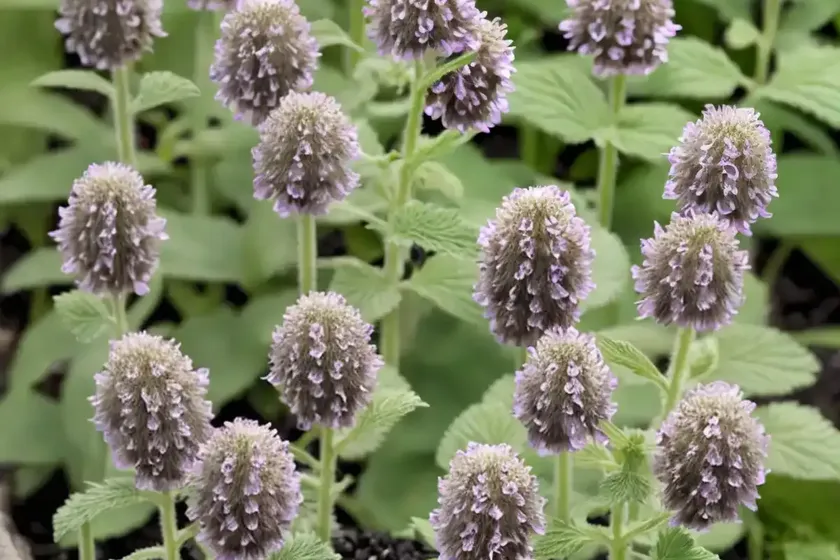
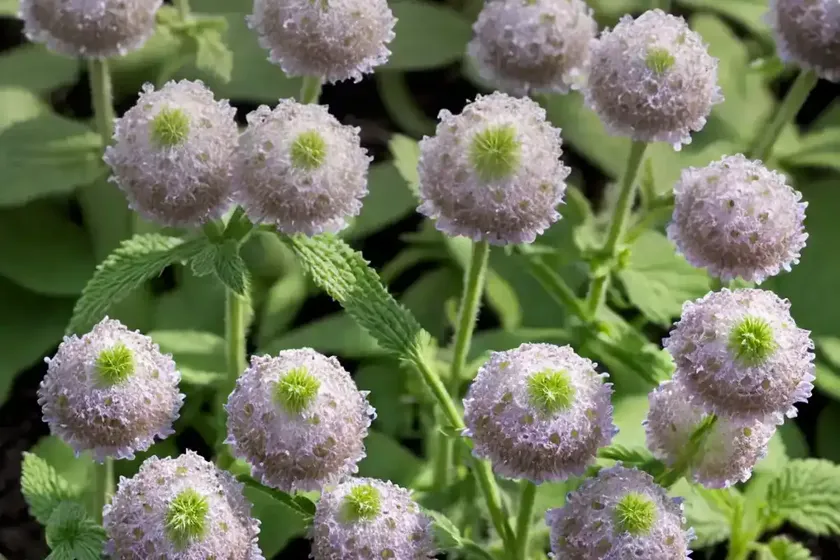
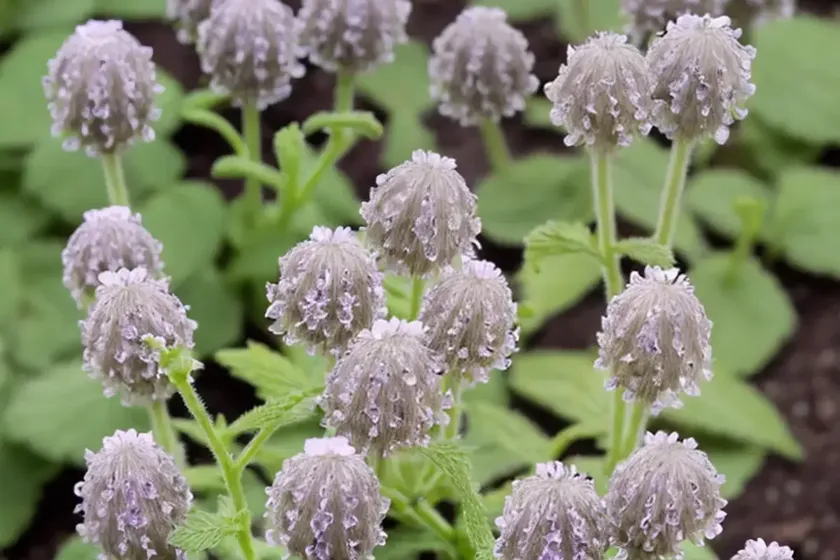
In late spring to early summer, ‘Beacon Silver’ produces clusters of small, tubular, pink-purple flowers. These blooms are attractive to pollinators and add a burst of color to shaded areas.
Size
The mature size of ‘Beacon Silver’ typically reaches 6-12 inches in height with a spread of 12-24 inches, making it an ideal option for ground cover and border plantings.
Growth Rate
This plant has a moderate growth rate, gradually spreading to form a lush carpet of foliage.
Foliage Color
Best Conditions for Growing Lamium maculatum ‘Beacon Silver’
Sun Exposure: Lamium maculatum ‘Beacon Silver’ prefers partial to full shade. It can tolerate some morning sun but benefits from protection from intense afternoon sunlight.
Soil Type: Well-drained, moist soil is essential for the health of ‘Beacon Silver.’ While it can adapt to various soil types, it thrives in moderately acidic conditions.
Watering: Although moderately drought-tolerant once established, regular watering is crucial, especially during hot and dry periods. Well-drained soil helps prevent waterlogging, which can be detrimental to its growth.
Fertilization: ‘Beacon Silver’ does not have high fertilizer needs. However, applying a balanced, organic fertilizer in spring can promote healthy growth and blooming.
How to Propagate Lamium maculatum ‘Beacon Silver’
Lamium maculatum ‘Beacon Silver’ can be propagated through various methods, and each has its own set of requirements and benefits.
Propagation Methods
- Division: Divide mature clumps in early spring or early fall, ensuring each division has enough roots and shoots to establish itself.
- Seeds: Collect seeds from mature plants and sow them in a prepared seedbed. Ensure consistent moisture for successful germination.
- Cuttings: Take cuttings from healthy, non-flowering shoots and root them in a well-draining medium. Keep the cuttings consistently moist until they develop roots.
Ease of Propagation
‘Beacon Silver’ is relatively easy to propagate, making it a suitable option for gardeners looking to expand their plantings or share it with others.
Lamium maculatum ‘Beacon Silver’ as Ground Cover
Benefits of Planting Spotted Dead Nettle
- Erosion Control: Its spreading growth habit makes it effective for preventing soil erosion on slopes and banks.
- Aesthetic Appeal: The variegated foliage and colorful blooms add visual interest to any garden or landscape.
- Wildlife Support: As a pollinator attractor, it helps support beneficial insects and other wildlife in the garden.
- Low Maintenance: Once established, ‘Beacon Silver’ requires minimal maintenance, making it ideal for low-maintenance gardens.
Landscape Uses
- Ground Cover: ‘Beacon Silver’ forms a dense mat of foliage, making it an excellent ground cover for shaded areas.
- Borders: Its low-growing habit and attractive foliage make it a great option for border plantings in shade gardens.
- Rock Gardens: The low, spreading growth and attractive foliage make it a natural fit for rock gardens and woodland settings.
Growing Lamium maculatum ‘Beacon Silver’ in Containers
Container Suitability
‘Beacon Silver’ is well-suited for container gardening due to its:
- Compact Size: The plant’s modest height and spreading habit make it a perfect fit for various container sizes.
- Attractive Foliage: The silver and green variegated leaves add visual appeal to container plantings.
- Low Maintenance: It requires minimal care once established, making it suitable for container gardening, even for less experienced gardeners.
Container Size and Soil
- Container Size: Choose containers with sufficient drainage holes that are at least 12 inches in diameter to accommodate its growth.
- Soil: Use well-draining, high-quality potting mix to provide the right growing conditions for ‘Beacon Silver’ in containers.
Lamium maculatum ‘Beacon Silver’ Drought Tolerance
While ‘Beacon Silver’ can withstand periods of drought once established, consistent watering is crucial, especially during prolonged dry spells. Adequate moisture helps maintain its vigor and promotes healthy growth and blooming.
Spotted Dead Nettle Ground Cover Options
Ground Cover Alternatives
In addition to ‘Beacon Silver,’ there are other Lamium maculatum varieties and similar ground cover plants that can be considered for creating lush, low-maintenance landscapes and gardens. Some options include:
- Lamium maculatum ‘White Nancy’: This variety features silvery foliage and white blooms, providing a bright contrast in shaded areas.
- Ajuga reptans (Bugleweed): With its colorful foliage and low growth habit, it is an excellent alternative for ground cover in shaded locations.
- Vinca minor (Common Periwinkle): This trailing plant with evergreen foliage and blue-purple flowers is a classic choice for ground cover in various conditions.
Lamium maculatum ‘Beacon Silver’ Companion Plants
Suitable Companions
Choosing the right companion plants can enhance the aesthetic appeal and ecological value of ‘Beacon Silver.’ Consider these options:
- Hostas: The bold foliage of hostas complements the variegated leaves of ‘Beacon Silver,’ creating a visually appealing combination in shade gardens.
- Ferns: The feathery foliage of ferns provides a textural contrast and a natural look when planted alongside ‘Beacon Silver.’
- Heuchera (Coral Bells): These perennial plants offer a wide range of colors and add diversity to the plantings with their attractive foliage and delicate blooms.
Lamium maculatum ‘Beacon Silver’ in Shade Gardens
Shade Garden Placement
‘Beacon Silver’ is well-suited for shade gardens and woodland settings due to its:
- Adaptability: It thrives in the dappled light of tree canopies and under taller shrubs.
- Foliage Contrast: The silver variegation stands out in the shade, adding visual interest and brightness to areas with less sunlight.
- Wildlife Attraction: Its blooms and foliage attract pollinators and contribute to the biodiversity of shade gardens.
Spotted Dead Nettle as a Pollinator Attractor
‘Beacon Silver’ serves as a valuable resource for pollinators in gardens and landscapes. Its nectar-rich flowers attract bees, butterflies, and other beneficial insects, contributing to the overall ecological balance and health of the garden.
Lamium maculatum ‘Beacon Silver’ Soil Requirements
Soil Preference
‘Beacon Silver’ thrives in well-drained, slightly acidic soil. When planting or transplanting, ensure the soil is of good quality, with adequate moisture retention without becoming waterlogged.
Adaptability to Different Soil Types
While it prefers well-drained, slightly acidic soil, ‘Beacon Silver’ can tolerate a range of soil types, including clay and loamy soils, as long as they are not overly compacted or waterlogged.
Lamium maculatum ‘Beacon Silver’ Pest Control
Pest Resistance
‘Beacon Silver’ is generally resilient against pests; however, occasional pest-related issues may arise. Common pests to monitor include:
- Aphids: These small, sap-sucking insects can sometimes affect the new growth of ‘Beacon Silver.’
- Spider Mites: While less common, spider mites may cause tiny webbing and stippling on the leaves, especially during hot and dry conditions.
Prevention and Management
- Aphid Control: Regularly inspect the plant and use a strong blast of water to dislodge aphids. Ladybugs and other beneficial insects can also help keep aphid populations in check.
- Spider Mite Management: Ensure adequate humidity and moisture to deter spider mite infestations. In severe cases, consider horticultural oil or insecticidal soap as a control measure.
Spotted Dead Nettle for Erosion Control
‘Beacon Silver’ is an effective choice for erosion control on slopes and banks. Its spreading growth habit and dense foliage help stabilize the soil and reduce the risk of erosion, making it a valuable addition to landscaping projects with such needs.
Lamium maculatum ‘Beacon Silver’ Pruning Tips
Maintenance Pruning
Pruning ‘Beacon Silver’ is minimal, primarily focused on:
- Deadheading: Periodically remove spent blooms to encourage continuous flowering throughout the season.
- Containment: As needed, trim back any wandering or overly vigorous growth to maintain the desired shape and prevent it from encroaching into unwanted areas.
Lamium maculatum ‘Beacon Silver’ Hardiness Zones
‘Beacon Silver’ is well-suited for hardiness zones 3-8, where it can thrive and provide reliable performance, even during cold winters and warm summers. However, local climatic conditions and microclimates should always be considered when determining its suitability for specific locations.
Spotted Dead Nettle Medicinal Uses
Traditional Medicinal Benefits
Lamium maculatum, including the ‘Beacon Silver’ variety, has been used in traditional herbal medicine for various purposes, including:
- Wound Healing: The leaves have been applied topically to aid in wound healing due to their astringent properties.
- Anti-Inflammatory: In some traditional practices, it has been used to help reduce inflammation in certain conditions.
- Mouthwash: The plant has been utilized to prepare mouthwash, often for its astringent and cleansing properties.
It is important to note that the medicinal use of any plant should be approached with caution and under the guidance of qualified healthcare professionals.
Lamium maculatum ‘Beacon Silver’ Foliage Color
Variegated Foliage
The variegated leaves of ‘Beacon Silver’ display a striking contrast with their silvery markings against the vibrant green background. This unique foliage coloration adds visual interest to shaded areas and complements other plants in the landscape.
Lamium maculatum ‘Beacon Silver’ Native Habitat
Natural Habitat
Lamium maculatum is native to Europe and Western Asia, where it thrives in woodland settings, hedgerows, and other partially shaded areas. Its adaptation to such environments makes it an excellent fit for shaded gardens and naturalistic landscapes.
Spotted Dead Nettle Ground Cover Alternatives
Diverse Planting Options
In addition to ‘Beacon Silver,’ gardeners can consider the following alternatives for ground cover options, each with unique characteristics and benefits:
- Lamium maculatum ‘Pink Pewter’: This variety features pink flowers and silver foliage, offering a lovely color option for shaded plantings.
- Tiarella cordifolia (Foamflower): With its delicate, foam-like blooms and attractive foliage, it makes an appealing choice for woodland gardens and rockeries.
- Epimedium (Bishop’s Hat): This low-growing perennial features distinctive, heart-shaped leaves and delicate flowers, adding elegance to shaded landscapes.
Lamium maculatum ‘Beacon Silver’ Water Requirements
Adequate Moisture
While ‘Beacon Silver’ exhibits moderate drought tolerance once established, it requires consistent moisture, especially during the active growing season. Adequate watering supports healthy foliage and flowering, contributing to its overall vigor and attractiveness.
Lamium maculatum ‘Beacon Silver’ Growth Rate
Moderate Growth Habit
‘Beacon Silver’ is characterized by a moderate growth rate, gradually spreading to form a lush ground cover with its attractive foliage and occasional blooms. This steady growth allows it to fill in garden spaces without becoming invasive.
Spotted Dead Nettle for Wildlife Gardens
Ecological Value
In wildlife gardens and naturalistic landscapes, ‘Beacon Silver’ serves as a valuable resource, supporting various wildlife species by:
- Attracting Pollinators: The nectar-rich blooms draw bees, butterflies, and other pollinators, contributing to the ecological balance of the garden.
- Providing Cover: The dense, spreading foliage offers shelter and protection for small creatures, contributing to the overall biodiversity of the habitat.
Lamium maculatum ‘Beacon Silver’ Flower Characteristics
Showy Blooms
‘Beacon Silver’ produces clusters of small, tubular, pink-purple flowers, adding a pop of color to shaded areas. These blooms are attractive to pollinators and contribute to the charm and seasonal interest of the plant.
Lamium maculatum ‘Beacon Silver’ Winter Care
Seasonal Considerations
While ‘Beacon Silver’ features semi-evergreen foliage, some winter care can help maintain its health and appearance:
- Mulching: Applying a layer of organic mulch around the base of the plant can help protect the root system and conserve moisture during colder months.
- Pruning: In late winter or early spring, consider light pruning to remove any damaged or dead foliage, promoting a tidy appearance for the upcoming growing season.
Spotted Dead Nettle in Rock Gardens
Rock Garden Suitability
‘Beacon Silver’ is a natural fit for rock gardens due to its:
- Low-Growing Habit: Its spreading growth and compact stature make it well-suited for covering ground and cascading over rock surfaces.
- Variegated Foliage: The silver and green leaves add visual interest and contrast to the stony features of rock gardens.
- Shade Tolerance: Its preference for partial to full shade aligns with the dappled light often found in rock garden settings.
Lamium maculatum ‘Beacon Silver’ Leaf Shape
Characteristic Foliage
The heart-shaped leaves of ‘Beacon Silver’ are especially eye-catching due to their variegated coloration and serve as a defining visual feature of the plant, adding elegance and texture to shaded landscapes.
Lamium maculatum ‘Beacon Silver’ Container Gardening
Container Planting Benefits
‘Beacon Silver’ offers numerous advantages for container gardening enthusiasts, including:
- Compact Size: Its modest height and spreading growth habit make it well-suited for various container sizes, from small pots to large planters.
- Aesthetic Value: The variegated foliage contrasts beautifully with the container and provides visual interest.
- Low Maintenance: Once established, it requires minimal care, making it an excellent choice for container plantings in shaded areas.
Spotted Dead Nettle as a Border Plant
Border Placement
‘Beacon Silver’ is an excellent option for border plantings, offering the following benefits:
- Ground Cover: Its spreading growth creates a lush carpet of foliage, making it an attractive and functional border plant.
- Foliage Contrast: The variegated leaves provide visual interest and a vivid border definition in shade gardens.
- Pollinator Attraction: Its blooms attract pollinators, contributing to the biodiversity and ecological value of the border plantings.
Lamium maculatum ‘Beacon Silver’ Plant Size
Mature Dimensions
When fully developed, ‘Beacon Silver’ typically reaches a height of 6-12 inches and a spread of 12-24 inches, forming a dense mat of foliage that effectively covers the ground and borders, providing an attractive and functional element in landscaping designs.
Lamium maculatum ‘Beacon Silver’ Sun Exposure
Sunlight Requirements
‘Beacon Silver’ prefers partial to full shade and benefits from protection against intense afternoon sun. It can adapt to some morning sun, but consistent shade is ideal for maintaining its vigor and appearance.
Spotted Dead Nettle Ground Cover Maintenance
Low-Maintenance Care
‘Beacon Silver’ is well-regarded for its low-maintenance requirements, needing only occasional attention, including:
- Deadheading: Periodic removal of spent blooms to encourage continuous flowering.
- Containment: Trimming back any excess growth to maintain the desired shape and prevent it from encroaching into unwanted areas.
Lamium maculatum ‘Beacon Silver’ Transplanting Tips
Transplant Considerations
When transplanting ‘Beacon Silver’ or introducing it to a new location, consider the following tips to ensure successful establishment:
- Timing: Optimal times for transplanting are early spring or early fall


