Lamium Maculatum ‘Pink Pewter’ (Spotted Dead Nettle)
Plants play an integral role in our ecosystem, contributing to the environment’s beauty, structure, and functionality. Among the diverse array of plant.
Introduction
Plants play an integral role in our ecosystem, contributing to the environment’s beauty, structure, and functionality. Among the diverse array of plant species, Lamium maculatum ‘Pink Pewter’, commonly known as Spotted Dead Nettle, stands out for its remarkable characteristics and versatility. In this comprehensive guide, we will explore everything you need to know about this captivating plant, from its cultural requirements to its role in landscaping and its potential medicinal uses.
What is Lamium maculatum ‘Pink Pewter’ (Spotted Dead Nettle)?
Lamium maculatum, belonging to the Lamiaceae family, is an herbaceous perennial native to Europe and Western Asia. ‘Pink Pewter’, a cultivated variety of Lamium maculatum, is highly regarded for its ornamental value in gardens and landscapes. With its distinct foliage and delicate flowers, this plant has become a popular choice for gardeners seeking a low-maintenance groundcover with aesthetic appeal.
The Spotted Dead Nettle received its common name due to the resemblance of its leaves to stinging nettles, despite being in a completely different family. However, Lamium maculatum does not possess the stinging hairs characteristic of true nettles, making it a safe and attractive option for landscaping.
Key Takeaways – Lamium maculatum ‘Pink Pewter’ (Spotted Dead Nettle)
Before delving into the specifics of caring for Lamium maculatum ‘Pink Pewter’, let’s summarize some key takeaways about this intriguing plant:
-
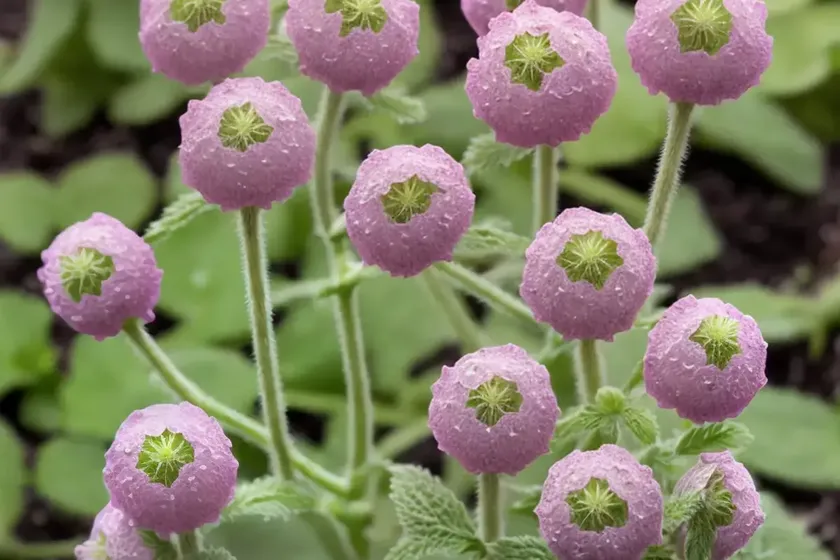
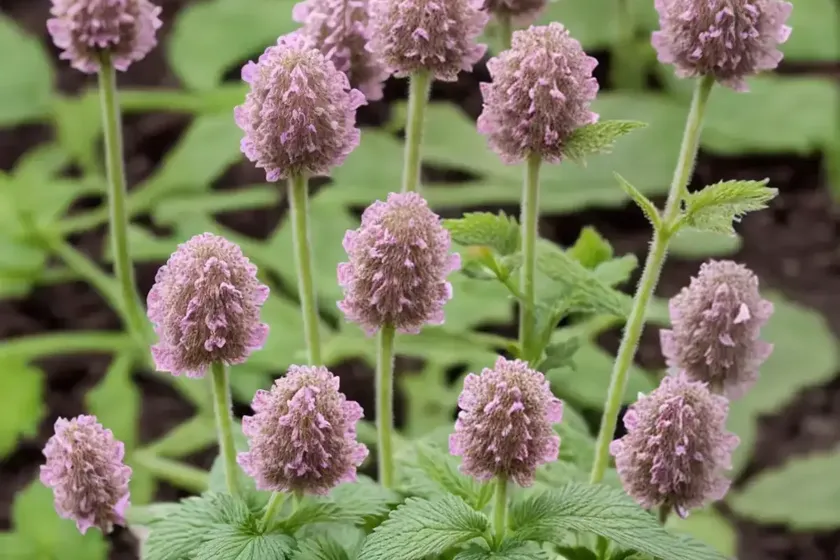
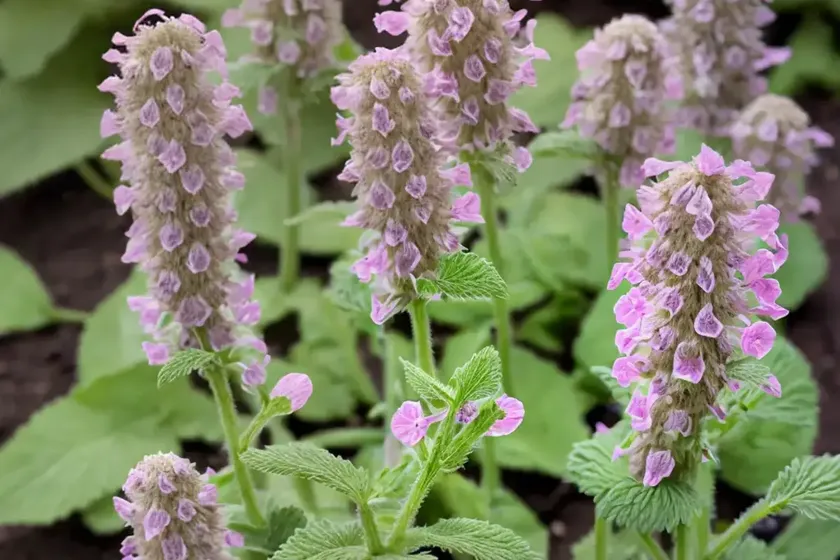
Description: Lamium maculatum ‘Pink Pewter’ is a herbaceous perennial with variegated green and silver leaves, accented by delicate pink flowers. The foliage forms a dense mat, making it an excellent groundcover option in gardens.
-
Cultural Requirements: This plant thrives in moist, well-drained soil and is well-suited to partial to full shade environments. It is relatively low-maintenance and can tolerate various soil types.
-
Propagation: Spotted Dead Nettle can be propagated through division or stem cuttings, allowing for easy expansion of its presence in the garden.
-
Uses: Beyond its ornamental value, Lamium maculatum ‘Pink Pewter’ has potential medicinal uses and attracts pollinators, contributing to the overall biodiversity of the garden.
Now, let’s explore each of these aspects in detail to gain a comprehensive understanding of how to cultivate and appreciate this beautiful plant.
Culture
Water
Proper watering is essential for the health and vigor of Lamium maculatum ‘Pink Pewter’. While it thrives in moist soil, it is important to avoid waterlogged conditions, as excessive moisture can lead to root rot. It is best to water this plant when the soil feels dry to the touch, ensuring the water penetrates the root zone effectively.
Sunlight
Spotted Dead Nettle performs admirably in partial to full shade, making it an excellent choice for shaded areas in the garden. However, it can tolerate some dappled sunlight, particularly in cooler climates. In regions with intense summer heat, providing shade during the hottest part of the day can help prevent leaf scorch and maintain the plant’s vitality.
Fertilizer
When it comes to fertilization, Lamium maculatum ‘Pink Pewter’ is not particularly demanding. A balanced, general-purpose fertilizer applied in spring as new growth emerges can provide the necessary nutrients for healthy development. It is important not to over-fertilize, as excessive nitrogen can lead to lush foliage at the expense of flower production.
Soil
This plant thrives in well-drained soil with a slightly acidic to neutral pH. While it is adaptable to different soil types, including loamy and sandy soils, ensuring good drainage is crucial to prevent waterlogging. Amending the soil with organic matter such as compost can improve its structure and fertility, promoting optimal growth of Spotted Dead Nettle.
Pruning
Prune this plant in early spring to remove any damaged or dead foliage from the previous season and promote fresh growth.
Propagation
Division
Dividing established clumps of Lamium maculatum_ ‘Pink Pewter’_ is a simple and effective method of propagation. This can be done in early spring or fall by carefully digging up the clump and separating it into smaller sections, each with viable roots and shoots. These divisions can then be replanted in suitable locations, ensuring adequate moisture and protection during the establishment phase.
Stem Cuttings
Taking stem cuttings in late spring or early summer is another viable way to propagate Lamium maculatum_ ‘Pink Pewter’. Select healthy, non-flowering stems and trim them to a suitable length, typically 4-6 inches. Remove the lower leaves, dip the cut ends in rooting hormone, and plant them in a well-draining rooting medium. With consistent moisture and indirect light, these cuttings can develop roots within a few weeks, eventually growing into new plants.
Container Popularity
Lamium maculatum ‘Pink Pewter’ is well-suited for container growing, particularly in shaded or partially shaded areas. Its cascading habit and attractive foliage make it an appealing choice for adding visual interest to outdoor living spaces, patios, and balconies. When cultivating Spotted Dead Nettle in containers, ensure proper drainage and provide regular water and shade as needed to maintain its health and vigor.
Common Diseases
Disease Diagnosis
Spotted Dead Nettle is relatively resistant to diseases, particularly when grown in favorable conditions. However, it may occasionally encounter issues such as powdery mildew, especially in humid environments with poor air circulation. Proper spacing, adequate moisture management, and avoiding overhead watering can help prevent the onset of fungal diseases.
Common Pests
Botanist’s Tips
Lamium maculatum‘Pink Pewter’ is generally resistant to most pest infestations. However, it can occasionally attract aphids and spider mites, particularly in dry or stressed conditions. Regular monitoring of the plant for early signs of pest presence, such as distorted growth or webbing, can aid in promptly addressing and controlling any infestations. Additionally, natural predators such as ladybugs and lacewings can contribute to pest control in the garden.
Fun Facts
- Lamium maculatum‘Pink Pewter’ is commonly used as a groundcover to suppress weed growth and add visual appeal to shaded areas, making it a valuable asset in landscaping.
- This plant is a favorite among pollinators, including bees and butterflies, contributing to the biodiversity and ecological balance of the garden.
- In some traditional herbal medicine practices, certain parts of Spotted Dead Nettle have been used for their potential medicinal properties, although further research is needed to validate these claims.
Links to External Resources
- The Royal Horticultural Society – Lamium maculatum
- University of Wisconsin-Madison Extension – Spotted Dead Nettle
- Missouri Botanical Garden – Lamium maculatum
In conclusion, Lamium maculatum ‘Pink Pewter’ (Spotted Dead Nettle) stands as a versatile and visually appealing plant that holds great potential for both ornamental and ecological purposes. Its low-maintenance nature, adaptability to shade, and potential medicinal properties make it a valuable addition to diverse garden settings.
Through proper cultural practices, such as suitable watering, optimal sunlight, and occasional pruning, gardeners can foster the health and beauty of this plant while enjoying its ornamental and ecological benefits. Whether as a groundcover, container plant, or pollinator-friendly species, Lamium maculatum ‘Pink Pewter’ exemplifies the intersection of beauty, functionality, and biodiversity in the garden landscape.


