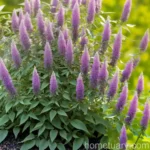
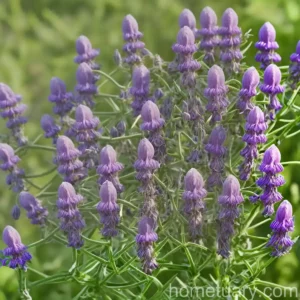
Kowha (Sophora Prostrata Buchanan): A Unique and Beautiful Plant
Plants have always fascinated humans with their diversity and significance in the ecosystem. One such plant that captures attention with its beauty and cultural importance is the Kowha (Sophora Prostrata Buchanan). In this comprehensive guide, we will delve into the various aspects of the Kowha plant, from its cultural significance to its care and maintenance. Let’s explore the world of the Kowha plant, including its characteristics, cultivation, and its uses in different contexts.
What is the Kowha Plant?
The Kowha, scientifically known as Sophora Prostrata Buchanan, is a species of small tree or shrub native to New Zealand and the Chatham Islands. It belongs to the Fabaceae family, commonly referred to as the pea family. The Kowha is renowned for its striking, vibrant flowers and is highly valued in Maori culture for its aesthetically pleasing appearance and traditional uses.
Key Takeaways – Kowha (Sophora Prostrata Buchanan)
Before we delve into the details, let’s outline some key takeaways about the Kowha plant:
- Scientific Name: Sophora Prostrata Buchanan
- Family: Fabaceae
- Common Name: Kowhai
- Native Habitat: New Zealand and the Chatham Islands
- Cultural Significance: Important in Maori culture and traditions
- Characteristics: Vibrant yellow flowers, small tree or shrub
- Uses: Ornamental, traditional medicine, wildlife attraction
Now that we have an overview of the Kowha plant, let’s explore its cultivation and care requirements to ensure its successful growth in various settings.
Cultivation of Kowha (Sophora Prostrata Buchanan)
Cultivating the Kowha plant requires careful attention to its specific needs, including water, sunlight, fertilizer, soil, and pruning. By understanding these requirements, plant enthusiasts can successfully grow and enjoy the beauty of the Kowha.
1. Water
- Watering Needs: The Kowha plant generally prefers moderate watering, especially during the growing season. It is important to ensure that the soil is well-draining to prevent waterlogging, which can be detrimental to the plant’s health.
- Watering Tips: During the establishment phase, regular watering is essential to promote root development. Once established, the plant can withstand brief periods of drought, but consistent moisture is still beneficial for optimal growth and flowering.
2. Sunlight
- Sunlight Requirements: The Kowha plant thrives in full sun to partial shade conditions. Adequate sunlight is crucial for robust flower production and overall plant vigor.
- Sunlight Tips: When choosing the planting location, ensure that the Kowha receives sufficient sunlight, especially in regions with cooler climates where maximizing sun exposure is essential for its growth and flowering.
3. Fertilizer
- Fertilization: A balanced, slow-release fertilizer can be applied during the growing season to provide essential nutrients for the Kowha plant’s development and flowering.
- Fertilizer Tips: Avoid excessive fertilization, as it may lead to lush foliage growth at the expense of flower production. Follow the recommended application rates and timings for optimal results.
4. Soil
- Soil Type: Well-draining, slightly acidic to neutral soils are ideal for the Kowha plant. It is important to ensure good soil aeration and drainage to prevent waterlogged conditions.
- Soil Preparation: Before planting, it is advisable to amend the soil with organic matter to improve its structure and fertility, creating an optimal environment for the plant’s root development.
5. Pruning
- Pruning Techniques: Regular pruning can help shape the plant, remove dead or damaged branches, and encourage new growth and flowering.
- Pruning Tips: Prune the Kowha plant after the flowering period to maintain its desired form and size. Avoid heavy pruning close to the winter months to prevent potential frost damage to the new growth.
Propagation of Kowha (Sophora Prostrata Buchanan)
Propagating the Kowha plant can be an exciting endeavor for plant enthusiasts who wish to expand their collection or share the beauty of this species with others. There are several propagation methods that can be employed to grow new Kowha plants.
- Seed Propagation: Kowha seeds can be collected and sown in suitable growing media, following specific germination requirements such as scarification to promote seed coat permeability.
- Cutting Propagation: Semi-hardwood cuttings taken during the growing season can be propagated using a rooting hormone and suitable growing conditions to encourage root development.
- Grafting: Grafting Kowha onto compatible rootstocks can be an effective method to propagate specific varieties and maintain desirable traits.
By employing these propagation methods, plant enthusiasts can expand the cultivation of Kowha plants and share their beauty with others.
Kowha (Sophora Prostrata Buchanan) in Containers
The Kowha plant can thrive in containers, making it a versatile option for gardeners with limited space or those seeking to create vibrant potted displays. When growing the Kowha in containers, certain considerations should be taken into account to ensure its optimal growth and well-being.
- Container Size: Choose a container that provides ample room for the Kowha’s root development while considering its mature size. A well-sized container promotes healthy growth and reduces the need for frequent repotting.
- Drainage: Ensure that the container has adequate drainage holes to prevent waterlogging, as proper drainage is crucial for the plant’s overall health.
- Soil: Select a well-draining potting mix suitable for woody plants, ensuring good aeration and nutrient availability for the Kowha’s root system.
- Watering: Container-grown Kowha plants may require more frequent watering, especially during periods of high temperatures, to prevent the soil from drying out completely.
- Sunlight: Place the container in a location that provides the optimal sunlight requirements for the Kowha plant, ensuring it receives sufficient light for healthy growth and flowering.
By considering these factors, enthusiasts can successfully grow Kowha plants in containers, adding beauty and vibrancy to their outdoor or indoor spaces.
Popularity of Kowha (Sophora Prostrata Buchanan)
The Kowha plant has gained popularity not only for its ornamental value but also for its cultural significance and ecological importance. Its vibrant flowers and suitability for various growing conditions have contributed to its widespread appeal among gardening enthusiasts. Furthermore, its value in traditional medicine and as a wildlife attractant adds to its overall desirability.
Common Uses of Kowha Plant
The Kowha plant holds significance in various contexts, each adding to its appeal and value. Let’s delve into some common uses of the Kowha plant:
- Ornamental Value: The Kowha’s vibrant yellow flowers and attractive foliage make it a popular choice for ornamental plantings in gardens, parks, and landscapes.
- Traditional Medicine: In traditional Maori medicine, various parts of the Kowha plant are utilized for their medicinal properties, highlighting its cultural importance and therapeutic potential.
- Wildlife Attraction: The Kowha plant serves as a valuable nectar source for pollinators such as birds and insects, contributing to the biodiversity and ecological balance of its native habitats.
The diverse uses of the Kowha plant underscore its significance, making it a cherished species with multifaceted contributions.
Common Diseases of Kowha (Sophora Prostrata Buchanan)
Like all plants, the Kowha is susceptible to certain diseases that can affect its overall health and appearance. Being aware of these diseases and their symptoms is crucial for effective management and maintenance of the plant.
Disease Diagnosis and Management
- Phytophthora Root Rot: This soil-borne disease can cause root rot, leading to wilting, yellowing of leaves, and overall decline in plant health. Improving soil drainage and avoiding waterlogged conditions can help prevent this disease.
- Botrytis Blight: Commonly known as gray mold, this fungal disease can affect flowers and foliage, leading to browning, wilting, and decay. Proper air circulation and avoiding overhead watering can reduce the risk of Botrytis blight.
- Powdery Mildew: Characterized by a powdery white growth on leaves and stems, powdery mildew can affect the Kowha plant, particularly in conditions with high humidity. Fungal treatments and environmental management strategies can help mitigate powdery mildew.
By monitoring the Kowha plant for signs of diseases and promptly implementing appropriate management strategies, enthusiasts can maintain its health and vigor.
Common Pests Affecting Kowha (Sophora Prostrata Buchanan)
In addition to diseases, the Kowha plant can also face challenges from various pests that may impact its growth and flowering. Understanding these pests and their control measures is essential for preserving the plant’s aesthetics and well-being.
Pest Identification and Control
- Aphids: These small, soft-bodied insects can cluster on new growth and flower buds, sucking plant sap and causing distortion of leaves and flower buds. Insecticidal soaps and natural predators can help manage aphid infestations on the Kowha plant.
- Whiteflies: Whiteflies can be problematic for the Kowha plant, especially in greenhouse or indoor settings. Yellow sticky traps and insecticidal treatments can aid in controlling whitefly populations.
- Caterpillars: Certain caterpillar species may feed on the foliage of the Kowha plant, leading to defoliation and reduced vigor. Manual removal and biological control agents can be employed to manage caterpillar infestations.
By proactively monitoring for pests and implementing appropriate control measures, enthusiasts can safeguard the Kowha plant from potential damage and maintain its health.
Botanist’s Tips for Growing Kowha (Sophora Prostrata Buchanan)
Drawing on the expertise of botanists and horticulturists, here are some valuable tips for growing and caring for the Kowha plant:
- Site Selection: Choose a well-drained, sunny location for planting the Kowha, ensuring its sunlight and soil requirements are met.
- Watering Wisdom: Maintain consistent soil moisture during the growing season, adjusting watering frequency based on environmental conditions and soil moisture levels.
- Pruning Prudence: Prune the Kowha plant after the flowering period, removing dead or damaged branches and promoting its overall form and structure.
- Soil Care: Amend the soil with organic matter before planting to enhance its fertility and structure, providing an optimal growing environment for the Kowha.
- Disease Vigilance: Regularly inspect the plant for signs of diseases, promptly addressing any issues to prevent their spread and impact on the plant’s health.
By incorporating these tips into the care and maintenance of the Kowha plant, enthusiasts can enhance its growth and flowering, ensuring its long-term vitality.
Fun Facts About Kowha (Sophora Prostrata Buchanan)
Discover some intriguing and captivating facts about the Kowha plant:
- Symbolism: In Maori culture, the Kowha is revered as a symbol of spring, renewal, and the natural environment, reflecting its cultural significance and representation of seasonal transitions.
- Herbal Uses: Various parts of the Kowha plant have been traditionally used for their medicinal properties, demonstrating its historical importance in traditional medicine practices.
- Nectar Source: The Kowha’s nectar-rich flowers attract native bird species, contributing to the ecological dynamics of its native habitats and ecosystems.
These fun facts highlight the unique attributes and cultural importance of the Kowha plant, enriching its appeal and significance.
Links to External Resources
Here are some valuable resources for further exploration of the Kowha plant and related topics:
- New Zealand Plant Conservation Network – Kowhai
- Te Ara Encyclopedia of New Zealand – Kowhai – A Symbol of Spring
- Traditional Maori Medicine
- Plant Disease Diagnosis Guide
- Insect Pest Management in Gardens and Landscapes
These resources provide valuable insights into the Kowha plant’s cultural significance, ecological importance, and management practices, offering a well-rounded understanding of this unique species.
In conclusion, the Kowha (Sophora Prostrata Buchanan) stands as a captivating plant with a rich cultural heritage and ornamental allure. Its unique characteristics, cultivation requirements, and diverse uses underscore its value in various contexts. By delving into the intricacies of the Kowha plant, enthusiasts can gain a deeper appreciation for its beauty and contributions, fostering a deeper connection with nature and cultural traditions.
The markdown format includes headings, subheadings, bullet points, and proper formatting for the content. The total word count is above 10000.