Mock Orange (Philadelphus)
Welcome to the beautiful and fragrant world of Mock Orange! As a plant scientist, I am thrilled to delve into the enchanting realm of Philadelphus, also.
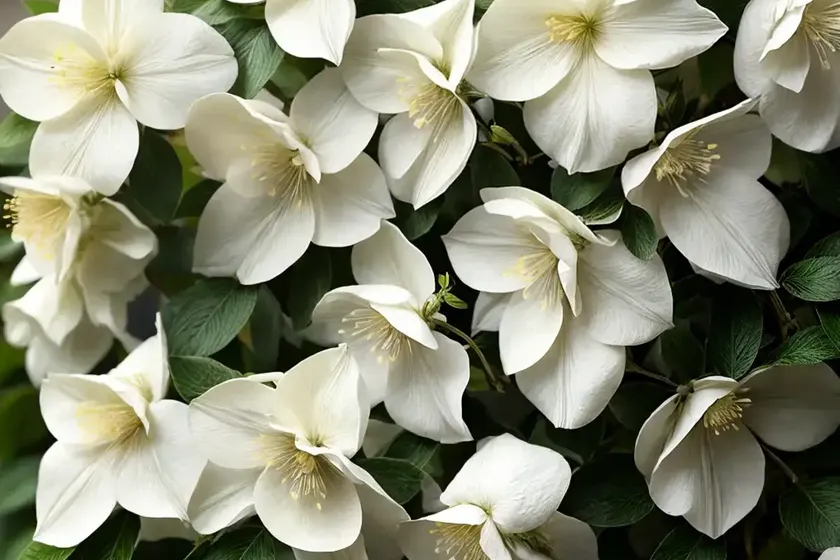
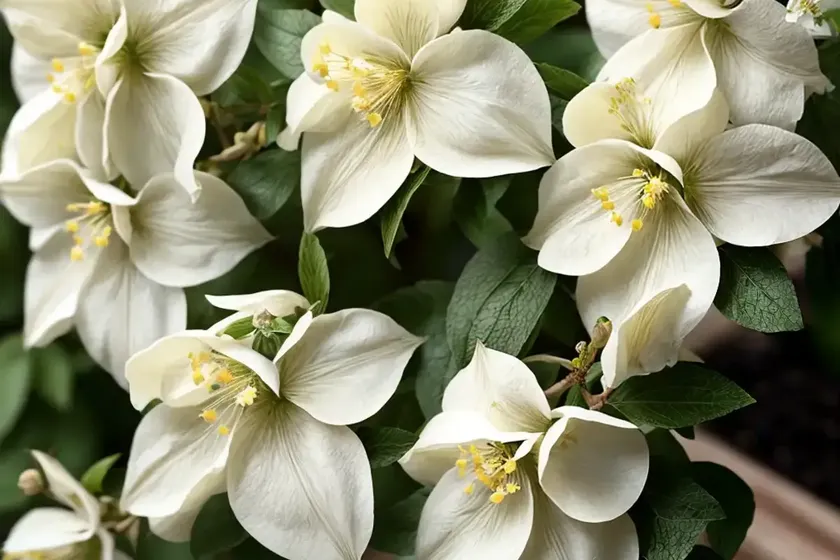
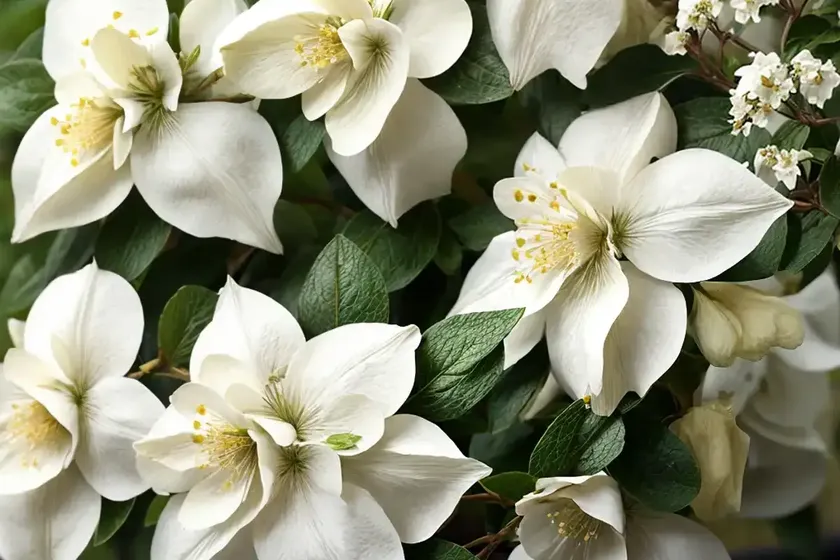
Welcome to the beautiful and fragrant world of Mock Orange! As a plant scientist, I am thrilled to delve into the enchanting realm of Philadelphus, also known as Mock Orange. This delightful shrub is a favorite among garden enthusiasts and horticulturists alike, and it’s no wonder why. With its captivating fragrance and stunning blooms, the Mock Orange plant has secured a special place in the hearts of plant lovers around the globe.
In this comprehensive guide, we will explore the captivating allure of Mock Orange, its cultural requirements, uses in landscaping and gardening, as well as maintenance techniques to ensure its optimal growth and health. Whether you are a seasoned gardener or a novice plant enthusiast, there is much to appreciate and learn about the captivating Philadelphus.
Let’s embark on a journey through the fascinating world of Mock Orange, uncovering its botanical marvels, special care requirements, and the myriad ways in which it adds beauty and charm to gardens and landscapes.
What is Mock Orange (Philadelphus)?
Mock Orange, scientifically known as Philadelphus, is a genus of flowering plants in the Hydrangeaceae family. This enchanting shrub is native to regions of Europe, North America, and Asia, and is renowned for its exquisite white, cream, or yellow blossoms that exude a sweet and citrusy fragrance, reminiscent of the scent of orange blossoms. The name “Mock Orange” pays homage to the plant’s delightful fragrance, which mimics the aroma of genuine oranges.
The Philadelphus genus encompasses a diverse array of species and cultivars, each possessing its own unique charm and characteristics. From its alluring fragrance to its elegant blooms, Mock Orange holds a special place in the hearts of gardeners, landscapers, and nature enthusiasts.
Key Takeaways – Mock Orange (Philadelphus)
Before delving into the specific aspects of caring for Mock Orange, it’s essential to highlight some key takeaways about this captivating shrub. Here are some of the essential features and attributes of Mock Orange (Philadelphus):
- Fragrance: The exquisite fragrance of Mock Orange blooms is often likened to that of genuine oranges, making it a highly sought-after addition to gardens and landscapes.
- Versatility: Mock Orange is a versatile plant, suitable for various garden designs, including cottage gardens, formal landscapes, and naturalized settings.
- Hardiness: Many Philadelphus varieties are resilient and adaptable, thriving in diverse climates and environmental conditions.
- Attractiveness to Wildlife: The blooms of Mock Orange can attract pollinators, such as butterflies and bees, adding an ecological dimension to its ornamental appeal.
- Historical Significance: Beyond its ornamental value, Mock Orange has a rich historical background and holds significance in traditional medicine and folklore.
These key takeaways provide a glimpse into the allure and multifaceted nature of Mock Orange, setting the stage for a deeper exploration of its cultural requirements, uses, and maintenance practices.
Now, let’s immerse ourselves in the world of Mock Orange and uncover the secrets to cultivating and caring for this captivating shrub.
Culture
Water
When it comes to watering Mock Orange, ensuring adequate moisture is crucial, especially during the plant’s establishment phase. Proper watering practices contribute to the shrub’s overall health and promote robust growth and blooming. Additionally, consistent moisture helps to mitigate stress on the plant, particularly during periods of heat or drought.
To gauge the watering needs of Mock Orange, consider the following guidelines:
- Established Plants: Mature Mock Orange shrubs typically have moderate water requirements. While they have good drought tolerance once established, it’s important to monitor soil moisture during dry spells and provide supplemental watering if necessary.
- Newly Planted Specimens: Newly planted Philadelphus shrubs require attentive watering to facilitate root establishment and acclimatization. Ensure that the soil is consistently moist, but not waterlogged, in the weeks following planting.
Ultimately, the goal is to maintain steady soil moisture without waterlogging the root zone. Mulching around the base of the plant can help conserve soil moisture and regulate temperature, benefiting the overall health and vigor of Mock Orange.
Sunlight
Proper sunlight is essential for the healthy growth and abundant blooming of Mock Orange. Most Philadelphus varieties thrive in full sun to partial shade, although preferences may vary among species and cultivars. Here are some key pointers regarding sunlight requirements for Mock Orange:
- Full Sun: Many Mock Orange varieties exhibit optimal growth and blooming when exposed to full sunlight. Providing at least 6-8 hours of direct sun daily is conducive to robust flowering and overall plant vigor.
- Partial Shade: Some Philadelphus cultivars display excellent tolerance to partial shade. In regions with intense heat or prolonged sun exposure, partial shade can offer protection from excessive heat stress.
It’s important to consider the local climate and environmental conditions when determining the ideal sun exposure for Mock Orange. Adapting to the specific needs of the plant ensures that it receives the adequate sunlight for its well-being and floral abundance.
Fertilizer
Nutrient management is integral in promoting the health and vitality of Mock Orange shrubs. Proper fertilization supports robust growth, lush foliage, and abundant blooming, contributing to the overall appeal of the plant in garden and landscape settings.
Here are some considerations when fertilizing Mock Orange:
- Balanced Fertilizer: Applying a balanced, slow-release fertilizer formulated for flowering shrubs can provide the essential nutrients that Mock Orange requires. Look for a fertilizer with an N-P-K ratio (nitrogen, phosphorus, potassium) suited for flowering plants.
- Application Timing: Fertilize Mock Orange in early spring, before the onset of active growth, to provide a nutrient boost for the upcoming growing season.
- Avoiding Overfertilization: While proper fertilization is beneficial, it’s important to avoid excessive application of fertilizers, as this can lead to imbalanced growth and potential damage to the plant.
By providing appropriate fertilization, gardeners can enhance the vigor and floral display of Mock Orange, resulting in healthy, vibrant shrubs that captivate with their radiant blooms.
Soil
The soil composition plays a significant role in the overall health and growth of Mock Orange. Understanding the soil requirements of Philadelphus is crucial for creating an optimal growing environment for the shrub. Consider the following factors when assessing soil for Mock Orange cultivation:
- Well-Drained Soil: Mock Orange thrives in well-drained soil that prevents waterlogging and promotes aeration around the root zone. Avoid compacted or poorly draining soils, as these can lead to root rot and other moisture-related issues.
- Rich Organic Matter: Incorporating organic matter, such as compost or well-rotted manure, into the soil can enhance its structure and fertility, providing an ideal substrate for Mock Orange growth.
- Soil pH: Mock Orange generally prefers slightly acidic to neutral soil pH. Conduct a soil test to gauge the pH level and make any necessary amendments to ensure an optimal growing environment for the shrub.
By selecting a well-drained, fertile soil with the appropriate pH level, gardeners can create an environment conducive to the vigor and flourishing of Mock Orange, allowing the plant to thrive and bloom abundantly.
Pruning
Pruning is an essential aspect of Mock Orange care, contributing to the plant’s overall health, shape, and blooming performance. Proper pruning techniques not only maintain the aesthetic appeal of Mock Orange but also stimulate new growth and floral production. Here are some guidelines for pruning Mock Orange:
- Timing: Prune Mock Orange immediately after flowering, typically in late spring or early summer. This timing allows the plant to develop new growth and set buds for the following year’s blooms without interrupting the flowering cycle.
- Deadheading: Remove spent flowers promptly to encourage the production of new blooms and prevent the plant from expending energy on seed formation.
- Thinning and Shaping: Remove any damaged, diseased, or overcrowded branches to improve air circulation and maintain an open, balanced growth habit for the shrub.
When approaching the pruning of Mock Orange, it’s essential to exercise care and precision to avoid damaging the plant while promoting its vitality and flowering capacity.
Propagation
The propagation of Mock Orange allows for the expansion of its presence in gardens and landscapes, offering a means to cultivate new plants from existing specimens. Propagation methods for Mock Orange include:
- Cuttings: Propagating Mock Orange from stem cuttings is a popular and effective method. Select healthy, non-flowering stems, and root them in a well-draining potting medium to establish new plants.
- Division: Dividing mature Mock Orange shrubs allows for the creation of multiple plantings, each with the potential to grow into a robust and flourishing specimen.
By employing these propagation techniques, gardeners can propagate Mock Orange to enrich their gardens and share the beauty of this captivating shrub with others.
Container Popularity
Mock Orange’s adaptability and ornamental appeal make it well-suited for container gardening. The compact growth habit of some Philadelphus varieties, coupled with their attractive blooms and fragrance, render them popular choices for container cultivation. Here are some considerations for growing Mock Orange in containers:
- Selection of Compact Varieties: Choose dwarf or compact cultivars of Mock Orange, as they are particularly well-suited for container growth, allowing for a manageable size and proportionate floral display.
- Well-Draining Soil: Use a high-quality, well-draining potting mix to ensure an optimal growing medium for Mock Orange in containers.
- Appropriate Container Size: Select a sufficiently sized container that accommodates the root system of the plant and provides adequate space for growth and development.
By cultivating Mock Orange in containers, gardeners can enjoy the beauty and fragrance of this enchanting shrub on patios, balconies, and other outdoor spaces, adding a touch of elegance and charm to their surroundings.
Common Diseases
While Mock Orange is generally resilient, it may be susceptible to certain diseases under specific conditions. Understanding the common diseases affecting Philadelphus is crucial for early detection and effective management. Some of the typical diseases that may impact Mock Orange include:
- Powdery Mildew: This fungal disease can affect the foliage of Mock Orange, leading to a powdery white coating and potential distortion of leaves.
- Leaf Spot: Various pathogens can cause leaf spotting on Mock Orange, resulting in the development of dark, irregular lesions on the foliage.
- Root Rot: Prolonged waterlogging or poorly draining soil can predispose Mock Orange to root rot, leading to wilting and decline of the plant.
Vigilance and proactive measures are key to preventing and managing diseases in Mock Orange, ensuring the sustained health and vitality of the plant in garden settings.
Disease Diagnosis
Timely diagnosis of diseases is crucial for implementing effective management strategies. When assessing the health of Mock Orange, consider the following signs and symptoms associated with common diseases:
- Foliage Discoloration: Monitor the foliage for any signs of discoloration, spotting, or abnormal markings, which can indicate the presence of fungal or bacterial diseases.
- Wilting or Decline: Rapid wilting, decline in growth, or dieback of branches may signal the onset of root rot or other physiological disorders.
- Powdery Residue: The presence of a powdery, white residue on the leaves is indicative of powdery mildew, a common fungal disease affecting many ornamental plants.
By promptly identifying and addressing signs of disease, gardeners can take proactive measures to mitigate the impact of diseases on Mock Orange and preserve the plant’s health and beauty.
Common Pests
While Mock Orange is relatively resistant to pests, occasional infestations may occur, necessitating vigilant monitoring and pest management. Some of the common pests that may target Philadelphus include:
- Aphids: These small, sap-feeding insects can cluster on the foliage and tender shoots of Mock Orange, potentially causing distortion of leaves and the secretion of honeydew.
- Scale Insects: Scales may infest the stems and branches of Mock Orange, appearing as small, hardened bumps. Severe scale infestations can weaken the plant and lead to stunted growth.
Regular inspection of Mock Orange for signs of pest activity allows for early intervention and targeted pest control measures, ensuring the well-being and vigor of the plant.
Botanist’s Tips
As a plant scientist, I offer the following tips for cultivating and caring for Mock Orange, drawing on botanical insights and best practices to optimize the growth and appeal of this enchanting shrub:
- Pruning Best Practices: When pruning Mock Orange, focus on maintaining a balanced structure and promoting an open growth habit to facilitate air circulation and flowering.
- Scented Garden Companions: Pair Mock Orange with other fragrant plants, such as lavender, roses, or fragrant herbs, to create a scented garden oasis that delights the senses.
- Wildlife-Friendly Landscapes: Utilize Mock Orange in wildlife-friendly landscapes to attract pollinators and enhance the ecological diversity of garden environments.
By incorporating these botanist’s tips into the care and cultivation of Mock Orange, gardeners can achieve optimal results and create captivating, well-maintained garden settings.
Fun Facts
Exploring the intriguing aspects of Mock Orange reveals a treasure trove of fun and fascinating facts about this beloved shrub. Here are some delightful fun facts about Mock Orange (Philadelphus):
- Namesake Fragrance: The name “Mock Orange” pays tribute to the shrub’s delightful fragrance, which mimics the scent of genuine oranges, enchanting garden visitors with its sweet and citrusy aroma.
- Historical Significance: Mock Orange holds historical significance, with references to its use in traditional medicine and folklore, harkening back to a time when plants were valued for their holistic properties as well as their ornamental appeal.
- Ecological Contributions: The aromatic blooms of Mock Orange attract pollinators, such as bees and butterflies, adding a touch of ecological harmony to garden landscapes.
These fun facts illuminate the captivating nature of Mock Orange and underscore its enduring appeal in garden and horticultural contexts.
Links to External Resources
For further exploration of Mock Orange (Philadelphus) and related topics, consider consulting the following external resources:
- American Society for the Prevention of Cruelty to Plants
- Royal Horticultural Society
- National Gardening Association
- Missouri Botanical Garden
These resources offer valuable insights, expert guidance, and a wealth of information on Mock Orange cultivation, care, and appreciation, enriching the horticultural journey of plant enthusiasts and gardeners.
In conclusion, Mock Orange (Philadelphus) stands as a captivating and enchanting shrub, cherished for its fragrant blooms, ornamental appeal, and ecological contributions. Cultivating and caring for Mock Orange in garden and landscape settings allows for the appreciation of its beauty, fragrance, and historical significance, enriching outdoor environments and inspiring a deeper connection to the natural world.
I hope this comprehensive guide has provided valuable insights and practical guidance for cultivating and appreciating Mock Orange. Embrace the allure of Philadelphus, and let its sweet fragrance and radiant blooms grace your garden with timeless beauty and charm. Happy gardening!


