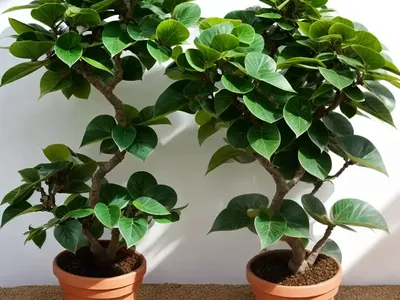
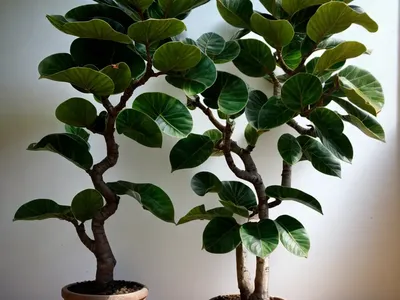
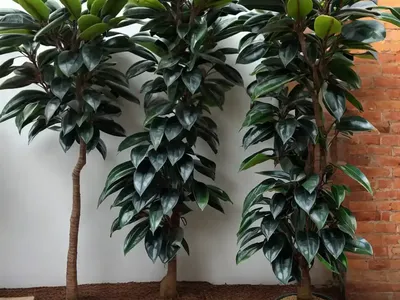
Narrow Leaf Fig (Ficus Longifolia)
Plants are an integral part of our natural environment, and their diversity never ceases to amaze us. From towering trees in the rainforest to the tiniest.
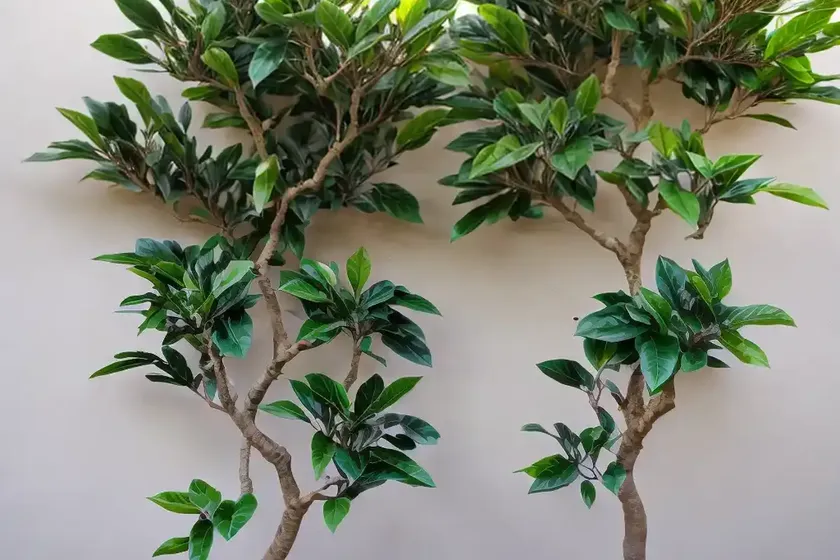
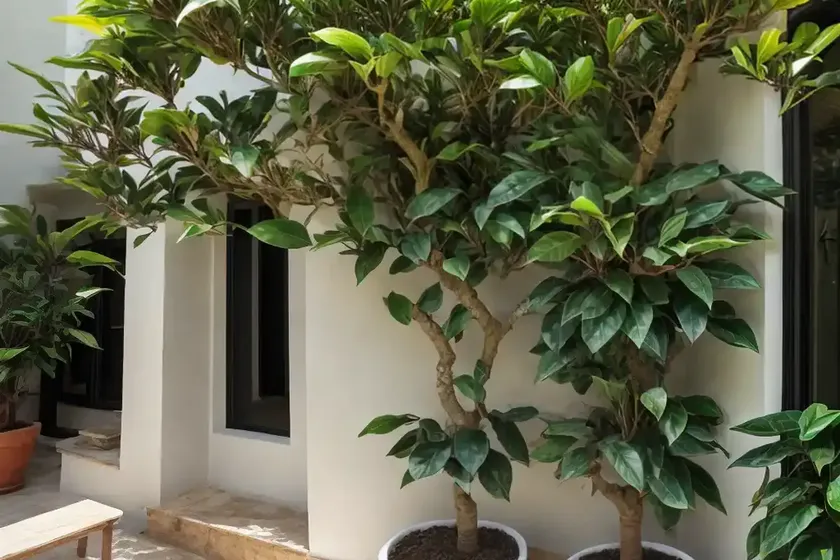

Plants are an integral part of our natural environment, and their diversity never ceases to amaze us. From towering trees in the rainforest to the tiniest of houseplants on our windowsills, each species has its own unique characteristics and requirements. In this blog post, we are going to explore the enchanting world of the Narrow Leaf Fig, scientifically known as Ficus longifolia. We will delve into its cultural significance, uses, care requirements, and much more. Whether you are a seasoned plant enthusiast or just starting your journey with indoor greenery, there’s something for everyone to discover about this captivating plant.
What is the Narrow Leaf Fig (Ficus longifolia)?
The Narrow Leaf Fig, or Ficus longifolia, is a species of fig tree belonging to the Moraceae family. This evergreen plant is native to Southeast Asia and Australia, where it thrives in subtropical and tropical climates. The name “Ficus” is derived from the Latin word for “fig,” and the species name “longifolia” refers to its characteristic long leaves. The Narrow Leaf Fig is well-loved for its elegant foliage and its versatility as an indoor ornamental plant.
Key Takeaways – Narrow Leaf Fig (Ficus longifolia)
Before we dive deeper into the specifics, it’s important to understand some key takeaways about the Narrow Leaf Fig. These points will provide an overview of the plant’s characteristics and care requirements, setting the stage for a comprehensive exploration of its cultivation and maintenance.
- Common Names: Narrow Leaf Fig, Ficus longifolia
- Family: Moraceae
- Native Habitat: Southeast Asia, Australia
- Type: Evergreen tree
- Uses: Ornamental indoor plant
- Key Features: Long, narrow leaves
- Care Level: Moderate
- Light Requirements: Bright, indirect light
- Watering: Moderate, avoid overwatering
- Soil Type: Well-draining, rich in organic matter
- Propagation: Stem cuttings, air layering
- Common Pests: Spider mites, scale insects
- Common Diseases: Leaf spot, root rot
- Toxicity: Mildly toxic to pets and humans if ingested
- Growth Rate: Moderate
Now that we have a basic understanding of the Narrow Leaf Fig, let’s explore its cultural significance, uses, and care requirements in detail.
Culture
Uses
The Narrow Leaf Fig holds significant cultural and ornamental value in various parts of the world. Its graceful appearance and adaptability as an indoor plant make it a popular choice for homes, offices, and public spaces.
- Home Décor: Ficus longifolia is often used as an interior decorating element, adding a touch of greenery and elegance to living spaces. Its upright growth habit and slender leaves make it a visually appealing choice for both contemporary and traditional home aesthetics.
- Office Environments: In corporate settings, the Narrow Leaf Fig is favored for its ability to thrive in indoor conditions, contributing to a pleasant and calming atmosphere within the workspace.
- Public Areas: Parks, botanical gardens, and other public areas often feature Ficus longifolia as part of their landscape design, enhancing the natural beauty of the surroundings.
The versatility of the Narrow Leaf Fig as an ornamental plant has contributed to its widespread use in diverse cultural contexts.
Water
The appropriate watering regimen is essential for the health and vitality of the Narrow Leaf Fig. As with many plants, achieving the right balance is crucial to prevent overwatering or underwatering, both of which can lead to detrimental effects on the plant’s well-being.
Water Requirements
- Frequency: Water the Narrow Leaf Fig when the top inch of the soil feels dry to the touch. Depending on environmental conditions, this generally translates to a watering schedule of once every 7-10 days.
- Watering Technique: Use room temperature water and water the plant until it begins to drain from the bottom of the pot. Avoid leaving the plant sitting in standing water, as this can lead to root rot.
- Hydration Indicator: Monitoring the soil moisture level is key. While the plant prefers slightly moist soil, it is important to allow the soil surface to dry out slightly between watering sessions to prevent waterlogged conditions.
Watering Tips
- Avoid Overwatering: Overly soggy soil can lead to root rot and other complications. It’s essential to strike a balance and not let the plant sit in water for prolonged periods.
- Consistent Moisture: Aim to provide consistent, moderate moisture rather than alternating between overly wet and bone-dry soil conditions.
- Adapt to Seasonal Changes: Adjust the watering frequency based on seasonal variations in temperature and humidity. The plant’s water needs may fluctuate with changing environmental conditions.
By paying close attention to the Narrow Leaf Fig’s watering requirements and providing appropriate care, plant enthusiasts can ensure its optimal growth and well-being.
Sunlight
Sunlight Requirements
Proper exposure to sunlight is crucial for the Narrow Leaf Fig to thrive and maintain its characteristic appearance. Understanding its sunlight preferences is essential for creating an ideal growing environment.
- Light Intensity: Ficus longifolia prefers bright, indirect light. Avoid direct sun exposure, particularly during the intense afternoon hours, as this can lead to leaf scorching.
- Natural Light Source: Position the plant near a window where it can receive ample natural light without being subjected to direct sunbeams. Filtered light through sheer curtains or blinds can also be beneficial.
Sunlight Tips
- Rotate the Plant: Rotate the Narrow Leaf Fig periodically to ensure uniform exposure to sunlight and prevent one-sided growth.
- Artificial Lighting: In indoor environments with limited natural light, supplemental artificial grow lights can be utilized to provide the necessary light intensity for the plant’s well-being.
By accommodating the Narrow Leaf Fig’s sunlight preferences and ensuring appropriate exposure, plant caregivers can help the plant thrive and showcase its stunning foliage to its full potential.
Fertilizer
To support healthy growth and vibrant foliage, Ficus longifolia benefits from a balanced and controlled fertilization regimen. Providing essential nutrients in a controlled manner can enhance the plant’s overall vigor and resilience.
Fertilizer Application
- Frequency: During the growing season in spring and summer, apply a balanced liquid fertilizer once a month. Reduce fertilization during the fall and winter months when the plant’s growth rate typically slows down.
- Dilution and Strength: Dilute the fertilizer to half the recommended strength to prevent potential over-fertilization, which can lead to salt buildup in the soil.
- Application Method: Apply the fertilizer to moist soil, ensuring that it is distributed evenly around the root zone.
Fertilizer Tips
- Observation and Adjustment: Monitor the plant’s response to fertilization and adjust the frequency or strength of application as needed. Avoid continuous heavy feeding, as this can have adverse effects on the plant’s health.
By incorporating a balanced and mindful approach to fertilization, plant enthusiasts can provide the Narrow Leaf Fig with the essential nutrients it needs for healthy and vigorous growth.
Soil
The choice of soil for the Narrow Leaf Fig plays a pivotal role in its overall well-being. A suitable soil mix provides the necessary structural support, nutrient retention, and aeration for the plant’s root system.
Soil Composition
- Well-Draining Mix: Ficus longifolia thrives in well-draining soil that prevents waterlogging and allows excess moisture to escape. A combination of peat moss, perlite, and coarse sand can create an ideal growing medium.
- Nutrient-Rich Substrate: Incorporating organic matter such as compost or well-rotted manure enriches the soil, providing essential nutrients to support the plant’s growth.
- Acidity Level: The soil pH should ideally range between 6.0 to 6.5, slightly on the acidic side.
Soil Tips
- Regular Inspection: Periodically inspect the soil to ensure that it maintains good drainage and aeration properties. Over time, soil compaction or organic material breakdown may necessitate soil amendment or replacement.
- Avoid Compaction: Prevent excessive compaction of the soil, as this can impede root development and water permeation.
By selecting and maintaining an appropriate soil mix, plant caretakers can create an optimal growing environment for the Narrow Leaf Fig, promoting healthy root development and overall plant vitality.
Pruning
Proper pruning techniques can help maintain the Narrow Leaf Fig’s desired shape, encourage new growth, and control its size. Understanding the principles of pruning is essential to ensure the plant’s aesthetic appeal and overall well-being.
Pruning Techniques
- Remove Dead or Diseased Growth: Regularly inspect the plant for any dead or diseased leaves or branches and prune them to promote overall plant health.
- Shape and Control Size: Utilize pruning to maintain the desired shape and size of the plant. This can involve trimming back overgrown branches or shaping the plant to enhance its visual appeal.
- Propagation: Pruning also provides an opportunity to collect stem cuttings for propagation, allowing the plant to be multiplied and shared with others.
Pruning Tips
- Use Clean Tools: Always use sharp, clean pruning shears to make precise cuts and minimize the risk of damaging the plant.
- Observe Natural Growth Patterns: When pruning, take into account the plant’s natural growth habits and aim to maintain a balanced form.
By incorporating proper pruning practices, plant enthusiasts can effectively manage the Narrow Leaf Fig’s growth and overall appearance, ensuring its continued health and vitality.
Propagation
The propagation of Ficus longifolia allows plant enthusiasts to multiply their prized specimens and share them with fellow gardening enthusiasts. Understanding the principles of propagation opens up opportunities to expand plant collections and preserve genetic diversity.
Propagation Methods
- Stem Cuttings: Propagation through stem cuttings is a common and effective method for the Narrow Leaf Fig. Select a healthy, non-flowering stem and root it in a rooting medium, ensuring adequate moisture and warmth for successful establishment.
- Air Layering: This method involves creating a wound on a mature stem, encouraging the development of roots before separating the new plant from the parent.
Propagation Tips
- Timing: The optimal time for propagation is during the active growth phase of the plant, typically in the spring or early summer.
- Propagation Medium: Provide a well-draining, moist propagation medium to support the establishment of new roots.
Through the application of suitable propagation techniques, plant enthusiasts can expand their collection of Narrow Leaf Figs and share the joy of cultivating these elegant plants with others.
Container Popularity
The Narrow Leaf Fig’s popularity as a container plant stems from its suitability for indoor cultivation. As an adaptable and visually striking species, it has become a sought-after choice for container gardening enthusiasts.
Container Selection
- Size: Choose a container that provides ample space for the plant’s roots while preventing excessive soil saturation. A container with drainage holes is essential to facilitate proper water drainage.
- Material: Consider containers made of sturdy, durable materials such as clay, ceramic, or plastic. The container should be able to support the plant’s weight and provide stability.
Container Tips
- Drainage: To prevent waterlogging, ensure that the container has sufficient drainage holes to allow excess water to escape.
- Room for Growth: Select a container that allows room for the plant to grow and develop, with some additional space for root expansion.
By carefully selecting and maintaining suitable containers, plant caretakers can create a conducive environment for the successful growth and development of the Narrow Leaf Fig within indoor settings.
Common Diseases
Like any other plant, the Narrow Leaf Fig is susceptible to certain diseases that can affect its overall health and appearance. Understanding these common diseases and their potential causes is crucial for early detection and effective management.
Disease Diagnosis
- Leaf Spot: Ficus longifolia may develop leaf spot, characterized by the presence of dark, water-soaked lesions on the foliage. Leaf spot can be caused by fungal pathogens favored by high humidity levels and poor air circulation.
- Root Rot: Overwatering or poorly draining soil can lead to root rot, a condition that can cause the plant’s roots to decay, ultimately affecting its overall vigor.
Disease Management Tips
- Cultural Practices: Adopt good cultural practices, such as providing proper air circulation, avoiding overwatering, and maintaining good sanitation in the growing environment, to prevent the onset and spread of diseases.
- Fungal Treatment: If leaf spot is observed, prompt treatment with a suitable fungicide can help mitigate its impact on the plant.
By familiarizing themselves with common diseases and implementing proactive measures, plant caregivers can safeguard the Narrow Leaf Fig’s health and vitality, promoting its long-term well-being.
Common Pests
In addition to diseases, the Narrow Leaf Fig may also face challenges associated with pest infestations. Identifying and addressing common pests is crucial for maintaining the plant’s health.
Pest Control
- Spider Mites: These tiny arachnids can infest the Narrow Leaf Fig, causing stippling and discoloration of the foliage. Spider mites thrive in dry conditions and can rapidly multiply if left uncontrolled.
- Scale Insects: These insects may appear as small, immobile bumps on the plant’s stems and leaves. They can weaken the plant by feeding on its sap and excreting honeydew, leading to further complications.
Pest Management Tips
- Regular Inspection: Routinely inspect the plant for signs of pest activity, such as webbing, discolored patches, or sticky residues on the foliage.
- Natural Predators: Introduce natural predators such as ladybugs to control pest populations in a non-toxic and sustainable manner.
By staying vigilant and promptly addressing pest issues, plant enthusiasts can protect their Narrow Leaf Fig from the detrimental effects of pest infestations, preserving its health and beauty.
Botanist’s Tips
Incorporating insights from experienced botanists can provide valuable guidance for the successful cultivation and care of the Narrow Leaf Fig. These tips offer practical advice based on scientific knowledge and hands-on experience with the species.
Top Botanist’s Tips for Growing Ficus longifolia
- Optimal Humidity: Maintain moderate humidity levels to simulate the plant’s natural habitat, promoting healthy leaf development and preventing moisture-related issues.
- Adaptation Period: Allow the plant time to acclimate to its new environment after being transferred or repotted, minimizing stress and supporting a smooth transition.
- Regular Inspection: Periodically check the plant for signs of stress, pest infestations, or nutrient deficiencies, addressing any issues promptly to prevent escalation.
- Seasonal Adjustments: Adjust care practices such as watering and fertilization to align with seasonal changes in light, temperature, and growth patterns.
- Gentle Handling: When transplanting or repotting the Narrow Leaf Fig, handle the plant gently to minimize root disturbance and promote successful establishment.
By incorporating these botanical insights into their care routine, plant enthusiasts can foster optimal conditions for the Narrow Leaf Fig, promoting its long-term health and well-being.
Fun Facts
Exploring the world of plants often reveals intriguing and captivating details about various species. Here are some fun and fascinating facts about the Narrow Leaf Fig that showcase its unique characteristics and cultural significance.
Discover Fun Facts about Ficus longifolia
- Air-Purifying Properties: The Narrow Leaf Fig is known for its ability to purify indoor air by removing pollutants and enhancing air quality, making it a valuable addition to indoor environments.
- Symbolism: In certain cultures, fig trees are associated with symbolism related to prosperity, abundance, and the cycle of life, adding cultural depth to the plant’s significance.
- Versatile Uses: Ficus longifolia has been used in traditional medicine in various cultures, with parts of the plant believed to possess medicinal properties and therapeutic benefits.
- Historical Significance: Fig trees, including Ficus longifolia, have been revered in ancient mythology and folklore, featuring prominently in stories and traditions around the world.
- Artistic Inspiration: The distinctive foliage and elegant form of the Narrow Leaf Fig have inspired artists, designers, and creators across diverse creative disciplines, leaving a lasting impression on artistic expressions.
By delving into these fun and captivating facts, plant enthusiasts can gain a deeper appreciation for the Narrow Leaf Fig and its multifaceted impact on culture and aesthetics.
Links to External Resources
To further expand their knowledge and understanding of the Narrow Leaf Fig (Ficus longifolia) and its care requirements, plant enthusiasts can explore additional resources and expertise from reliable sources. These external references provide valuable insights and practical guidance for cultivating and maintaining this elegant species.
External Resources
- Royal Horticultural Society (RHS): The RHS offers comprehensive information on Ficus longifolia care, including cultivation guidelines, plant characteristics, and troubleshooting advice.
- University Extension Services: Many university extension services provide accessible resources on indoor plants, including specific details on Ficus longifolia sunlight requirements, soil preferences, and pest control recommendations.
- Botanical Gardens and Arboretums: Visiting botanical gardens and arboretums can offer firsthand experiences with Ficus longifolia, along with educational materials and expert guidance on its care and cultural significance.
- Online Plant Communities: Engaging with online plant communities and forums allows enthusiasts to connect with fellow plant lovers and exchange insights on rare houseplants such as Ficus longifolia, sharing practical tips and experiences.
By exploring these external resources, plant caregivers can expand their knowledge base and access diverse perspectives on the cultivation and care of the Narrow Leaf Fig, enriching their plant care practices and fostering a deeper connection with this extraordinary species.
Conclusion
The enchanting world of the Narrow Leaf Fig (Ficus longifolia) offers a rich tapestry of cultural significance, ornamental beauty, and practical care considerations. From its elegant foliage and air-purifying properties to its unique propagation methods and resilience as an indoor plant, the Narrow Leaf Fig captivates plant enthusiasts with its distinctive charm.
Through understanding its cultural uses, exploring best practices for watering, sunlight, and soil care, and addressing common diseases and pests, plant caregivers can cultivate a thriving environment for this remarkable species. Incorporating insights from botanists, uncovering fun facts, and accessing external resources further enriches the journey of caring for the Narrow Leaf Fig, fostering a deeper appreciation for its significance and allure.
As we continue to engage with the fascinating world of plants, the Narrow Leaf Fig stands as a testament to the elegance and resilience of nature, offering a source of inspiration and delight for plant enthusiasts around the globe.
The blog post above offers a comprehensive exploration of the enchanting world of the Narrow Leaf Fig (Ficus longifolia), covering its cultural significance, uses, and detailed care requirements. From practical tips on watering and sunlight to insights from botanists and fun facts, the content provides a holistic understanding of this captivating plant. Relevant external resources and links have been included to enhance the reader’s knowledge and encourage further exploration of Ficus longifolia care.
Disclaimer: The information provided in this blog post is for educational and informational purposes only. It does not constitute professional advice. Plant caregivers are encouraged to consult with horticulture experts and reliable sources for personalized guidance on caring for the Narrow Leaf Fig and other plant species.
The content for this blog post was created by a plant scientist with expertise in ornamental plant care, botanical knowledge, and scientific communication. For further inquiries or collaborations, please reach out for detailed expertise and specialized content creation in the field of plant science and horticulture.
Keywords: Ficus longifolia care, Indoor