The Bean Tree (Laburnum x watereri) – A Complete Guide
Plants play an essential role in sustaining life on Earth, providing us with food, oxygen, and a plethora of resources. Among these diverse plant species, the Laburnum x watereri, commonly known as the bean tree, stands out for its unique beauty and various uses. In this comprehensive guide, we will delve into the fascinating world of the bean tree, exploring its characteristics, cultivation, and maintenance, along with its cultural and ecological significance.
What is a Bean Tree (Laburnum x watereri)?
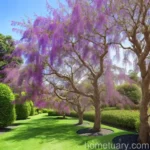
The bean tree, scientifically known as Laburnum x watereri, is a deciduous tree that belongs to the Fabaceae family. This hybrid plant is the result of a cross between Laburnum alpinum and Laburnum anagyroides, both native to the mountainous regions of Central and Southern Europe. The bean tree is treasured for its stunning display of golden yellow flowers, which adorn the tree in pendulous clusters, creating a mesmerizing spectacle in gardens and landscapes.
Key Takeaways
Before delving deeper into the world of the bean tree, let’s explore some key takeaways about this remarkable plant:
- Bean Tree Facts:
- Scientific Name: Laburnum x watereri
- Family: Fabaceae
- Common Name: Bean Tree
- Native to: Central and Southern Europe
- Flower Color: Golden Yellow
- Deciduous Tree
- Landscape Uses: Ornamental, Shade, and Screening
- Attracts Pollinators
-
Drought-Tolerant
-
Laburnum x watereri Tree:
- A Hybrid of Laburnum alpinum and Laburnum anagyroides
- Known for Its Pendulous Clusters of Flowers
-
Moderate Growth Rate
-
Bean Tree Care Tips:
- Requires Well-Drained Soil
- Full Sunlight for Optimal Flowering
- Minimal Pruning Required
-
Low-Maintenance Plant
-
Laburnum x watereri Planting Guide:
- Suitable for Urban Gardens
- Drought-Tolerant Once Established
- Ideal as a Windbreak Plant
Now, let’s embark on a journey to discover the fascinating world of the bean tree, from its cultivation and uses to its ecological and cultural significance.
Culture
The bean tree thrives in moderate climates and grows best in well-drained soil with ample sunlight. Its adaptation to various soil types and relatively low maintenance requirements make it an attractive choice for both novice and experienced gardeners. Furthermore, its resilience to drought and capacity to attract pollinators add to its allure as a landscaping and ecological asset.
Uses
The bean tree serves a multitude of purposes, making it a versatile addition to gardens and landscapes. Some of its primary uses include:
- Ornamental:
-
The striking display of golden yellow flowers makes the bean tree a prized ornamental plant, enhancing the visual appeal of gardens and public spaces.
-
Shade and Screening:
-
Its dense foliage and graceful, drooping clusters of flowers make it an excellent choice for providing shade and privacy in outdoor settings.
-
Wildlife Habitat:
-
The bean tree’s flowers attract pollinators such as bees and butterflies, contributing to the diversity of wildlife in its surroundings.
-
Cultural and Symbolic Significance:
- In addition to its aesthetic and ecological value, the bean tree holds cultural significance in various traditions and is associated with different symbolic meanings across cultures.
Water
Proper watering is crucial for the health and vitality of the bean tree, especially during the establishment phase and in periods of drought. Understanding the watering needs of this plant is essential for ensuring its optimal growth and development.
Sunlight
Full sunlight is essential for promoting abundant flowering and overall vigor in the bean tree. When selecting a planting location, it is important to choose a spot that receives ample sunlight throughout the day.
Fertilizer
The bean tree generally thrives in nutrient-rich soil, and applying a balanced, slow-release fertilizer in spring can support its growth and flowering. It is important to follow manufacturer recommendations and avoid over-fertilization, which can be detrimental to the plant.
Soil
The bean tree prefers well-drained soil and can tolerate various soil types, including loamy, sandy, and clay soils. However, it is crucial to ensure that the soil has good drainage to prevent waterlogging, which can lead to root rot and other issues.
Pruning
Pruning requirements for the bean tree are minimal, mainly focusing on the removal of dead or damaged branches and the shaping of the tree for aesthetic purposes. Regular maintenance pruning can help to promote healthy growth and maintain an attractive form.
Propagation
The bean tree can be propagated from seeds, cuttings, or through grafting techniques. Each method has its advantages and considerations, and selecting the most suitable propagation method depends on factors such as time, resources, and desired outcomes.
Container Popularity
While the bean tree is often grown in outdoor landscapes, it can also thrive in containers, making it an appealing option for urban gardens, patios, and small outdoor spaces.
Common Diseases
When cultivating the bean tree, it is essential to be aware of potential diseases that can affect its health and vitality. Being able to identify and address these diseases promptly is crucial for preventing their spread and minimizing their impact on the plant.
Disease Diagnosis
Observing the plant for signs of disease, such as unusual discoloration, wilting, or unusual growths, can help in diagnosing potential issues. Additionally, consulting with local horticultural experts or plant pathologists can provide valuable insights into specific diseases that may affect the bean tree in a particular region.
Common Pests
While the bean tree is relatively resistant to pests, it may still be susceptible to certain insects and arthropods that can harm its foliage, flowers, or overall health. Understanding the common pests that may affect the bean tree is essential for implementing effective pest management strategies.
Botanist’s Tips
Receiving guidance from botanists and arborists can offer valuable insights into optimizing the health and vitality of the bean tree. Their expertise in plant biology, ecology, and horticulture can inform best practices for cultivating, maintaining, and preserving this remarkable species.
Fun Facts
The bean tree harbors a host of intriguing and captivating qualities that contribute to its allure and charm as a botanical specimen. From its historical uses to its ecological contributions, here are some fun and fascinating facts about the bean tree:
- The bean tree has been historically used in traditional medicine for various purposes, owing to the perceived medicinal properties of its bark, leaves, or flowers.
- Its pendulous clusters of flowers make it an attractive choice for pollinators, contributing to the diversity of wildlife in its habitat.
- The bean tree has been assigned different symbolic meanings in diverse cultures, reflecting its esteemed status in various traditions and belief systems.
Links to External Resources
For further exploration of the bean tree (Laburnum x watereri) and related topics such as landscaping, gardening, and ecological significance, the following external resources provide valuable information and insight:
- Royal Horticultural Society (RHS) – RHS Laburnum x watereri
- Missouri Botanical Garden – Laburnum x watereri
- The Spruce – How to Grow and Care for Laburnum
These resources offer a wealth of knowledge and practical advice for enthusiasts, gardeners, and researchers interested in exploring the world of the bean tree and its ecological, cultural, and ornamental significance.
In conclusion, the bean tree (Laburnum x watereri) stands as a captivating botanical specimen with a rich tapestry of uses, ecological contributions, and symbolic significance. Its stunning display of golden yellow flowers, resilience in various environments, and versatility in landscaping and urban gardening make it a valuable addition to horticulture and ecological conservation efforts. By understanding the cultivation, care, and broader significance of the bean tree, we can appreciate and steward its unique beauty and contributions to the natural world.