Juniperus virginiana ‘Glauca’ (Silver Eastern Red Cedar)
Juniperus virginiana ‘Glauca’, commonly known as Silver Eastern Red Cedar, is a stunning evergreen tree native to North America. Due to its striking appearance, versatility, and resilience, it has become a popular choice for landscaping and a variety of other uses. In this blog post, we will explore the various aspects of Juniperus virginiana ‘Glauca’, including its culture, uses, water and sunlight requirements, fertilization, soil preferences, pruning techniques, propagation methods, container gardening, common diseases, and pests. Additionally, we will delve into some fun facts and expert tips for growing and maintaining this remarkable tree.
What is Juniperus virginiana ‘Glauca’ (Silver Eastern Red Cedar)?
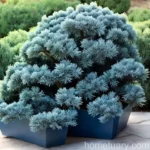
Juniperus virginiana ‘Glauca’, also known as the Silver Eastern Red Cedar, belongs to the Cupressaceae family and is a cultivar of the Eastern Red Cedar (Juniperus virginiana). This evergreen conifer displays distinctive silvery-blue foliage, making it an eye-catching addition to gardens, parks, and landscapes. Its gracefully irregular growth habit and tolerance to various growing conditions contribute to its popularity among gardeners and landscapers.
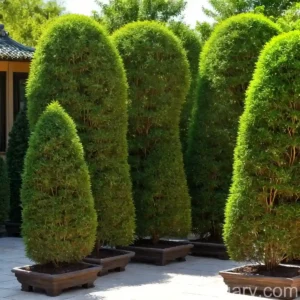
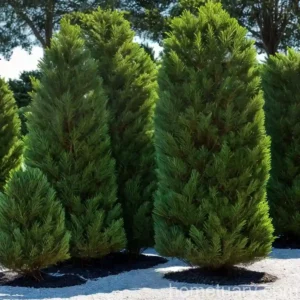
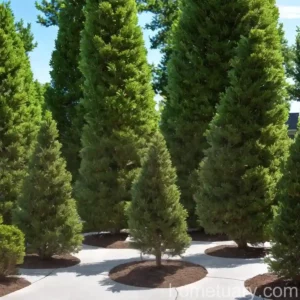
The Silver Eastern Red Cedar tree typically reaches a height of 30-40 feet at maturity, with a spread of 8-20 feet, forming a pyramidal to columnar shape. Its foliage consists of scale-like needles that emit a pleasant aromatic scent when crushed or brushed against, adding to its appeal.
This cultivar is valued for its adaptability, drought tolerance, and resistance to pests and diseases, making it a low-maintenance and visually appealing choice for various outdoor settings.
Key Takeaways – Juniperus virginiana ‘Glauca’ (Silver Eastern Red Cedar)
Culture
- Hardiness: USDA zones 2-9.
- Soil: Well-draining, adaptable to various soil types including loam, clay, and sandy soil.
- pH: Tolerant of a wide pH range, from acidic to alkaline.
- Watering: Drought tolerant once established, occasional deep watering during dry spells.
- Sunlight: Full sun to partial shade.
Uses
- Landscaping: Ornamental specimen, windbreaks, privacy screens, hedges, and erosion control.
- Wildlife Habitat: Provides cover and food for birds and small mammals.
- Fragrance: Crushed foliage emits a pleasant, aromatic scent.
- Wood: In some cases, the wood is used for woodworking projects.
Water
Juniperus virginiana ‘Glauca’ exhibits moderate water requirements once established. While it is remarkably drought-tolerant, especially in comparison to other ornamental trees, it benefits from occasional deep watering during prolonged dry periods, particularly in the first few years after planting. Adequate moisture is crucial during its establishment phase to promote healthy root development and overall growth. Once the tree has developed a strong root system, it can thrive with minimal supplemental watering, relying primarily on natural rainfall.
Watering Guide
- Establishment Phase: Water deeply and regularly for the first 1-2 years after planting.
- Mature Trees: Supplemental watering may be necessary during extended periods of drought or when growing in containers.
- Soil Moisture: Ensure that the soil is well-draining to prevent waterlogged conditions, which can be detrimental to the tree’s health.
Sunlight
Silver Eastern Red Cedar thrives in full sun to partial shade. It prefers several hours of direct sunlight daily to maintain its vigor and promote optimal foliage coloration. When selecting a planting location, it is essential to consider its sunlight requirements and ensure that it receives adequate exposure to sunlight throughout the day. Insufficient sunlight can lead to sparse foliage, diminished growth, and a less vibrant appearance. While the tree can tolerate partial shade, full sun conditions are generally preferable for maximum vitality and visual impact.
Fertilizer
When it comes to fertilization, Silver Eastern Red Cedar generally does not have intensive nutrient requirements. In many cases, it can thrive without regular fertilization, particularly if grown in nutrient-rich soils. However, if you observe signs of nutrient deficiencies such as yellowing foliage or stunted growth, you may opt to provide a balanced, slow-release fertilizer specifically formulated for evergreen trees. It is advisable to conduct a soil test before applying any fertilizers to assess the existing nutrient levels and determine if supplementation is necessary. When applying fertilizers, follow the manufacturer’s recommendations and avoid excessive application, as over-fertilization can result in adverse effects on the tree’s health.
Fertilization Tips
- Soil Test: Conduct a soil test to assess the nutrient levels and pH of the soil.
- Balanced Fertilizer: Utilize a slow-release, balanced fertilizer suitable for evergreen trees.
- Application: Apply fertilizer in early spring before the onset of new growth.
- Avoid Over-Fertilization: Follow the recommended application rates to prevent potential damage to the tree.
Soil
Juniperus virginiana ‘Glauca’ showcases adaptability to various soil types, including loam, clay, and sandy soils, as long as they are well-draining. It can thrive in both acidic and alkaline soil conditions, adding to its versatility in different landscapes. Prior to planting, it is beneficial to assess the soil drainage characteristics and amend the soil if necessary to enhance drainage and create an optimal growing environment for the tree. Organic amendments such as compost or well-rotted manure can be incorporated into the soil to improve its structure and fertility, promoting healthy root development and overall growth.
Soil Preparation
- Drainage: Ensure the planting site has good drainage to prevent waterlogged conditions.
- pH: Juniperus virginiana ‘Glauca’ tolerates a wide pH range, but soil amendments can be used to adjust pH if necessary.
- Soil Amendments: Incorporate organic matter such as compost to enhance soil structure and fertility.
- Mulching: Apply a layer of mulch around the base of the tree to conserve moisture and regulate soil temperature.
Pruning
Proper pruning is essential for maintaining the desired shape, size, and overall health of Silver Eastern Red Cedar. Regular pruning can help to remove dead or damaged branches, improve airflow within the canopy, and shape the tree for aesthetic purposes. Additionally, selective pruning can be employed to manage its size, particularly when used as a privacy screen, hedge, or ornamental specimen. When conducting pruning activities, it is crucial to use sharp, clean pruning tools to ensure precise cuts and minimize the risk of introducing diseases or causing unnecessary stress to the tree.
Pruning Techniques
- Dead Branches: Remove dead or diseased branches to enhance the tree’s overall health.
- Size Management: Trim back excessive growth to maintain the desired size and shape.
- Selective Pruning: Target specific areas to achieve a balanced and visually appealing form.
Propagation
Juniperus virginiana ‘Glauca’ can be propagated through various methods, including seed propagation, cuttings, and grafting, each with its own unique considerations and requirements. Propagation by seeds, while possible, may lead to variability in the characteristics of the offspring due to genetic diversity. On the other hand, vegetative propagation methods such as cuttings and grafting enable the production of offspring that closely resemble the parent tree in terms of growth habit, foliage color, and other desirable traits. These methods often require a controlled environment and careful attention to ensure successful root development and establishment of the propagated specimens.
Propagation Methods
- Seed Propagation: Harvest and sow seeds in suitable growing conditions.
- Cuttings: Take semi-hardwood or hardwood cuttings and propagate in a controlled environment.
- Grafting: Utilize compatible rootstock and scion material for propagation.
Container
Juniperus virginiana ‘Glauca’ can be grown in containers, making it a versatile choice for small gardens, patios, and urban landscapes. When selecting a container for planting, opt for a spacious and sturdy vessel with adequate drainage holes to prevent waterlogging. The container should be filled with a well-draining potting mix suitable for growing evergreen trees. Regular monitoring of soil moisture and appropriate watering are essential for container-grown Silver Eastern Red Cedar to ensure its vitality and overall well-being. Additionally, it is crucial to provide sufficient sunlight and occasional fertilization to support healthy growth and foliage coloration.
Container Gardening Tips
- Container Selection: Choose a large container with drainage holes to accommodate the tree’s root system.
- Potting Mix: Utilize a well-draining potting mix formulated for evergreen trees.
- Watering: Monitor soil moisture and water as needed, particularly during the growing season.
- Sunlight: Position the container in a location with ample sunlight for optimal growth.
Popularity
The Silver Eastern Red Cedar has gained widespread popularity in the realm of landscaping and gardening due to its numerous attractive features and adaptable nature. Its distinct silver-blue foliage, low maintenance requirements, and suitability for various landscape applications have contributed to its increasing popularity among homeowners, landscapers, and horticulturists. The tree’s versatility as a windbreak, privacy screen, ornamental specimen, and wildlife habitat further enhances its appeal, making it a sought-after choice for enhancing outdoor spaces and creating visually captivating landscapes.
Landscape Uses
- Privacy Screen: Creates a natural barrier for added privacy and visual appeal.
- Windbreak: Provides protection from wind and serves as a living windbreak.
- Ornamental Specimen: Showcases striking foliage as a focal point in gardens and landscapes.
- Wildlife Habitat: Attracts birds and small mammals, offering cover and food sources.
Common Diseases
While Juniperus virginiana ‘Glauca’ is relatively resistant to a range of diseases, it can be susceptible to certain pathogens under unfavorable growing conditions or in the presence of stress factors. Common diseases that may affect Silver Eastern Red Cedar include:
- Cedar Apple Rust: A fungal disease that can cause yellow-orange lesions on the tree’s foliage and negatively impact its overall health.
- Phomopsis Blight: Caused by the Phomopsis juniperovora fungus, this disease can lead to dieback, browning of foliage, and cankers on branches.
- Root Rot: Excessive moisture and poor drainage can contribute to root rot in Juniperus virginiana ‘Glauca’, leading to wilting, browning of foliage, and decline.
Disease Management
- Optimal Growing Conditions: Provide proper care to promote the tree’s vigor and resistance to diseases.
- Pruning: Remove and dispose of infected plant parts to prevent the spread of diseases.
- Fungicide Treatment: In severe cases, fungicidal treatments may be employed following the manufacturer’s recommendations.
Disease Diagnosis
Diagnosing diseases in Juniperus virginiana ‘Glauca’ involves careful observation of the tree’s foliage, branches, and overall appearance. Visual symptoms such as discoloration, lesions, wilting, or unusual growth patterns can provide valuable clues regarding the presence of diseases or stress-related issues. In some cases, it may be necessary to consult with a plant health specialist or horticulturist for accurate diagnosis and recommendations for disease management. Early detection and appropriate measures can contribute to the tree’s recovery and long-term health.
Diagnostic Steps
- Visual Inspection: Examine the tree for any abnormal or discolored foliage, lesions, or other signs of distress.
- Professional Consultation: Seek assistance from experts for accurate disease diagnosis and treatment recommendations.
- Monitoring: Regularly monitor the tree’s condition to detect and address any potential issues promptly.
Common Pests
Juniperus virginiana ‘Glauca’ is generally resistant to a variety of pests due to its natural oils and aromatic properties, which act as deterrents. However, certain pests may still pose a threat to the tree under specific conditions. Common pests that may affect Silver Eastern Red Cedar include:
- Bagworms: Larvae of bagworm moths that construct protective bags from foliage, leading to defoliation.
- Spider Mites: Tiny arachnids that can cause stippling and discoloration of foliage.
- Juniper Scale: Sap-feeding insects that can cause yellowing of foliage and overall decline.
Pest Management
- Natural Predators: Encourage natural predators such as ladybugs and lacewings to control pest populations.
- Pruning: Remove and destroy heavily infested branches and foliage to minimize pest presence.
- Horticultural Oils: Utilize horticultural oils for controlling certain pests, following recommended application methods.
Botanist’s Tips
As a plant scientist who specializes in the study of Juniperus species and their cultivation, I have several tips to share for growing and maintaining Juniperus virginiana ‘Glauca’ effectively:
- Proper Site Selection: Choose a well-draining location with ample sunlight for optimal growth and vigor.
- Mulching: Apply a layer of organic mulch around the base of the tree to conserve moisture and regulate soil temperature.
- Pruning Practices: Employ regular pruning to maintain the desired form and remove any dead or diseased branches.
- Disease and Pest Monitoring: Routinely inspect the tree for signs of diseases and pests to address issues promptly.
- Watering Techniques: Implement deep watering during the establishment phase and monitor soil moisture for consistent hydration.
- Soil Amendments: Consider soil amendments to enhance soil structure and fertility, particularly in poor-quality soils.
Fun Facts
While Juniperus virginiana ‘Glauca’ is celebrated for its ornamental and practical qualities, it also boasts several intriguing and lesser-known facts:
- The aromatic foliage of Silver Eastern Red Cedar is traditionally used for crafting fragrant sachets and potpourri.
- The wood of Juniperus virginiana ‘Glauca’ is highly valued for its durability and resistance to decay, making it a popular choice for crafting outdoor furniture and fence posts.
- The tree’s dense foliage serves as a valuable nesting and roosting site for a variety of bird species, contributing to its role as a wildlife habitat.
As an aficionado of horticulture and botanical wonders, I find the Silver Eastern Red Cedar to be a captivating and versatile addition to diverse landscapes and gardens.
Links to External Resources
For additional information and resources on Juniperus virginiana ‘Glauca’ (Silver Eastern Red Cedar), consider exploring the following links:
- The Morton Arboretum – Juniperus virginiana ‘Glauca’
- North Carolina State University Extension – Eastern Red Cedar
- Missouri Botanical Garden – Juniperus virginiana ‘Glauca’
By exploring these valuable resources, you can gain further insights into the characteristics, cultivation, and uses of the Silver Eastern Red Cedar and enhance your horticultural knowledge.
In conclusion, Juniperus virginiana ‘Glauca’ (Silver Eastern Red Cedar) stands out as a resilient, picturesque, and versatile tree with a myriad of practical and aesthetic applications. Its striking appearance, low maintenance requirements, and adaptability make it an exceptional choice for various landscaping and gardening endeavors. Whether used as a windbreak, privacy screen, or ornamental focal point, this cultivar continues to captivate and enrich outdoor spaces with its alluring foliage and robust presence. With a comprehensive understanding of its culture, uses, maintenance practices, and notable features, enthusiasts and horticulturists can appreciate and cultivate the enduring beauty of the Silver Eastern Red Cedar in diverse settings.
As you embark on your journey with Juniperus virginiana ‘Glauca’, may the insights and recommendations shared in this blog post guide you toward successful cultivation and an enhanced appreciation for this remarkable tree.
Keywords: Juniperus virginiana ‘Glauca’ (Silver Eastern Red Cedar) care, Silver Eastern Red Cedar tree, Eastern Red Cedar varieties, Growing Juniperus virginiana ‘Glauca’ (Silver Eastern Red Cedar), Juniperus virginiana ‘Glauca’ (Silver Eastern Red Cedar) characteristics, Eastern Red Cedar cultivation tips, Silver Eastern Red Cedar landscaping ideas, Juniperus virginiana ‘Glauca’ (Silver Eastern Red Cedar) pruning, Eastern Red Cedar tree diseases, Juniperus virginiana ‘Glauca’ (Silver Eastern Red Cedar) water requirements, Silver Eastern Red Cedar varieties for landscaping, Juniperus virginiana ‘Glauca’ (Silver Eastern Red Cedar) size, Eastern Red Cedar winter care, Juniperus virginiana ‘Glauca’ (Silver Eastern Red Cedar) growth habit, Silver Eastern Red Cedar for privacy screening, Juniperus virginiana ‘Glauca’ (Silver Eastern Red Cedar) soil preferences, Eastern Red Cedar maintenance tips, Juniperus virginiana ‘Glauca’ (Silver Eastern Red Cedar) pruning techniques, Silver Eastern Red Cedar for wildlife habitat, Juniperus virginiana ‘Glauca’ (Silver Eastern Red Cedar) companion plants, Eastern Red Cedar bonsai care, Juniperus virginiana ‘Glauca’ (Silver Eastern Red Cedar) landscape design, Silver Eastern Red Cedar for erosion control, Juniperus virginiana ‘Glauca’ (Silver Eastern Red Cedar) site selection, Eastern Red Cedar sunlight requirements, Juniperus virginiana ‘Glauca’ (Silver Eastern Red Cedar) propagation methods, Silver Eastern Red Cedar for windbreaks, Juniperus virginiana ‘Glauca’ (Silver Eastern Red Cedar) fall color, Eastern Red Cedar pests and control, Juniperus virginiana ‘Glauca’ (Silver Eastern Red Cedar) container gardening, Silver Eastern Red Cedar for hedges, Juniperus virginiana ‘Glauca’ (Silver Eastern Red Cedar) landscape uses, Eastern Red Cedar pruning schedule, Juniperus virginiana ‘Glauca’ (Silver Eastern Red Cedar) pollination, Silver Eastern Red Cedar for xeriscaping, Juniperus virginiana ‘Glauca’ (Silver Eastern Red Cedar) wildlife benefits, Eastern Red Cedar tree planting guide, Juniperus virginiana ‘Glauca’ (Silver Eastern Red Cedar) drought tolerance, Silver Eastern Red Cedar for mountain gardens, Juniperus virginiana ‘Glauca’ (Silver Eastern Red Cedar) winter interest, Eastern Red Cedar companion plants, Juniperus virginiana ‘Glauca’ (Silver Eastern Red Cedar) common problems, Silver Eastern Red Cedar for coastal gardens, Juniperus virginiana ‘Glauca’ (Silver Eastern Red Cedar) fall pruning, Eastern Red Cedar soil amendments, Juniperus virginiana ‘Glauca’ (Silver Eastern Red Cedar) landscaping trends, Silver Eastern Red Cedar for urban gardening, Juniperus virginiana ‘Glauca’ (Silver Eastern Red Cedar) foundation planting, Eastern Red Cedar water-saving tips, Juniperus virginiana ‘Glauca’ (Silver Eastern Red Cedar) flower characteristics.
Disclaimer: The content provided in this blog post is for informational purposes only. It is not intended to be a substitute for professional horticultural advice or recommendations. Always seek guidance from qualified professionals regarding the cultivation and management of plants.