What is Ashe Juniper (Juniperus ashei)
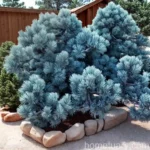
Ashe juniper, scientifically known as Juniperus ashei, is a species of juniper native to northeastern Mexico and the south-central United States. Also known as mountain cedar, blueberry juniper, and post cedar, this evergreen shrub or small tree belongs to the family Cupressaceae. Ashe juniper is a prominent species in the ecologically diverse and beautiful landscapes of its native range, with a multitude of uses ranging from landscaping to traditional medicine.
In this comprehensive guide, we will explore the characteristics, cultural significance, uses, care tips, and ecological importance of Ashe juniper. From its growth habits to pruning techniques, from wildlife habitat to disease resistance, and from ecological roles to landscaping ideas, we will delve into the essential aspects of this versatile plant.
So, let’s dive into the world of Ashe juniper, exploring its ecological significance and practical applications, and gain an in-depth understanding of this unique and valuable species.
Key Takeaways – Ashe Juniper (Juniperus ashei)
Before we delve into the details, here are the key takeaways of the diverse aspects we will cover in this comprehensive guide to Ashe juniper:
- Ashe Juniper is a versatile evergreen shrub or small tree known for its cultural, ecological, and medicinal importance.
- Juniperus ashei has significant landscape uses and is valued for its drought tolerance and wildlife habitat.
- Ashe juniper requires minimal watering and is well-suited to arid and semi-arid regions, making it an ideal choice for water conservation efforts.
- This plant is of ecological importance due to its interactions with native wildlife, its role in soil conservation, and its adaptability to different regions.
Now, let’s explore Ashe juniper in greater detail, covering its culture, uses, care requirements, and ecological significance to gain a comprehensive understanding of this fascinating plant species.
Culture
To understand the full potential of Ashe juniper, it is important to be familiar with its cultural background, traditional uses, and significance in various communities. This section will explore the cultural aspects associated with Ashe juniper, shedding light on its historical, traditional, and modern-day uses.
Traditional Uses
Ashe juniper has a rich history of traditional uses among various indigenous communities and cultures. From its wood to its berries, different parts of the plant have been utilized for a wide range of purposes. The wood of Ashe juniper has been historically used in crafting tools, weapons, and ceremonial items. The berries have been used for food, medicine, and dyeing purposes.
Modern Significance
In contemporary culture, Ashe juniper continues to hold significance in landscaping, herbal medicine, and ecological restoration efforts. Its unique properties and aesthetic appeal make it a valuable asset in modern landscape designs, providing greenery and texture in diverse settings. Additionally, the plant’s ecological benefits contribute to its growing importance in sustainable landscaping and conservation practices.
Uses
Ashe juniper is valued for its diverse uses, ranging from landscaping and ecological restoration to medicinal and aromatic applications. Understanding its various uses is essential in maximizing the potential benefits of this versatile plant.
Landscape Uses
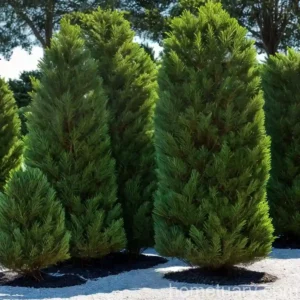
Ashe juniper is widely utilized in landscaping for its drought tolerance, evergreen foliage, and attractive blue berries. It is frequently used to add texture and visual interest in gardens, parks, and naturalized landscapes. The plant’s resilience and adaptability make it a popular choice for xeriscaping, especially in arid and semi-arid regions where water conservation is a priority.
Medicinal and Aromatic Applications
The berries of Ashe juniper are known for their medicinal and aromatic properties. They have been traditionally used to prepare herbal remedies for respiratory ailments and to extract essential oils for aromatherapy. The aromatic qualities of the plant make it a valuable resource for producing scented products, ranging from soaps and candles to perfumes and air fresheners.
Water
Ashe juniper exhibits moderate to high drought tolerance, making it well-suited to arid and semi-arid regions with minimal water availability. Understanding the plant’s water requirements and optimal watering practices is essential for its successful cultivation and sustainable growth.
Watering Guidelines
Ashe juniper generally requires minimal watering once established. During the initial planting phase, regular watering is recommended to facilitate root establishment and vigorous growth. Once the plant is established, it can thrive with minimal supplemental watering, relying primarily on natural rainfall in its native habitat.
Water Conservation
The plant’s drought tolerance and minimal water requirements contribute to its value in water conservation efforts. By incorporating Ashe juniper into landscaping projects and ecological restoration initiatives, individuals and organizations can contribute to sustainable water management and conservation, particularly in regions prone to water scarcity and drought conditions.
Sunlight
Ashe juniper, like many other juniper species, exhibits a preference for full sun exposure. Understanding its sunlight requirements is crucial for optimizing its growth, foliage density, and overall health.
Sun Exposure
Ashe juniper thrives in full sun conditions, receiving direct sunlight for the majority of the day. Adequate sunlight exposure promotes robust growth, enhances foliage coloration, and encourages the development of its characteristic blue berries. While the plant can tolerate partial shade, optimal sunlight exposure is essential for achieving its full aesthetic and ecological potential.
Sunlight Requirements for Landscaping
When incorporating Ashe juniper into landscaping designs, it is important to consider its sunlight requirements and ensure its placement in sun-drenched areas. Properly positioning the plant to receive ample sunlight will contribute to its overall vigor, aesthetics, and functional contributions to the landscape.
Fertilizer
Nourishing Ashe juniper with appropriate fertilization can support its growth and vitality, especially in nutrient-deficient soils or when cultivated in urban or disturbed environments. Understanding the plant’s fertilizer requirements is essential to provide the necessary nutrients for thriving growth.
Soil Conditions and Fertilization
Ashe juniper is adaptable to various soil types, including well-draining sandy soils and rocky terrains. The plant generally thrives in nutrient-poor soils, and excessive fertilization can lead to adverse effects on its growth and ecological interactions. In the absence of specific deficiencies, additional fertilization may not be necessary for Ashe juniper, as it is naturally adapted to low-nutrient environments.
Organic Amendments
When fertilization is deemed necessary based on soil assessments and plant performance, organic amendments such as well-aged compost or organic mulches can be beneficial for providing slow-release nutrients and improving soil structure. Incorporating organic matter into the soil can enhance its fertility and promote overall ecosystem health.
Soil
Ashe juniper displays adaptability to a broad range of soil conditions, reflecting its resilience in various ecological settings. Understanding the plant’s soil preferences and its ability to thrive in different soil types is crucial for successful cultivation and ecological restoration efforts.
Soil Preferences
The plant exhibits a preference for well-drained soils, including sandy and gravelly substrates commonly found in its native habitat. It is tolerant of shallow, rocky soils and is capable of thriving in nutrient-poor environments, demonstrating its durability and adaptability in challenging soil conditions.
Soil Conservation
The extensive root system of Ashe juniper plays a significant role in soil conservation and erosion control. By stabilizing the soil with its roots and preventing erosion, the plant contributes to the maintenance of ecological balance and the preservation of natural landscapes. Its soil-stabilizing properties make it valuable in restoration projects aimed at rehabilitating degraded habitats.
Pruning
Pruning is an essential aspect of Ashe juniper maintenance, contributing to its overall health, aesthetic appeal, and ecological functionality. Understanding the principles of pruning and employing appropriate techniques are crucial for effectively managing the plant in diverse landscape settings.
Pruning Objectives
Pruning Ashe juniper serves multiple objectives, including maintaining its desired shape, controlling size, and removing dead or diseased branches. Additionally, selective pruning can enhance air circulation within the plant canopy, promote vigorous growth, and stimulate the development of new foliage.
Pruning Techniques
When pruning Ashe juniper, it is important to utilize sharp, clean tools to ensure precise cuts and minimize the risk of damage or disease transmission. Careful consideration of the plant’s natural growth habit and aesthetic requirements is essential when determining the extent and timing of pruning activities.
Propagation
The propagation of Ashe juniper is valuable for expanding its presence in ecological restoration projects, sustainable landscaping, and horticultural developments. Understanding the methods of propagation and the plant’s reproductive processes is essential for successfully propagating new individuals.
Seed Propagation
Ashe juniper can be propagated from seeds, which are enclosed within its characteristic blue berries. Harvesting and germinating seeds can provide an effective means of producing new plants for various applications, contributing to the conservation and utilization of this species.
Vegetative Propagation
In addition to seed propagation, Ashe juniper can be propagated through vegetative methods such as stem cuttings and layering. These techniques offer alternative approaches to generating new plants with desired characteristics, supporting the plant’s cultivation and utilization in diverse settings.
Container Popularity
Ashe juniper’s popularity as a container plant has been growing due to its adaptable nature, aesthetic appeal, and suitability for confined growing conditions. This section will explore the factors contributing to Ashe juniper’s popularity as a container plant and the considerations for successful container cultivation.
Aesthetic Value
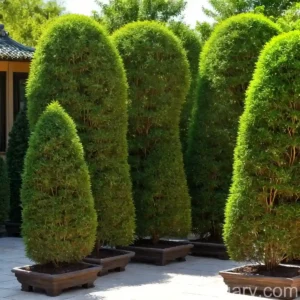
Ashe juniper’s evergreen foliage, blue berries, and distinctive growth habit contribute to its aesthetic appeal in container plantings. The plant’s ornamental qualities make it a desirable choice for adding greenery and texture to outdoor and indoor spaces, enhancing the visual appeal of container gardens and landscapes.
Container Suitability
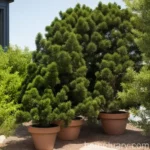
The adaptability of Ashe juniper to confined growing spaces and its minimal water requirements make it well-suited for container cultivation. Its drought tolerance and modest size enable it to thrive in containers, making it a practical and attractive option for individuals seeking low-maintenance plants for their outdoor or indoor environments.
Common Diseases
Ashe juniper is susceptible to certain diseases that can affect its growth, vigor, and ecological interactions. Understanding the common diseases and their management is crucial for maintaining the health and resilience of this valuable plant species.
Cedar Apple Rust
Causal Agent: Gymnosporangium juniperi-virginianae
Symptoms: Small, yellow-orange spots on leaves, cankers on twigs, and distinct orange gelatinous structures on the undersides of leaves.
Management: Removing alternate hosts such as apple trees, promoting good air circulation, and applying fungicidal treatments when necessary.
Phomopsis Tip Blight
Causal Agent: Phomopsis juniperovora
Symptoms: Brown, blighted shoot tips with small black fruiting bodies, dieback of twigs and branches.
Management: Pruning affected branches, promoting plant vigor through proper cultural practices, and utilizing fungicidal applications when warranted.
Root Rot
Causal Agents: Various soil-borne fungi (e.g., Phytophthora spp.)
Symptoms: Wilting, yellowing, and dieback, accompanied by decayed and discolored roots.
Management: Improving soil drainage, avoiding overwatering, and utilizing appropriate fungicidal treatments in severe cases.
Disease Diagnosis
Diagnosing diseases affecting Ashe juniper involves careful observation of symptoms, understanding the plant’s ecological context, and conducting appropriate diagnostic tests when necessary. Expert diagnosis and timely management are essential for preserving the health and vitality of this valuable plant species.
Symptom Identification
Careful observation of symptoms such as lesions, discoloration, wilting, and abnormal growth can provide valuable insights into the nature of diseases affecting Ashe juniper. Recognizing characteristic disease symptoms is critical for accurate diagnosis and effective management.
Diagnostic Tests
In cases where disease identification is challenging or the causal agent is unclear, conducting diagnostic tests, such as laboratory analyses and pathogen isolation, can aid in accurately identifying the specific diseases affecting the plant. Expert assistance from plant pathologists or diagnostic laboratories may be necessary for precise diagnosis.
Common Pests
Several pests can impact the health and aesthetics of Ashe juniper, requiring vigilant monitoring and appropriate intervention measures. Understanding the common pests and their management is crucial for safeguarding the plant from detrimental infestations.
Juniper Scale
Scientific Name: Carulaspis juniperi
Symptoms: White, waxy scales on the foliage, yellowing and wilting of affected branches, and overall decline in plant vigor.
Management: Pruning heavily infested branches, promoting natural predators, and employing horticultural oils or insecticidal treatments when necessary.
Cedar Leaf Miner
Scientific Name: Argyresthia cupressella
Symptoms: Blotchy mining on juniper foliage, browning of affected areas, and reduced plant vitality.
Management: Pruning infested branches, promoting natural enemies, and utilizing targeted insecticidal applications when pest populations exceed tolerable levels.
Spider Mites
Scientific Name: Various species (e.g., Tetranychus urticae)
Symptoms: Fine webbing on foliage, stippling or discoloration of leaves, and reduced plant vigor.
Management: Enhancing natural predator populations, improving plant vigor through cultural practices, and considering selective miticidal treatments when mite populations become problematic.
Botanist’s Tips
Ashe juniper, with its ecological importance, cultural significance, and practical uses, presents unique opportunities for horticulturists, conservationists, and enthusiasts. This section offers valuable tips and insights from botanists and horticultural experts to maximize the potential benefits of Ashe juniper in diverse contexts.
Ecological Integration
Botanists emphasize the ecological significance of Ashe juniper and promote its integration into native landscapes, restoration projects, and wildlife habitat enhancement initiatives. By recognizing its role in supporting diverse species and stabilizing fragile ecosystems, botanists advocate for the conservation and proper management of this plant species.
Sustainable Landscaping
In the realm of horticulture, botanists emphasize the value of Ashe juniper in sustainable landscaping practices. They highlight its water-conserving properties, low-maintenance requirements, and aesthetic contributions, positioning it as a valuable asset for environmentally conscious landscape designs and habitat restoration efforts.
Fun Facts
Uncover some intriguing and lesser-known facts about Ashe juniper that highlight its unique characteristics and ecological contributions.
- Ashe juniper’s distinctive blue berries are a valuable food source for numerous bird species, contributing to wildlife biodiversity and ecological balance.
- The aromatic qualities of Ashe juniper have traditionally been utilized in crafting natural incenses and herbal preparations, reflecting its cultural and historical significance as a plant of multi-faceted utility.
- The wood of Ashe juniper, known for its durability and resistance to decay, has been traditionally employed in crafting fence posts, furniture, and other utilitarian items, showcasing the plant’s practical value beyond its ecological attributes.
Links to External Resources
For further exploration of Ashe juniper (Juniperus ashei), here are some additional resources that provide valuable information and insights regarding this unique plant species:
- Texas A&M AgriLife Extension – Ashe Juniper
- Lady Bird Johnson Wildflower Center – Ashe Juniper
- USDA Forest Service – Juniperus ashei
- Missouri Botanical Garden – Juniperus ashei
| Ashe Juniper uses | Juniperus ashei properties | Ashe Juniper characteristics |
|---|---|---|
| 1. Landscape Uses | Drought Tolerance | Evergreen Foliage |
| 2. Medicinal and Aromatic Applications | Wildlife Habitat | Adaptability to Different Regions |
| 3. Wildlife Benefits | Soil Conservation | Growth Habits |
| Benefits of Juniperus ashei | Ashe Juniper facts | Juniperus ashei information |
|---|---|---|
| 1. Sustainability | Valuable Food Source | Ecological Role |
| 2. Aesthetic Appeal | Historical Significance | Adaptation to Challenging Environments |
| 3. Wildlife Support | Diverse Traditional Uses | Landscape Suitability |
| Ashe Juniper growth habits | Uses of Juniperus ashei | Ashe Juniper care tips |
|---|---|---|
| 1. Robust Root System | Landscaping | Drought Tolerance |
| 2. Minimal Water Requirements | Medicinal and Aromatic Uses | Sunlight Preferences |
| 3. Wildlife Interaction | Ecological Restoration | Pruning Guidelines |
| Juniperus ashei planting guide | Ashe Juniper species | Juniperus ashei native range |
|---|---|---|
| 1. Well-Drained Soil | Evergreen Shrub | South-Central United States |
| 2. Full Sun Exposure | Small Tree | Northeastern Mexico |
| 3. Minimal Watering | Drought Tolerant |
| Ashe Juniper medicinal uses | Juniperus ashei essential oil | Ashe Juniper landscape design |
|---|---|---|
| 1. Respiratory Ailments | Aromatherapy | Sustainable Landscaping |
| 2. Herbal Remedies | Fragrance Production | Habitat Restoration |
| 3. Traditional Medicine | Health and Wellness | Ecological Integration |
| Juniperus ashei drought tolerance | Ashe Juniper pruning techniques | Juniperus ashei wildlife habitat |
|---|---|---|
| 1. Water Conservation | Shape Maintenance | Biodiversity Support |
| 2. Xeriscaping | Size Control | Habitat Enhancement |
| 3. Arid Region Suitability | Vigorous Growth Promotion | Conservation Impact |
| Ashe Juniper disease resistance | Juniperus ashei ornamental value | Ashe Juniper fire ecology |
|---|---|---|
| 1. Rust and Blight Resistance | Color and Texture Contribution | Community and Ecosystem Resilience |
| 2. Adaptation to Stressful Conditions | Landscape Attraction | Fire Adaptation Mechanisms |
| 3. Ecological Stability | Visual Interest | Fire Regime Influence |
| Juniperus ashei wood properties | Ashe Juniper wildlife benefits | Juniperus ashei ecological role |
|---|---|---|
| 1. Durability and Decay Resistance | Biodiversity Support | Ecosystem Stabilization |
| 2. Utilitarian Applications | Ecosystem Resilience | Environmental Balance |
| 3. Traditional Uses | Wildlife Biodiversity | Ecological Interactions |
| Ashe Juniper propagation methods | Juniperus ashei commercial uses | Ashe Juniper cultural significance |
|---|---|---|
| 1. Seed Propagation | Landscaping and Horticulture | Indigenous and Traditional Uses |
| 2. Vegetative Propagation | Botanical and Conservation Gardens | Historical and Symbolic Significance |
| 3. Horticultural Development | Habitat Restoration Projects | Community and Cultural Relevance |
| Juniperus ashei geographical distribution | Ashe Juniper gardening tips | Juniperus ashei soil requirements |
|---|---|---|
| 1. Native Range and Habitat | Watering and Maintenance | Well-Drained, Low-Fertility Soil |
| 2. Ecological Niches and Interactions | Pruning and Care Practices | Adaptability to Challenging Soils |
| 3. Biodiversity Hotspots | Ecological Considerations | Moderation of Fertilizer Application |
Ashe Jun