The Singleseed Juniper (Juniperus squamata ‘Holger’): A Plant Scientist’s Guide
As a plant scientist and enthusiast, I am thrilled to delve into the captivating world of the singleseed juniper, scientifically known as Juniperus squamata ‘Holger’. This remarkable plant species has captivated gardeners, landscapers, and horticulturists with its various interesting features and incredible adaptability. In this comprehensive guide, we will explore every aspect of the singleseed juniper, from its cultivation and maintenance to its landscape uses and ecological significance.
What is a Singleseed Juniper (Juniperus squamata ‘Holger’)?
The singleseed juniper, or Juniperus squamata ‘Holger’, is a captivating evergreen shrub that belongs to the family Cupressaceae. It is a cultivated variety of the species Juniperus squamata, which is native to the mountainous regions of Asia, particularly in China and the Himalayas. Juniperus squamata ‘Holger’ is renowned for its stunning foliage, compact growth habit, and outstanding resilience, making it a popular choice for various landscaping and gardening applications.
Key Takeaways – Singleseed Juniper (Juniperus squamata ‘Holger’)
Before we delve into the specific aspects of cultivating and caring for the singleseed juniper, let’s outline the key takeaways that we will explore in detail:
- Botanical Name: Juniperus squamata ‘Holger’
- Common Name: Singleseed juniper
- Species: Juniperus squamata
- Cultivar: ‘Holger’
- Growth Habit: Evergreen shrub
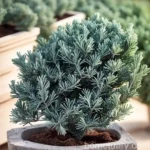
- Distinctive Features: Compact growth, silvery-blue foliage
- Landscape Uses: Ornamental planting, ground cover, rock gardens
- Hardiness Zone: 4 to 7
- Sunlight Requirements: Full sun to partial shade
- Soil Preferences: Well-drained, acidic to neutral soil
- Watering Needs: Drought tolerant once established
- Pruning Requirements: Minimal, primarily for shaping
- Propagation Methods: Seeds, cuttings
- Common Diseases: Cedar-apple rust, tip blight
- Common Pests: Spider mites, bagworms
Now that we have an overview of the key aspects of the singleseed juniper, let’s delve into each of these points in detail, providing comprehensive insights into the care, cultivation, and characteristics of this remarkable plant.
Culture of Singleseed Juniper (Juniperus squamata ‘Holger’)
Cultivating the singleseed juniper involves understanding its specific preferences for soil, water, sunlight, and overall maintenance. Let’s explore each of these components in detail:
Uses
The singleseed juniper, with its striking silvery-blue foliage and compact growth habit, is primarily valued for its ornamental and landscaping applications. Its versatility in design and ability to thrive in various environmental conditions make it a sought-after plant for enhancing outdoor spaces.
Water
Established singleseed junipers are remarkably drought-tolerant and require minimal watering once they have developed a strong root system. However, during the initial establishment phase, it is crucial to provide adequate moisture to support healthy growth.
Sunlight
Full sun is the ideal condition for promoting the best growth and foliage coloration in singleseed junipers. However, they can also tolerate partial shade, especially in regions with intense afternoon sun or in shaded planting areas.
Fertilizer
Singleseed junipers generally do not have high fertilizer requirements and can thrive in nutrient-poor soils. An application of a balanced fertilizer in early spring can support healthy growth, but excessive fertilization should be avoided to prevent potential issues.
Soil
The soil preferences of singleseed junipers revolve around well-drained conditions, as they are susceptible to root rot in waterlogged soils. Additionally, they thrive in slightly acidic to neutral soil pH levels, making them adaptable to a range of soil types.
Pruning
Minimal pruning is necessary for singleseed junipers, with the primary objective being to shape the plant or remove any damaged or diseased branches. It is best to conduct pruning during the dormant season to minimize stress on the plant.
Propagation
Singleseed junipers can be propagated from seeds or through semi-hardwood cuttings. The success of propagation significantly depends on providing optimal environmental conditions and ensuring the use of healthy, disease-free plant material.
Container Popularity
Due to their compact growth habit and ornamental foliage, singleseed junipers are popular choices for container planting, adding visual interest to patios, balconies, and outdoor living spaces.
Common Diseases and Pests Affecting Singleseed Juniper (Juniperus squamata ‘Holger’)
Like many plant species, singleseed junipers are susceptible to certain diseases and pests that can impact their overall health and appearance. Understanding these potential issues is essential for implementing preventive measures and effective management strategies.
Common Diseases
- Cedar-Apple Rust: This fungal disease can affect the foliage of singleseed junipers, leading to the development of orange-brown galls and eventual defoliation if left unmanaged.
- Tip Blight: Caused by fungal pathogens, tip blight can result in the browning and dieback of the new growth on singleseed junipers, impacting their visual appeal.
Disease Diagnosis
Early detection and accurate diagnosis of diseases affecting singleseed junipers are crucial for implementing timely and targeted treatment strategies. Monitoring the plant for any signs of abnormal foliage coloration, lesions, or unusual growth patterns can aid in identifying potential issues.
Common Pests
- Spider Mites: These tiny arachnids can infest singleseed junipers, causing stippling and discoloration of the foliage, particularly in hot and dry conditions.
- Bagworms: The larvae of bagworm moths can feed on the foliage of singleseed junipers, leading to defoliation if left unchecked.
Botanist’s Tips for Disease and Pest Management
- Preventive Care: Implementing proper cultural practices, such as promoting good air circulation and avoiding excessive moisture, can help reduce the risk of diseases and pest infestations.
- Monitoring: Regularly inspecting singleseed junipers for any signs of diseases or pests can facilitate early intervention and minimize potential damage.
- Selective Pruning: Removing and disposing of affected plant material can limit the spread of diseases and eliminate certain pests, contributing to overall plant health.
Fun Facts about Singleseed Juniper (Juniperus squamata ‘Holger’)
As we unravel the captivating world of the singleseed juniper, it’s fascinating to explore some intriguing and lesser-known facts about this remarkable plant species:
- Ecological Significance: Singleseed junipers play a vital role in supporting wildlife, providing shelter and food sources for various bird species and small mammals.
- Historical Uses: Juniper berries, borne by certain species within the Juniperus genus, have been utilized for their culinary and medicinal properties across different cultures and traditions.
- Symbolism: In some cultures, juniper has been associated with symbolism related to protection, purification, and longevity, reflecting the deep-rooted cultural significance of this plant.
Now, armed with a deeper understanding of the cultural, ecological, and historical dimensions of the singleseed juniper, let’s explore some botanist-recommended resources to further expand our knowledge and appreciation of this fascinating plant.
Links to External Resources
- American Conifer Society: The American Conifer Society provides valuable resources and publications on conifers, including junipers, catering to both enthusiasts and horticultural professionals.
- Missouri Botanical Garden: The Missouri Botanical Garden offers comprehensive plant databases and educational materials, encompassing a wide range of ornamental and native plant species, including junipers.
- Royal Horticultural Society: The Royal Horticultural Society’s website features in-depth plant profiles and practical gardening guidance, allowing enthusiasts to access reliable information on junipers and their care.
- University Extension Websites: Various university extension websites provide research-based articles and guides on landscaping plants, offering specific insights into the cultivation and management of junipers.
These external resources serve as invaluable tools for expanding our knowledge of the singleseed juniper and honing our skills in cultivating and maintaining these remarkable plants.
In conclusion, the singleseed juniper (Juniperus squamata ‘Holger’) stands as a testament to nature’s enduring beauty and resilience. Whether gracing garden landscapes, adorning container gardens, or enriching natural habitats, this captivating plant continues to inspire and enthrall plant enthusiasts and horticulturalists around the world.
Through a deeper understanding of its cultural significance, ecological roles, and fundamental care requirements, we can foster a greater appreciation for the singleseed juniper and revel in the timeless allure of this remarkable botanical treasure.
As we continue to explore and celebrate the diverse world of plants, let us embrace the enduring wonder of the singleseed juniper and the rich tapestry of life it embodies.
With that, we have embarked on an insightful journey into the realm of the singleseed juniper, unveiling its botanical charms, practical care requirements, and broader significance in the natural world. I hope this guide has inspired a newfound appreciation for this exceptional plant species and has equipped you with the knowledge and insights to cultivate and enjoy singleseed junipers to their fullest potential.
Happy gardening and may the timeless beauty of the singleseed juniper enrich your outdoor spaces and kindle a deep connection to the wonders of the natural world.
Thank you for joining me on this botanical exploration, and until our next horticultural adventure, may your gardens flourish and your passion for plants continue to bloom.