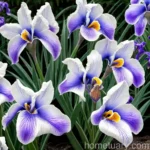
Douglas Iris (Iris douglasiana): A Comprehensive Guide
Iris douglasiana, commonly known as Douglas Iris, is a stunning and versatile plant that thrives in various environments. As a plant scientist, I have delved into the intricacies of this beautiful species to provide a comprehensive guide on its cultivation, characteristics, and ecological significance. Throughout this blog post, we will explore the cultural practices, ecological roles, and practical uses of Iris douglasiana, catering to both seasoned horticulturists and enthusiastic gardening novices.
What is Iris douglasiana (Douglas Iris)?
Iris douglasiana, belonging to the family Iridaceae, is a native plant species predominantly found along the coastal regions of California and Oregon in the United States. This perennial herbaceous plant is valued for its vibrant flowers, which exhibit a wide spectrum of colors, including shades of blue, purple, and white. The Douglas Iris is an integral component of coastal ecosystems, contributing to the region’s biodiversity and serving as a significant ornamental plant in horticulture.
Key Takeaways – Iris douglasiana (Douglas Iris)
Before we delve into the specifics of nurturing and propagating Iris douglasiana, let’s highlight some key takeaways that will guide our exploration of this captivating plant:
- Cultural Practices: Understanding the cultural requirements, such as water, sunlight, and soil preferences, is essential for successful cultivation.
- Uses: Recognizing the practical and ornamental uses of Iris douglasiana enhances its horticultural appeal.
- Propagation: Exploring effective propagation methods allows enthusiasts to expand their Iris douglasiana collection.
- Common Diseases and Pests: Identifying prevalent diseases and pests enables proactive management and protection of the plant.
- Botanist’s Tips: Incorporating insights from plant scientists can optimize the care and growth of Iris douglasiana.
Now, let’s embark on an insightful journey through the world of Iris douglasiana, unraveling its unique characteristics, propagation techniques, and ecological significance.
Culture
Water
Proper watering is crucial for the health and vigor of Iris douglasiana. The plant thrives in moist, well-drained soils, particularly during its active growing period. Adequate soil moisture is essential for the development of healthy rhizomes and the production of vibrant flowers. However, it is crucial to avoid waterlogged conditions, as excessive moisture can lead to root rot and other detrimental issues.
Water Needs:
- Moderate to regular watering during the growing season.
- Allow the soil to dry slightly between watering sessions, maintaining consistent moisture without waterlogging the roots.
Sunlight
Iris douglasiana exhibits a versatile response to sunlight, displaying a preference for both full sun and partial shade depending on the local climate. In coastal regions characterized by mild summers, the plant benefits from ample sunlight to promote robust growth and prolific flowering. On the other hand, in areas with intense summer heat, providing partial shade during the hottest part of the day can prevent stress and sun damage.
Sunlight Requirements:
- Full sun to partial shade, especially in regions with hot summers.
- Filtered sunlight in hotter climates to protect against excessive heat and sunburn.
Fertilizer
Appropriate fertilization can significantly enhance the growth and flowering potential of Iris douglasiana. Before the active growing season, incorporating a balanced, slow-release fertilizer into the soil can supply essential nutrients for the plant’s development. Opt for a fertilizer with a balanced NPK ratio to support overall growth, root establishment, and floral display.
Fertilization Guidelines:
- Apply a balanced fertilizer in early spring before the onset of the growing season.
- Use a slow-release fertilizer to provide a sustained nutrient supply throughout the plant’s growth phase.
Soil
The soil composition plays a pivotal role in supporting the growth and vitality of Iris douglasiana. The plant thrives in well-drained, slightly acidic to neutral soils with good fertility. Amending the soil with organic matter, such as compost or well-rotted manure, can improve its structure and nutrient content, creating an optimal environment for the development of healthy roots and vigorous foliage.
Soil Preferences:
- Well-drained, slightly acidic to neutral soil.
- Incorporate organic matter to enhance soil fertility and structure.
Pruning
Pruning is an essential practice for maintaining the health and aesthetics of Iris douglasiana. Regular removal of spent flower stalks and old foliage not only promotes a tidy appearance but also prevents the plant from expending unnecessary energy on seed production. Additionally, removing diseased or damaged foliage can mitigate the risk of disease spread and maintain the plant’s vigor.
Pruning Recommendations:
- Deadhead spent flowers to encourage continuous blooming and prevent seed production.
- Trim discolored or damaged foliage to maintain plant health and appearance.
Uses
Iris douglasiana boasts diverse uses, ranging from its ecological significance in native habitats to its ornamental value in garden landscapes. Understanding the multifaceted roles of this plant enhances its appeal and fosters a deeper appreciation for its contributions to both natural ecosystems and cultivated gardens.
Ecological Significance
In its native habitats along the coast of California and Oregon, Iris douglasiana fulfills several crucial ecological roles. As a native plant species, it provides essential habitat and food sources for local wildlife, including pollinators such as bees and butterflies. The plant’s nectar-rich flowers attract pollinators, contributing to the overall diversity and resilience of coastal ecosystems.
Wildlife Habitat:
- Serves as a valuable nectar source for pollinators, supporting local bee and butterfly populations.
- Contributes to the biodiversity of coastal ecosystems by providing essential resources for native wildlife.
Ornamental Value
In horticulture, Iris douglasiana holds significant ornamental value, adorning gardens with its striking and diverse flowers. Its captivating blooms, combined with its adaptability to different growing conditions, make it a favored choice for landscaping projects and native plant gardens. The plant’s ability to thrive in coastal environments further enhances its appeal for gardeners seeking resilient and visually appealing species.
Landscaping and Garden Use:
- Adds vibrant and diverse color to garden landscapes, particularly in coastal and native plant gardens.
- Performs well in both formal and informal garden designs, showcasing its adaptability and aesthetic versatility.
Medicinal and Therapeutic Applications
Iris douglasiana has historical and cultural significance beyond its ornamental and ecological roles. Native American tribes utilized various parts of the plant for medicinal purposes, leveraging its potential therapeutic benefits. While contemporary usage of the plant for medicinal purposes requires careful consideration and expertise, exploring its traditional applications provides insight into its cultural significance and potential therapeutic properties.
Traditional Uses:
- Historical utilization of Iris douglasiana in Native American traditional medicine for various ailments and conditions.
- Represents cultural and historical significance as a plant with traditional therapeutic applications.
Propagation
Division
Dividing mature clumps of Iris douglasiana presents an effective method for propagation and expanding the plant’s presence in a garden or natural setting. This process involves carefully separating the rhizomes, ensuring that each division contains viable roots and healthy shoots. Division is typically performed during the plant’s dormant phase, allowing the divisions to establish themselves before the onset of the growing season.
Division Process:
- Identify mature clumps of Iris douglasiana with healthy and well-established rhizomes.
- Carefully dig up the clumps, ensuring minimal damage to the rhizomes and roots.
- Gently separate the rhizomes, ensuring that each division has ample roots and viable shoots.
- Replant the divisions in prepared soil, providing adequate water and monitoring their establishment.
Seed Propagation
Growing Iris douglasiana from seeds allows for the introduction of new genetic diversity and the potential development of unique variations. Seed propagation requires careful collection of mature seeds, followed by appropriate sowing and seedling care to ensure successful germination and establishment. While the process of seed propagation may take longer than other methods, it offers a rewarding opportunity for enthusiasts to engage with the plant’s lifecycle and genetic potential.
Seed Propagation Steps:
- Collect mature seeds from the plant’s seed capsules after they have ripened and dried.
- Prepare a well-draining seeding mix or compost for sowing the seeds.
- Sow the seeds at a shallow depth and lightly cover them with the growing medium.
- Keep the soil consistently moist but not waterlogged, providing the seeds with adequate warmth and light for germination.
Popularity
Iris douglasiana has garnered significant popularity among gardening enthusiasts and practitioners of ecological landscaping due to its captivating appearance and environmental benefits. Its adaptability to coastal environments, coupled with its ornamental appeal, has positioned it as a favored choice for sustainable and visually striking plantings. Whether employed in garden landscapes, native plant restoration projects, or conservation efforts, Iris douglasiana continues to attract attention and appreciation for its diverse applications.
Horticultural Appeal:
- Valued for its vibrant and diverse flowers, enriching garden landscapes and attracting pollinators.
- Holds ecological significance, particularly in coastal regions, contributing to sustainable landscaping and habitat restoration.
Common Diseases
Disease Diagnosis
While Iris douglasiana is generally resilient, it is susceptible to certain diseases and fungal infections, particularly under conditions of high moisture and poor air circulation. Understanding the symptoms and characteristics of common diseases enables timely intervention and management to mitigate their impact on the plant’s health and vigor.
Common Diseases:
- Leaf Spot: Manifests as dark or water-soaked spots on the foliage, potentially leading to leaf discoloration and defoliation.
- Soft Rot: Causes soft, waterlogged lesions on rhizomes and roots, often accompanied by a foul odor and decay.
Disease Control
Preventative measures and prompt intervention are essential for controlling and managing diseases that may affect Iris douglasiana. Utilizing cultural practices and targeted treatments can mitigate the risk of disease occurrence and minimize their impact on the plant’s overall health.
Preventative Measures:
- Ensure proper soil drainage and avoid waterlogged conditions to minimize the risk of fungal infections.
- Practice sanitation by promptly removing and disposing of diseased plant material to prevent the spread of pathogens.
Common Pests
Pest Identification
Despite its resilience, Iris douglasiana may encounter insect pests that can compromise its growth and flowering potential. Identifying common pests and their characteristic damage enables proactive measures to prevent infestations and protect the plant from undue stress.
Common Pests:
- Aphids: Small, soft-bodied insects that congregate on new growth and foliage, piercing and sucking plant juices.
- Snails and Slugs: Feed on tender foliage and flowers, leaving characteristic slime trails and irregular feeding damage.
Pest Management
Integrated pest management practices can effectively address pest issues while minimizing the use of chemical interventions. Implementing strategies such as physical barriers and biological control measures can help manage pest populations and maintain the health of Iris douglasiana.
Integrated Pest Management:
- Apply organic insecticidal soaps or horticultural oils to control aphid populations without harming beneficial insects.
- Utilize barriers such as copper tape or diatomaceous earth to deter snails and slugs from accessing the plant.
Botanist’s Tips
As a plant scientist with a passion for Iris douglasiana, I have compiled a set of practical tips and recommendations to empower enthusiasts and gardeners with the knowledge to cultivate and appreciate this enchanting plant.
Cultivation Insights
- Incorporate a layer of organic mulch around the base of Iris douglasiana to retain soil moisture and inhibit weed growth while contributing to soil health.
- Prioritize good air circulation around the plant through strategic spacing and appropriate pruning to minimize the risk of foliar diseases.
Ecological Awareness
- Embrace the ecological value of Iris douglasiana by integrating it into native plant gardens and restoration projects, supporting local biodiversity and environmental conservation efforts.
- Recognize the role of Iris douglasiana as a nectar source for pollinators and strive to create pollinator-friendly landscapes to support regional bee and butterfly populations.
Aesthetic Considerations
- Explore the diverse color variations and cultivars of Iris douglasiana to introduce a captivating display of flowers in garden landscapes, embracing the natural beauty of the plant.
- Combine Iris douglasiana with complementary native and ornamental plants to create visually appealing and ecologically balanced garden designs.
Fun Facts
Diving into the realm of Iris douglasiana unveils captivating and intriguing aspects of this plant that add depth to its allure and significance in horticulture and ecological contexts. Here are some engaging fun facts about Iris douglasiana:
- The specific epithet “douglasiana” pays tribute to the Scottish botanist David Douglas, known for his extensive botanical explorations in the Pacific Northwest.
- Iris douglasiana is a symbol of resilience and adaptability, thriving in coastal environments and embodying the spirit of resilience in the face of environmental challenges.
- The plant’s rhizomes were historically utilized by Native American tribes for their starchy properties, serving as a food source and demonstrating the cultural and practical significance of Iris douglasiana.
Links to External Resources
Enrich your understanding of Iris douglasiana by exploring the following resources:
- The Iris Family: Natural History & Classification
- Gardening with Native Plants of the Pacific Northwest
As we conclude our comprehensive exploration of Iris douglasiana, I hope this guide has provided a profound appreciation for the plant’s beauty, ecological contributions, and horticultural potential. By embracing the cultural, ornamental, and ecological dimensions of Iris douglasiana, we can celebrate and preserve its significance in the world of plants and gardens.
In this comprehensive guide, we delved into the extraordinary world of Iris douglasiana (Douglas Iris), encompassing its cultural practices, ecological roles, propagation techniques, and ornamental appeal. By embracing the multifaceted dimensions of this captivating plant, enthusiasts can cultivate, appreciate, and conserve Iris douglasiana, fostering a deeper connection to its botanical splendor and ecological significance.
Iris douglasiana embodies a harmonious blend of ecological resilience and ornamental charm, making it a symbol of natural beauty and ecological stewardship. Whether adorning garden landscapes or thriving in coastal habitats, its vibrant flowers and adaptability enrich the world of plants and inspire a deeper appreciation for botanical diversity and ecological interconnectedness.
As we conclude our exploration of Iris douglasiana, let us cherish the allure of this remarkable plant and foster its presence in gardens and natural landscapes, honoring its beauty and ecological contributions for generations to come.