Juniperus communis (Common Juniper): A Comprehensive Guide
A real gem in the world of plants, Juniperus communis, commonly known as Common Juniper, is a fascinating and versatile evergreen plant. This plant species belongs to the Cupressaceae family and is widely distributed in the Northern Hemisphere, including North America, Europe, and Asia. Its botanical name, Juniperus communis, reflects its widespread distribution and its important role in various ecosystems. In this comprehensive guide, we will dive deep into the various aspects of Juniperus communis, including its culture, uses, propagation, care tips, and much more.
What is Juniperus communis (Common Juniper)?
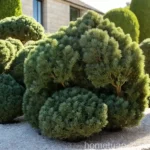
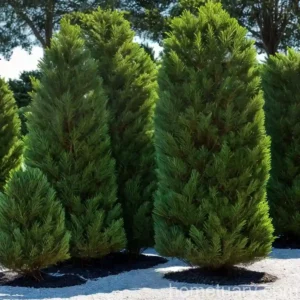
Juniperus communis is a small to medium-sized evergreen shrub with a wide distribution across the Northern Hemisphere. It is a dioecious plant with separate male and female cones and can thrive in a variety of environmental conditions, from coastal areas to mountainous regions. The Common Juniper is known for its blue-green needle-like leaves and its striking berry-like cones, which add ornamental value to the plant.
Key Takeaways – Juniperus communis (Common Juniper)
Let’s explore the essential aspects of Juniperus communis, including its culture, uses, water and sunlight requirements, fertilizer needs, soil preferences, pruning techniques, propagation methods, container gardening, popularity in landscaping, common diseases, pest management, and some fun facts. Along the way, we will also delve into the botanical characteristics, habitat, varieties, and the medicinal, culinary, and wildlife support aspects of this remarkable plant.
Culture
When it comes to culture, understanding the optimal conditions for the growth and development of Juniperus communis is crucial. From its habitat and growth habits to its seasonal changes, it is important to comprehend the cultural requirements of this plant to ensure its well-being.
Uses
The uses of Juniperus communis are diverse, ranging from medicinal and culinary to landscape and wildlife support. Exploring these uses sheds light on the multifaceted importance of this plant in various aspects of human life and ecological systems.
Water
Water is a vital element for the growth of any plant, and Juniperus communis is no exception. Understanding its specific water requirements, drought tolerance, and optimal watering practices is fundamental for cultivating healthy Common Juniper plants.
Sunlight
Sunlight is one of the primary energy sources for plants, and different species have varying sunlight requirements. By understanding the sunlight preferences of Juniperus communis, we can provide it with the ideal light conditions for robust growth.
Fertilizer
Fertilization plays a key role in the growth and vitality of plants. Learning about the fertilizer needs of Juniperus communis enables us to provide the essential nutrients for its optimal development.
Soil
The type of soil in which a plant is grown significantly influences its overall health and growth. Juniperus communis has specific soil preferences, and understanding these can make a substantial difference in its cultivation.
Pruning
Proper pruning techniques are essential for maintaining the shape, health, and aesthetic appeal of Juniperus communis. By mastering the art of pruning this plant, we can enhance its beauty and longevity.
Propagation
Propagation methods are crucial for expanding the population of Juniperus communis. Understanding the various propagation techniques and the factors influencing successful propagation is essential for the sustainable growth of this species.
Container Popularity
Container gardening is gaining popularity, and Juniperus communis is a favored choice for container cultivation due to its adaptability and ornamental value. Exploring its suitability for containers and the associated care tips is essential for successful container gardening.
Common Diseases
Like all living organisms, plants are susceptible to diseases. Understanding the common diseases that affect Juniperus communis and their diagnosis is critical for implementing effective disease management strategies.
Disease Diagnosis
Timely diagnosis of plant diseases is crucial for preventing their spread and minimizing their impact on the overall plant health. Learning how to diagnose diseases in Juniperus communis is an important skill for plant enthusiasts and horticulturists.
Common Pests
Pests can pose significant threats to the well-being of plants. Identifying the common pests that infest Juniperus communis and implementing appropriate pest management measures is essential for preserving the health and beauty of this species.
Botanist’s Tips
Insights from botanists provide valuable knowledge and tips for the cultivation and care of Juniperus communis. Incorporating the wisdom of experts in the field can greatly enhance our understanding and management of this plant.
Fun Facts
Lastly, discovering some fun and intriguing facts about Juniperus communis adds an element of wonder and appreciation to our exploration of this remarkable plant.
In this guide, we will address each of these key takeaways in detail to provide a comprehensive understanding of Juniperus communis and its cultivation, uses, and ecological significance. Let’s embark on this journey to unravel the mysteries and marvels of Common Juniper.
Common Juniper uses
Juniperus communis offers a plethora of uses, making it a highly versatile and valuable plant species. From medicinal properties to culinary applications and landscape uses, its diverse benefits make it an attractive choice for various purposes.
Medicinal Properties
The medicinal properties of Juniperus communis have been recognized and utilized for centuries. Various cultures around the world have employed different parts of the plant, such as the berries and essential oil, for their therapeutic benefits.
Culinary Uses
Juniper berries are not only prized for their medicinal properties but are also used as a flavoring agent in culinary applications. Their distinctive taste and aroma make them a popular ingredient in certain cuisines.
Landscape Uses
In landscaping, Juniperus communis serves multiple purposes, from ornamental shrubbery to ground cover and hedgerows. Its evergreen foliage and drought tolerance make it a favored choice for beautifying outdoor spaces.
Wildlife Support
The ecological significance of Juniperus communis extends to its role in supporting wildlife. The plant provides food and shelter for various animal species, contributing to the biodiversity of its habitat.
Native American Uses
Throughout history, Native American tribes have utilized the resources of Juniperus communis for various purposes, including traditional medicine, spiritual practices, and crafting.
Essential Oil
The essential oil derived from Juniperus communis has a wide range of applications, from aromatherapy and skincare to household and industrial uses. Its aromatic and beneficial properties make it a valuable commodity.
Wood Properties
While not as widely recognized as other uses, the wood of Juniperus communis possesses certain properties that make it suitable for specific applications, such as crafting and construction.
Juniperus communis benefits
Medicinal Benefits
The medicinal benefits of Juniperus communis encompass its ability to aid in digestion, act as a diuretic, and provide relief from certain ailments. Understanding these benefits is important for harnessing the plant’s healing properties.
Culinary Benefits
In culinary applications, Juniperus communis adds a unique and intriguing flavor profile to dishes and beverages, contributing to the diversity and creativity in cuisine.
Landscape Benefits
As a landscaping element, Juniperus communis offers numerous benefits, including its aesthetic appeal, low maintenance requirements, and ability to thrive in various environmental conditions.
Common Juniper species
Within the genus Juniperus, there are several other species that share similarities with Juniperus communis. Exploring these related species provides valuable insights into the diversity and characteristics of the Juniperus genus.
Habitat
The natural habitat of Juniperus communis encompasses a range of environments, from arid and rocky landscapes to coastal areas and mountain regions. Understanding its habitat preferences is essential for its successful cultivation.
Characteristics
The distinctive characteristics of Juniperus communis, such as its needle-like leaves, berry-like cones, and growth habits, contribute to its unique identity and appeal.
Cultivation
The cultivation of Juniperus communis involves understanding its growth habits, seasonal changes, soil preferences, and climatic requirements. By delving into its cultivation, we can gain valuable insights into nurturing this species.
Varieties
Juniperus communis exhibits considerable diversity in terms of its varieties, including differences in size, foliage color, and growth patterns. Exploring these varieties provides an appreciation of the plant’s adaptability and beauty.
Juniperus communis habitat
Juniperus communis thrives in diverse habitats, from temperate forests to alpine slopes, demonstrating its adaptability and resilience. Understanding its natural habitat and ecological role is crucial for its successful cultivation and conservation.
Growth Habits
The growth habits of Juniperus communis encompass its form, size, and rate of growth, all of which contribute to its visual appeal and suitability for specific settings.
Seasonal Changes
Seasonal changes, such as variations in foliage color and berry production, are integral aspects of Juniperus communis’ lifecycle and aesthetic appeal. Understanding these changes enhances our appreciation of the plant’s dynamic nature.
Evergreen Foliage
The evergreen foliage of Juniperus communis is a defining feature that contributes to its year-round visual impact and its suitability for creating green landscapes.
Common Juniper characteristics
Leaf Morphology
The needle-like leaves of Juniperus communis exhibit specific characteristics, including their color, arrangement, and texture. Exploring the leaf morphology provides valuable insights into the plant’s anatomy.
Evergreen Shrub
As an evergreen shrub, Juniperus communis maintains its foliage throughout the year, contributing to the visual interest and permanence of its presence in the landscape.
Ornamental Value
The ornamental value of Juniperus communis is derived from its distinctive foliage, berry-like cones, and overall aesthetic appeal, making it a sought-after plant for ornamental landscaping.
Juniperus communis cultivation
Cultivating Juniperus communis involves a combination of understanding its cultural requirements, propagation methods, pruning techniques, and container gardening possibilities. Delving into the aspects of its cultivation provides valuable knowledge for plant enthusiasts and horticulturists.
Care Tips
Providing optimal care for Juniperus communis involves understanding its water requirements, sunlight preferences, soil needs, and appropriate maintenance practices. By following care tips, we can ensure the plant’s health and vigor.
Propagation
The propagation of Juniperus communis can be accomplished through various methods, including seed sowing, cuttings, and layering. Mastering the propagation techniques is essential for expanding the population of this species.
Pruning Techniques
Pruning is a vital aspect of Juniperus communis maintenance, involving techniques for shaping the plant, removing dead or overgrown foliage, and promoting healthy growth. Learning the proper pruning techniques is crucial for the plant’s well-being.
Landscape Uses
In landscaping, Juniperus communis offers a range of possibilities, from standalone specimens to hedges and ground cover. Exploring its landscape uses provides inspiration and guidance for incorporating this plant into outdoor settings.
Common Juniper growth habits
Habitat Preferences
The growth habits of Juniperus communis are influenced by its natural habitat preferences, which encompass factors such as soil type, moisture levels, and sunlight availability.
Varieties
The diverse varieties of Juniperus communis exhibit different growth habits, including variations in size, foliage color, and growth rate. Understanding these habits is important for selecting the most suitable varieties for specific gardening or landscaping purposes.
Topiary Techniques
Topiary, the art of training plants into ornamental shapes, offers creative possibilities for Juniperus communis. Delving into topiary techniques enables enthusiasts to explore unique and artistic expressions using this plant.
Juniperus communis varieties
The varieties of Juniperus communis represent its adaptability and diversity, offering a range of options for different gardening and landscaping needs.
Foliage Color
Varieties of Juniperus communis display a spectrum of foliage colors, from shades of green to blue, silver, and gold, adding visual interest and diversity to the plant palette.
Size
The size of Juniperus communis varieties varies, ranging from low-growing ground covers to larger shrubs, allowing for flexibility in design and spatial considerations.
Growth Patterns
Different varieties exhibit distinct growth habits, such as upright, spreading, or prostrate forms, providing options for creating varied and dynamic landscapes.
Common Juniper care tips
Effective care tips for Juniperus communis encompass considerations for its water requirements, sunlight preferences, soil needs, and pruning and maintenance practices.
Water Requirements
Understanding the specific water needs of Juniperus communis, including its drought tolerance and irrigation practices, is crucial for maintaining its health and vitality.
Sunlight Preferences
Juniperus communis exhibits varying sunlight preferences depending on the variety and environmental factors, necessitating a consideration of light conditions for its successful growth.
Soil Preferences
The soil preferences of Juniperus communis involve considerations for soil type, drainage, pH levels, and organic content, all of which contribute to its overall well-being.
Pruning Timing
Proper timing and techniques for pruning Juniperus communis are important for shaping the plant, managing its size, and promoting healthy growth.
Seasonal Changes
Understanding the seasonal changes in Juniperus communis, such as variations in berry production and foliage color, enables effective monitoring and management of the plant’s condition.
Juniperus communis propagation
Seed Germination
The seed germination process for Juniperus communis involves specific requirements, such as stratification and appropriate growing conditions, for successful propagation.
Pollination Process
As a dioecious plant, Juniperus communis requires an understanding of its pollination process and considerations for male and female plants to ensure berry production.
Seed Dispersal
The seed dispersal mechanisms of Juniperus communis contribute to its natural regeneration and dispersal in the wild, highlighting its ecological strategies for establishment.
Bonsai Cultivation
Juniperus communis is well-suited for bonsai cultivation, offering unique opportunities for creating miniature landscapes and artistic expressions with this plant.
Common Juniper pruning techniques
Ornamental Pruning
Pruning techniques for Juniperus communis can involve ornamental shaping, such as topiary and sculpting, to create artistic and visually striking forms.
Hedge Pruning
For hedges and formal landscape uses, specific pruning techniques are employed to maintain the desired size, shape, and density of Juniperus communis.
Topiary Methods
Topiary methods for Juniperus communis involve training and sculpting the plant into geometric or freeform shapes, showcasing its adaptability to artistic expressions.
Juniperus communis landscape uses
Ground Cover
Juniperus communis serves as an excellent ground cover, providing low-maintenance and visually appealing solutions for landscaping and garden design.
Hedgerows
As a hedge plant, Juniperus communis offers privacy, windbreak, and ornamentation, making it a versatile choice for defining outdoor spaces and creating visual barriers.
Wildlife Attracting
The landscape uses of Juniperus communis extend to its role in attracting wildlife, such as birds and small mammals, enhancing the ecological value of outdoor environments.
Common Juniper medicinal properties
Aromatic Benefits
The aromatic properties of Juniperus communis and its essential oil contribute to its use in aromatherapy, skincare, and household applications, offering both sensory and practical benefits.
Traditional Medicine
Throughout history, Juniperus communis has been used in traditional medicine for various conditions, such as digestive issues, joint pain, and respiratory ailments, highlighting its medicinal properties.
Natural Remedies
The natural remedies derived from Juniperus communis, such as herbal infusions and topical applications, offer holistic approaches to health and wellness.
Traditional Medicine
The use of Juniperus communis in traditional medicine encompasses a range of applications, from teas and tinctures to poultices and herbal preparations, reflecting its historical significance in healing practices.
Juniperus communis essential oil
Benefits
The essential oil of Juniperus communis offers a wealth of benefits, including its aromatic, therapeutic, antimicrobial, and household uses, making it a valuable commodity in various industries.
Aromatherapy
The use of Juniperus communis essential oil in aromatherapy provides emotional, mental, and physical support, offering relaxation, clarity, and rejuvenation.
Skincare
In skincare, Juniperus communis essential oil contributes to its purifying, toning, and clarifying properties, making it a valuable ingredient in natural and holistic skincare products.
Common Juniper culinary uses
Flavoring Agent
Juniperus communis berries are used as a flavoring agent in culinary applications, adding their distinctive aroma and taste to a variety of dishes and beverages.
Beverages
In certain beverages, such as gin and certain ales, the flavor of Juniperus communis berries plays a central role, contributing to the unique character and complexity of these libations.
Culinary Recipes
Culinary recipes that incorporate Juniperus communis berries showcase the diverse and creative applications of this plant in cooking, from savory dishes to desserts and preserves.
Juniperus communis wildlife support
Birds
Juniperus communis provides food and shelter for various bird species, making it an important element in supporting avian populations and enhancing biodiversity.
Small Mammals
Certain small mammals, such as rodents and rabbits, utilize Juniperus communis for food and cover, highlighting its role in providing habitats and resources for wildlife.
Biodiversity
As a wildlife-supporting plant, Juniperus communis contributes to the overall biodiversity and ecological balance of its habitat, demonstrating its vital role in the natural world.
Common Juniper drought tolerance
Adaptations
The drought tolerance of Juniperus communis is attributed to its physiological adaptations, such as water-conserving mechanisms and resilient foliage, enabling it to thrive in arid environments.
Water Requirements
Understanding the water requirements and drought tolerance of Juniperus communis is essential for selecting suitable growing conditions and promoting its resilience in water-stressed environments.
Juniperus communis evergreen foliage
Year-Round Appeal
The evergreen foliage of Juniperus communis provides year-round visual interest and permanence, making it an attractive choice for creating green landscapes and garden designs.
Seasonal Variations
While evergreen, the foliage of Juniperus communis may exhibit seasonal variations in color, texture, and growth, adding dynamic elements to its visual presence.
Common Juniper pest management
Pest management for Juniperus communis involves identifying and addressing common pests that may affect the plant, such as insects and mites, through appropriate control measures and preventive strategies.
Juniperus communis disease resistance
Understanding the disease resistance of Juniperus communis, including its susceptibility to specific pathogens and environmental stressors, aids in implementing effective disease management and promoting overall plant health.
Common Juniper ornamental value
As an ornamental plant, Juniperus communis offers substantial value in landscaping, garden design, and decorative horticulture, contributing to the aesthetic appeal and functionality of outdoor spaces.
Juniperus communis Native American uses
The traditional uses of Juniperus communis by Native American tribes encompass a range of cultural, medicinal, and practical applications, reflecting its historical significance and value in indigenous cultures.
Common Juniper folklore
Folklore and cultural significance surrounding Juniperus communis reflect the plant’s symbolism, traditional beliefs, and stories, providing insights into the cultural connections and meanings attributed to this species.
Juniperus communis symbolism
The symbolism of Juniperus communis encompasses various meanings and associations in different cultures and traditions, ranging from spiritual and protective symbolism to themes