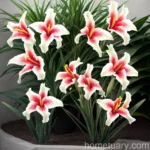
Gladiolus ‘Vista’ (Sword Lily): A Comprehensive Guide
Gladiolus ‘Vista’, commonly known as Sword Lily, is a stunning flowering plant that adds elegance and vibrancy to any garden or landscape. With its tall, sturdy stems and a myriad of colorful blooms, it has become a favorite among gardeners and flower enthusiasts. In this comprehensive guide, we will delve into the characteristics, cultivation, care, and maintenance of Gladiolus ‘Vista’, providing valuable insights and tips for ensuring the thriving growth of this beautiful plant.
What is Gladiolus ‘Vista’?
Gladiolus ‘Vista’, a member of the Iridaceae family, is a perennial flowering plant that is prized for its striking sword-shaped leaves and vibrant, showy flowers. Originating from South Africa, it has captivated the hearts of gardeners and florists alike with its extensive range of colors, including various shades of red, pink, purple, yellow, and white. The name “Gladiolus” is derived from the Latin word for “sword,” which aptly describes the plant’s sword-like foliage.
These plants typically reach heights of 2 to 4 feet and produce tall, erect spikes adorned with numerous trumpet-shaped flowers. Each stem can bear multiple blooms, creating a spectacular display of color and form. Due to its eye-catching appearance and remarkable versatility, Gladiolus ‘Vista’ serves as an excellent choice for cut flower arrangements, garden borders, and container gardening.
Key Takeaways – Gladiolus ‘Vista’ (Sword Lily)
Before delving into the specifics of growing and caring for Gladiolus ‘Vista’, let’s explore some key takeaways about this enchanting plant:
- Gladiolus ‘Vista’ Characteristics:
- Sword-shaped foliage
- Tall, erect flower spikes
- Diverse color options
- Trumpet-shaped blooms
-
Perennial nature
-
Growing Gladiolus ‘Vista:
- Optimal planting times and conditions
- Suitable companions for planting
-
Seasonal requirements for growth
-
Sword Lily ‘Vista’ Care:
- Watering needs
- Sunlight requirements
- Pruning tips
-
Fertilization guidelines
-
Propagation and Maintenance:
- Techniques for propagation
- Ongoing maintenance practices
-
Overwintering considerations
-
Soil, Water, and Sunlight:
- Best soil types for Gladiolus ‘Vista’
- Watering frequency and techniques
-
Ideal sunlight conditions for thriving growth
-
Pests and Diseases:
- Common pests affecting Sword Lilies
- Recognizing and managing plant diseases
-
Pest control and prevention strategies
-
Cultural and Aesthetic Uses:
- Popular applications in gardens and landscapes
- Floral arrangement and gardening ideas
- Unique characteristics and fragrance profile
Now, let’s embark on a journey to uncover the intricate details of cultivating and nurturing Gladiolus ‘Vista’ to achieve its full potential of beauty and grace.
Cultural Considerations
Uses
The Gladiolus ‘Vista’, with its graceful blooms and striking foliage, serves a multitude of purposes in both garden settings and the world of floral design. Its applications encompass:
- Garden Ornament: Planted in garden beds or used as border plants, Gladiolus ‘Vista’ adds vertical interest and a splash of vibrant color to outdoor landscapes.
- Cut Flower Production: Often cultivated for its use in stunning floral arrangements and bouquets, the long stems of Gladiolus ‘Vista’ make it an ideal choice for the cut flower industry.
- Container Gardening: Due to its vertical growth habit and stunning blooms, it is a popular choice for container gardening on patios, balconies, and decks.
Cultural Requirements
Water
Gladiolus ‘Vista’ plants have moderate water needs, preferring consistently moist but well-drained soil. However, they are also tolerant of short dry spells once established. Overly wet conditions can lead to root rot, so it’s important to ensure proper drainage to prevent waterlogging.
Sunlight
These plants thrive in full sunlight, requiring at least 6 to 8 hours of direct sunlight per day. Ensure they are positioned in a location with ample sunlight to promote robust growth and prolific flowering.
Fertilizer
Applying a balanced, all-purpose fertilizer when planting and then again as the flower spikes emerge can greatly benefit the growth and blooming potential of Gladiolus ‘Vista’. Opt for a fertilizer with a higher phosphorus content to encourage strong root development and abundant flower production.
Soil
Choosing the right soil type is crucial for the successful cultivation of Gladiolus ‘Vista’. Here are some essential aspects to consider:
- Well-Draining Soil: The soil should be well-draining to prevent waterlogging, which can have detrimental effects on the plant’s root system.
- Moisture Retention: While drainage is important, the soil should also retain moisture to support the plant’s water needs.
Select a loose, loamy soil enriched with organic matter to provide an ideal growing medium for Gladiolus ‘Vista’. Adding compost or well-rotted manure to the soil before planting can greatly enhance its fertility and structure.
Pruning
Proper pruning can help maintain the health and vigor of Gladiolus ‘Vista’ plants while also enhancing their aesthetic appeal. Here are some key pruning tips:
- Deadheading: Remove faded or spent flowers to encourage continuous blooming and prevent the plant from expending energy on seed production.
- Leaf Trimming: Trim any yellowing or damaged leaves to maintain the plant’s overall appearance and health.
- Stem Removal: After the blooming period, cutting back the flower stalks to ground level can redirect the plant’s energy into bulb development for the next season.
It’s important to use clean, sharp gardening shears when performing any pruning activities to minimize the risk of introducing pathogens or causing damage to the plant.
Propagation
Natural Propagation
Gladiolus ‘Vista’ primarily reproduces through corm division, which occurs naturally as the plant develops and matures. Corms are underground storage organs similar to bulbs that house the nutrients and reserves needed for the plant’s growth and development.
Division
When the corms have multiplied and formed clusters, they can be carefully dug up and divided to propagate new plants. This division process is typically performed during the plant’s dormant season, ensuring that each new division has sufficient energy reserves for successful establishment and subsequent growth.
Container Popularity & Care
Gladiolus ‘Vista’ is well-suited for container gardening, thanks to its upright growth habit and visually captivating flowers. When grown in containers, provide the following care considerations:
- Optimal Container Size: Select a container with ample depth to accommodate the plant’s root system and provide stability for its tall flower stalks. A depth of at least 12 inches is recommended.
- Drainage Holes: Ensure that the container has adequate drainage holes to prevent water from accumulating around the roots.
- Potting Medium: Use a well-draining potting mix with added perlite or coarse sand to promote proper aeration and prevent waterlogging.
Frequent watering is crucial for container-grown Gladiolus ‘Vista’ to maintain adequate moisture levels in the confined space of the container. Additionally, regular fertilization can help compensate for the nutrients that may become depleted more quickly in container environments.
Popularity and Common Varieties
Popularity
The allure of Gladiolus ‘Vista’ stems from its remarkable popularity among gardeners, flower enthusiasts, and florists. Its widespread appeal can be attributed to:
- Versatile Uses: The plant’s adaptability for garden landscapes, cut flowers, and container gardening makes it a versatile and sought-after choice.
- Vibrant Display: The striking display of tall flower spikes adorned with abundant blooms contributes to its visual appeal and desirability.
Common Varieties
Gladiolus ‘Vista’ offers a diverse array of color options and variations, enabling individuals to select from an extensive palette of hues to suit their preferences and design schemes. Some common varieties include:
- ‘Red Rhythm’: Featuring deep, velvety red blooms, this variety adds a sense of drama and elegance to any setting.
- ‘Golden Sun’: Boasting bright, sunlit yellow flowers, this variety exudes warmth and radiance, making it a captivating choice for floral arrangements.
Common Diseases and Diagnosis
Disease Diagnosis
When caring for Gladiolus ‘Vista’, it’s crucial to be vigilant about identifying and addressing any signs of disease promptly. Common diseases that can affect these plants include:
- Fungal Infections: Diseases such as botrytis and fusarium can lead to wilting, discoloration, and decay of the plant’s foliage and flower spikes.
- Bacterial Diseases: Bacterial infections may manifest as leaf spot, rot, or blight, impacting the overall health and vigor of the plant.
Early diagnosis of these diseases is essential to prevent their spread and minimize the potential damage to the plant. Utilize appropriate fungicides and bactericides to manage and control these issues effectively.
Common Pests
Pest Control
While Gladiolus ‘Vista’ is relatively resistant to pest infestations, it may still encounter some common pests that can impact its growth and flowering. These pests include:
- Thrips: These tiny, slender insects can cause damage by feeding on the plant’s tissues, leading to distorted growth and browning of flower petals.
- Aphids: These small, soft-bodied insects can cluster on the foliage and flower spikes, sucking sap from the plant and causing leaf distortion and yellowing.
Implementing proactive pest control measures, such as the use of insecticidal soaps or horticultural oils, can help manage and mitigate pest infestations without posing harm to the plant or environment.
Botanist’s Tips
For those seeking to cultivate Gladiolus ‘Vista’ and witness its full splendor, here are some expert tips to guide you in successfully growing and enjoying this captivating plant:
-
Choose a Variety: Select from the wide range of color options and varieties available to bring a personal touch and tailored aesthetic to your garden or floral displays.
-
Companion Planting: Consider planting Gladiolus ‘Vista’ alongside companion plants that complement its growth habits and flowering times, creating visually harmonious garden displays.
-
Stake Support: Given the tall and erect nature of the flower spikes, providing support in the form of stakes or trellises can prevent them from bending or toppling, particularly in exposed or windy locations.
Fun Facts
-
The name “Gladiolus” is derived from the Latin word for “sword,” which alludes to the plant’s sword-shaped leaves and overall form.
-
Gladiolus ‘Vista’ is often associated with traits such as strength, integrity, and honor, making it a symbolic flower in various cultural contexts and traditions.
-
In addition to their ornamental qualities, Gladiolus corms have been used in traditional medicine for their purported healing properties and as a source of dietary starch.
Now that we’ve explored the various facets of Gladiolus ‘Vista’, from its cultivation and care to its cultural significance and fascinating attributes, you are equipped with a wealth of knowledge to embark on your journey of nurturing and appreciating this exceptional plant.
Links to External Resources
For additional information and insights on Gladiolus ‘Vista’ and related topics, consider exploring the following external resources:
- The American Gladiolus Society
- Royal Horticultural Society – Gladiolus Growing Guide
- University of Illinois Extension – Planting and Growing Gladiolus
- Gardenia – Gladiolus ‘Vista’ Cultivar Information
In conclusion, Gladiolus ‘Vista’ (Sword Lily) stands as an emblem of beauty, strength, and versatility, enchanting enthusiasts and gardeners with its resplendent blooms and graceful demeanor. By embracing the insights and recommendations outlined in this comprehensive guide, you are poised to embark on a fulfilling journey of cultivating, caring for, and celebrating the unparalleled allure of Gladiolus ‘Vista’ in your own garden or landscape.