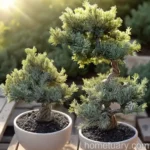
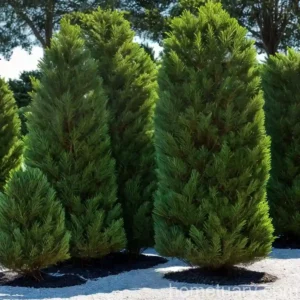
Juniperus scopulorum (Rocky Mountain Juniper): A Plant Scientist’s Guide
Introduction
As a plant scientist, I often find myself engaged in the study and cultivation of various plant species. One such fascinating plant that has captured my attention is the Juniperus scopulorum, commonly known as the Rocky Mountain Juniper. This remarkable species, native to North America, is renowned for its resilience and adaptability in various environmental conditions. In this comprehensive guide, I will delve into the aspects of culture, uses, care tips, and ecological significance of the Juniperus scopulorum, providing valuable insights for both enthusiasts and horticultural professionals.
What is Juniperus scopulorum (Rocky Mountain Juniper)?
Juniperus scopulorum, or the Rocky Mountain Juniper, is an evergreen coniferous shrub or tree belonging to the Cupressaceae family. This species is distributed across the western regions of North America, where it thrives in diverse habitats ranging from rocky mountainous terrain to dry, arid lands. With its distinctive blue-green foliage and rugged, gnarled appearance, the Rocky Mountain Juniper stands out as a charismatic component of the natural landscape.
Key Characteristics of Juniperus scopulorum:
- Botanical Name: Juniperus scopulorum
- Common Name: Rocky Mountain Juniper
- Family: Cupressaceae
- Foliage: Blue-green scale-like leaves
- Growth Habit: Columnar to broadly conical
- Mature Height: Up to 30 feet
- Native Range: Western North America
- Environmental Adaptability: Drought-tolerant and resilient to harsh conditions
Key Takeaways – Juniperus scopulorum (Rocky Mountain Juniper)
Before delving into the specific aspects of culture, uses, and care tips for Juniperus scopulorum, it’s essential to understand the fundamental characteristics and significance of this unique plant species.
Culture
Water
Juniperus scopulorum exhibits exceptional drought tolerance once established. However, during its initial establishment phase, regular watering is essential to promote root development and ensure optimal growth. After the plant has matured, it typically thrives in dry, well-drained soils, making it an ideal choice for xeriscaping and low-maintenance landscapes.
Sunlight
As a sun-loving species, Juniperus scopulorum thrives in full sunlight. It flourishes in open, sunny locations and is well-suited for landscapes with ample exposure to direct sunlight.
Fertilizer
In general, Juniperus scopulorum does not have high fertilizer requirements. However, for young or newly transplanted specimens, a balanced fertilizer applied in spring can promote healthy growth. It’s crucial to avoid excessive fertilization, as this can lead to potential issues such as excessive foliage production at the expense of the plant’s natural form.
Soil
The Rocky Mountain Juniper prefers well-drained soils and is well-adapted to a variety of soil types, including sandy, loamy, or rocky soils. It is crucial to ensure that the planting site has good drainage to prevent waterlogging, which can be detrimental to the plant’s health.
Uses
Juniperus scopulorum holds multifaceted uses that span ecological, ornamental, and practical applications. Its striking appearance, coupled with its resilient nature, has made it a popular choice for various landscaping and horticultural endeavors. Some of the primary uses of the Rocky Mountain Juniper include:
-
Landscaping: The species is widely utilized in landscaping projects, where it adds visual interest and texture to the environment. Its adaptability to arid climates and its low-maintenance requirements make it an excellent choice for xeriscaping and drought-tolerant landscaping designs.
-
Wildlife Habitat: Juniperus scopulorum provides valuable habitat and food sources for a diverse array of wildlife, including birds and small mammals. Its dense foliage offers protection and nesting sites, contributing to the ecological diversity of natural habitats.
-
Timber: The wood of Juniperus scopulorum has been historically used for various purposes, including fence posts, furniture, and crafting. The durable nature of the wood makes it suitable for outdoor applications.
-
Medicinal and Aromatic Uses: The aromatic properties of Juniperus scopulorum have been utilized in traditional medicine and aromatic products. The plant’s berries and foliage are valued for their potential medicinal properties and fragrance.
-
Erosion Control: Due to its extensive root system and adaptability to harsh environments, Juniperus scopulorum is employed in erosion control efforts, particularly in areas prone to soil erosion and land degradation.
With its diverse range of uses, the Rocky Mountain Juniper exemplifies the inherent versatility of native plant species and their contributions to both natural ecosystems and human activities.
Juniperus scopulorum Care Tips
Effective cultivation of Juniperus scopulorum requires careful attention to specific care practices to ensure its long-term health and vitality. By adhering to appropriate care guidelines, individuals can optimize the plant’s growth and overall appearance.
Water
Water Needs
Juniperus scopulorum exhibits a moderate water requirement, particularly during its establishment phase. Adequate watering during the initial planting period is crucial to promote healthy root development. Once the plant is established, it demonstrates remarkable drought tolerance and can thrive in minimal watering conditions. When watering, it is important to apply water deeply to encourage deep root growth and minimize surface evaporation.
Sunlight
Sun Exposure
The Rocky Mountain Juniper thrives in full sunlight and benefits from ample exposure to direct sunlight. When selecting a planting site, it is essential to choose a location that receives abundant sunlight throughout the day to facilitate the plant’s growth and development.
Soil
Soil Requirements
Juniperus scopulorum prefers well-drained soils and is adaptable to various soil types, including sandy, loamy, and rocky soils. It is important to ensure that the planting site has adequate drainage to prevent waterlogging, which can lead to root rot and other potential issues.
Pruning
Pruning Techniques
Pruning is an essential aspect of Juniperus scopulorum care, as it helps maintain the plant’s shape, remove dead or damaged foliage, and promote overall health. When pruning, it is recommended to use sharp, clean pruning tools to make precise cuts. It’s crucial to avoid excessive pruning, as this can disrupt the natural form of the plant and lead to potential stress.
Propagation
Propagation Methods
Juniperus scopulorum can be propagated through various methods, including seed propagation and vegetative propagation. Seed propagation involves collecting ripe seeds from the plant and sowing them in well-drained, sandy soil. Vegetative propagation techniques, such as hardwood cuttings and layering, can also be used to propagate new plants from existing specimens.
Rocky Mountain Juniper Varieties
Natural Variations
Juniperus scopulorum exhibits natural variations in terms of growth habits, foliage color, and overall appearance. Some notable variations include:
-
Columnar Forms: Certain varieties of Juniperus scopulorum display a columnar growth habit, which is characterized by a narrow, upright form, making them suitable for landscape use in confined spaces or as vertical accents.
-
Foliage Color: The foliage of Juniperus scopulorum can range from blue-green to silver-blue, with variations in color intensity and hues. These variations contribute to the plant’s visual appeal and make it an attractive addition to diverse landscapes.
-
Texture and Form: The overall texture and form of Juniperus scopulorum can vary among different varieties, ranging from compact, densely branched forms to more open, sprawling growth habits. These variations offer diverse options for landscape design and horticultural applications.
Cultivated Varieties
Several cultivated varieties of Juniperus scopulorum have been developed to accentuate specific traits, such as foliage color, growth habit, and size. Some popular cultivated varieties include:
-
‘Blue Arrow’: This variety is known for its narrow, columnar form and striking blue-green foliage, making it a valuable addition to landscapes with limited space.
-
‘Skyrocket’: With its slender, upright growth habit and vibrant silver-blue foliage, ‘Skyrocket’ is an eye-catching choice for adding vertical interest to garden designs.
-
‘Woodward’: This variety features a compact, pyramidal form and dense, blue-green foliage, making it well-suited for formal landscapes and ornamental plantings.
The diverse array of Juniperus scopulorum varieties offers horticultural enthusiasts and landscape professionals an extensive selection of options to fulfill specific design and aesthetic preferences.
Juniperus scopulorum Landscape Uses
Juniperus scopulorum is valued for its versatility and adaptability in various landscape settings. Its unique characteristics and resilience make it a valuable component of landscape designs, offering both aesthetic appeal and functional benefits.
Garden Design
In garden and landscape design, Juniperus scopulorum is commonly utilized for:
-
Specimen Planting: The striking appearance of Juniperus scopulorum, along with its varied forms and textures, makes it an ideal choice for showcasing as a focal point or specimen plant within garden settings.
-
Border Plantings: The dense foliage and natural form of the Rocky Mountain Juniper make it well-suited for creating borders and hedges, defining garden spaces, and providing structural elements within the landscape.
-
Rock Gardens: Due to its natural affinity for rocky and mountainous terrain, Juniperus scopulorum is an excellent addition to rock gardens, where it complements the rugged landscape and adds visual interest.
Ecological Landscaping
In ecological landscaping and habitat restoration efforts, Juniperus scopulorum plays a significant role in:
-
Wildlife Habitat Creation: The dense foliage and fruit of Juniperus scopulorum provide valuable habitat and food sources for wildlife, contributing to the ecological diversity and sustainability of natural environments.
-
Erosion Control: With its extensive root system and adaptability to harsh conditions, Juniperus scopulorum is utilized in erosion control projects to stabilize soils and prevent erosion in vulnerable areas.
-
Drought-Tolerant Landscapes: The low water requirements and resilience of Juniperus scopulorum make it a valuable component of drought-tolerant landscapes, particularly in regions prone to water scarcity.
Xeriscaping
In xeriscaping and water-wise landscaping, Juniperus scopulorum offers numerous benefits, including:
-
Water Conservation: The drought-tolerant nature of the Rocky Mountain Juniper contributes to water conservation efforts by reducing the need for irrigation and promoting sustainable landscaping practices.
-
Low-Maintenance Landscapes: Juniperus scopulorum’s adaptability to dry, well-drained soils makes it an ideal choice for low-maintenance landscapes, where it requires minimal water and care once established.
By incorporating Juniperus scopulorum into diverse landscape designs, individuals can harness its aesthetic appeal, ecological contributions, and functional benefits to create harmonious and sustainable outdoor environments.
Juniperus scopulorum Growth Habits
Understanding the growth habits and developmental characteristics of Juniperus scopulorum is crucial for effective cultivation and successful integration into various landscape settings. By recognizing the species’ growth patterns and habits, individuals can optimize its care and placement within the landscape.
Growth Forms
Juniperus scopulorum exhibits diverse growth forms and habits, including:
-
Columnar Growth: Certain varieties and specimens of Juniperus scopulorum display a columnar growth habit, characterized by a narrow, upright form that adds vertical interest to landscape designs and allows for space-efficient plantings.
-
Conical to Broadly Conical Shape: The natural growth habit of Juniperus scopulorum tends to be conical to broadly conical, with a distinctive pyramidal or broadly spreading form that contributes to its visual appeal and structural presence in landscapes.
Rate of Growth
The growth rate of Juniperus scopulorum can be considered moderate, with the species gradually increasing in size and stature over time. While it is not as rapid-growing as some other plant species, its steady growth rate contributes to its long-term stability and resilience in the landscape.
Mature Dimensions
In its mature state, Juniperus scopulorum can attain varying dimensions based on the specific variety and environmental conditions. Generally, the species can reach heights of up to 30 feet, with a corresponding spread that complements its overall growth form.
Understanding the growth habits and developmental milestones of Juniperus scopulorum is instrumental in aligning its cultivation and management with specific landscape design goals and maintenance objectives.
Rocky Mountain Juniper Propagation Methods
The propagation of Juniperus scopulorum involves the cultivation of new plants from existing specimens through various reproductive techniques. By employing effective propagation methods, horticulturalists and enthusiasts can produce additional plants for landscape use, conservation efforts, and horticultural endeavors.
Seed Propagation
Seed propagation is a common and straightforward method for cultivating Juniperus scopulorum. The following steps outline the seed propagation process:
-
Seed Collection: Harvest ripe seed cones from healthy, mature Rocky Mountain Juniper specimens during the appropriate season. Collect seeds from multiple sources to ensure genetic diversity.
-
Seed Preparation: Extract the seeds from the cones and clean them to remove any adhering debris or pulp. Rinse the seeds thoroughly and allow them to air dry before storage or sowing.
-
Sowing: Sow the cleaned seeds in well-drained, sandy soil or seedling trays. Ensure that the planting medium is suitable for seed germination and provides adequate aeration.
-
Germination: Place the sown seeds in a sheltered, semi-shaded location and provide consistent moisture to facilitate germination. Once the seeds sprout, ensure that they receive ample light to support their initial growth.
-
Transplanting: When the seedlings have developed sufficient growth and root systems, carefully transplant them into individual containers or prepared planting sites. Handle the seedlings with care to prevent damage to the delicate roots.
Vegetative Propagation
In addition to seed propagation, Juniperus scopulorum can be propagated through vegetative methods, such as hardwood cuttings and layering. These techniques are effective for producing new plants that maintain the genetic characteristics of the parent specimen.
-
Hardwood Cuttings: Collect hardwood cuttings from the terminal shoots of healthy Rocky Mountain Juniper specimens during the dormant season. Prepare the cuttings and propagate them under controlled conditions to promote root development and establishment.
-
Layering: Layering involves encouraging the development of roots on a stem while it is still attached to the parent plant. This method can be employed to propagate Juniperus scopulorum by inducing root formation on a selected stem and subsequently separating it to establish a new plant.
By utilizing seed propagation and vegetative techniques, individuals can expand the cultivation and presence of Juniperus scopulorum in diverse horticultural and conservation contexts.
Juniperus scopulorum Soil Requirements
The selection of suitable soil and the maintenance of optimal soil conditions are crucial factors in promoting the health and vigor of Juniperus scopulorum. By meeting the species’ specific soil requirements, individuals can ensure its long-term vitality and successful integration into landscapes.
Well-Drained Soil
Juniperus scopulorum thrives in well-drained soils that allow excess water to permeate readily, preventing waterlogging and promoting root health. The following soil types are suitable for the species:
-
Sandy Soil: Sandy soil provides excellent drainage and aeration for the roots, contributing to the overall health of Rocky Mountain Juniper specimens. It is essential to enhance sandy soil with organic matter to improve its nutrient-holding capacity.
-
Loamy Soil: Juniperus scopulorum can adapt to loamy soil, which provides a balance of drainage and moisture retention. Incorporating organic amendments into loamy soil can enhance its fertility and structure, benefiting the plant’s growth.
-
Rocky Soil: Rocky or gravelly soils, reminiscent of the native habitats of the species, are well-suited for Juniperus scopulorum, as they offer natural drainage and a conducive environment for root development. The rocky substrate mirrors the plant’s preferred growing conditions and supports its resilience.
pH Levels
Juniperus scopulorum prefers soil with slightly acidic to neutral pH levels, typically ranging from 5.5 to 7.5. It is important to monitor and adjust soil pH as needed to maintain optimal growing conditions for the species.
Soil Amendments
To enhance soil quality and provide an ideal growing environment for Juniperus scopulorum, the following soil amendments can be beneficial:
-
Organic Matter: Incorporating organic matter, such as compost or well-rotted manure, into the soil can enhance its structure, moisture retention, and nutrient content. Organic amendments contribute to the overall fertility and health of the soil.
-
Mulching: Applying a layer of organic mulch around the base of Juniperus scopulorum specimens can help conserve soil moisture, suppress weed growth, and regulate soil temperature. Mulching also contributes to the gradual improvement of soil structure as it decomposes.
By recognizing the soil preferences of Juniperus scopulorum and implementing appropriate soil management practices, individuals can establish and maintain thriving plantings of this resilient and visually appealing species.
Rocky Mountain Juniper Water Needs
Understanding the water requirements of Juniperus scopulorum is essential for promoting its health, vitality, and long-term resilience in diverse environmental conditions. By addressing the species’ specific water needs, individuals can optimize its growth and establish sustainable plantings within landscapes.
Establishment Phase
During the initial establishment phase, Juniperus scopulorum requires regular watering to support root development and acclimatization to its new environment. Adequate moisture is essential for ensuring that young specimens receive the hydration needed to establish themselves successfully.
Drought Tolerance
Once established, Juniperus scopulorum demonstrates remarkable drought tolerance and can thrive in minimal watering conditions. Its resilient nature makes it well-suited for arid and water-conserving landscapes, where it can withstand periods of limited rainfall and minimal irrigation.
Watering Practices
When watering Juniperus scopulorum, it is important to adhere to the following best practices:
-
Deep Watering: Apply water deeply and thoroughly, allowing it to penetrate the soil and reach the plant’s root zone. Deep watering encourages the development of a robust root system and reduces the frequency of irrigation.
-
Watering Frequency: In general, established Juniperus scopulorum specimens may require supplemental watering during extended dry periods. However, it is essential to avoid overwatering, as excessive moisture can lead to root rot and other detrimental effects.
-
Drought-Resistant Landscapes: Incorporating Juniperus scopulorum into drought-resistant landscapes and xeriscaping designs allows for reduced water usage while maintaining visually appealing and sustainable plantings.
By effectively managing the water needs of Juniperus scopulorum and integrating appropriate watering practices, individuals can cultivate successful plantings of this resilient and valuable species.
Rocky Mountain Juniper Disease Prevention
Ensuring the health and disease resistance of Juniperus scopulorum is paramount for maintaining vibrant and thriving specimens within landscapes. By implementing preventive measures and vigilant management, individuals can minimize the risk of common plant diseases and promote the long-term well-being of the species.
Disease-Resistant Cultivars
When selecting Juniperus scopulorum varieties for cultivation, it is advantageous to choose disease-resistant cultivars known for their resilience to common plant diseases. Disease-resistant selections can exhibit enhanced vigor and reduced susceptibility to pathogens, contributing to their overall health and longevity.
Proper Planting and Maintenance
Employing proper planting and maintenance practices can help prevent potential disease issues and ensure the vitality of Juniper