Juniperus x pfitzeriana ‘Hetzii’ (Chinese Juniper): A Comprehensive Guide
Plants play a significant role in our environment, providing beauty, oxygen, and a multitude of practical uses. One such plant that is renowned for its unique characteristics and utility is the Juniperus x pfitzeriana ‘Hetzii’, commonly known as the Chinese Juniper. In this comprehensive guide, we will explore the key aspects of this plant, including its culture, uses, care requirements, common diseases, and maintenance tips.
What is Juniperus x pfitzeriana ‘Hetzii’ (Chinese Juniper)?
The Juniperus x pfitzeriana ‘Hetzii’ is a popular evergreen shrub that belongs to the Cupressaceae family. It is a hybrid resulting from the cross between Juniperus chinensis and Juniperus sabina. This cultivar is recognized for its attractive, dense foliage and its ability to thrive in various environmental conditions. The Chinese Juniper is widely used in landscaping due to its versatility and aesthetic appeal, making it a favorite among gardeners and horticulturists.
Key Takeaways – Juniperus x pfitzeriana ‘Hetzii’ (Chinese Juniper)
Before delving into the specific details of the Chinese Juniper, let’s briefly summarize the key takeaways of this plant.
- Scientific Name: Juniperus x pfitzeriana ‘Hetzii’
- Common Name: Chinese Juniper
- Family: Cupressaceae
- Characteristics: Evergreen shrub, dense foliage
- Uses: Landscaping, ornamental purposes, erosion control
- Care Requirements: Well-drained soil, full sun, minimal pruning
- Common Diseases: Cedar apple rust, juniper twig blight
- Maintenance: Low maintenance, drought tolerant
With these key points in mind, let’s explore the various aspects of the Juniperus x pfitzeriana ‘Hetzii’ in detail.
Culture
Understanding the cultural requirements of the Chinese Juniper is essential for successfully growing and maintaining this plant. Here are the primary cultural considerations for the Juniperus x pfitzeriana ‘Hetzii’:
Uses
The Chinese Juniper is valued for its diverse uses, making it a sought-after plant in landscaping and horticulture. Some of its notable uses include:
- Landscaping: The Chinese Juniper is often utilized in landscaping due to its ability to create attractive borders, hedges, and ground cover. Its dense, evergreen foliage adds visual appeal to gardens and outdoor spaces.
- Ornamental Purposes: This cultivar is prized for its ornamental value, contributing to the aesthetic enhancement of gardens, parks, and commercial landscapes.
- Erosion Control: With its sprawling growth habit and robust root system, the Chinese Juniper serves as an effective erosion control measure on slopes and embankments.
Water
The Chinese Juniper exhibits remarkable tolerance to various moisture conditions, making it adaptable to both dry and moderately moist environments. When establishing young plants, regular watering is essential to promote root development. Once established, the Juniperus x pfitzeriana ‘Hetzii’ is remarkably drought tolerant and can thrive in dry soils with minimal irrigation.
Sunlight
Proper sunlight exposure is crucial for the healthy growth of the Chinese Juniper. This cultivar thrives in full sun to partial shade, requiring at least 6 hours of direct sunlight daily. Adequate sunlight ensures optimal foliage density and vibrant coloration, making it an ideal choice for sunny garden spots and open landscapes.
Fertilizer
The Chinese Juniper is renowned for its adaptability to various soil types and fertility levels. In most cases, this cultivar does not require regular fertilization if planted in nutrient-rich soil. However, if necessary, a balanced, slow-release fertilizer can be applied in spring to support healthy growth and enhance overall vigor.
Soil
The Juniperus x pfitzeriana ‘Hetzii’ exhibits a high degree of soil adaptability, thriving in well-drained soils with varying textures. It can tolerate sandy, loamy, or rocky soils, provided they offer good drainage to prevent waterlogging. Additionally, this cultivar is known for its pH tolerance, being able to grow in slightly acidic to slightly alkaline soils.
Pruning
The Chinese Juniper requires minimal pruning, primarily to shape its growth and remove any dead or damaged foliage. Pruning can be performed in early spring before new growth emerges, allowing the plant to maintain its desired form and size. Over-pruning should be avoided, as it may compromise the natural appearance of the Juniperus x pfitzeriana ‘Hetzii’.
Propagation
Propagating the Chinese Juniper can be achieved through various methods, including seed propagation and vegetative propagation. Here are the primary propagation techniques suitable for the Juniperus x pfitzeriana ‘Hetzii’:
- Seed Propagation: While feasible, seed propagation of the Chinese Juniper is a relatively slow process. It involves collecting mature seeds from the plant, sowing them in a well-prepared seedbed, and providing the ideal conditions for germination. Due to the long germination period and variability in seedling traits, this method is less commonly used for propagating cultivated varieties such as ‘Hetzii’.
- Vegetative Propagation: Vegetative propagation methods, such as stem cuttings and layering, are more commonly employed for propagating the Chinese Juniper. Stem cuttings taken in late spring or early summer can be rooted in a suitable growing medium to establish new plants. Similarly, layering involves encouraging stem sections to root while still attached to the parent plant, allowing for the formation of independent rooted offspring.
Container Popularity
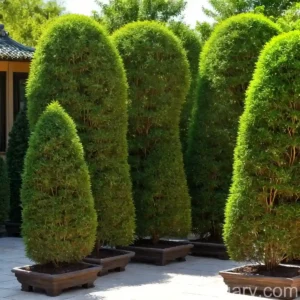
The Chinese Juniper is well-suited for container cultivation, making it a popular choice for both indoor and outdoor container gardening. Its adaptability to container growth allows for versatile placement options and provides an opportunity to enjoy its ornamental value in smaller spaces and urban environments. The distinctive foliage of the Juniperus x pfitzeriana ‘Hetzii’ adds visual interest to outdoor patios, balconies, and entryways, while also serving as a resilient container plant for interior settings.
Container Care
When cultivating the Chinese Juniper in containers, specific care practices should be implemented to ensure its health and vitality. Here are the essential considerations for container care:
- Container Size: Select a spacious and well-draining container that accommodates the Juniperus x pfitzeriana ‘Hetzii’s root system and allows for sufficient growth.
- Potting Mix: Utilize a well-aerated, well-draining potting mix suitable for containerized woody plants. The medium should provide adequate moisture retention while preventing waterlogged conditions.
- Watering: Monitor the moisture levels in the container and water the plant when the top inch of the soil becomes dry. Avoid overwatering, as excessive moisture can lead to root rot and other detrimental conditions.
- Sunlight: Position the container in a location that receives ample sunlight, ensuring the Chinese Juniper has access to the light it requires for robust growth.
Common Diseases
Like many plants, the Chinese Juniper is susceptible to certain diseases that can impact its overall health and appearance. Understanding these common diseases and their management is vital for preserving the well-being of the Juniperus x pfitzeriana ‘Hetzii’. Some of the primary diseases affecting this cultivar include:
Cedar Apple Rust
Cedar apple rust is a fungal disease caused by Gymnosporangium juniperi-virginianae that affects various juniper species, including the Chinese Juniper. It manifests as orange to reddish-brown galls on the foliage, which release spores during wet weather. This disease often requires an alternate host, represented by apple or crabapple trees, to complete its life cycle. To manage cedar apple rust:
- Monitor and remove any galls or infected plant parts to reduce the disease’s spread.
- Utilize resistant juniper varieties to minimize the risk of infection.
- Apply appropriate fungicidal treatments following professional recommendations and guidelines.
Juniper Twig Blight
Juniper twig blight, caused by the fungal pathogens Phomopsis juniperovora and Kabatina juniperi, affects the foliage and twigs of juniper plants. It results in dieback, browning of foliage, and the development of cankers on infected branches. Effective management of juniper twig blight involves the following measures:
- Prune and remove affected branches and foliage to reduce the disease’s presence and limit its spread.
- Implement proper sanitation practices, such as removing and disposing of infected plant material, to prevent disease recurrence.
- Apply fungicidal treatments as recommended by horticultural professionals, particularly during the plant’s vulnerable growth stages.
Disease Diagnosis
Diagnosing diseases affecting the Chinese Juniper involves careful observation of symptoms, understanding environmental conditions, and, when necessary, seeking assistance from qualified horticultural specialists. Key steps in the disease diagnosis process include:
- Symptom Identification: Recognize the characteristic symptoms associated with common juniper diseases, such as the appearance of galls, cankers, discoloration, and abnormal growth patterns.
- Environmental Assessment: Evaluate environmental factors, including moisture levels, air circulation, and plant stress, to identify potential disease triggers and contributors.
- Professional Consultation: If uncertain about disease identification and management, consult with knowledgeable plant pathologists or extension services for accurate diagnosis and tailored recommendations.
Common Pests
While the Chinese Juniper is generally resistant to pest infestations, certain insects and mites may occasionally pose challenges to its health. Being aware of these common pests and adopting preventive measures can help safeguard the Juniperus x pfitzeriana ‘Hetzii’ from potential pest-related issues. Some of the notable pests that may affect this cultivar include:
Bagworms
Bagworms are caterpillar larvae belonging to various moth species that construct protective bags from silk and plant debris, resembling small cones. These pests primarily infest juniper plants, feeding on foliage and causing defoliation if left uncontrolled. To manage bagworm infestations:
- Handpick and destroy visible bags to reduce the pest population.
- Apply targeted insecticidal treatments during the early stages of infestation, following recommended application guidelines and safety precautions.
Spider Mites
Spider mites are minuscule arachnids that may infest juniper foliage and cause characteristic stippling, webbing, and overall decline in plant vigor. These pests often thrive in hot, dry conditions and can proliferate rapidly, posing a threat to the Chinese Juniper’s health. Effective management strategies for spider mites include:
- Implementing proactive measures to increase humidity and reduce environmental stress on the plant.
- Applying horticultural oils or insecticidal soaps to mitigate spider mite populations while minimizing adverse effects on beneficial organisms.
Botanist’s Tips
As a plant scientist with a passion for horticulture and botany, I highly recommend the following tips for enthusiasts and gardeners interested in cultivating the Juniperus x pfitzeriana ‘Hetzii’ and similar plant species:
- Site Selection: When planning to introduce the Chinese Juniper to a new location, carefully consider its sun exposure, soil conditions, and suitability for the desired landscape application.
- Pruning Practices: Adhere to minimal, selective pruning to maintain the plant’s natural form and promote healthy growth. Avoid excessive pruning to prevent the risk of stress and foliage loss.
- Integrated Pest Management: Embrace holistic pest management approaches, incorporating biological control, cultural practices, and targeted pesticide applications when necessary to maintain pest balance.
- Watering Routines: Develop a consistent watering regimen that meets the plant’s moisture needs while preventing overwatering, which can lead to root issues and susceptibility to diseases.
- Species Selection: Explore different cultivars and species within the Juniperus genus to identify varieties that align with specific landscape needs and preferences.
Fun Facts
- The Chinese Juniper holds historical and cultural significance, often being associated with traditional medicinal uses in various cultures.
- Its durable wood has been utilized for crafting furniture, decorative items, and as a material for aromatic incense production.
- The distinct aroma of juniper wood and foliage has made it a popular choice for use in herbal infusions, culinary seasoning, and fragrance creation.
Links to External Resources
For additional insights, resources, and guidance on the Chinese Juniper and related topics, I recommend exploring the following reputable sources:
- The American Conifer Society
- The Royal Horticultural Society
- University Extension Services (e.g., University of California Extension, Texas A&M AgriLife Extension)
- Botanical Gardens and Arboreta with Conifer Collections
In conclusion, the Juniperus x pfitzeriana ‘Hetzii’ stands as a versatile and enduring plant species with a rich history and distinct characteristics. Its enduring appeal in landscaping, ornamental horticulture, and various practical applications underscores its value and significance within the botanical world. By embracing the knowledge and insights shared in this comprehensive guide, individuals can enhance their appreciation for the Chinese Juniper and cultivate it with confidence and success.
Keywords: 1. Chinese Juniper plant, 2. Juniperus x pfitzeriana, 3. Hetzii Juniper, 4. Chinese Juniper cultivar, 5. Juniperus pfitzeriana Hetzii, 6. Chinese Hetzii Juniper, 7. Juniperus x pfitzeriana species, 8. Hetzii Chinese Juniper, 9. Juniperus x pfitzeriana ‘Hetzii’ variety, 10. Chinese Hetzii Juniper plant, 11. Hetzii Juniperus x pfitzeriana, 12. Chinese Hetzii Juniperus x pfitzeriana, 13. Juniperus x pfitzeriana ‘Hetzii’ species, 14. Hetzii Chinese Juniperus x pfitzeriana, 15. Chinese Juniper plant care, 16. Juniperus pfitzeriana Hetzii care, 17. Hetzii Juniperus x pfitzeriana care, 18. Chinese Hetzii Juniperus x pfitzeriana care, 19. Juniperus x pfitzeriana ‘Hetzii’ growth, 20. Hetzii Chinese Juniper growth, 21. Chinese Juniper plant characteristics, 22. Juniperus pfitzeriana Hetzii characteristics, 23. Hetzii Juniperus x pfitzeriana characteristics, 24. Chinese Hetzii Juniperus x pfitzeriana characteristics, 25. Juniperus x pfitzeriana ‘Hetzii’ pruning, 26. Hetzii Chinese Juniper pruning, 27. Chinese Juniper plant propagation, 28. Juniperus pfitzeriana Hetzii propagation, 29. Hetzii Juniperus x pfitzeriana propagation, 30. Chinese Hetzii Juniperus x pfitzeriana propagation, 31. Juniperus x pfitzeriana ‘Hetzii’ landscape uses, 32. Hetzii Chinese Juniper landscape uses, 33. Chinese Juniper plant diseases, 34. Juniperus pfitzeriana Hetzii diseases, 35. Hetzii Juniperus x pfitzeriana diseases, 36. Chinese Hetzii Juniperus x pfitzeriana diseases, 37. Juniperus x pfitzeriana ‘Hetzii’ cultivation, 38. Hetzii Chinese Juniper cultivation, 39. Chinese Juniper plant varieties, 40. Juniperus pfitzeriana Hetzii varieties, 41. Hetzii Juniperus x pfitzeriana varieties, 42. Chinese Hetzii Juniperus x pfitzeriana varieties, 43. Juniperus x pfitzeriana ‘Hetzii’ planting tips, 44. Hetzii Chinese Juniper planting tips, 45. Chinese Juniper plant landscape design, 46. Juniperus pfitzeriana Hetzii landscape design, 47. Hetzii Juniperus x pfitzeriana landscape design, 48. Chinese Hetzii Juniperus x pfitzeriana landscape design, 49. Juniperus x pfitzeriana ‘Hetzii’ maintenance, 50. Hetzii Chinese Juniper maintenance